



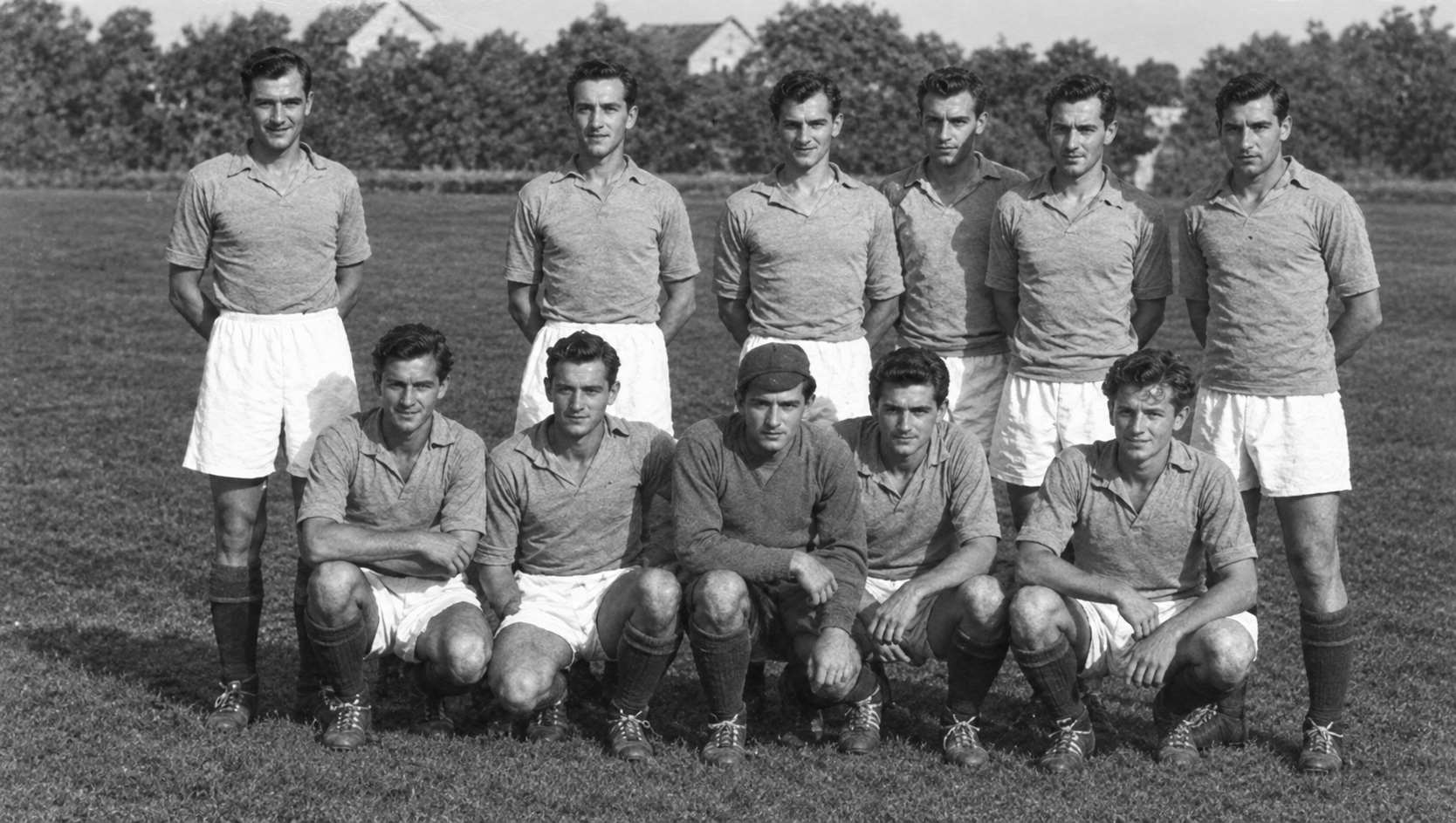
Immediately after the occupation, as early as the summer of 1941, the football club DMKS Turul was founded in Novi Bečej. The club was composed exclusively of members of the Hungarian community. At the beginning of 1942, following the establishment of the Banat Hungarian League, Turul joined the competition for the Banat championship.
Turul’s first football kit was inherited from the former Novi Bečej club Zanatlija—white jerseys, which later became the permanent club colors.
Due to a relatively weak playing squad, Turul was unable to achieve notable league positions and spent most of the season near the bottom of the standings. Nevertheless, despite modest sporting results, the club quickly gained a large and loyal fan base among the Hungarian population. Each match attracted between 700 and 800 spectators—almost double the attendance recorded by Jedinstvo and later Zvezda during the final decade before World War II.
Turul proved inferior to opponents from Kikinda, Veliki Bečkerek, and Mužlja, but its players competed far more successfully against the local club Zvezda. Although the difference in quality was evident, Turul played with such determination and passion that the technically superior Zvezda could prevail only through full commitment and effort.
Their encounters were open and dynamic. While Zvezda was usually considered the favorite, Turul supporters always nurtured hope for an upset, whereas Zvezda’s fans approached each match with a degree of unease, aware of the danger of underestimating a highly motivated opponent.
Today, it is difficult to convey how evenly contested these matches often were, even when the final score strongly favored Zvezda. Turul was a worthy adversary, one that had to be “broken down” over the full 90 minutes of play.
Before every Zvezda–Turul match, a special atmosphere prevailed, and the football ground was filled to capacity. Local derbies regularly attracted between 1,000 and 1,500 spectators.
It is particularly noteworthy that not a single incident was recorded during these encounters—neither on the pitch nor among the crowd. Support was loud but dignified. Fans were fully aware that any disturbance could escalate into interethnic conflict, with serious consequences not only for those involved but also for the future of football in the town. Matches were intense, but never rough.
During the nearly three years of coexistence of Turul and Zvezda throughout World War II, the two clubs played ten official matches. Zvezda emerged victorious in most of them; however, Turul managed to inflict one of Zvezda’s heaviest defeats—a 4–0 victory. This occurred in their very first encounter, when Zvezda entered the match overconfident and was deservedly punished. That defeat became a lasting lesson for Zvezda, reinforcing the need for relentless effort against Turul, and it remained etched in the memory of supporters, accompanied by lingering anxiety before every subsequent meeting.
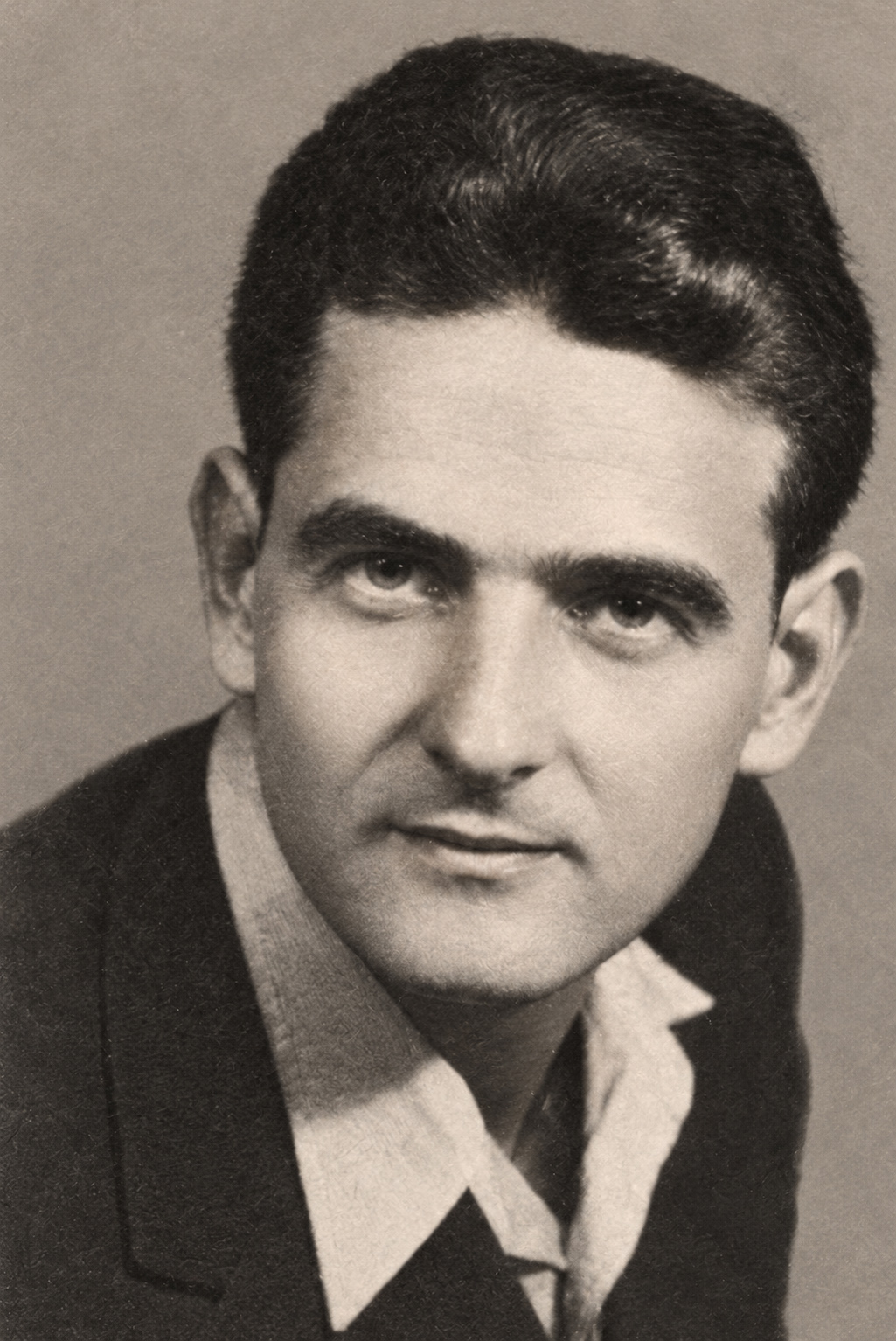
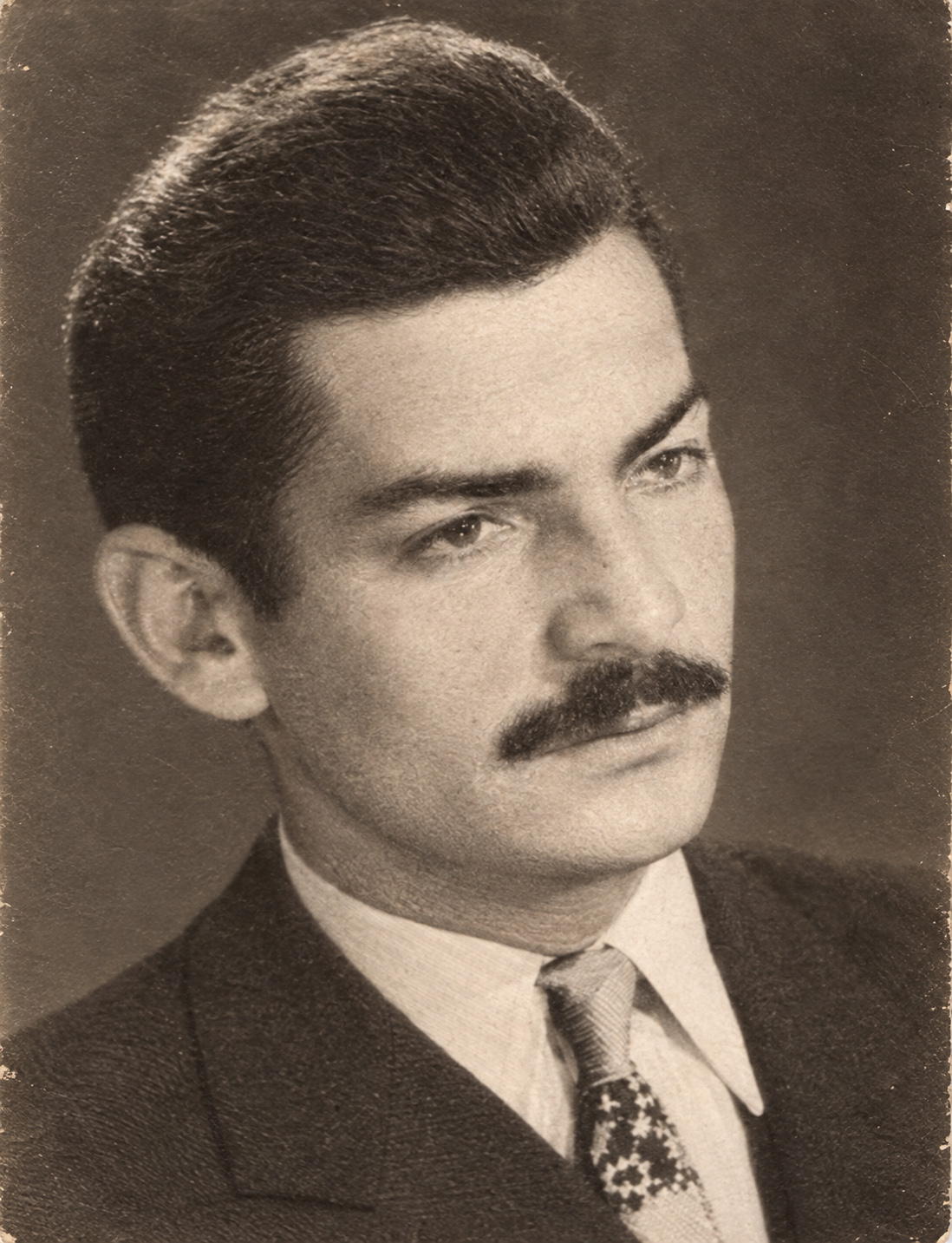
Turul’s most frequent lineup consisted of Ferenc Kiš, Vili Farkaš, Laci Gomba, Šanji Kiš, Bela Farkaš, Sečanji, Maraci, Kujan, Berta, and Feri Gomba. Among them, István Berta and Vilmoš Kujan stood out in particular. In 1943, Šanji Kiš and Bela Farkaš joined the team—players who would later become key pillars of postwar football in Novi Bečej.
Despite considerable effort, it has not been possible to obtain precise data regarding Turul’s match results or league standings. The newspaper Torontal, which might represent the only contemporary source from that period, has not been preserved in any known archive.
Comments