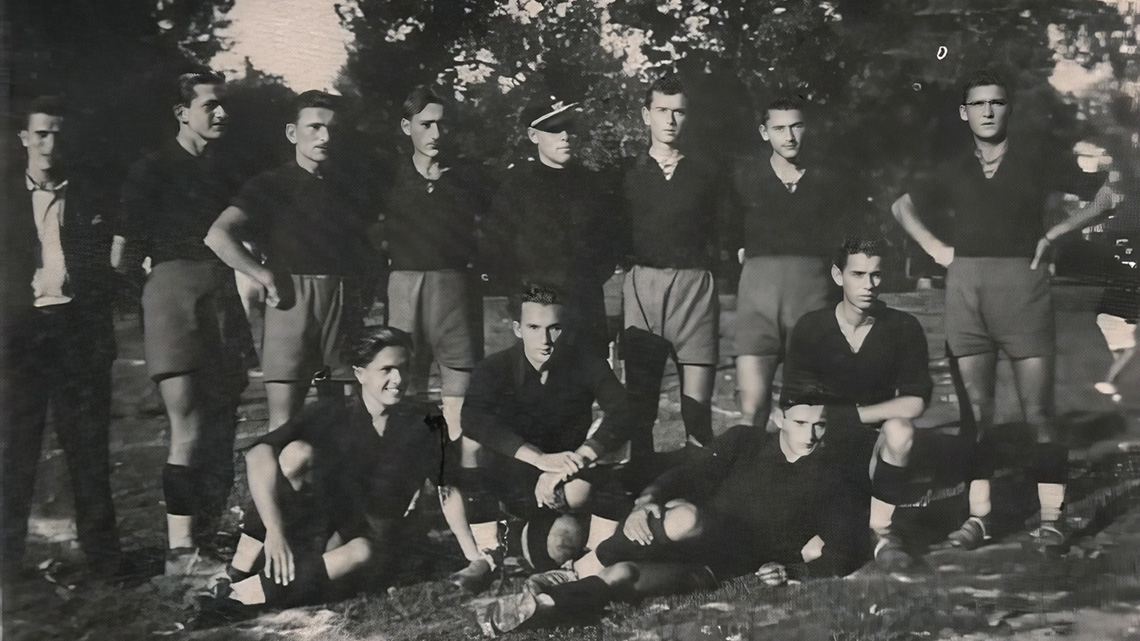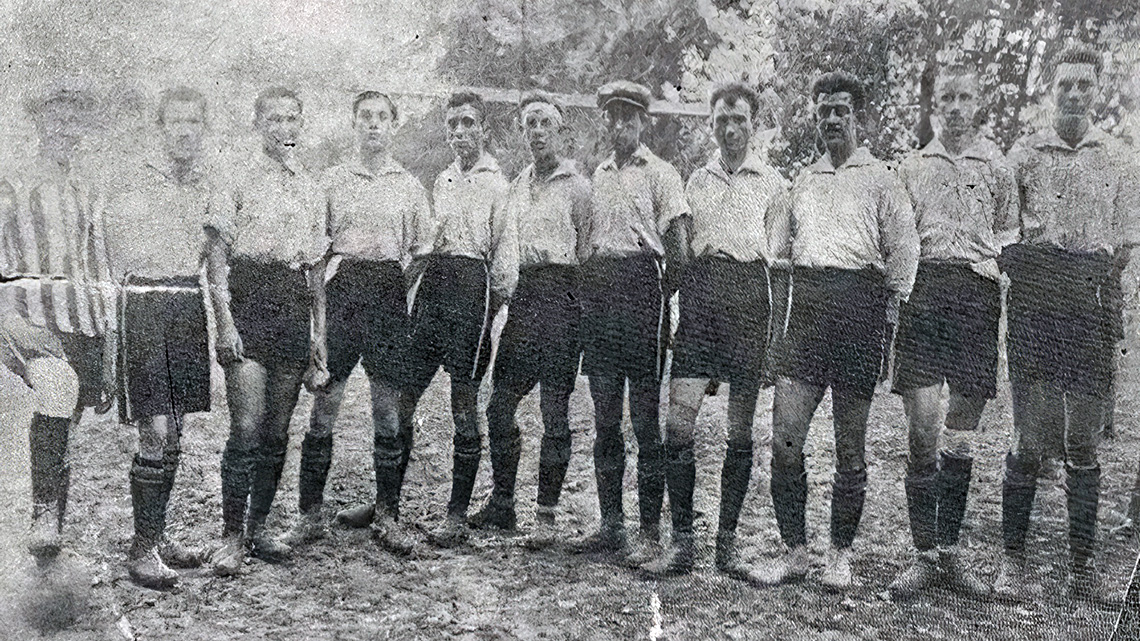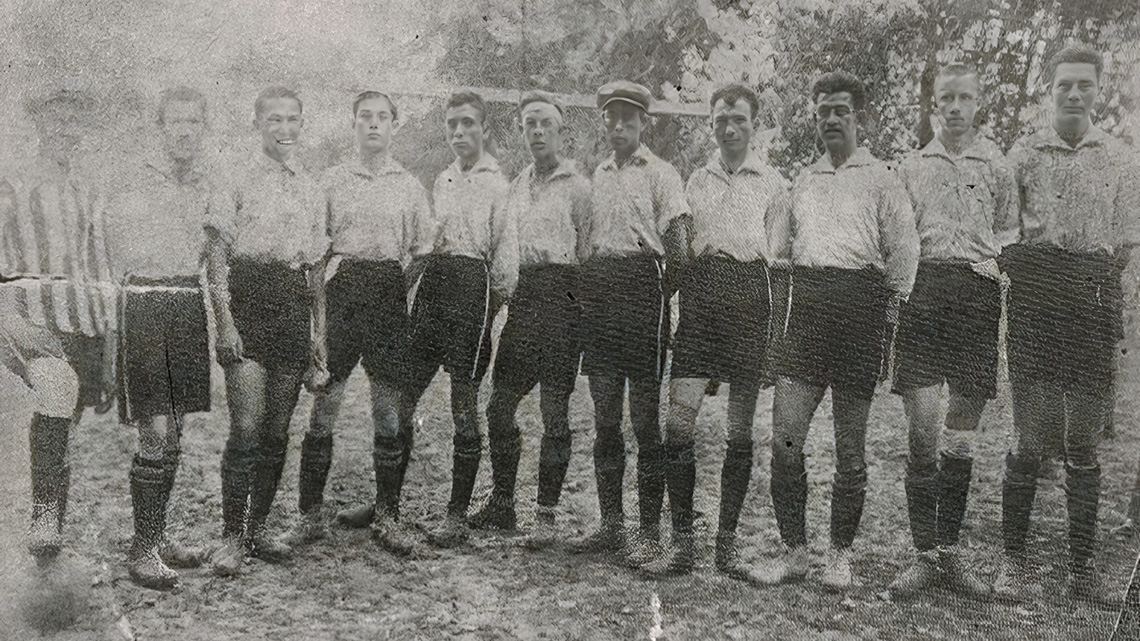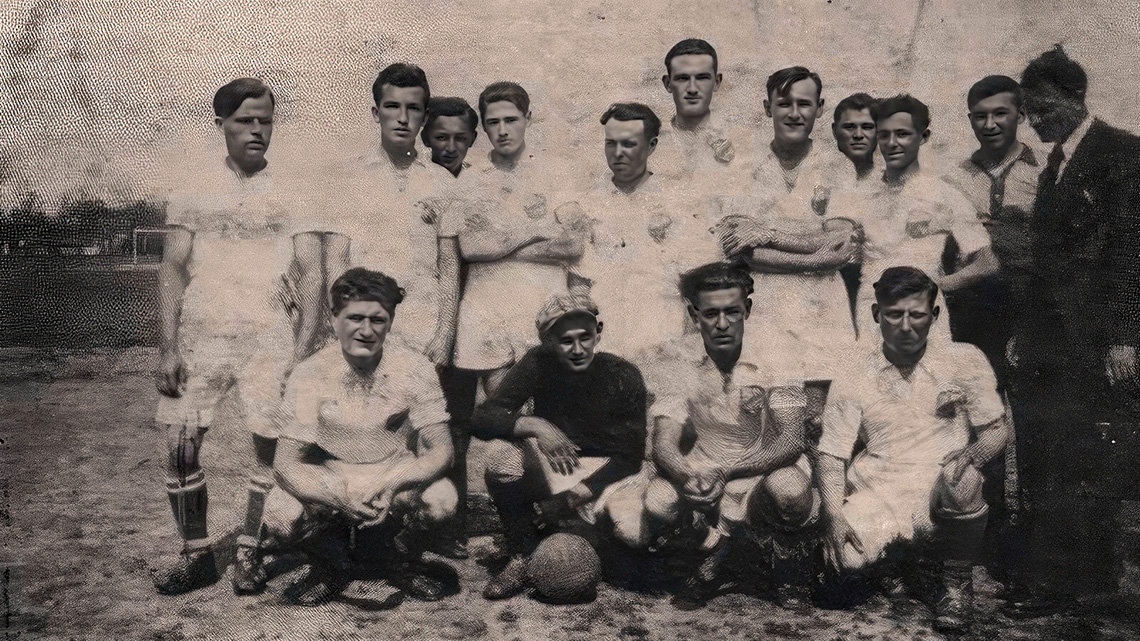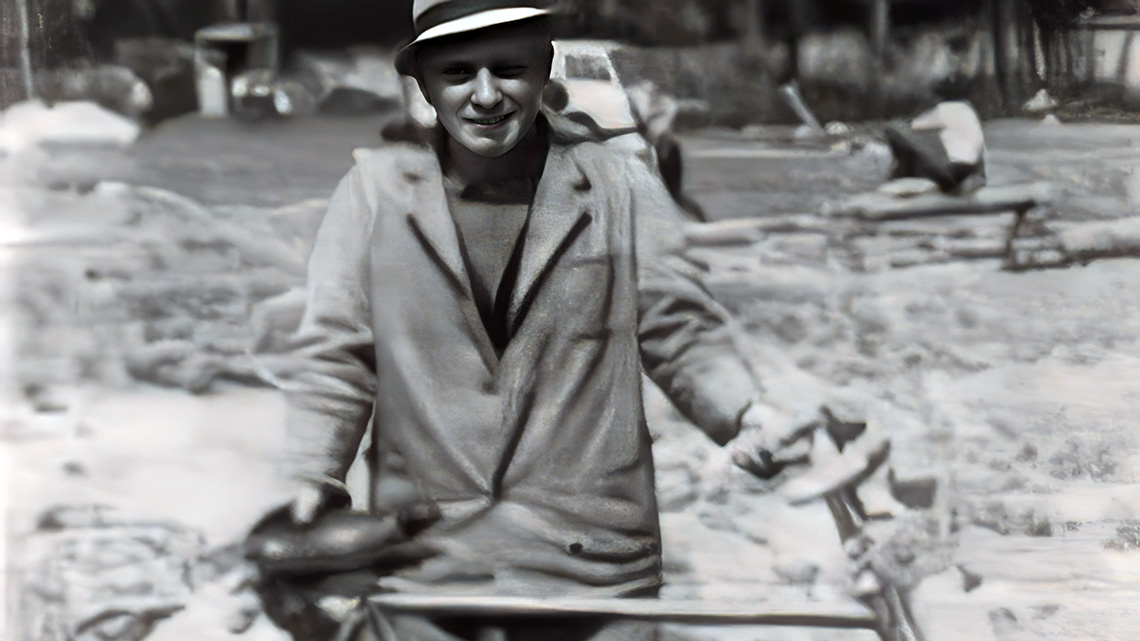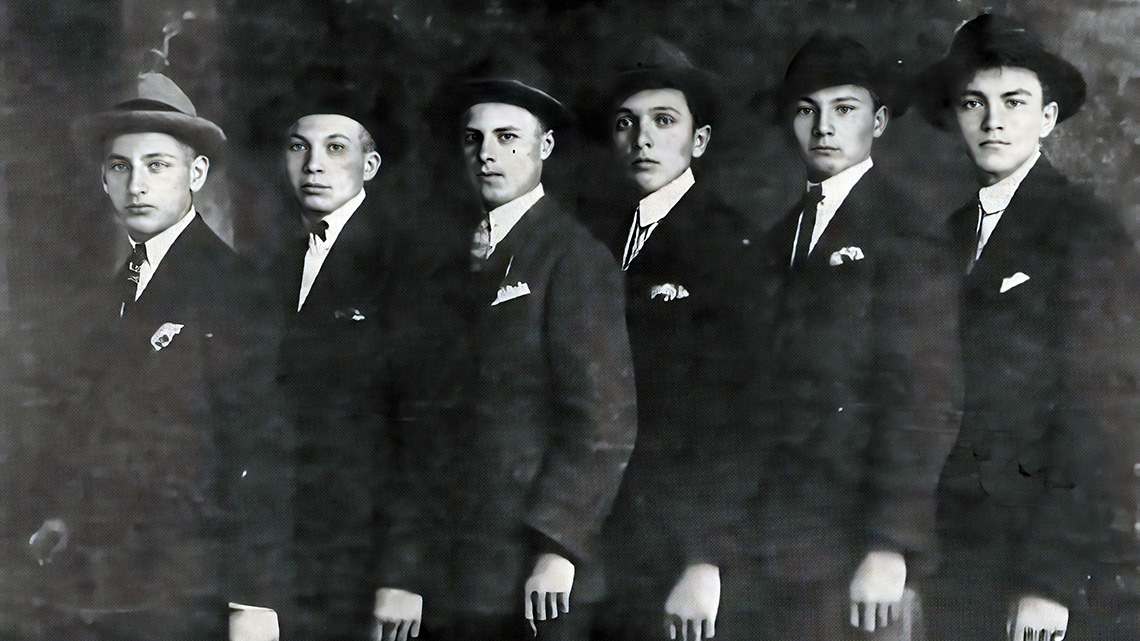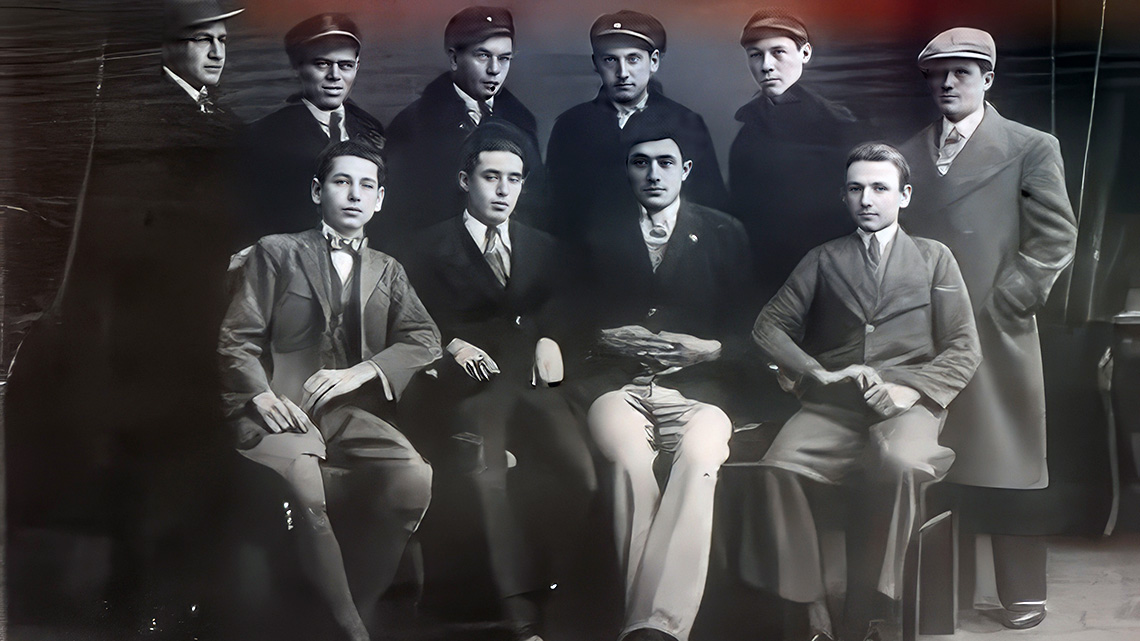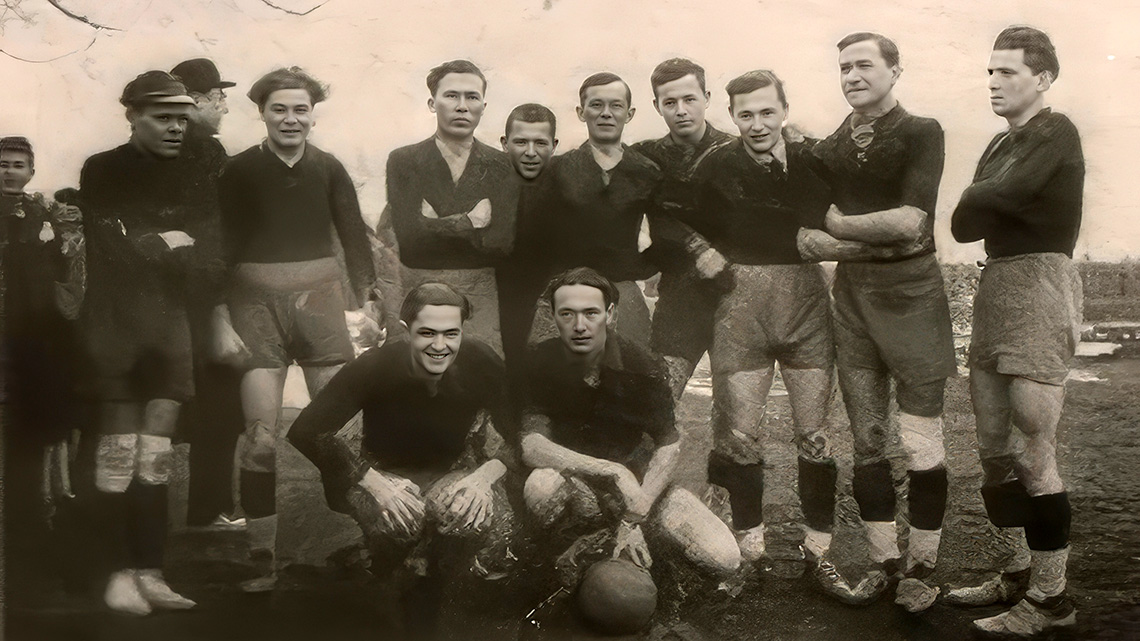

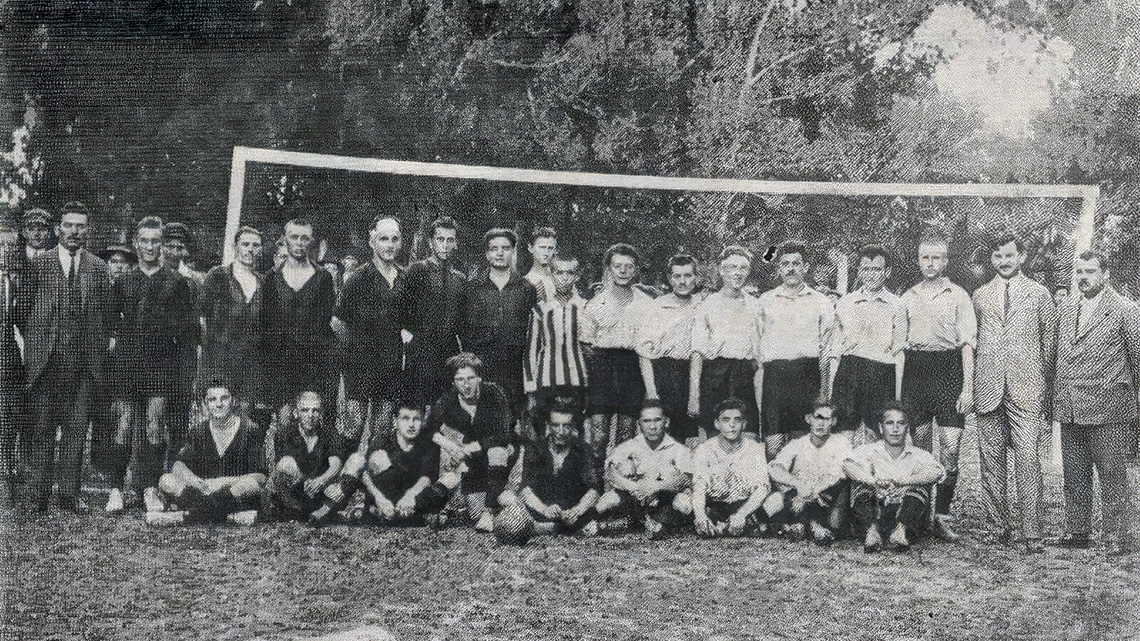
My intention with this book is to preserve the results, certain events, and deserving individuals responsible for the birth and development of football in Novi Bečej from being forgotten. I aim to revive memories of the past, the efforts, and dedication of individuals who, through their selfless commitment, sometimes under very difficult conditions, managed to sustain and ensure, albeit not always rapid, but continuous growth of football in Novi Bečej.
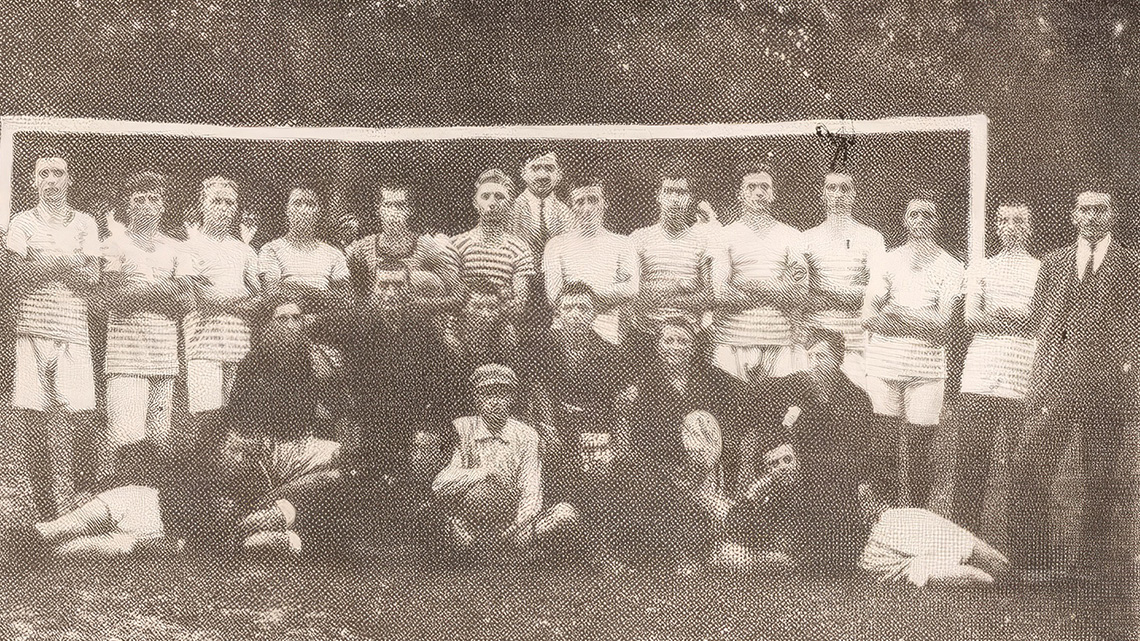
Explore the rich history of football in Novi Bečej with our 'Ninety Years of Football' category. Discover key moments, significant personalities, and unforgettable matches that have shaped the local football identity. Join us on a journey through decades of passion, rivalry, and community on the field.
Share this page on social media
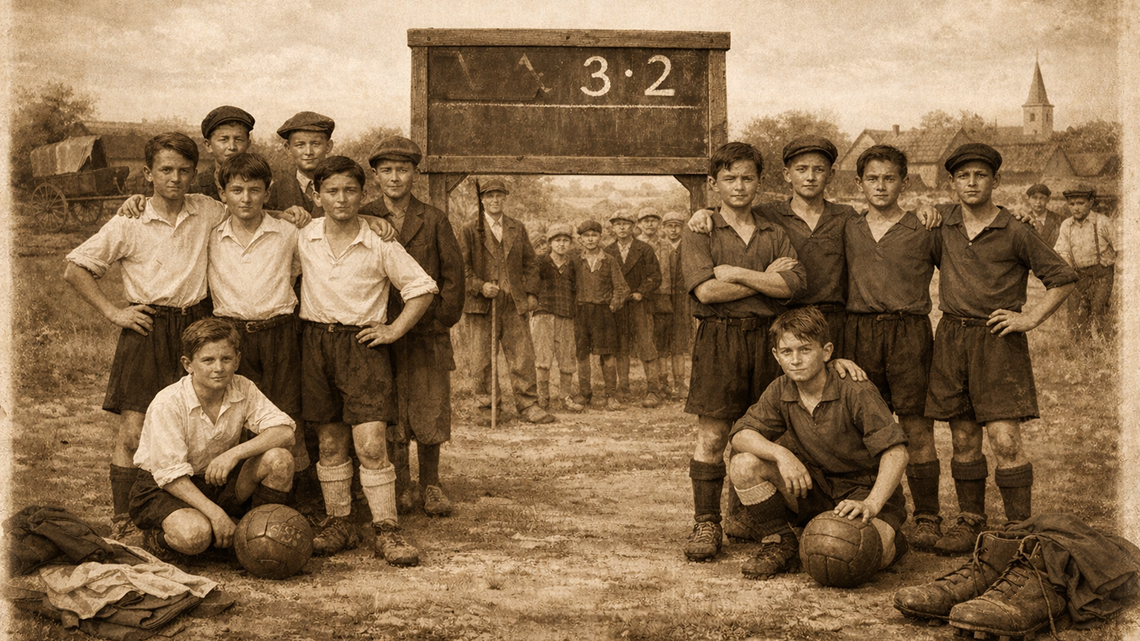
Football, as it is played today, emerged in England in the 1960s. University colleges in Oxford, Cambridge, Sheffield, and elsewhere revived football in 1840, but in a different form than it was played in London at the end of the 17th century. These few student clubs played football without any rules, and at that time, there was no distinction made between football and rugby.
Thanks to the remarkable circumstance that one of our fellow citizens—Vladislav Kostović—was studying in London in the 1870s and brought back a football, football appeared in Novi Bečej as early as the 1880s.
There are no written records about this, nor about the year when it actually began to be played. However, based on statements from the oldest living residents of Novi Bečej during the period of data collection for this history (in 1980), documents from the Historical Archive in Zrenjanin, and information published in monographs about the emergence of football in neighboring towns, it can be asserted with considerable confidence that Novi Bečej was fortunate to be one of the first towns in Banat where football emerged.
It may sound a bit unusual, but it is true that no Novi Bečej resident, when describing the beauty and appearance of their town, fails to start by talking about the Tisa River and Gradište. Gradište was a small forest of towering poplars and oaks. Its name likely derives from the ruins of an old fortress (town), the walls of which lie in the Tisa River, with only a small portion emerging when the water level drops. It is believed that the town was built between 1300 and 1320, and in the early 15th century, it was held by despots Đurađ and Stevan Branković. According to the terms of the Treaty of Karlowitz, it was destroyed in 1701.
It did not take long from the first matches to the formation of the football club, but it is certain that it happened only in 1912. Many monographs equate the first match with the founding of the club, but this cannot be accepted when it comes to football in Novi Bečej. It is not just the desire for more reliable data, but also a statement from one of the key figures from that time, which points to the establishment of the first football club in Novi Bečej.
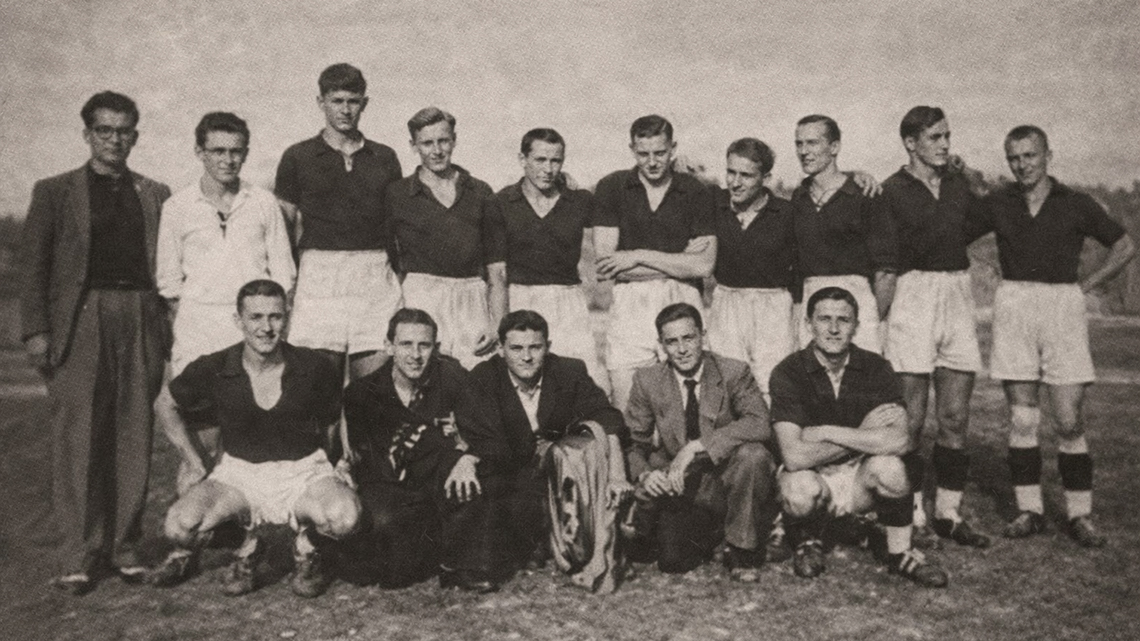
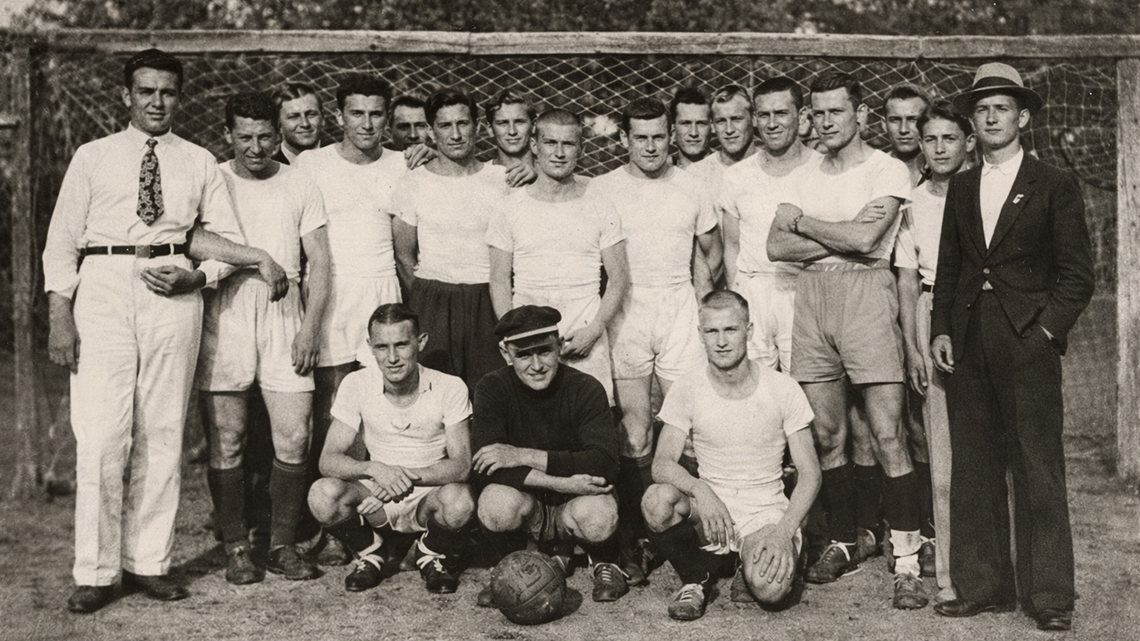
Football developed much faster after World War I than in the pre-war years. This is entirely understandable, as the years immediately following the war were a time of general enthusiasm, particularly in the economy, which served as a foundation for the development of sports as well. The development was faster in towns with Jewish and Hungarian populations, as the bourgeois class remained predominantly from these two nations even after the war. Clubs, officials, and players were mostly the same as before the war.
In addition to achieving satisfactory results for Novi Bečej's standards, the ambitions of the club's management were higher. They wanted, and felt that the conditions were right, to create a strong team capable of competing with the top clubs of Great Bečkerek, Greater Kikinda, and even all of Banat.
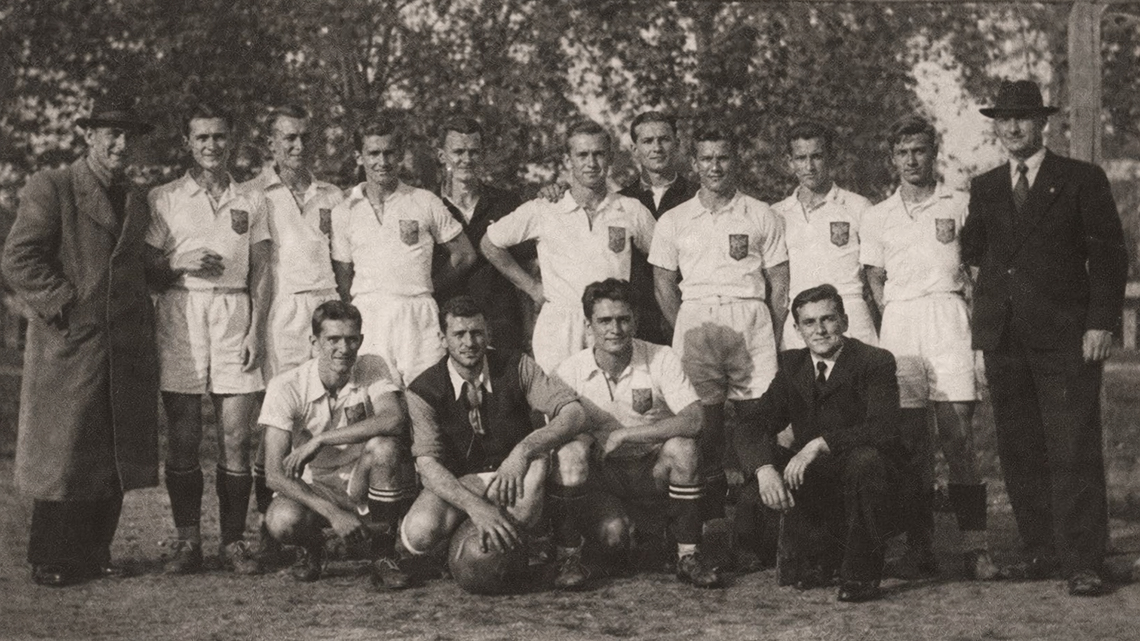
According to the accounts of Novi Bečej's oldest residents, who regularly attended football matches from their youth through to the present-day games of Jedinstvo, Građanski was the best football club in Novi Bečej before World War II. It is true that this strong team only existed for three years, but even such a short period left an indelible mark on the memories of its fans.
The people of Novi Bečej we spoke to know Soko as the club for Serbian youth who studied outside of the town. The club, however, has existed since the end of 1921. It was active until the autumn of 1927. In fact, at the end of 1921, the first TSE club, established in 1911, changed its name to Soko, and by the winter of 1923/24, it was renamed Građanski.
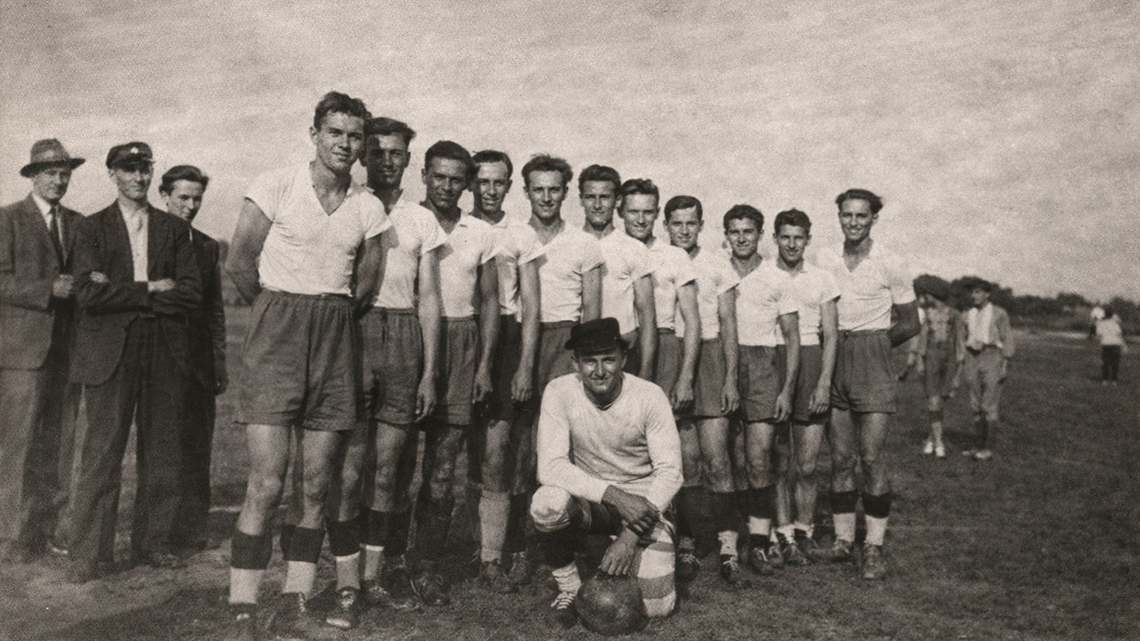
Following the dissolution of Građanski and considering that Soko was active only during school holidays, there arose a need for a permanent club that would include the youth residing in Novi Bečej. This need was further emphasized as Novi Bečej’s high school had older students capable of playing in the first team of a football club.
The period of the Great Depression, from 1930 to 1935, marked one of the most difficult times for football in Novi Bečej. The crisis hit the town with full force, as it had originally begun as an agricultural crisis, caused by overproduction in farming. Novi Bečej, a primarily agricultural region with over 700% of its population working in agriculture, suffered more than many other towns of similar size with different economic structures.