



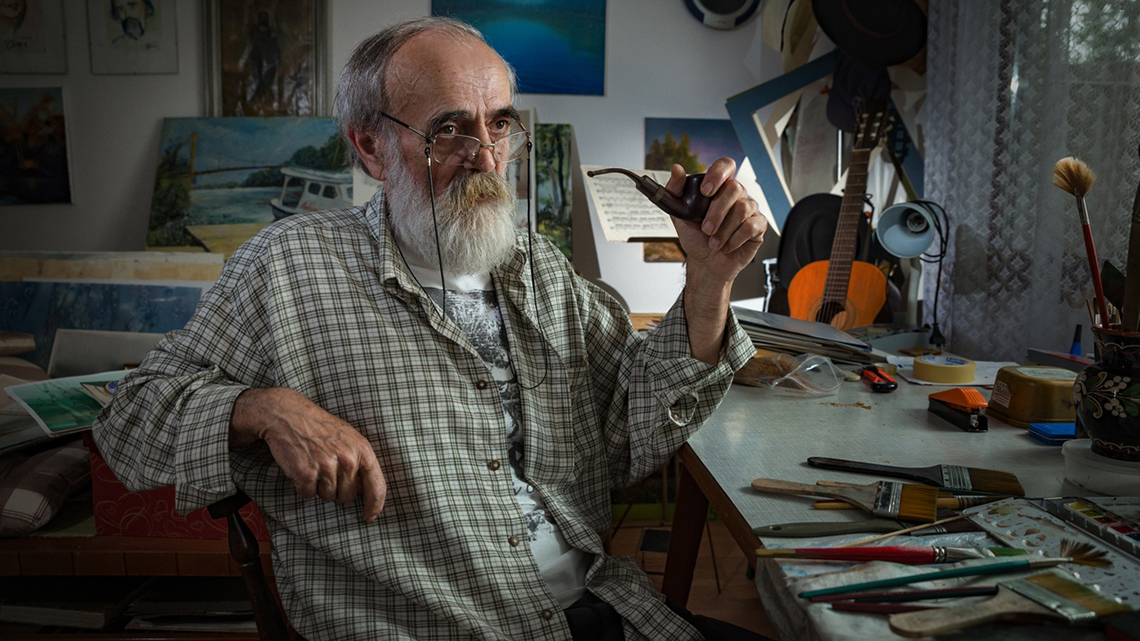
A master of watercolor and a guitar virtuoso, Branislav Stojančev—affectionately known to the people of Novi Bečej as Paša—was born in 1952. A lover of art, nature, and the Tisa River, he began his watercolor journey in 2001, dedicating himself to this delicate yet demanding painting technique. Since then, he has embraced its challenges with great success, finding in watercolor a source of peace, inspiration, and inner balance.
Breathe life into the forgotten stories of Novi Bečej through our rich collection of articles dedicated to people and events from the past. Travel through the ages, exploring the colorful array of historical moments that shaped our city.
Share this page on social media

Stevan A. Mirković
Personalities and Events: The Past of Novi Bečej
How This Booklet Came to Be
When my article titled “Kumane” appeared in the Yugoslav Daily on August 2, 1931 (issue no. 202), my parishioners received it with great enthusiasm. It was read aloud in gatherings and on street corners before groups of listeners. Soon, many expressed the wish that it be printed as a small booklet and distributed among the people of my parish.
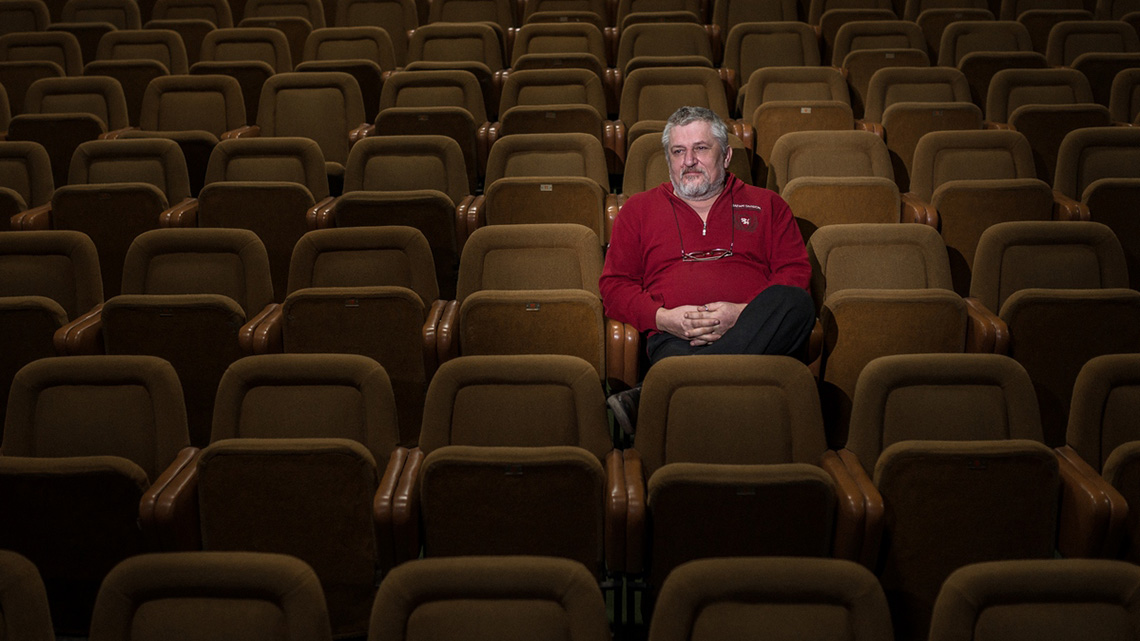
The stage — the “boards that mean the world” — has been a lifelong inspiration for Saša Milenković, an actor, director, and passionate theater devotee who has dedicated his life to the art of performance.
Born in 1963, Saša stepped onto the theatrical scene in 1978 and has remained actively involved ever since, contributing immensely to the cultural and artistic life of Novi Bečej and beyond.
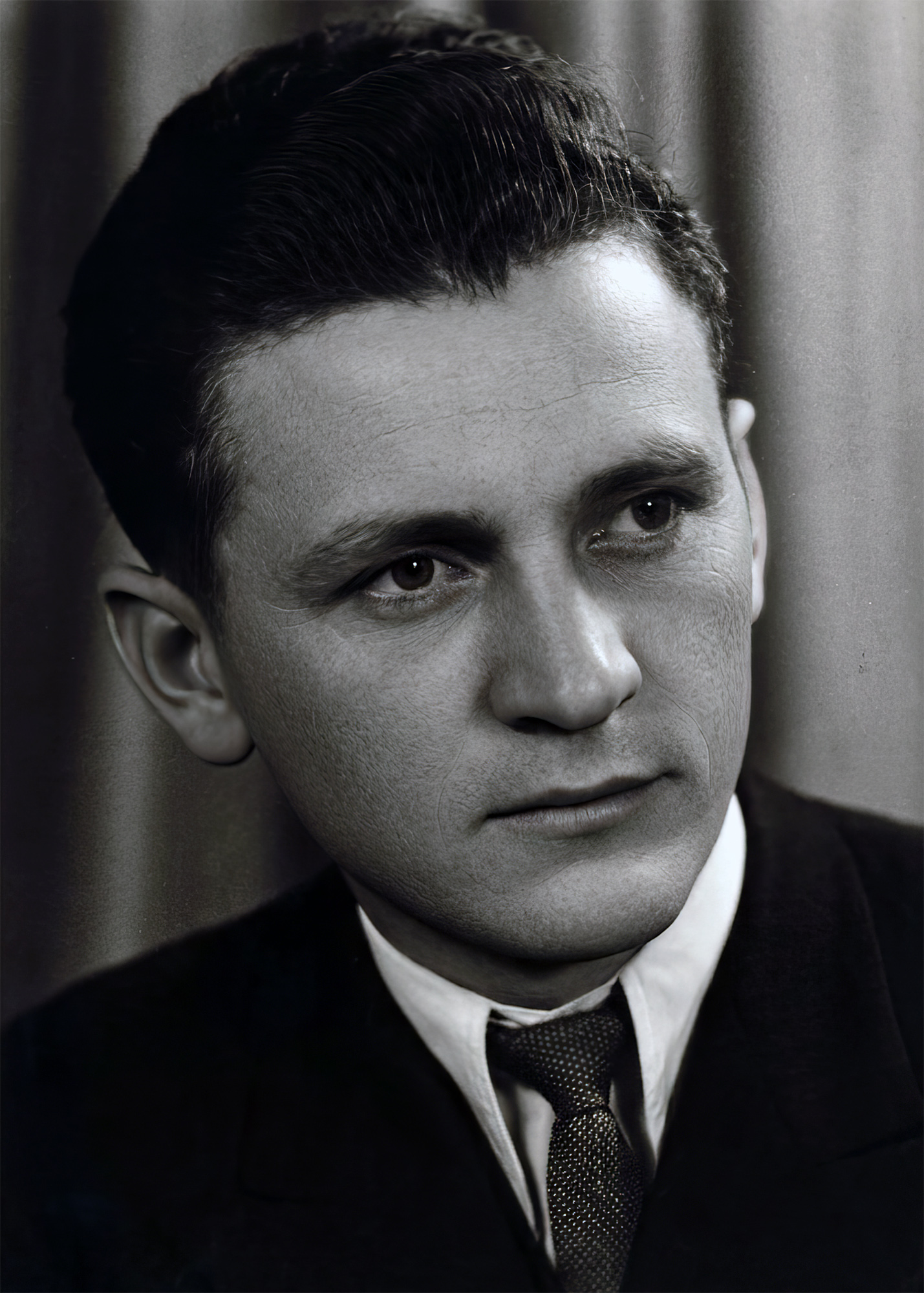
Radovan Svilengaćin (1926–1976) was a long-time director of the “Vojvodina” Cinema in Novi Bečej and one of the most important figures in the development of film culture in this town.
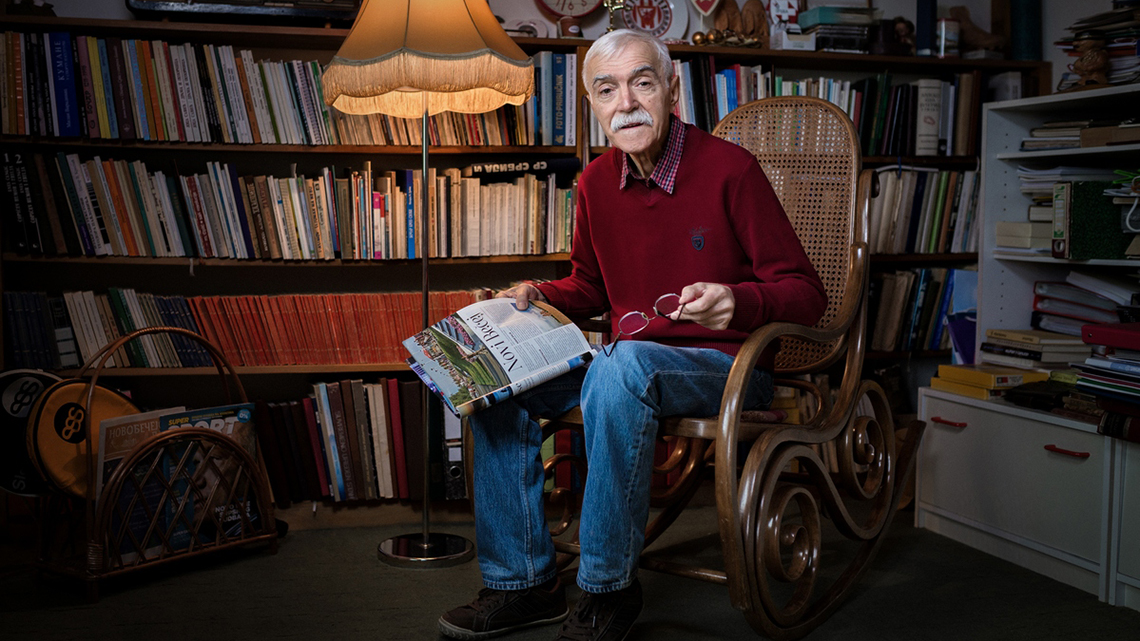
Stevan Davidović was born on October 6, 1949, in Novi Bečej. He completed his primary and secondary education in his hometown, where he also graduated from the local Grammar School. He went on to earn a degree from the Higher Pedagogical School in Zrenjanin, majoring in Serbo-Croatian language and the history of Yugoslav literatures.

Miloš Radović
Personalities and Events: The Past of Novi Bečej
Perhaps the reason must be invented
Perhaps the relation between the idea and its conventional realization in traditional painting techniques, as well as the relation between such an image and its photocopy (which contains additions from photographs and objects), can be measured—perhaps even considered identical.
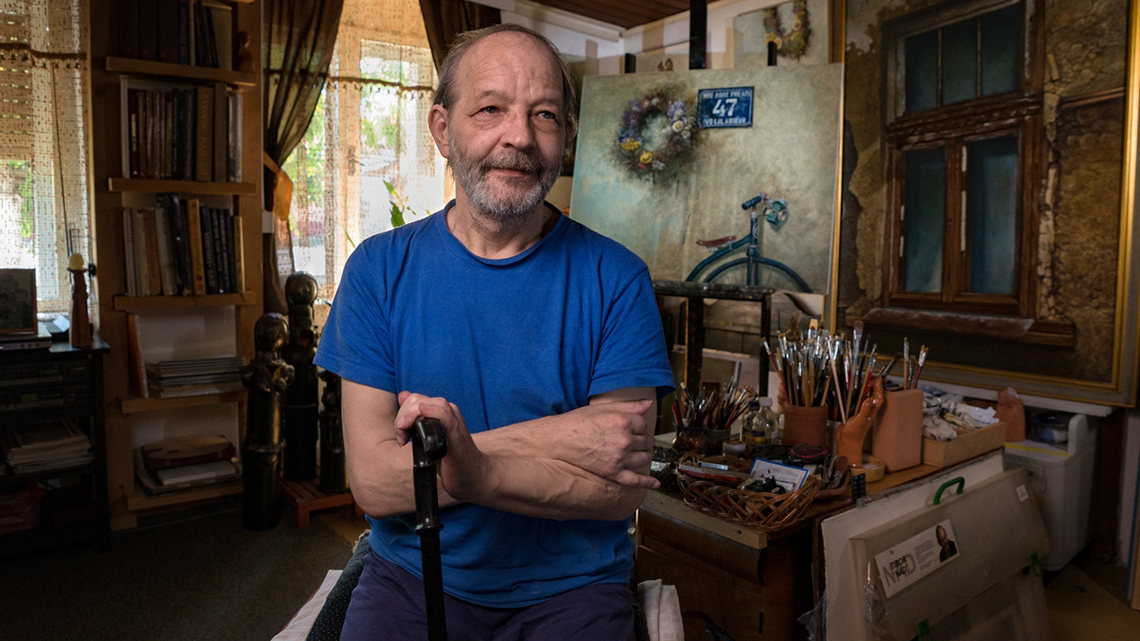
The renowned artist and painter Tibor Nađ was born in Novi Bečej on March 23, 1952. He completed his primary education in his hometown and later graduated from the Bogdan Šuput School of Design in Novi Sad, majoring in Interior and Furniture Design.

Drinking in front of stores in Serbia is not just a custom – it’s an institution! It dates back to the first store and the first bottle of rakija – essentially, since the dawn of time. Even the old craftsmen in the Ottoman period would take a “merak break,” drinking in front of shops while debating if it would rain.
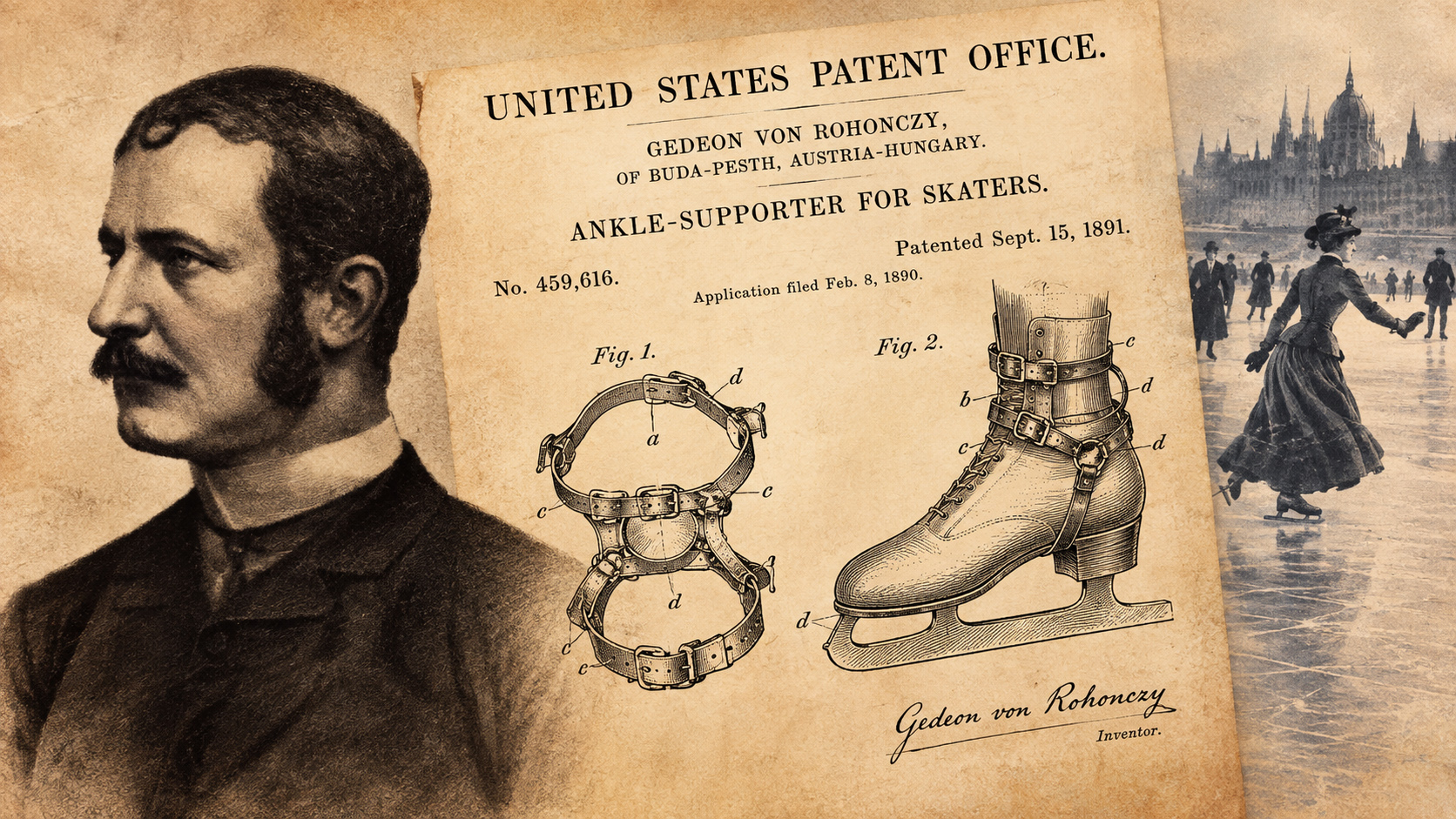
Gedeon Rohonci (1852–1929), a landowner from Törökbecse (present-day Novi Bečej), politician, horse breeder, sports official and inventor, was a man whose life encompassed far more fields than one might assume from his role as the owner of a large estate on Pearl Island (Biserno ostrvo).
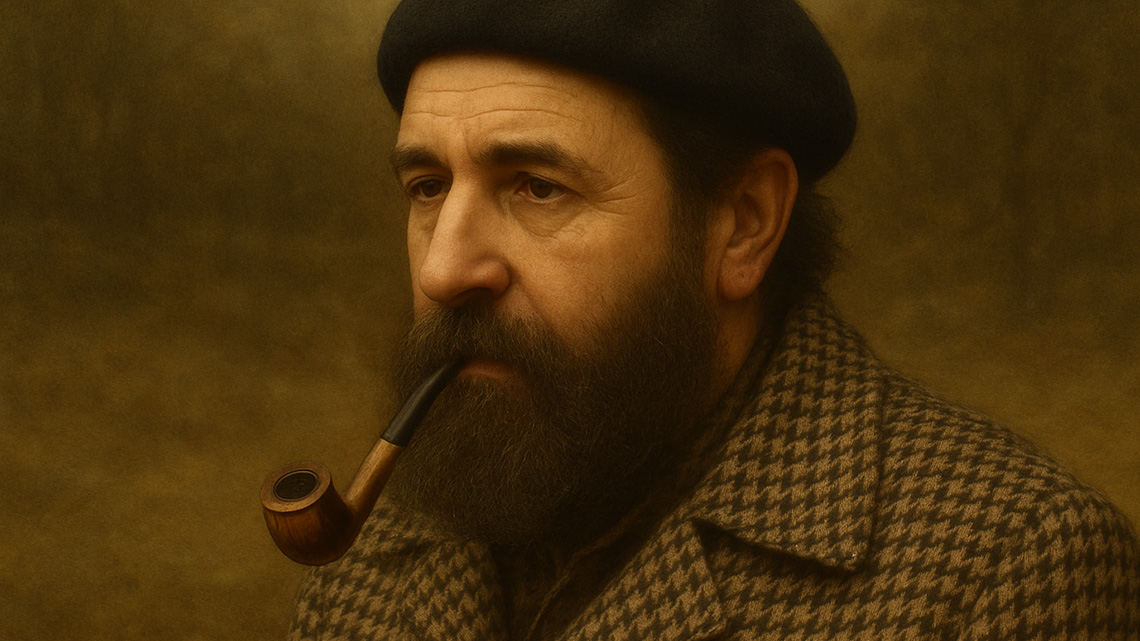
Koviljka Smiljković
Personalities and Events: The Past of Novi Bečej
Dragiša Bunjevački, a painter from Novi Bečej and the founder of the group “Selo,” was born in 1925 in Pančevo.
He was an artist who lived to paint, but never lived from painting nor painted merely to survive.

Mihalj Mesaroš was born in Novi Bečej in 1935, in an era when dreams were shaped on dusty football pitches and the game itself was played more with the heart than for reward. His first steps toward the wider world were taken in Zrenjanin, from where, at only eighteen years of age, his exceptional talent carried him further than he could have imagined — straight into the ranks of FK Partizan.
Karolj Andre
Personalities and Events: The Past of Novi Bečej
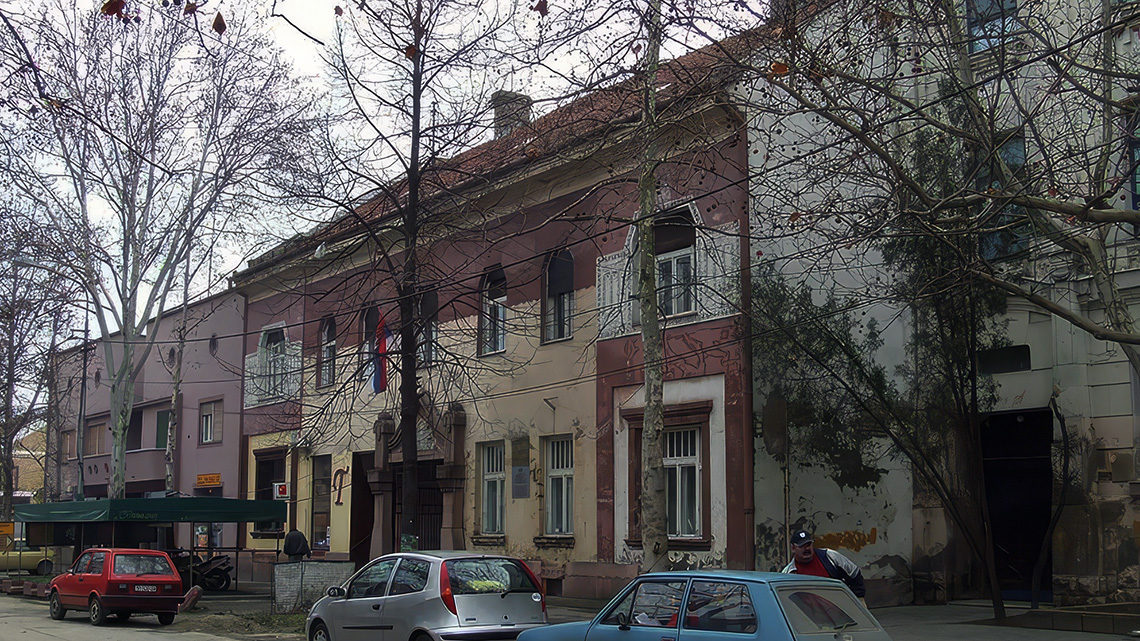
All of us from Novi Bečej are well acquainted with the beautiful two-story building with an Einfort (arched passage) entrance on the main street, located between the Miloje Čiplić Elementary School and the Sakač family house. Today, on the ground floor of this building, to the left of the entrance, there is a commercial space (formerly the Trocadero café), while on the right is the headquarters of the Tourist Organization of the Municipality of Novi Bečej.
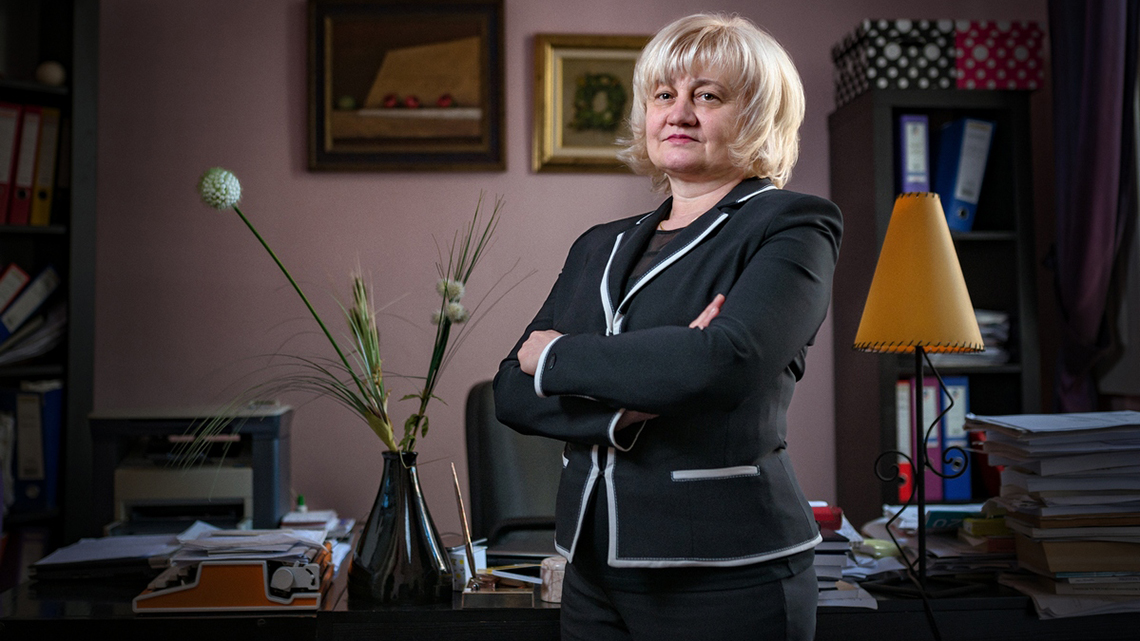
Hajnalka Zerebelji is the first female lawyer in Novi Bečej. After several decades of professional work, she has gained extensive experience, which she gladly shares with younger colleagues.
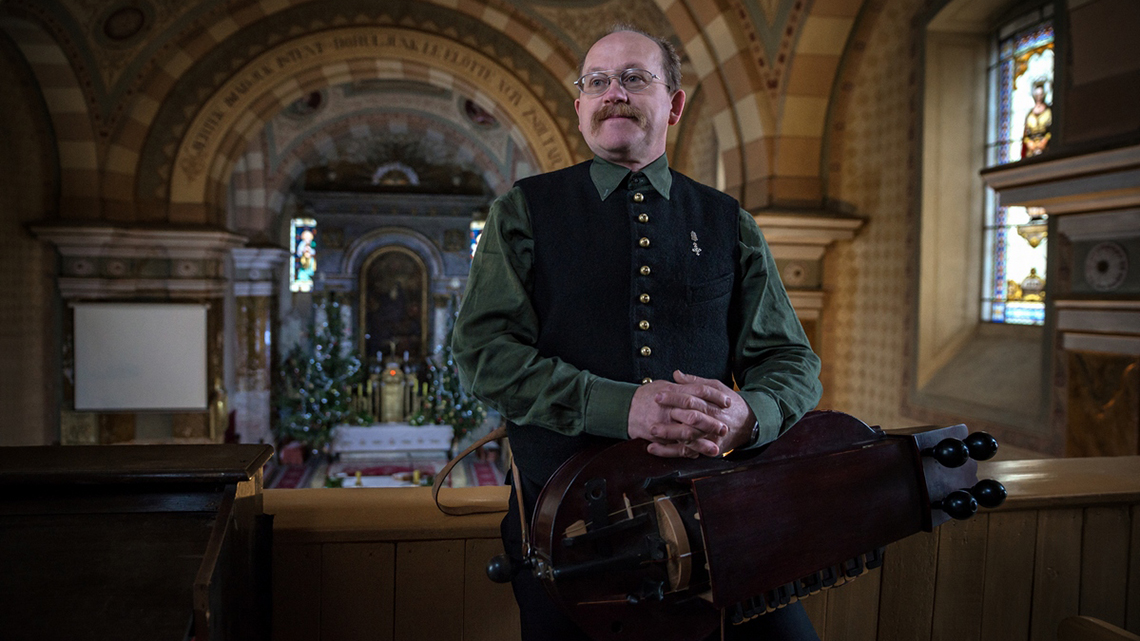
Bela Mičik was born in Novi Bečej in 1970 and is today recognized as one of the finest citera (zither) players in Vojvodina. A versatile musician, he plays as many as fourteen instruments, with a special affection for traditional Hungarian ones — the citera and the tekerő (hurdy-gurdy).
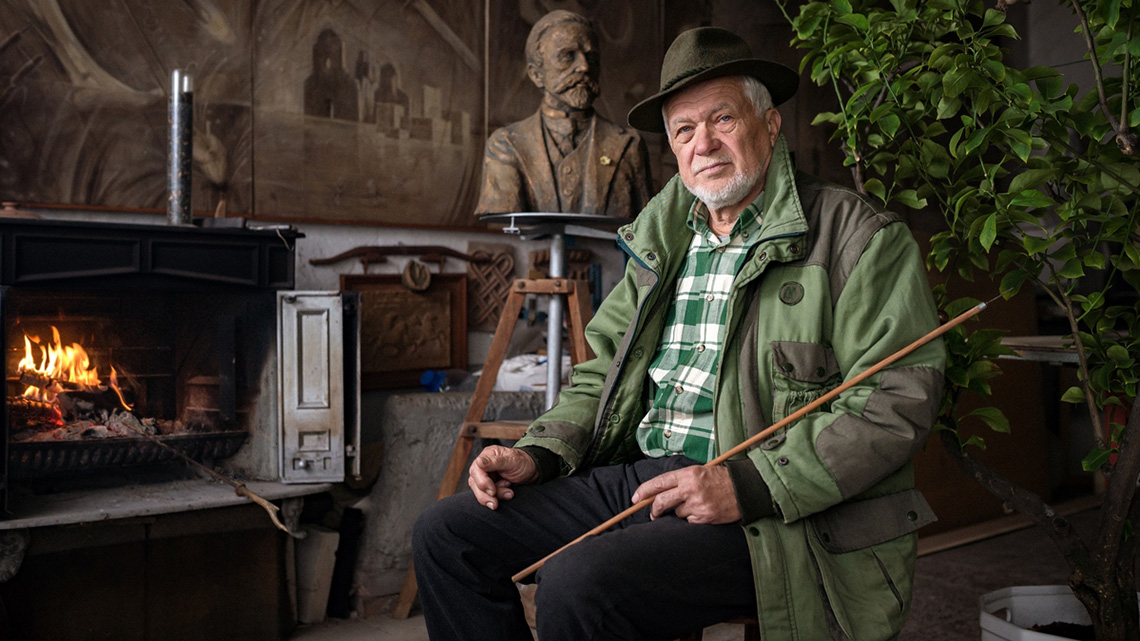
Milorad “Mića” Josimović (born in 1949) is a versatile artist and designer, a man whose creativity and craftsmanship have left a lasting mark on the artistic life of Novi Bečej and beyond.

Karolj Andre
Personalities and Events: The Past of Novi Bečej
The two-story building of the former Tursko-Bečejska Savings Bank is located at 3 Marshal Tito Street, extending from the Schlesinger Palace, at the corner with Gimnazijska Street. According to documentation from the Institute for the Protection of Cultural Monuments in Zrenjanin, written by art historian Vesna Majstorović, the following details about the building are known:

Prof. dr Duško Letić
Personalities and Events: The Past of Novi Bečej
In the photographs that tell a story of the past, we see Boško Maksić, known as "Šeboj," once a symbol of hard work and prosperity. Born in Kuman, he was a wealthy farmer and a respected member of his community. However, after World War II, his life took a tragic turn. The forced expropriation of his property by the regime completely shattered his life and stability.

Karolj Andre
Personalities and Events: The Past of Novi Bečej
Since the great storm of 1931 toppled the slender tower of the Orthodox Church in Novi Bečej, only a few photographs and postcards remain as documents of that never-forgotten, much-talked-about ornament of our church. When a new tower with a wider structure and a considerably shorter height was erected later that same year, the citizens, especially the faithful, did not look upon it with much affection.
Karolj Andre
Personalities and Events: The Past of Novi Bečej
Dr Ljubomir Pavlović was born in Novi Bečej on June 18, 1868, into the family of Nikita Pavlović, a gingerbread maker, and his wife Marica. He received his elementary education in his hometown and completed his secondary education in Sremski Karlovci and Hódmezővásárhely. He studied medicine in Vienna and Budapest, graduating in 1892.

Prof. Dr. Aleksandar Kasaš
Personalities and Events: The Past of Novi Bečej
The medieval settlement of Arača is located on the southern shore of Crna Bara, a watercourse within the alluvial plain of the Tisza River, about 13 kilometers east of its riverbed. The name of this settlement, also referred to in sources as Potiska Arača, is associated with the ruins of a basilica and monastery.
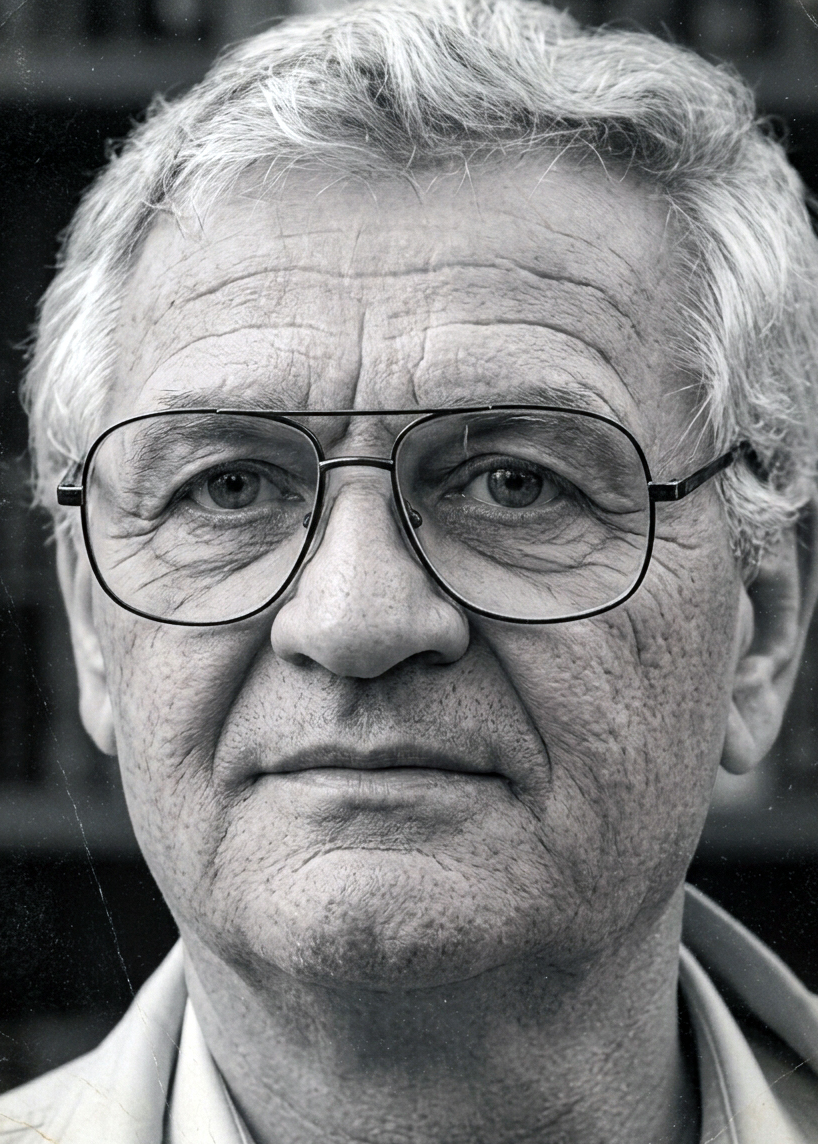
Pavle Janković - Šole, born on January 19, 1939, in Novi Bečej, was one of the most respected Serbian poets, whose poetry, although primarily intended for children, carried deep messages for adults as well. His name in literature is associated with an authentic and gentle approach to childhood, making him an expert in understanding children's thoughts and dreams.
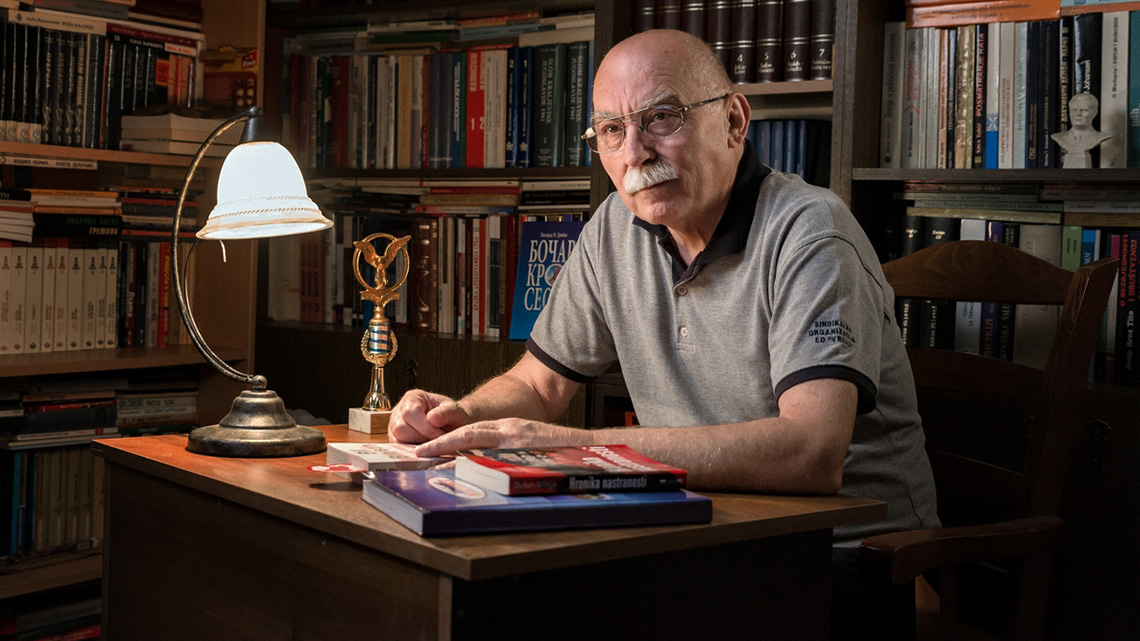
Responsibility, ambition, and dedication marked the life and career of Dr. Milorad Drobac, Doctor of Economic Sciences.
He was born on February 11, 1948, in Bočar, where he completed elementary school as the top student of his class.

Sava Baračkov was born in 1929 in Kumane, Banat, where he completed elementary school. He attended construction and architectural secondary schools in Novi Bečej, Petrovgrad, and Novi Sad. In 1955, he graduated from the Department of Scenography at the Academy of Applied Arts in Belgrade, under the mentorship of Professor Milenko Šerban.

Nina Kristić
Personalities and Events: The Past of Novi Bečej
The Košut family lived in a modest house covered with reeds, with small, misty windows through which young Tivadar observed and created his own world. Sitting by the oil lamp, he listened to the stories of old women about the creation of the world, Adam and Eve, the flood, Christ and his miracles, dreaming how happy he would be if he could paint it all.
Članaka
0
Articles