
The Virtual Archive of Novi Bečej - Online takes you on a journey through time, revealing the rich history and culture of our town. Explore archival photos, documents, and articles that bring to life significant moments and figures.
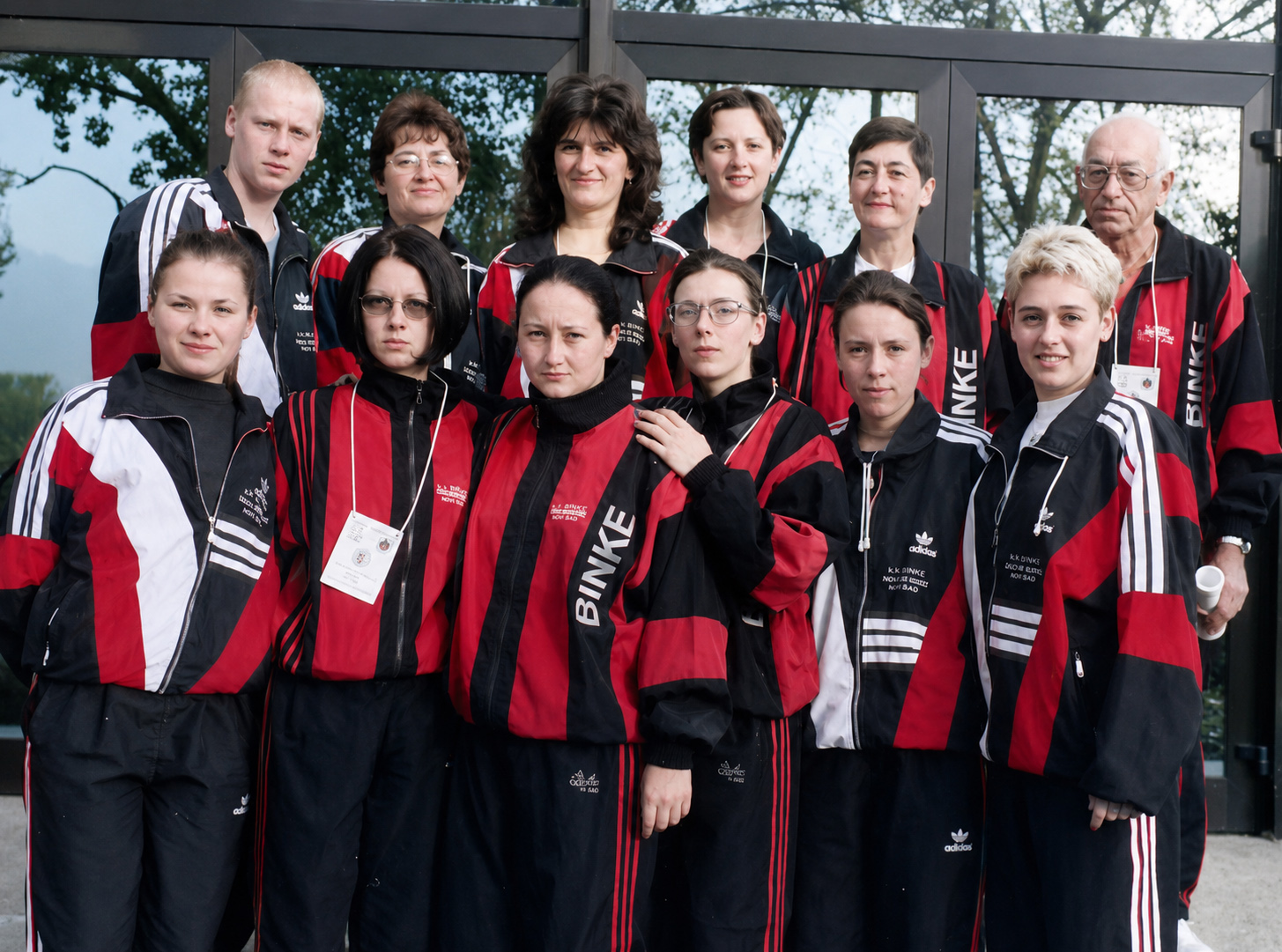
The afternoon session of the competition brought a series of exciting races that delighted the audience at the Novi Bečej pool. The greatest interest was sparked by the women’s events, where competitors showed remarkable determination and sporting spirit.
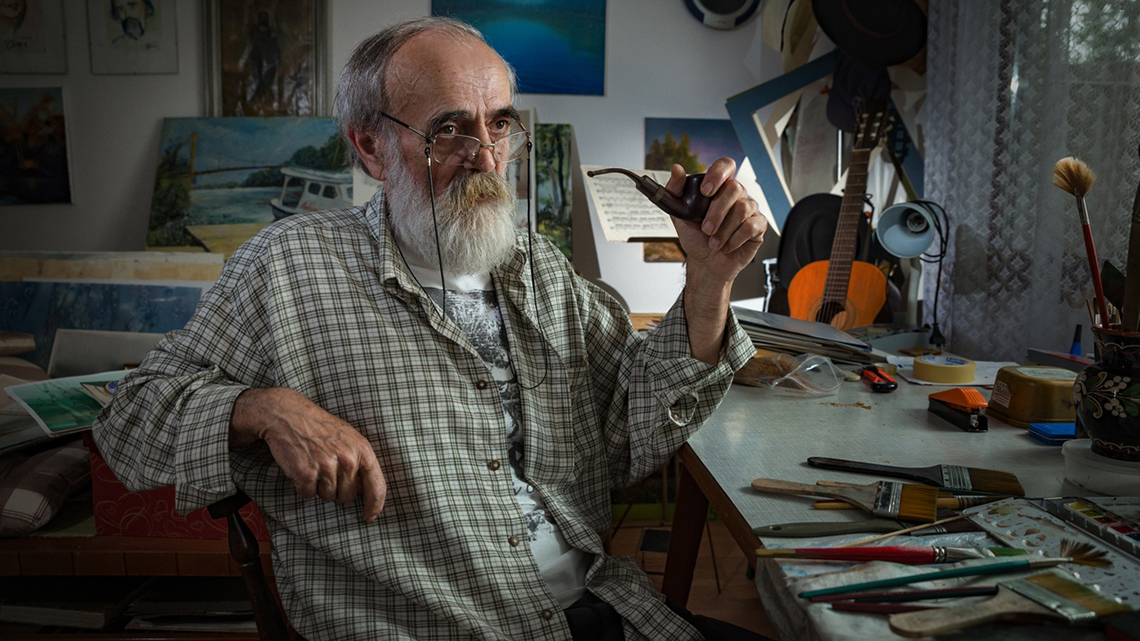
Milorad “Mića” Josimović (born in 1949) is a versatile artist and designer, a man whose creativity and craftsmanship have left a lasting mark on the artistic life of Novi Bečej and beyond.
Béla Farkaš belonged to the generation of footballers who matured during the difficult years of the Second World War, yet through his talent and character he left a lasting mark on the history of football in Novi Bečej. He inherited his footballing ability from his father Géza Farkaš, a distinguished pre-war player of Građanski, but Béla’s natural gift and football intelligence placed him among the most promising players of his generation.
Mihalj Mesaroš was born in Novi Bečej in 1935, in an era when dreams were shaped on dusty football pitches and the game itself was played more with the heart than for reward. His first steps toward the wider world were taken in Zrenjanin, from where, at only eighteen years of age, his exceptional talent carried him further than he could have imagined — straight into the ranks of FK Partizan.
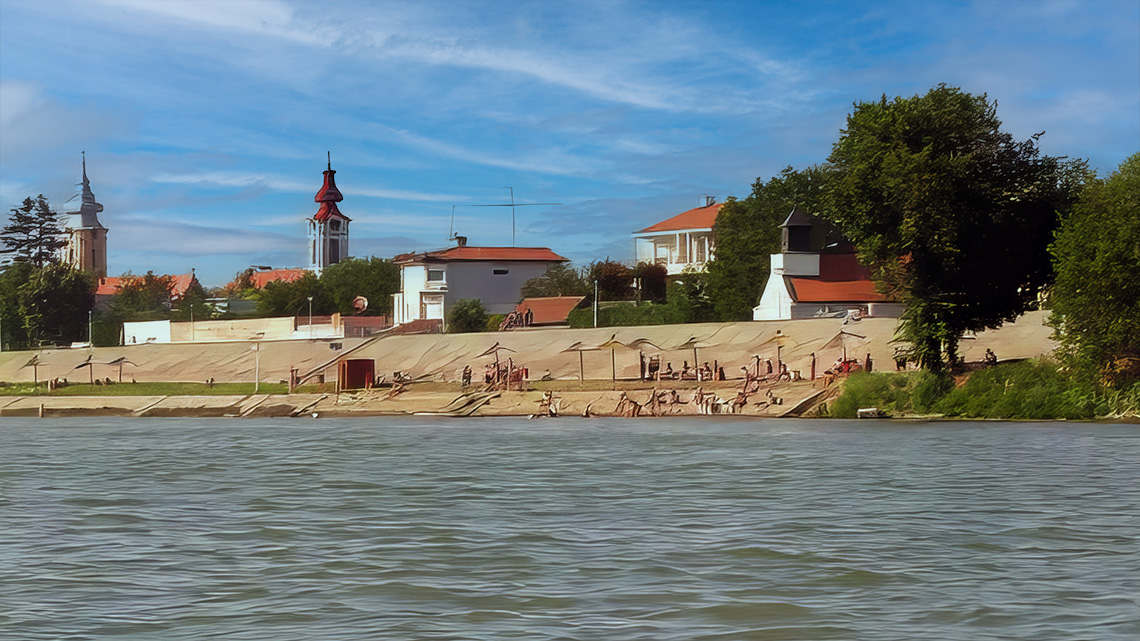
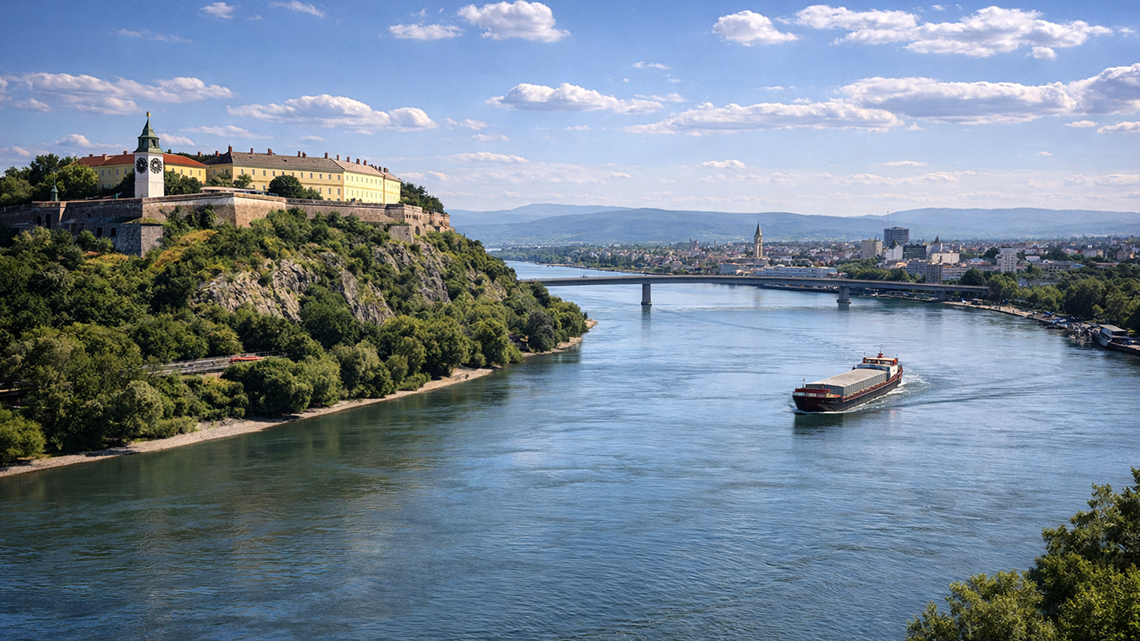
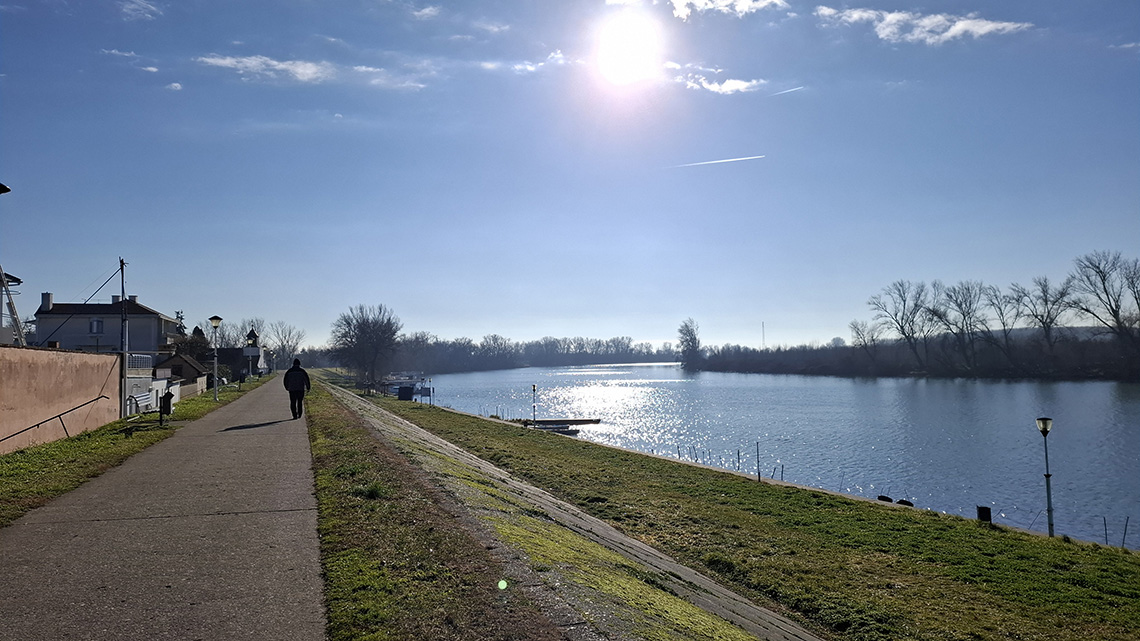
The Tisa is a major international river and the largest tributary of the Danube, flowing through four countries. Its total length is 966 km, with 164 km passing through Serbia. The river originates in the Carpathians at an altitude of 1,800 meters, but after 266 km of its upper course, near the mouth of the Samoš, it descends to just above 200 meters, gradually sloping to its confluence with the Danube.
"The Formation, Development, and Destruction of the Jewish Community in Novi Bečej" is the title of an extensive work created through the years of effort by Branislav-Bata Kiselički. As he explains in the introductory notes, the author approached this monumental task due to his sense of duty and obligation to his Jewish friends from his youth, and later to their fellow countrymen who lived in Novi Bečej in the near and distant past.
Sara, not only as a teacher but also as a homemaker, was an exceptionally hardworking woman. I had the privilege of hearing this from my sister, who was one of her students in elementary school. Their home was always tidy, and the preserves Sara made were always top-quality. In this regard, she was a role model to many.
Sava Baračkov was born in 1929 in Kumane, Banat, where he completed elementary school. He attended construction and architectural secondary schools in Novi Bečej, Petrovgrad, and Novi Sad. In 1955, he graduated from the Department of Scenography at the Academy of Applied Arts in Belgrade, under the mentorship of Professor Milenko Šerban.
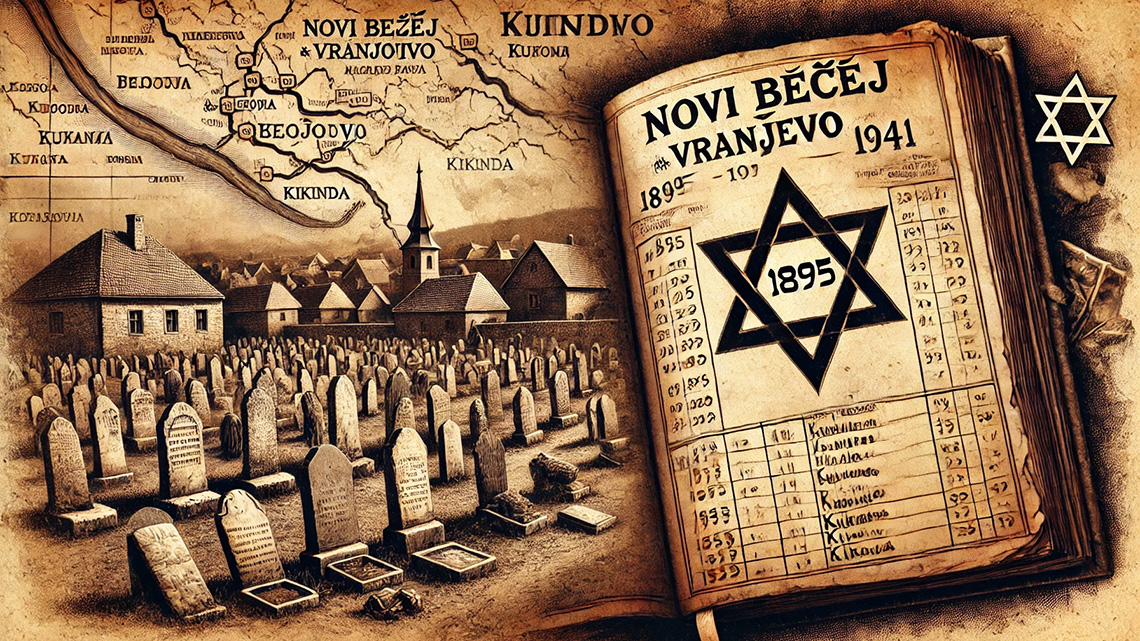
Since we do not have direct and reliable data on when and how the Jewish communities in Novi Bečej and Vranjevo were formed, we will use data from municipal registers of these municipalities for the period from 1895 to 1941, as well as from school registers of primary schools for the period from 1888 to 1941.
Stevan Davidović was born on October 6, 1949, in Novi Bečej. He completed his primary and secondary education in his hometown, where he also graduated from the local Grammar School. He went on to earn a degree from the Higher Pedagogical School in Zrenjanin, majoring in Serbo-Croatian language and the history of Yugoslav literatures.
In the northern Banat region, which includes the municipality of Novi Bečej, an organizational unit has existed since 1973 under the Water Management Organization “Gornji Banat” in Kikinda, addressing issues related to the Core Canal Network (CCN).
The two-story building of the former Tursko-Bečejska Savings Bank is located at 3 Marshal Tito Street, extending from the Schlesinger Palace, at the corner with Gimnazijska Street. According to documentation from the Institute for the Protection of Cultural Monuments in Zrenjanin, written by art historian Vesna Majstorović, the following details about the building are known:
Folk songs like "Hey homesteads, I will come to you again..." or "Hey homesteads in the north of Bačka," with their exceptional melody and perhaps perfectly chosen words, awaken a longing for homesteads even in those who have never experienced their charms in reality.
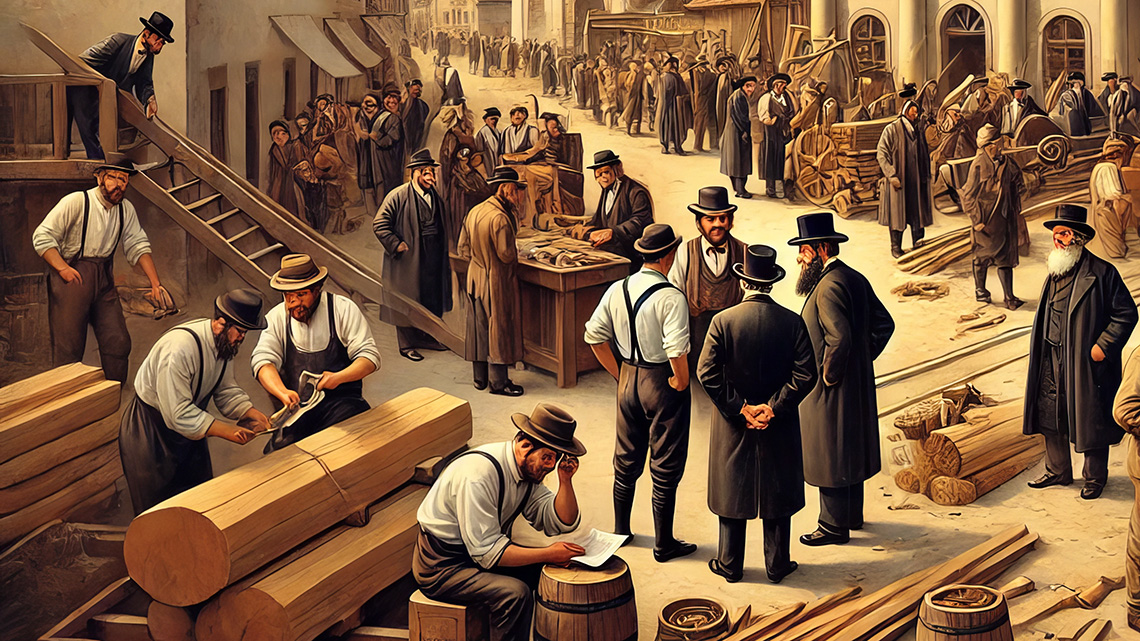
The new government of the Kingdom of SHS brought significant social changes, but the foundation of economic development remained the same. Jews, whose lives were mostly tied to the economy, adapted quickly to the new order. Although the vast majority considered Hungarian their mother tongue and almost felt like Hungarians, they did not find it necessary to change their environment.
During 1927 and 1928, the Local Party Committee in Kumane developed extensive political activity not only within the village itself but also by assisting Party organizations in neighboring communities, including Zrenjanin, Velike Livade, Novi Bečej, and Melenci. During election campaigns, it helped organize political gatherings and distribute propaganda materials.
After the Obznana proclamation of 1920, the authorities banned the activities of SKOJ, the revolutionary youth organization of the working class, which also gathered a significant number of rural young people. Despite frequent police raids and arrests, the organization was re-established in Kuman in 1923 and continued to operate illegally until the dictatorship of 1929.
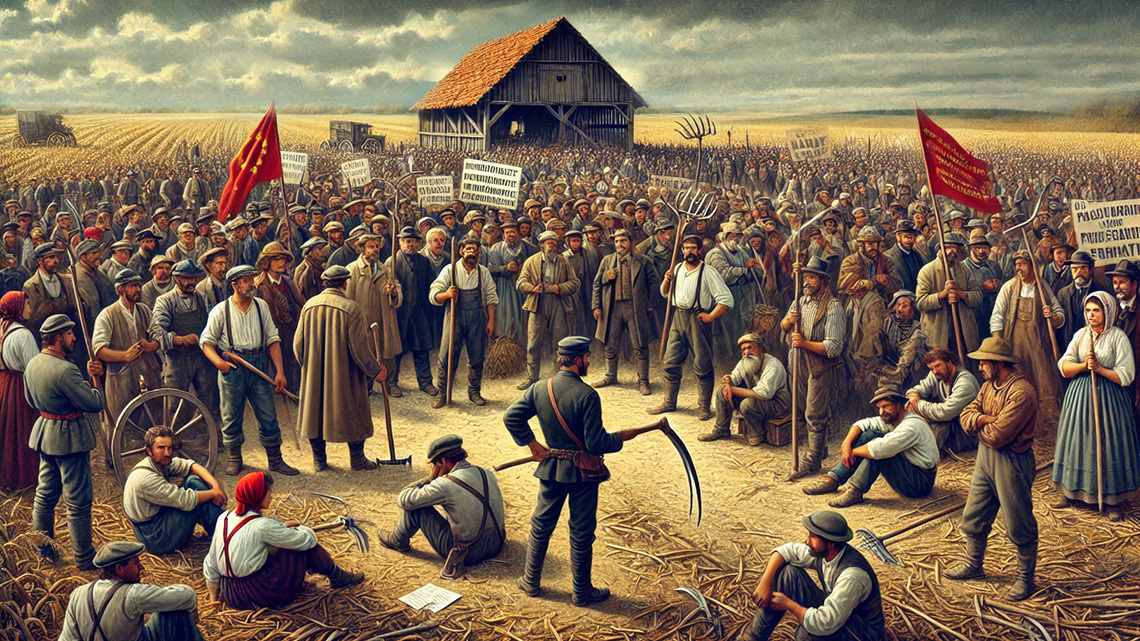
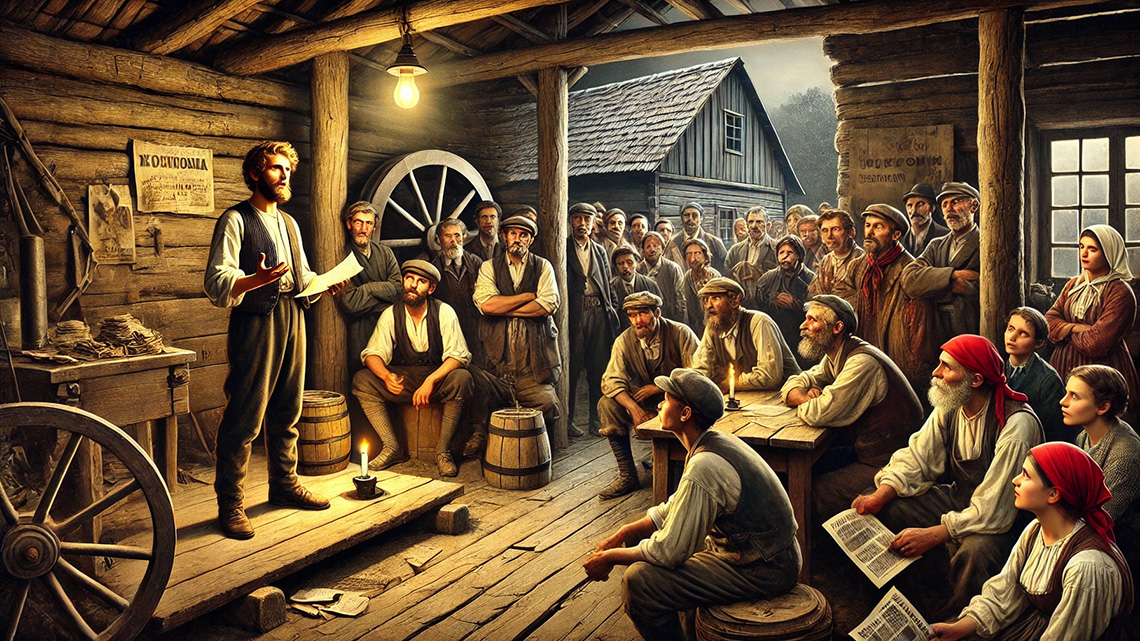
The first organization of agricultural workers in Kumane was founded in the late 19th century. According to the memories of the oldest residents of Kumane, its first leader was a young wheelwright, Rada Sokolović, who was expelled from Pakrac as a well-known agitator of socialist ideas.
The medieval settlement of Arača is located on the southern shore of Crna Bara, a watercourse within the alluvial plain of the Tisza River, about 13 kilometers east of its riverbed. The name of this settlement, also referred to in sources as Potiska Arača, is associated with the ruins of a basilica and monastery.
The competition began in the morning at 10 o’clock with a ceremonial parade of all participants in front of the stands by the Tisa River, which were filled to the last seat. After the presentation of plaques and commemorative awards, the start of the event was officially announced. The jury consisted of the leader of the Belgrade club Bob, Đorđe Paljić, and the event organizers Brana Kiselički and Vasa Nićin.
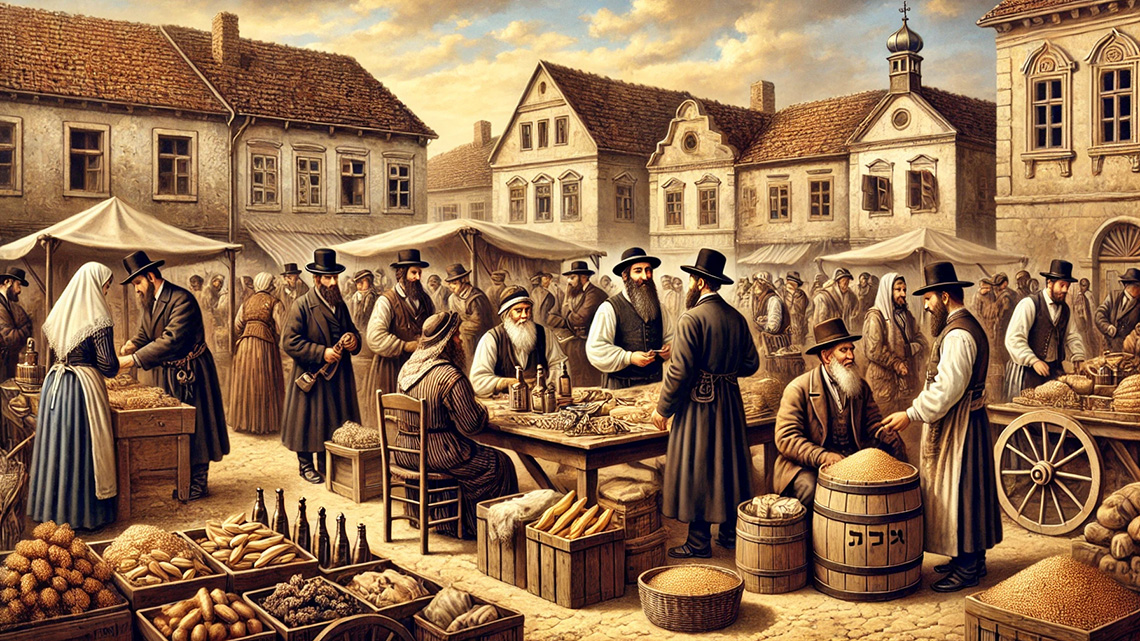
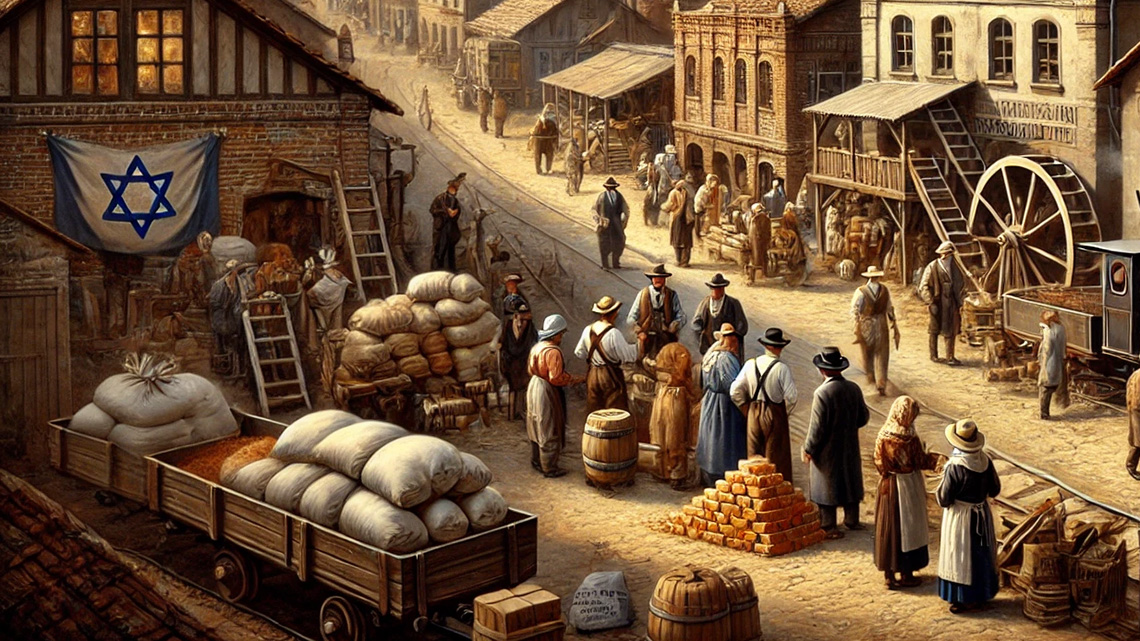
Novi Bečej, along with Vranjevo, was a prominent trading center during the era of the Great Kikinda District, particularly known for its grain export trade in the late 18th and early 19th centuries.
Although I lived with my parents on a farm near Novi Bečej, on the road to Kumane, all my close friends during those childhood years were from Vranjevo. Thanks to their stories, I fell in love with certain parts, or rather places, of the Vranjevo field more than with those of Novi Bečej, and I was eager to get to know them better.
At the same time, from the synagogue in Novi Bečej, young Jewish anti-fascists were deported to a special prison near the District Court in Veliki Bečkerek. Among them were Đerđ “Đurika” Šlezinger, Herman Bergl, Ištvan “Pišta” Šlezinger, and Margita “Dunda” Huven. They never returned—on July 31, 1941, they were executed as part of the first large group of 90 hostages from across Banat.
Until 1978, there was only one water management organization operating in this region — the Water Management Organization "Gornji Banat," headquartered in Kikinda. After 1978, a new organization was established: the Water Management Organization "Basic Canal Network" (OKM), based in Novi Sad.
Dr Ljubomir Pavlović was born in Novi Bečej on June 18, 1868, into the family of Nikita Pavlović, a gingerbread maker, and his wife Marica. He received his elementary education in his hometown and completed his secondary education in Sremski Karlovci and Hódmezővásárhely. He studied medicine in Vienna and Budapest, graduating in 1892.
Our prominent writer, Isidora Sekulić, says about the homeland: “Where is the homeland for people? It’s where others around them understand, completely and deeply, what they say, from the last external and internal tremor of their language, they understand what delights them and what hurts them.
The renowned artist and painter Tibor Nađ was born in Novi Bečej on March 23, 1952. He completed his primary education in his hometown and later graduated from the Bogdan Šuput School of Design in Novi Sad, majoring in Interior and Furniture Design.
In early 1992, following the adoption of the Serbian Water Law, three public water management companies were established across the territory of Republic of Serbia, covering the entire country. These companies are:
May 31 – June 3, 2000 Open Solo Singing Competition
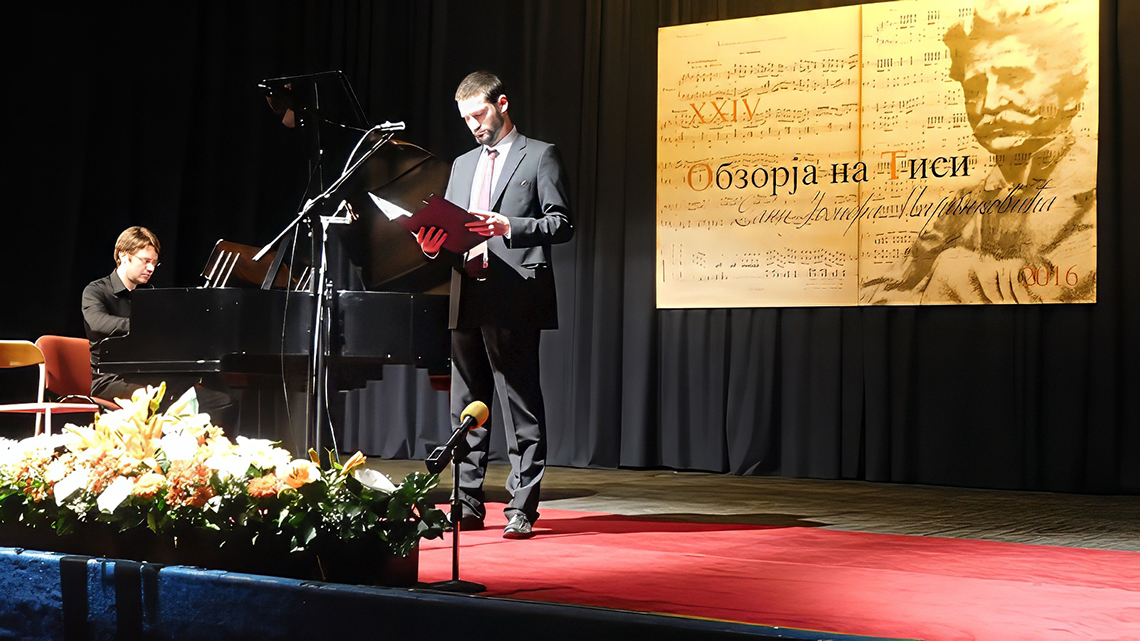
What could not take place in 1999 due to the NATO bombing of the Federal Republic of Yugoslavia — the Open Solo Singing Competition — was successfully held one year later, at the 8th “Horizons on the Tisa,” from May 31 to June 3, 2000.
Perhaps the relation between the idea and its conventional realization in traditional painting techniques, as well as the relation between such an image and its photocopy (which contains additions from photographs and objects), can be measured—perhaps even considered identical.
Bela Mičik was born in Novi Bečej in 1970 and is today recognized as one of the finest citera (zither) players in Vojvodina. A versatile musician, he plays as many as fourteen instruments, with a special affection for traditional Hungarian ones — the citera and the tekerő (hurdy-gurdy).