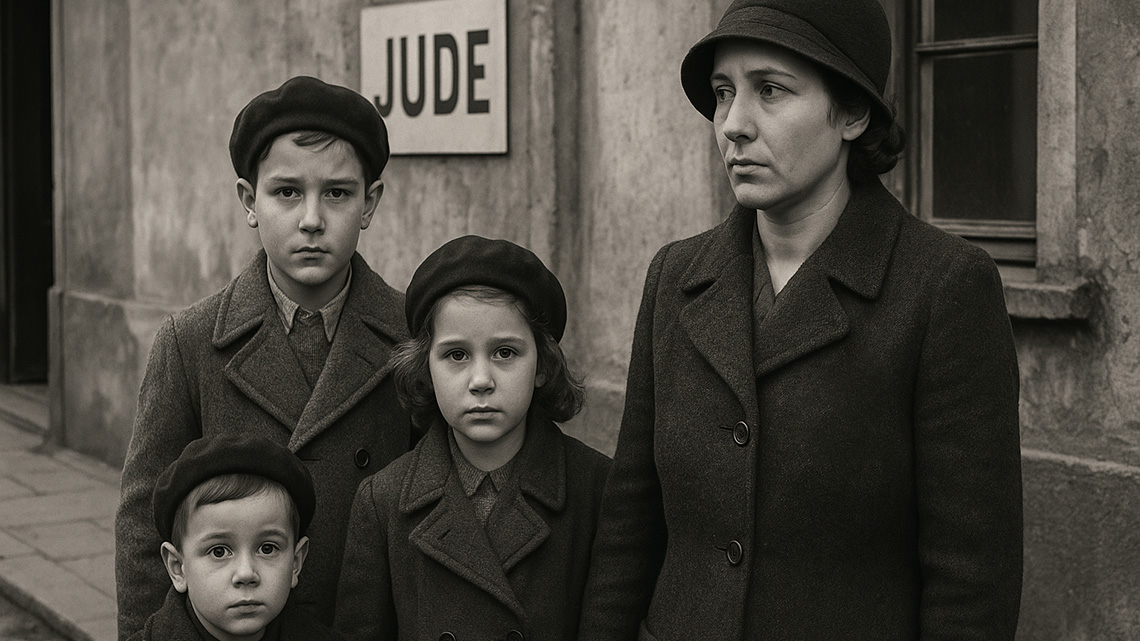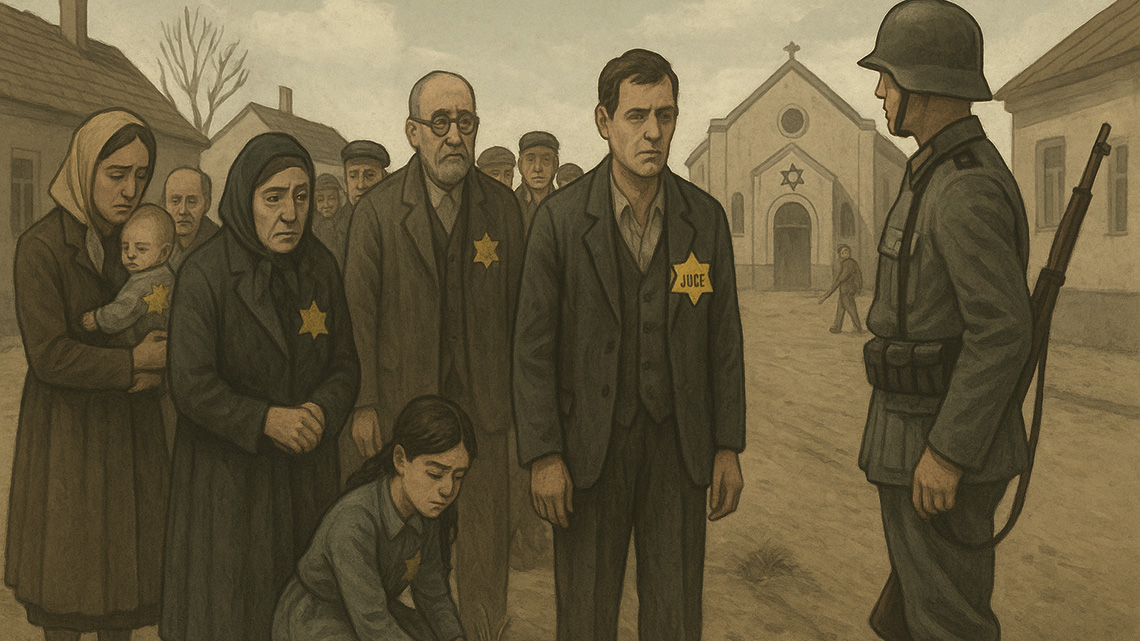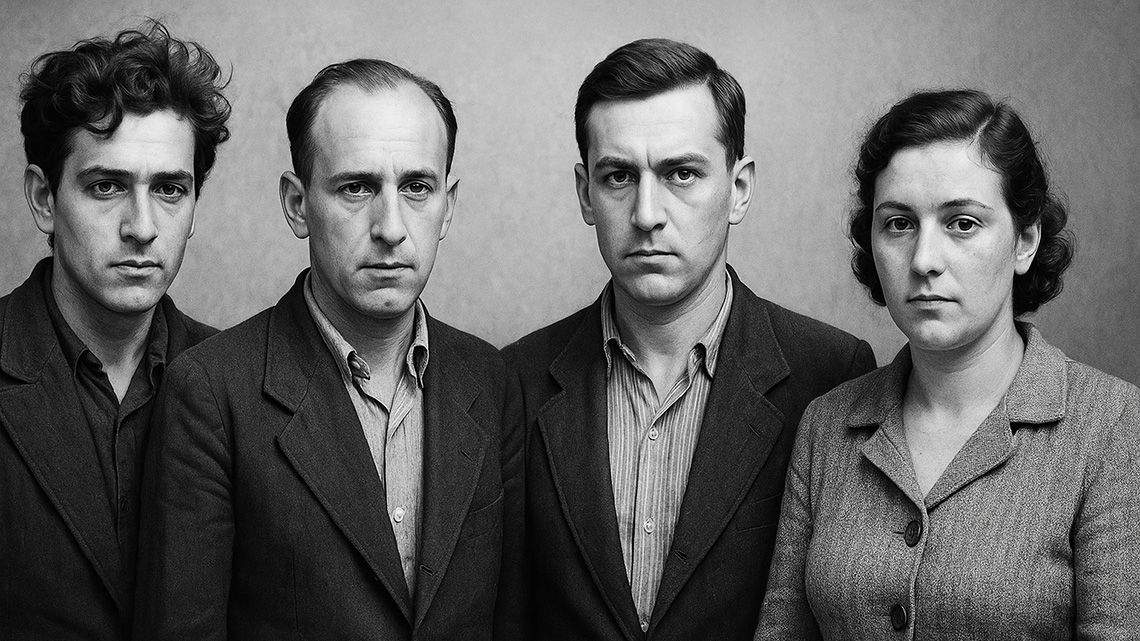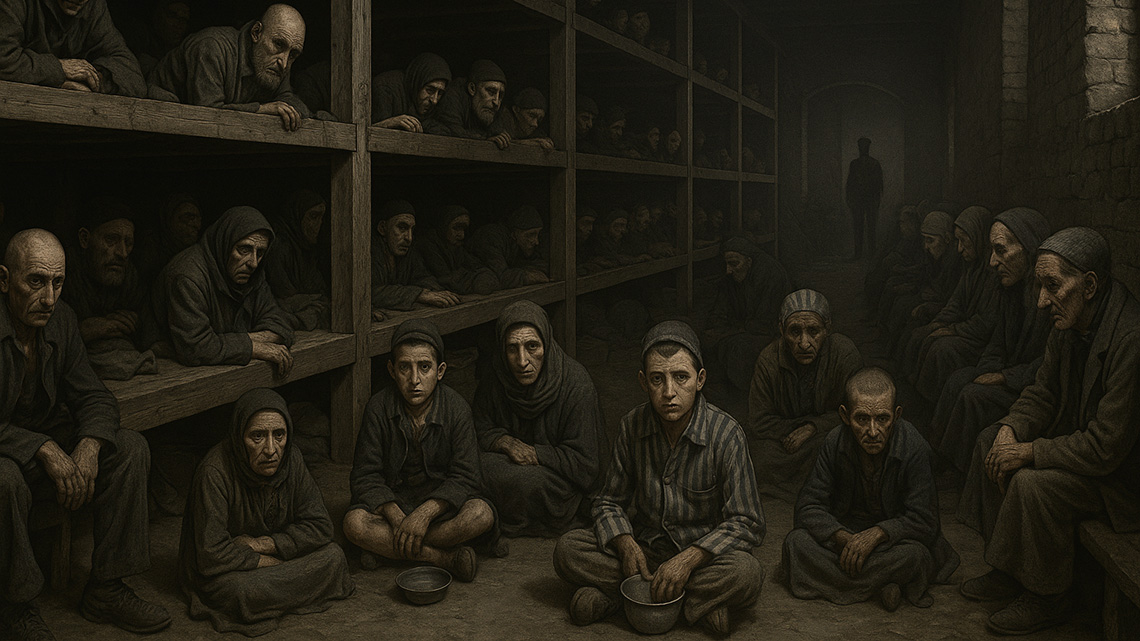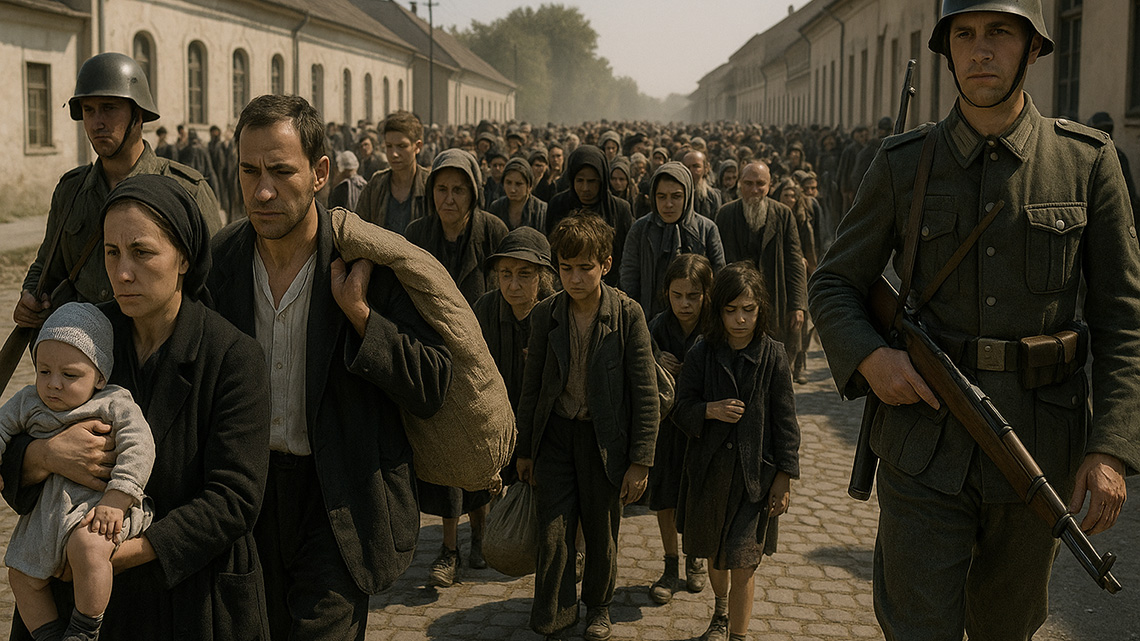

Fifty years ago, Novi Bečej was the site of one of the terrible crimes of World War II. After five months of imprisonment, the Jewish community, which had existed in our town for more than one hundred and fifty years, disappeared in a single day and forever. Generations after the war could neither learn about nor experience the presence of these people, who were extremely important for the economic and cultural development of our community.
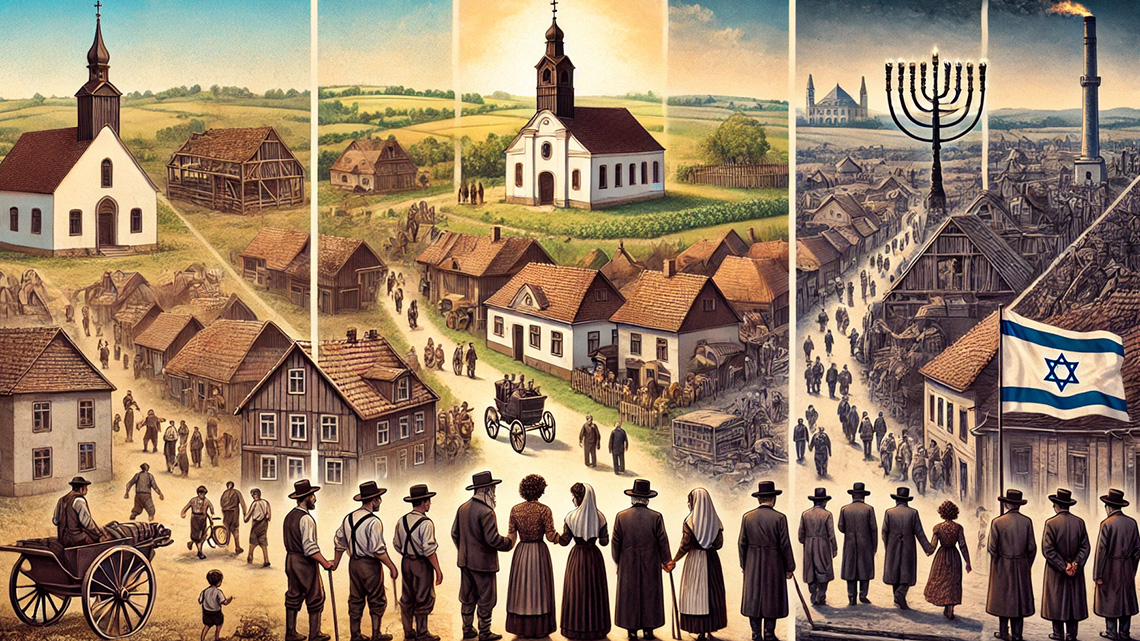
Explore the tragic history of the Jewish community in Novi Bečej, from prosperity to genocide. This detailed work by Branislav-Bata Kiselički covers the community's rise, struggles, and ultimate destruction during WWII, preserving their memory for future generations.
Share this page on social media
"The Formation, Development, and Destruction of the Jewish Community in Novi Bečej" is the title of an extensive work created through the years of effort by Branislav-Bata Kiselički. As he explains in the introductory notes, the author approached this monumental task due to his sense of duty and obligation to his Jewish friends from his youth, and later to their fellow countrymen who lived in Novi Bečej in the near and distant past.
Jewish Settlement in Banat: Process, Obstacles, and Community Development in Novi Bečej and Vranjevo
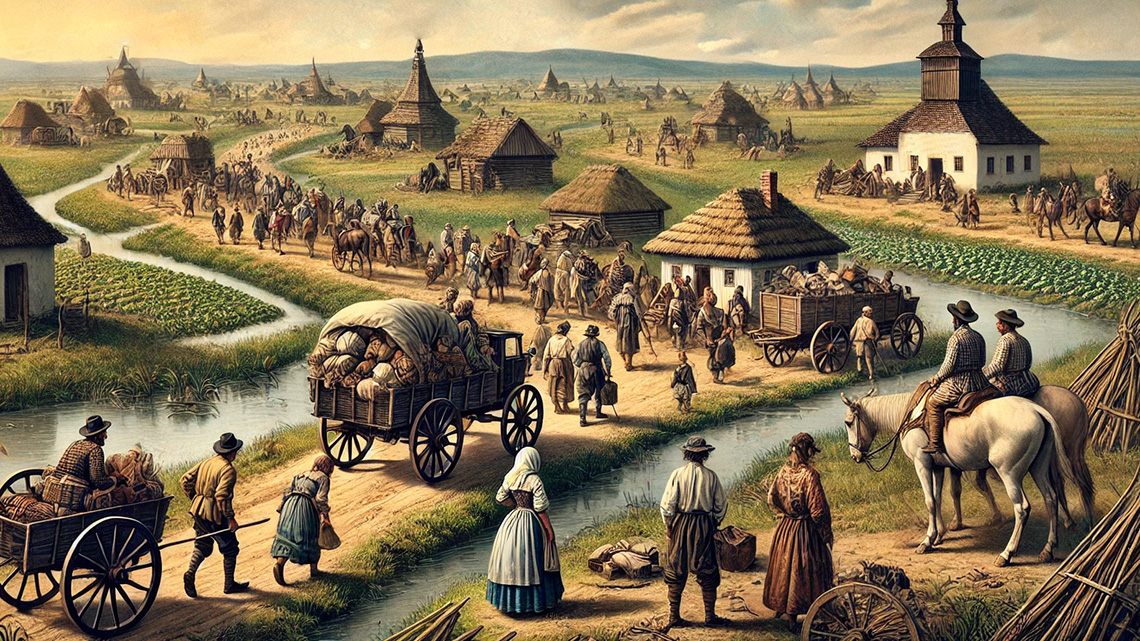
Banat, a vast and fertile plain, but densely dotted with swamps and river branches, became a hub of migration for various peoples in the second half of the 18th century. The indigenous peoples, Serbs and Hungarians, were greatly reduced after the Austro-Turkish wars and the plague epidemics, and the vast areas were empty.
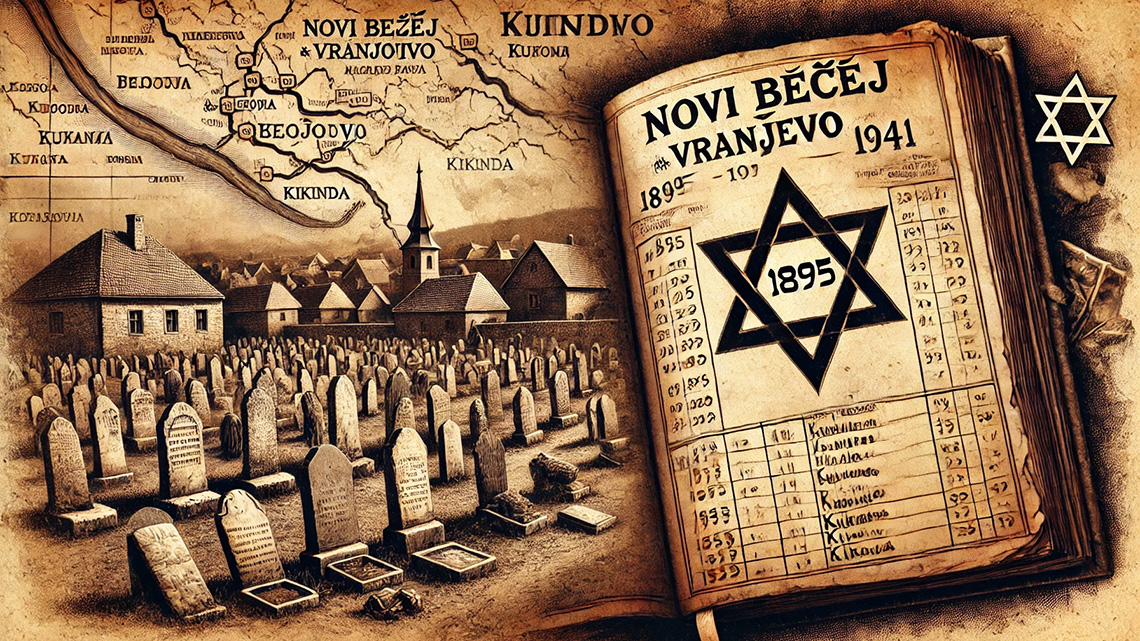
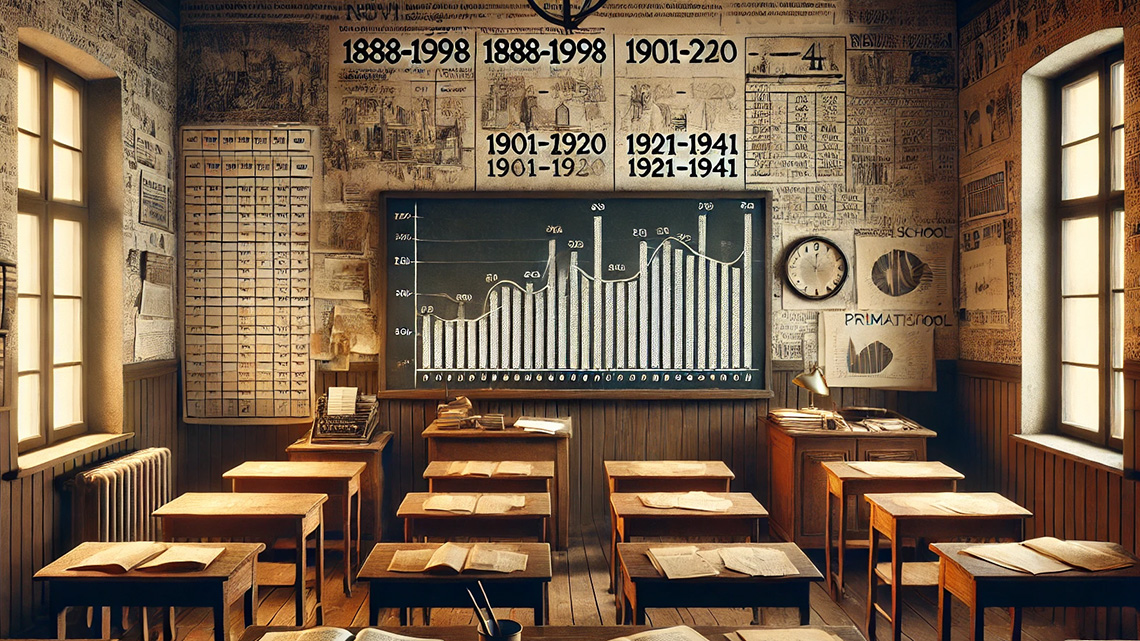
Since we do not have direct and reliable data on when and how the Jewish communities in Novi Bečej and Vranjevo were formed, we will use data from municipal registers of these municipalities for the period from 1895 to 1941, as well as from school registers of primary schools for the period from 1888 to 1941.
Data from the primary school registers of Novi Bečej and Vranjevo will serve as indicators of demographic trends within the Jewish community in our town. For clarity, our observations and analysis will be divided into three periods:
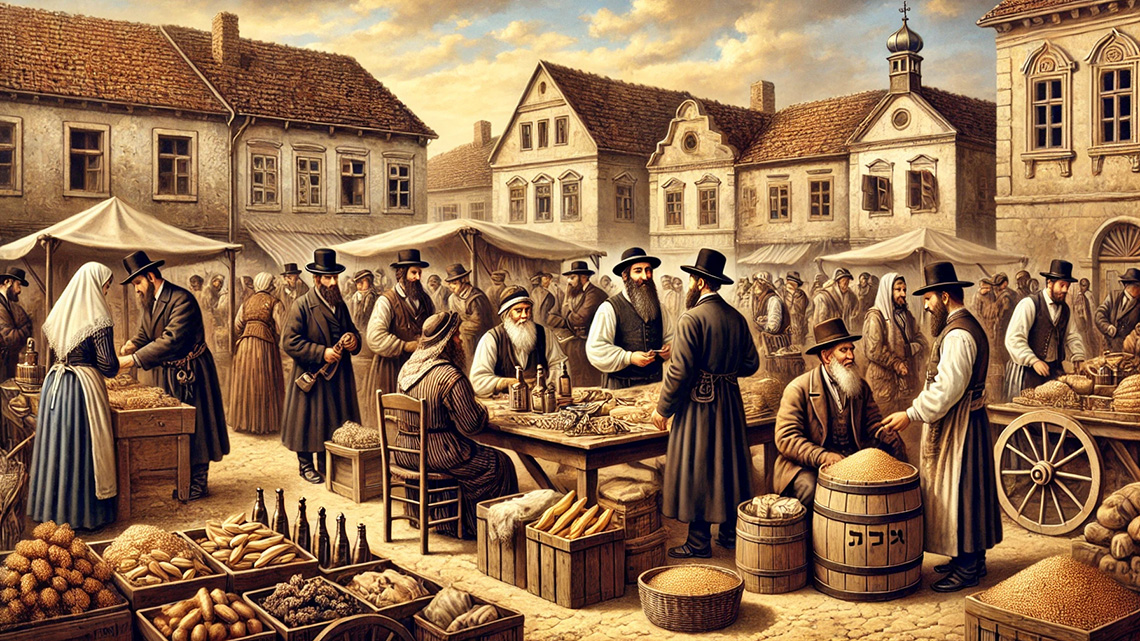
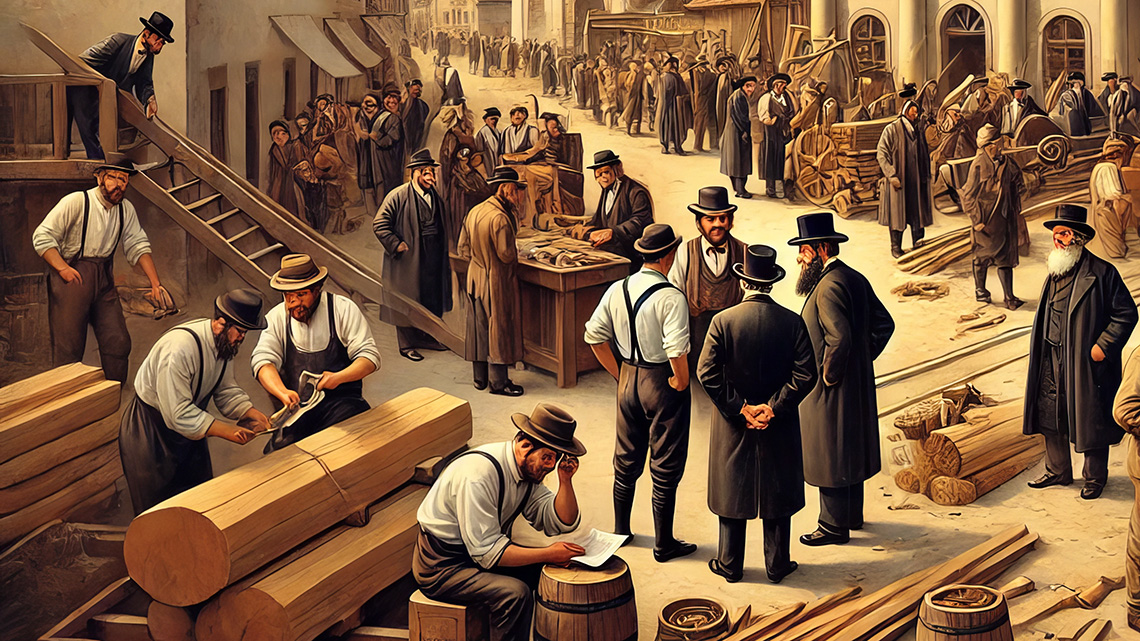
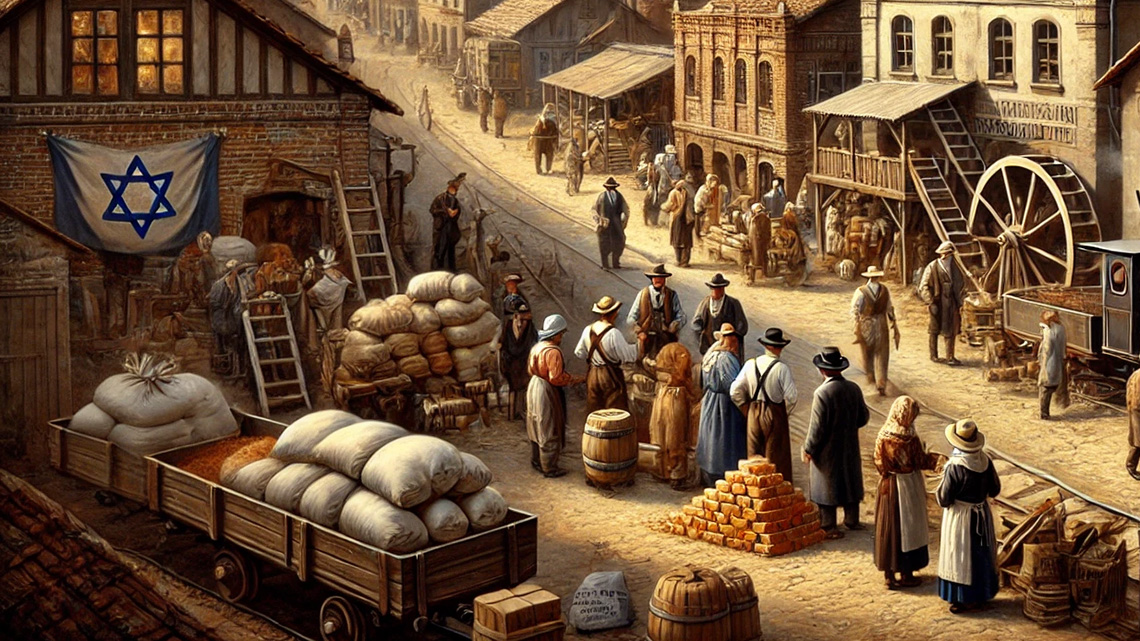
Novi Bečej, along with Vranjevo, was a prominent trading center during the era of the Great Kikinda District, particularly known for its grain export trade in the late 18th and early 19th centuries.
We have no data on how the social life of Jews in Novi Bečej and Vranjevo was organized. However, there remains a general impression among those who remembered that time that the main strength that united them was their religious community, which followed the development of the community and sought to organize assistance whenever a family faced difficulties.
The general characteristic of this era was the strong development of industrialization, modernization of transportation, with a marked preference for railroads. Novi Bečej, in such conditions, had nothing to offer. In fact, it lost its previous advantage, and this was the cause of its increasing lag behind Veliki Bečkerek and Velika Kikinda, which gained new momentum.
The new government of the Kingdom of SHS brought significant social changes, but the foundation of economic development remained the same. Jews, whose lives were mostly tied to the economy, adapted quickly to the new order. Although the vast majority considered Hungarian their mother tongue and almost felt like Hungarians, they did not find it necessary to change their environment.
In the years leading up to World War II, the Jewish community of Novi Bečej lived much like the rest of the town’s population. They did not perceive the rise of fascist movements across Europe as an immediate threat to their survival, believing that, if war broke out, they would manage like everyone else. This belief was perhaps reinforced by the fact that there were very few ethnic Germans in Novi Bečej, and anti-Semitism was not openly felt.
The only prominent Jew from Novi Bečej who was not arrested at the time was Dr. Dezider Kanic, a lawyer. He made direct contact with the military commander of the town and, proving that he had served as a German "Uhlan" officer, managed to obtain permission to move to Hungary (see the testimony of Dr. Viktor Jordanić).
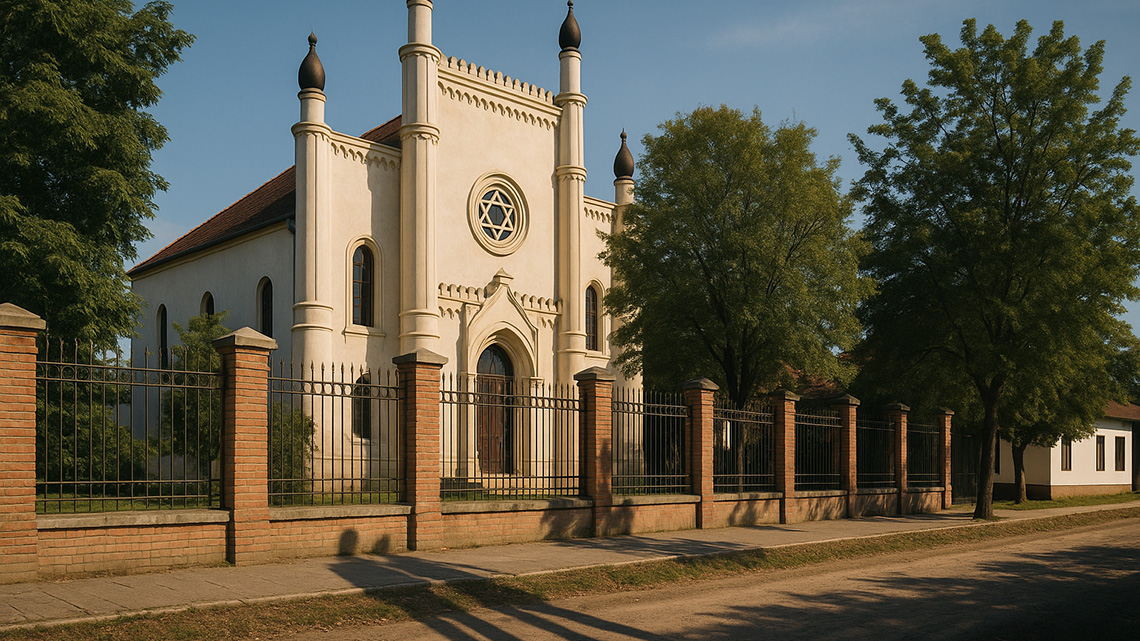
At the same time, from the synagogue in Novi Bečej, young Jewish anti-fascists were deported to a special prison near the District Court in Veliki Bečkerek. Among them were Đerđ “Đurika” Šlezinger, Herman Bergl, Ištvan “Pišta” Šlezinger, and Margita “Dunda” Huven. They never returned—on July 31, 1941, they were executed as part of the first large group of 90 hostages from across Banat.
The only available testimony describing the living conditions in the Novi Bečej concentration camp comes from Tihomir Ungar from Novi Sad. At the time, he was a child imprisoned in the camp along with his entire family, who had been brought from Novi Kneževac to the temporary holding facility in Novi Bečej, where they awaited deportation.
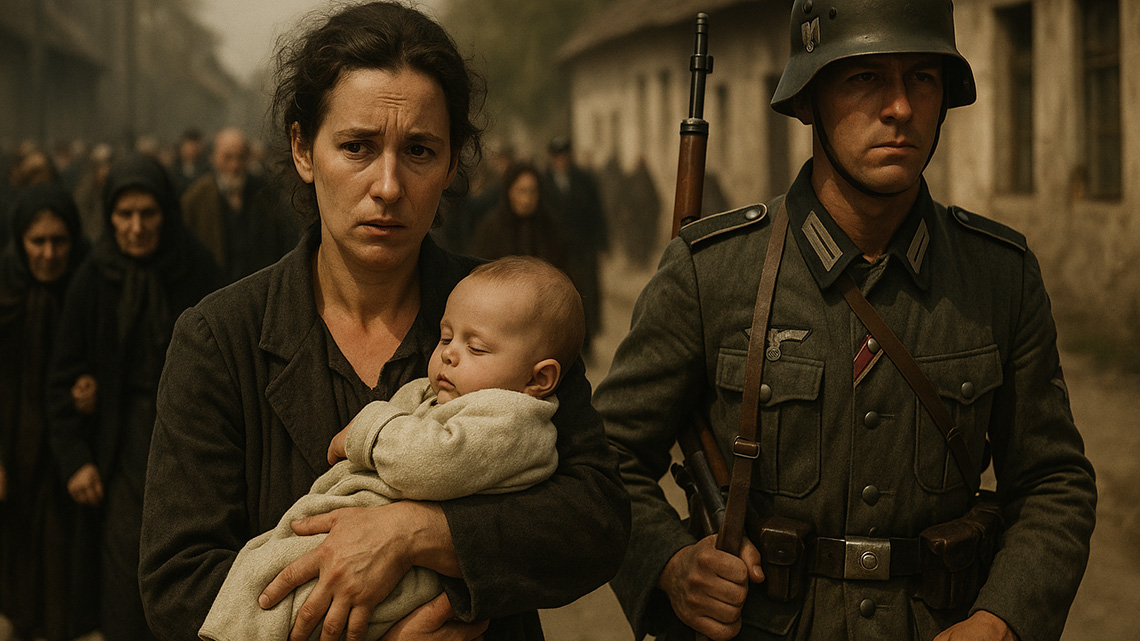
Among the many tragic memories from the time of the Jewish deportations in Novi Bečej, one account stands out. Senji Maćaš recalled how Gabriela, the wife of merchant Adolf Berger, carrying her infant son Ladislav—born on January 19, 1941—managed to bribe a guard and escape through a prepared route into Bačka.
One account states that, during a brief period of partial freedom, some wealthier Jews from Novi Bečej managed to escape by bribing German soldiers—often drivers—and fleeing beyond the borders of Serbia. There is also a theory, based on unconfirmed information, that Verona, the daughter of Danijel Cigler, a timber merchant from Novi Bečej, managed to reach Romania thanks to her relationship with a German officer, and later emigrated to Israel after the war. However, this information was never officially confirmed.
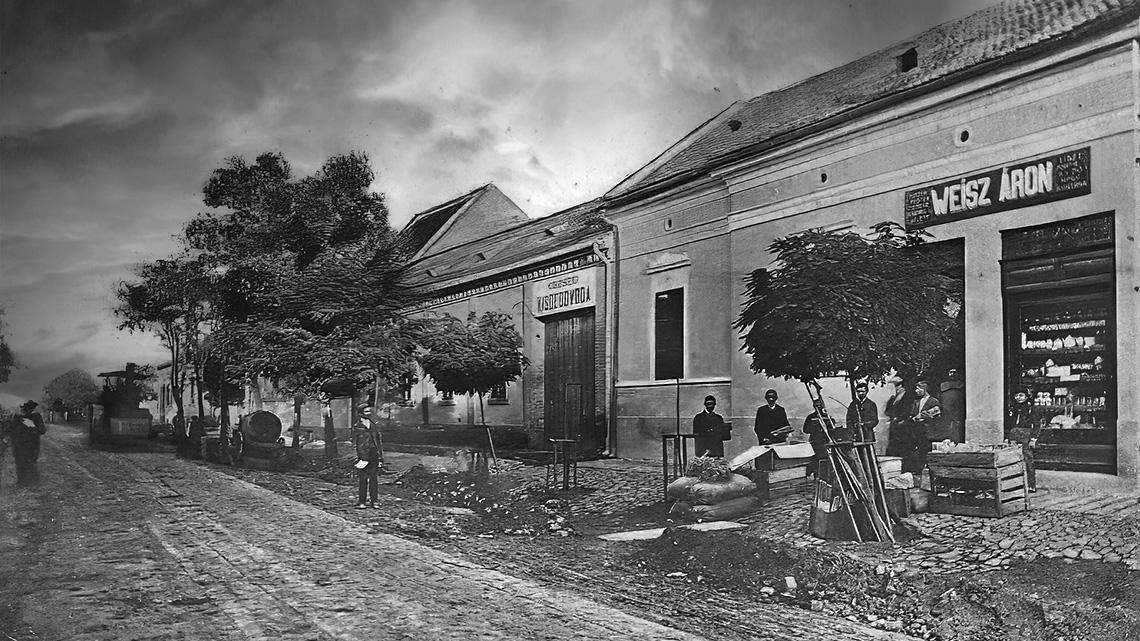
The Jewish community of Novi Bečej and Vranjevo had deep roots and played a significant role in the town’s economic, social, and cultural life between the two world wars.
They were merchants, doctors, craftsmen, clerks, and entrepreneurs — people who contributed to the growth of the community and whose homes and businesses were part of the daily life of Novi Bečej.