
The European Heritage Days are one of the most widely embraced events with the participation of the largest number of Europeans. The Council of Europe initiated the program in 1985, and in 1999, the European Commission joined, leading to the creation of this joint program that continues to this day. By bringing together over twenty million visitors each year, the European Heritage Days contribute year after year to the mutual understanding of the citizens of the old continent, fostering a better understanding of their own cultural and natural heritage, as well as acquainting them with the values and diversity of the heritage of other nations.
Municipality of Novi Bečej, heir of the Faro Convention
In the spirit of shared heritage: Exploration and preservation of the cultural heritage of the Municipality of Novi Bečej alongside the significance of European heritage. This section represents a thorough analysis of the cultural treasures that adorn our municipality, while emphasizing its connection to the broader European context. Discover the rich tradition, architectural beauty, and cultural events that shape the identity of our community as we explore how heritage and innovation can together enrich our future. Through diverse texts, we delve into not only the wealth of heritage surrounding us but also the ways in which we preserve, revitalize, and share it with the world, bridging the past, present, and future.
Share this page on social media
This year, the Days of European Heritage are celebrated under the auspices of the Ministry of Culture and Information in the Government of the Republic of Serbia, for the fifteenth, jubilee time. The common theme of the event at the European level, chosen by the Council of Europe, "Cultural Heritage and Communities - Living with Heritage," is based on the principles of the Council of Europe Framework Convention on the Value of Cultural Heritage for Society, known as the Faro Convention, adopted in 2005 with the aim of achieving greater unity among the member states of the Council of Europe in the preservation and enhancement of the concept of cultural heritage.
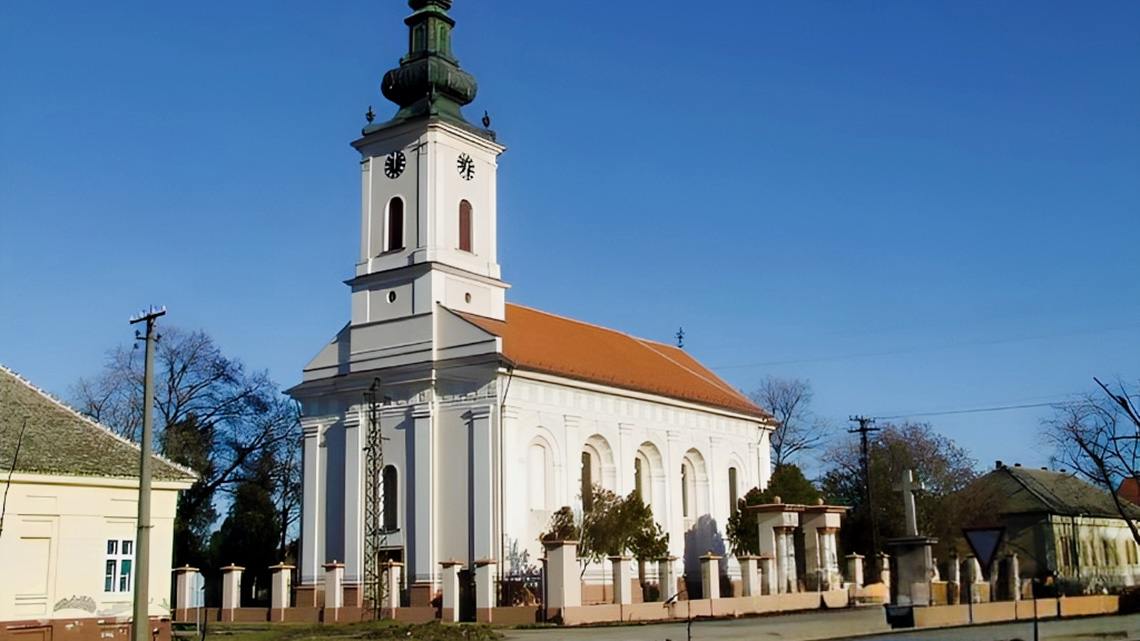
The architectural heritage of the Novi Bečej Municipality is diverse in typology, covering the period from the late 18th century to the emergence of modernism in architecture. In addition to ambient complexes, there are individual objects of religious and civil architecture, ethnological, as well as objects of industrial, technical, and hydraulic culture. The majority of individual objects, mostly religious ones, are categorized as cultural monuments of great significance, with the most important cultural monument being the medieval church of Arača, which has been designated as a cultural asset of exceptional importance to the Republic of Serbia.
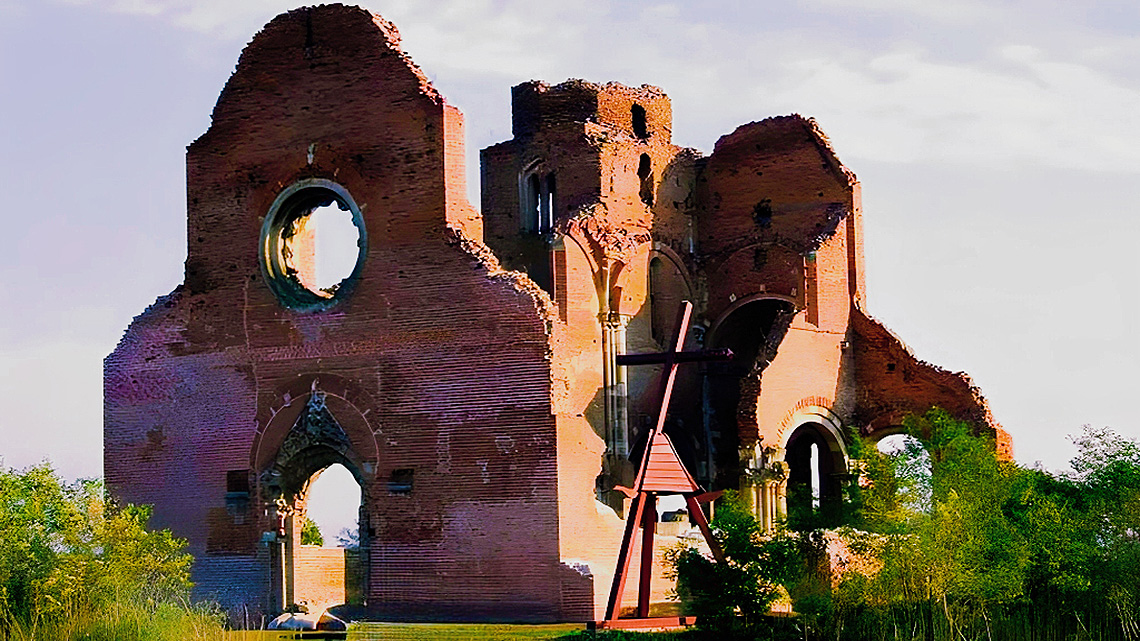
The most significant cultural monument in the territory of the Municipality of Novi Bečej is the Arača Basilica, a cultural asset of exceptional importance for the Republic of Serbia, and of special significance for the Hungarian national minority.
Considering the significance and values of the Arača church, as well as the ancient settlement whose remains have been confirmed by archaeological research, the issue of site presentation is very significant and demanding. The realization of the project requires a multidisciplinary team and a longer time period.
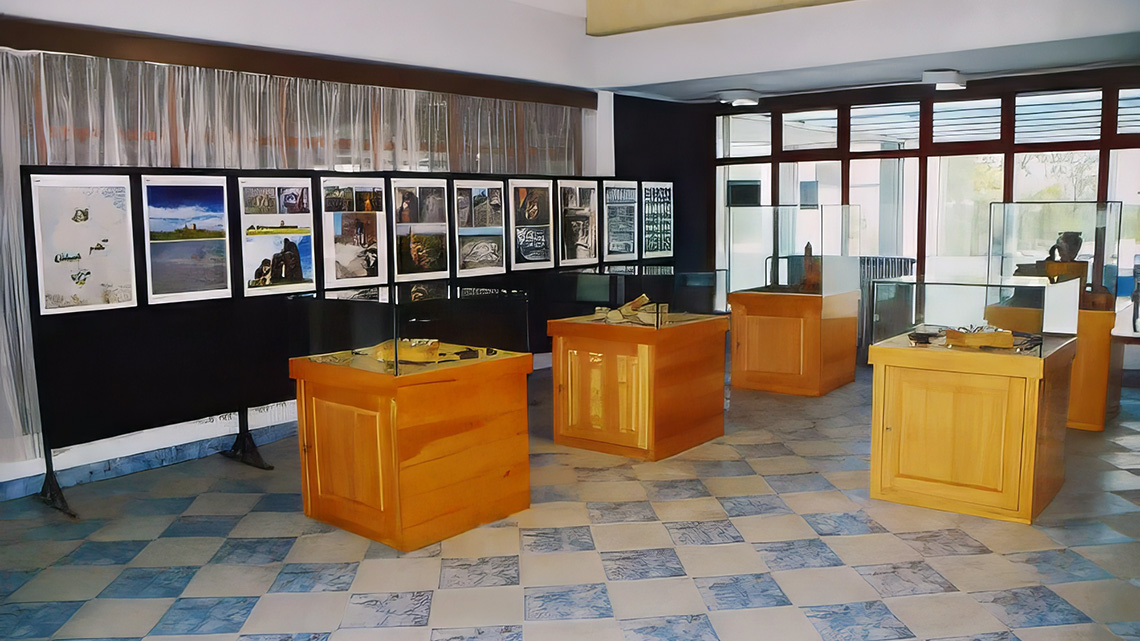
At the beginning of the 21st century, the Municipality of Novi Bečej managed to establish three exhibition spaces with museum collections and thematic displays. All three collections are alive, receiving thousands of visitors, continuously enriched with exhibits, and possess all the characteristics of museums. However, the collections are not registered, they are managed by individuals without museum education, but with the passion of amateur curators, caretakers, and guides who volunteer out of great love.
With its number of protected cultural heritage sites, the Municipality of Novi Bečej ranks among the top municipalities in the Central Banat region. Since its establishment in 2004, the Institute for the Protection of Cultural Monuments in Zrenjanin has been involved in the evaluation, protection, and presentation of the rich architectural heritage of this municipality, which includes not only Novi Bečej but also Kumane, Novo Miloševo, and Bočar. These activities have been successful due to the support and cooperation of local government authorities, the broader community, and significant contributions from individuals.
In early 2014, the Institute for the Protection of Cultural Monuments in Zrenjanin completed the drafting of a Proposal for the Decision on the determination of the ambient unit of the old center of Vranjevo as the Spatial Cultural-Historical Entity "Old Center of Vranjevo" in Novi Bečej. After two years of research work on valorizing each individual object within the entity, defining its boundaries, as well as its protected surroundings, the Proposal for the Decision was sent in early 2014 to the Republic Institute for the Protection of Cultural Monuments in Belgrade for further processing. The act of declaring this entity a cultural asset is made by the Government of the Republic of Serbia.
At the end of 2014, the Institute for the Protection of Cultural Monuments in Zrenjanin began drafting a proposal for the Decision to establish the ambiental complex of the center of Novi Bečej as the Spatial Cultural-Historical Unit "Center of Novi Bečej." After conducting research to assess the value of each individual object within the complex, defining the boundaries of the complex and its protected surroundings, work on drafting the decision is in its final stages, pending technical attachments and necessary supporting documentation to undergo the legal procedure.
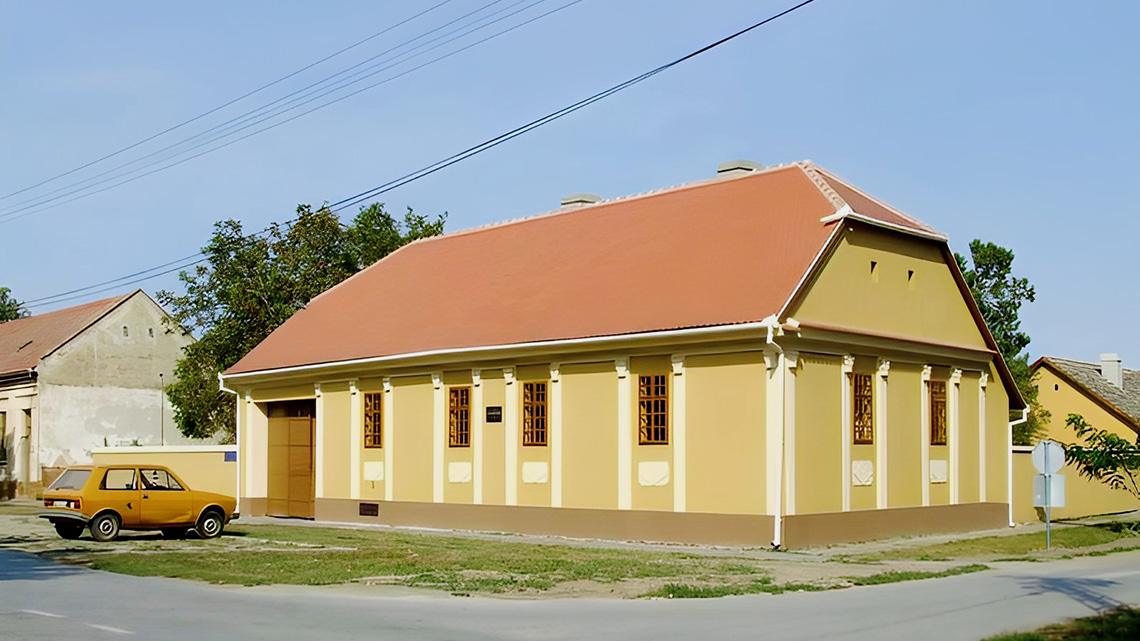
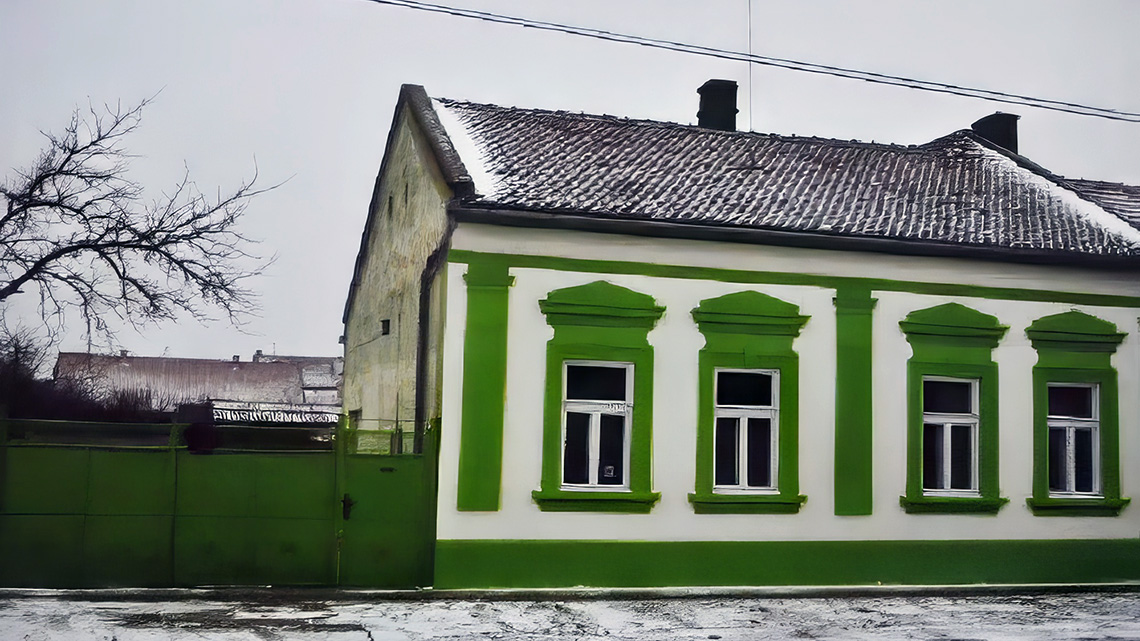
The Memorial Museum "Glavaš House" is situated in the old center of Vranjevo (today part of Novi Bečej). The building was erected in the early decades of the 19th century and belonged to the esteemed and wealthy Glavaš family. Vladimir Glavaš, a doctor of law, educated in Bratislava and Prague, bequeathed the house and other property to the Serbian Orthodox Church Parish of Vranjevo in 1907. The Municipality of Novi Bečej began renovating the building in 2006, and it is now home to the memorial museum.
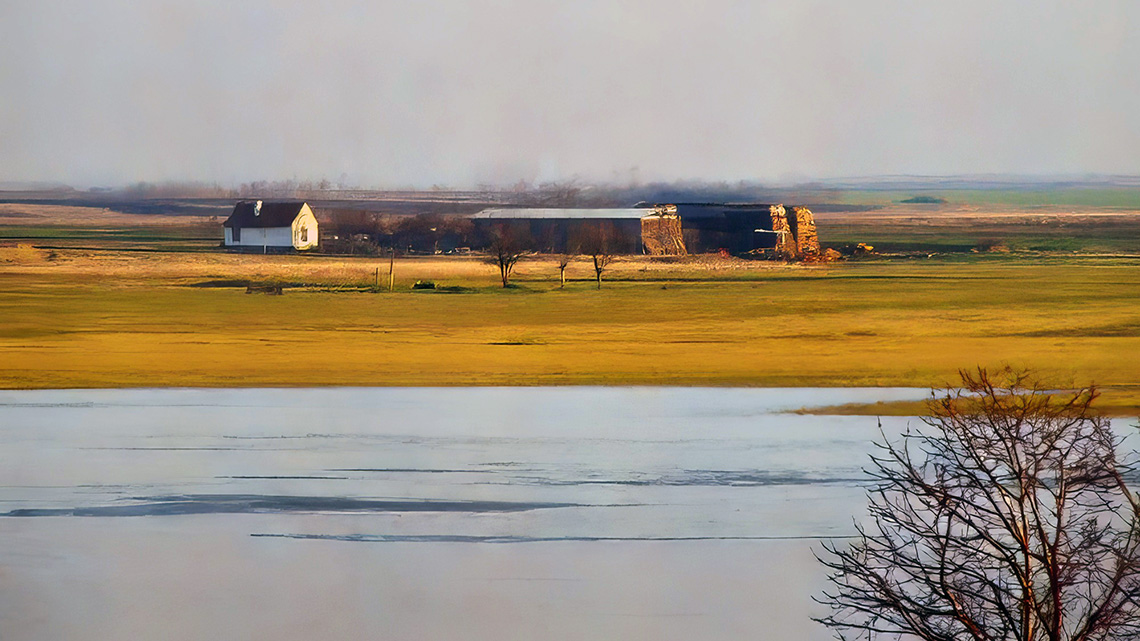
Not far from the small town of Novi Bečej in Banat, exactly between Taraš and Kumana, on the left bank of the Tisa River, lies an elliptical-shaped loess plateau, known for centuries by names such as Borđoš, Burduš, or Bordioš, and frequently mentioned as Borjaška Pusta, which belonged to the estate of Lazar Dunđerski.
In the former Hungarian settlement of Burdaš, then deserted and abandoned, Dr. Jene Sentklara, a Hungarian archaeologist and priest in Novi Bečej, discovered in 1875 a prehistoric earthen mound dating back several thousand years.
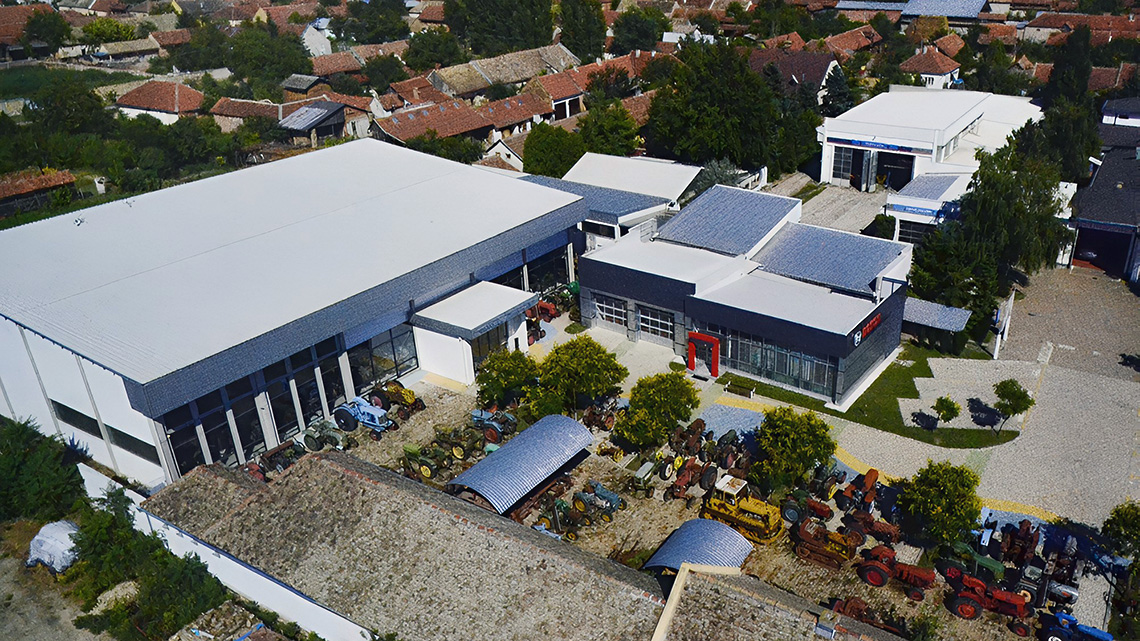
Located within the "Bosch Diesel Center Žeravica" in Novo Miloševo, there is a unique collection of tractors, steam and agricultural machinery, artisan workshops, equipment, and household items. Continuing the tradition of his grandfather Milorad and father Milivoje, Čedomir Žeravica transformed the family workshop into a diesel center, which was recognized as the best service of the renowned German company in the former Yugoslavia and Hungary. Within the complex, alongside modern workshops and a school for training and advancing craftsmen, the dominant feature is the Museum "Žeravica."
The local community in Novi Bečej has recognized its role in managing cultural and natural heritage as a resource for sustainable development. In projects like the IPA project "Discovering Our Forgotten Cultural and Natural Heritage in the Hungarian-Serbian Border Region," they supported research and sustainable use of heritage for the development of the local community. In the municipality of Novi Bečej, there is an exceptionally rich natural environment as well as archaeological sites that contain traces of human activities throughout history. Among the natural heritage, Slano Kopovo, a special nature reserve, is of particular value due to its importance for preserving biodiversity and rare species.
According to the understanding of neo-humanists, aesthetic experience helps a person to develop moral principles within themselves. Schiller believed that aesthetics ensures the ideal development of a person. Therefore, art educates us, whether we want it to or not. Art emits a value system, ideology, or perspective even when the artist has no intention of educating anyone. Art portrays the world through the artist's eyes and thus, even unintentionally, shapes our soul, taste, choices, faith, and influences us in a very special way: if it manages to awaken feelings in us, it simply engraves them deep into our soul, deeper than any communication. It is unnecessary to delude ourselves—the artist's communication will leave an impression on us even when created out of mere boredom.
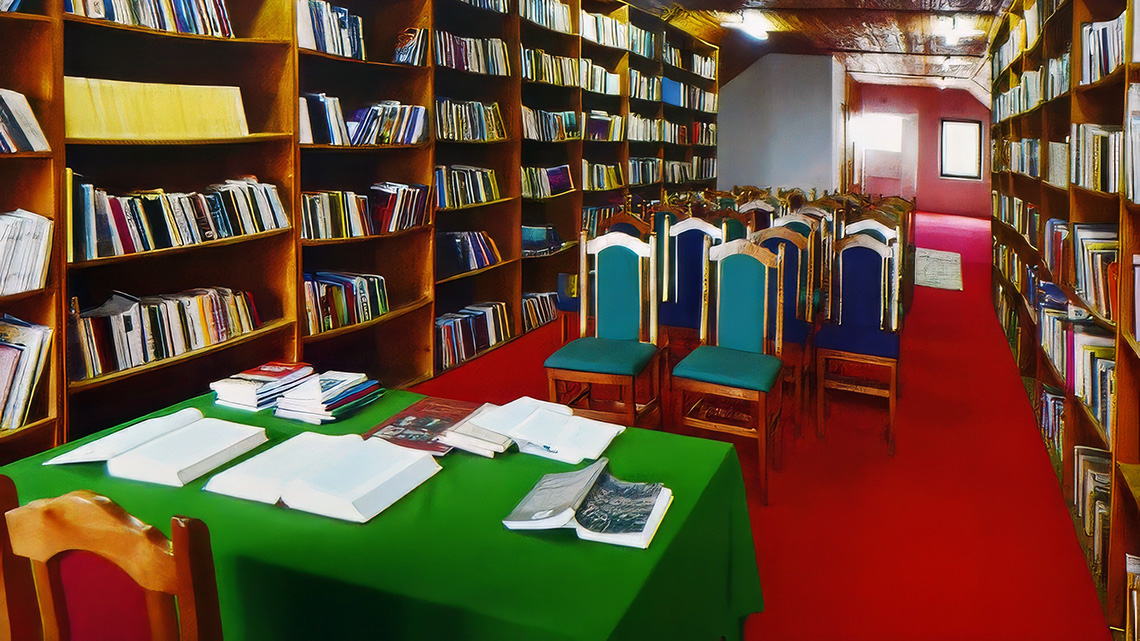
Banat Cultural Center (BCC), a family-run creative industry involved in artistic creation, cultural, and publishing production, is distinguished by its activities that range from the local to the global level, fostering the tradition and concept of the historically multicultural Banat. BCC is headquartered in Novi Miloševo, in a building that houses a gallery, a library, and spaces for cultural-artistic programs and events, along with a permanent book sales exhibition of BCC's publications (around 300 titles published so far).
Arača, a medieval town with a church and monastery. Or, when you say Arača, for the local population, it’s the walls of the church, the remains of the basilica in the plain that for centuries have evoked various feelings, reactions, and comments. Archaeological excavations have uncovered a smaller parish church from the 11th century. The foundations of this church are preserved in the central nave of a three-aisled basilica built in the early 13th century.
The town of Novi Bečej, located on the left bank of the Tisza River in the central part of the Autonomous Province of Vojvodina, boasts a rich cultural heritage. Numerous researchers and scientists, along with the local community, have been involved in recognizing the historical values of this heritage over time. Among them, Mr. Lajos Link stands out for his volunteer activities. He noticed the values of the town and its surroundings already in his childhood. His decades of diligent work and effort have paid off not only materially but also by securing a place in the history of Novi Bečej through his contributions to preserving cultural heritage for future generations.