



This small memorial about the vocal-instrumental ensemble LIRE represents a nostalgic memory of an era that took place half a century ago. Traces of that era remain to this day, and in a positive sense. The impact of LIRE on our ordinary life path was seemingly not significant. Formally, it was so, but essentially not. We should not forget that if they had not existed, could the youth and new generations in the post-war period have enjoyed themselves, socialized, and grown up without prejudices and social differences in the way they do today? We should also consider how many life connections were formed through the young people's infatuation with their music during social dances when it was the right time to go out dancing. When "ladies chose" or when skilled boys from the shadows and semi-darkness of the crowded youth center observed and had "dangerous romantic intentions," which can only be played out in youth, in a healthy way, and never again.
A Tribute to the Vocal-Instrumental Ensemble LIRE from Kumane: How Their Performances Half a Century Ago Shaped Youth Life and Cultural Values During the Rock 'n' Roll Era
Share this page on social media
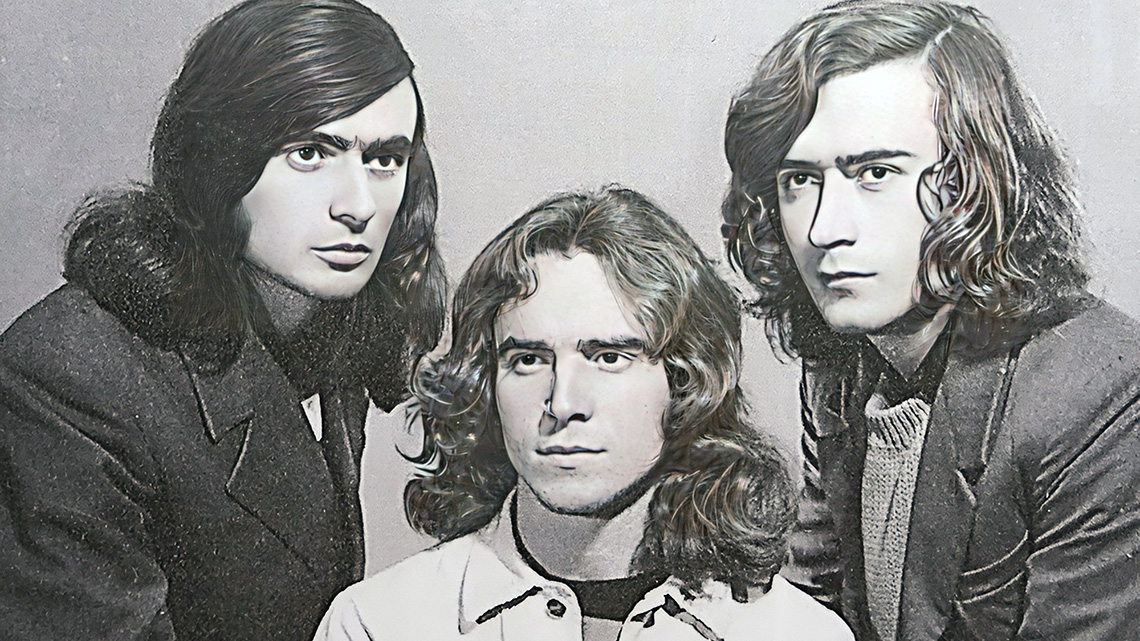
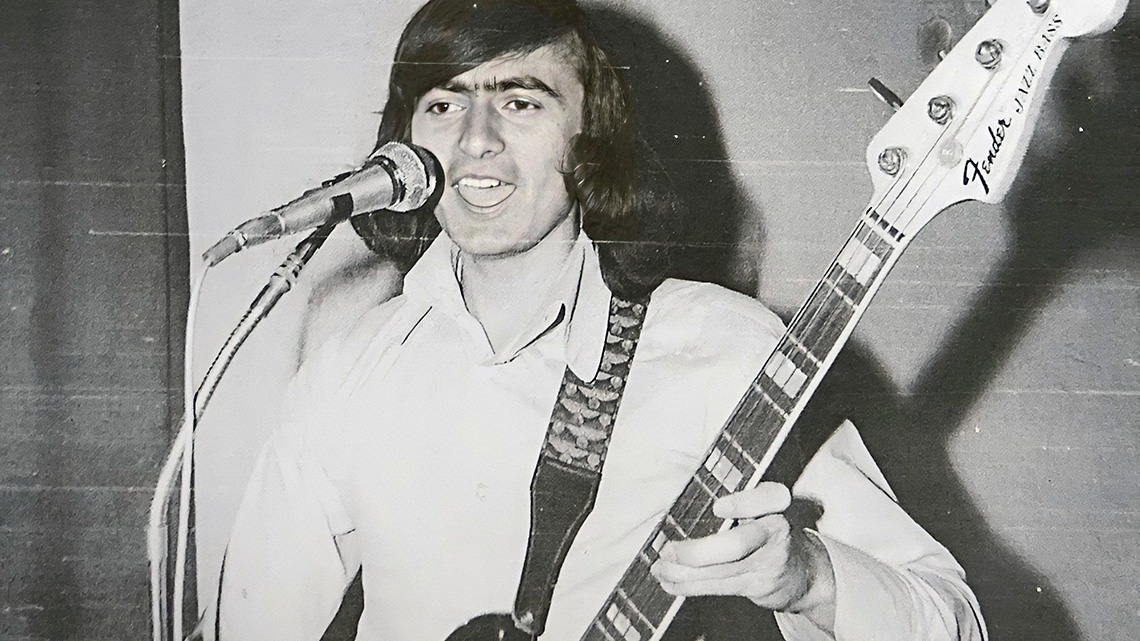
Rock and roll, much like pop music, quickly conquered the world. One of the first rock and roll songs was Chuck Berry's 'Johnny B. Goode.' Many consider him the pioneer of rock, but because the music industry at the time didn't favor him as an African American, Elvis Presley was promoted to the forefront, soon becoming the first rock star or the so-called 'King of Rock and Roll.' However, the unstoppable rise of rock began with the song 'Rock Around the Clock' by Bill Haley & His Comets from the 1950s. After Elvis, when rock rhythms had already spread across the globe, powerful bands like The Beatles, The Rolling Stones, and others emerged. Around that time, a rock and roll scene also started to develop in the former Yugoslavia. Early bands like 'Zlatni prsti' achieved significant success, but everything became more notable with the emergence of larger musical groups and singer-songwriters in the following two decades, the 60s and 70s.
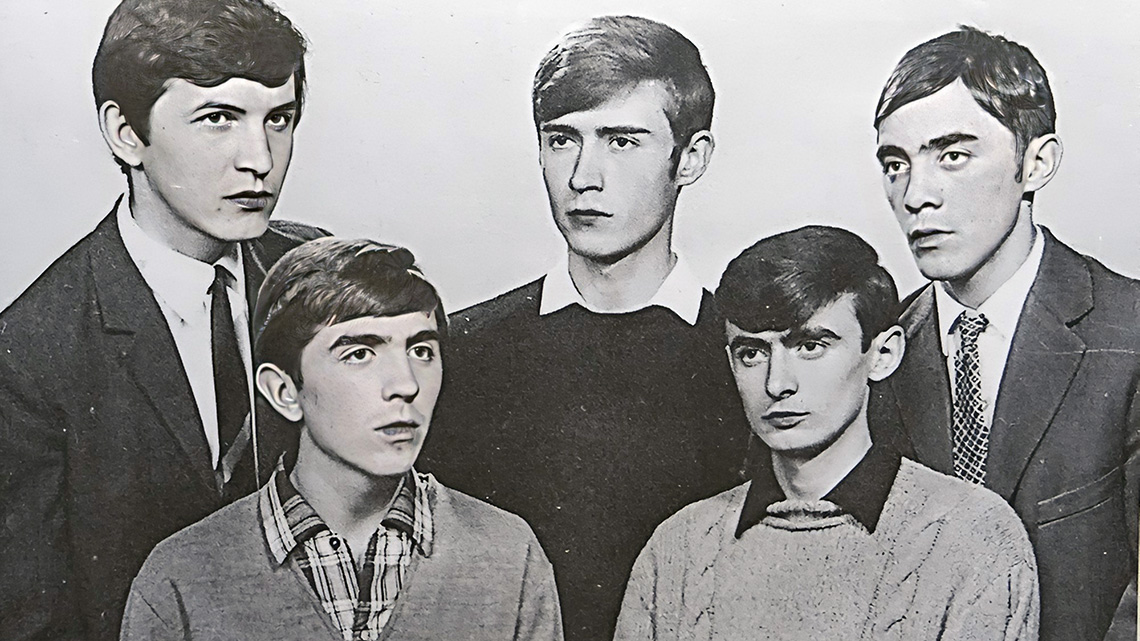
In issue 4 of the municipal newspaper "Naše novine" from August 14, 1965, a year after the appearance of VlSa LIRA, the following text was published: "During 1964, the existing music section at the elementary school 'Milan Stančić Uča' in Kumane was seriously developed. Music teacher Svetislav Gvozdenov aims to introduce young music enthusiasts to all the secrets of this noble art. Several boys and girls persisted in their enthusiasm, dedicating much of their free time to their teacher throughout the past and this year.
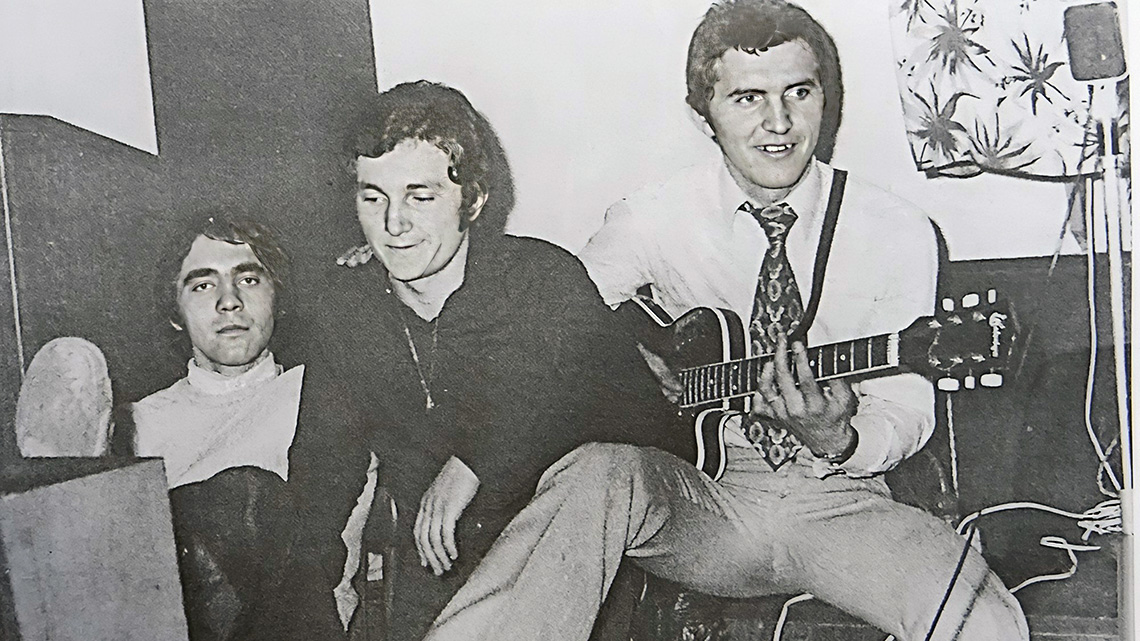
According to Slobodan Kojić’s memory, it all began in the 1963/64 school year at the “Milan Stančić-Uča” primary school in Kuman, when the music section was taken over by music teacher Svetolik Gvozdenov Tile. The section had about thirty young men and women. Over time, a group of about ten members crystallized, who were the accompanying orchestra for the school choir. At that time, there were very active choir and orchestra competitions. The orchestra performing then was named “Mladost”.