



The most difficult year for Jedinstvo was 1933. After a generational change at the end of 1932, the club faced a weakened playing squad, while the pitch itself remained flooded until mid-June. Training sessions that schoolteacher Sava Mojić had begun regularly in the autumn of 1932 and resumed in March 1933 were interrupted as early as mid-April due to the flooded ground.

Jedinstvo Maintains Second Place at the European Cup
From the journalist’s notebook
During the second competition day of the European Cup in women’s bowling, held in Skopje, listeners of Radio Novi Bečej followed the performances of the Jedinstvo team and their fight for a place in the final stage of the competition.

The afternoon session of the competition brought a series of exciting races that delighted the audience at the Novi Bečej pool. The greatest interest was sparked by the women’s events, where competitors showed remarkable determination and sporting spirit.

Morning Report
During the morning session, Ivana Eremić, the fifth player of Jedinstvo Novi Bečej, took to the lanes. The pressure of the occasion was evident, as nervousness affected both her performance and final score.

Ferenc Gomba, affectionately known by his friends and teammates as Feri or Frici, was the complete opposite in temperament to his older brother Laci. Quick, lively, and passionate, he stood out as a left winger for DMKS Turul from the very start of the 1941/42 season.
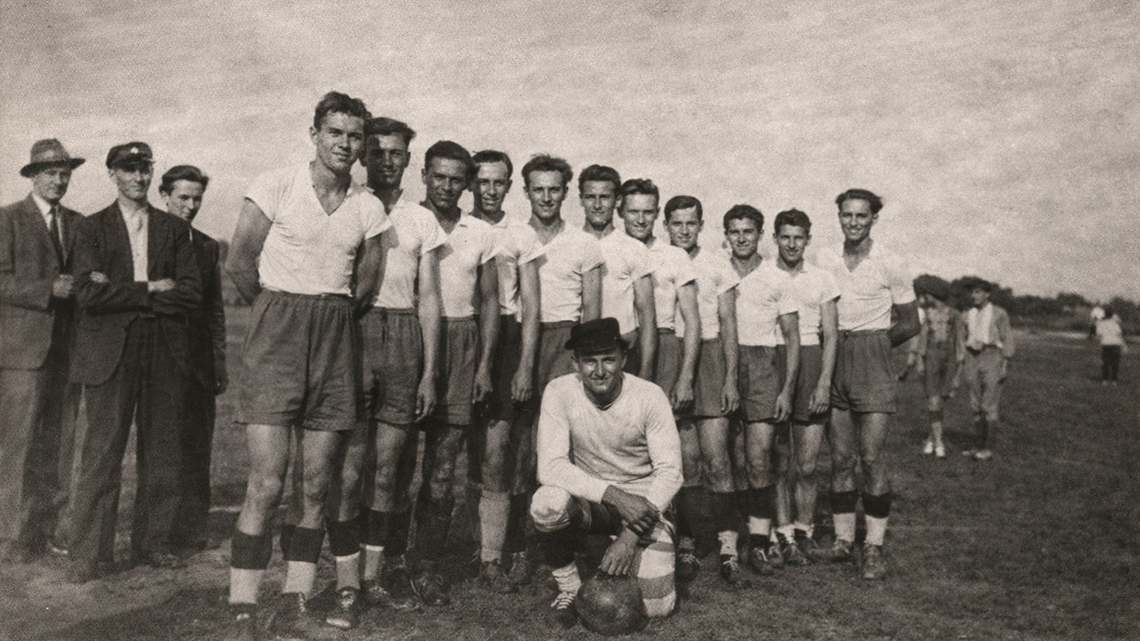
The defeat against Banat, which had experienced adult players, did not discourage the boys of Zvezda. On the contrary, they devoted themselves even more to training and played two away matches – the first in Bašaid and the second in Baodra. In these games, Zvezda also included a few former Jedinstvo players, which added physical strength to the team, but it came at the cost of the technical combination play that had been their trademark. Had they continued this way, Zvezda probably would not have fared better than Banat.

The competition began in the morning at 10 o’clock with a ceremonial parade of all participants in front of the stands by the Tisa River, which were filled to the last seat. After the presentation of plaques and commemorative awards, the start of the event was officially announced. The jury consisted of the leader of the Belgrade club Bob, Đorđe Paljić, and the event organizers Brana Kiselički and Vasa Nićin.

Zdravko Gavrić lived in Novi Bečej under an assumed name, Zdravko Radosavljević, as he had escaped arrest by the Hungarian authorities in Stari Bečej, which was under Hungarian occupation at the time.
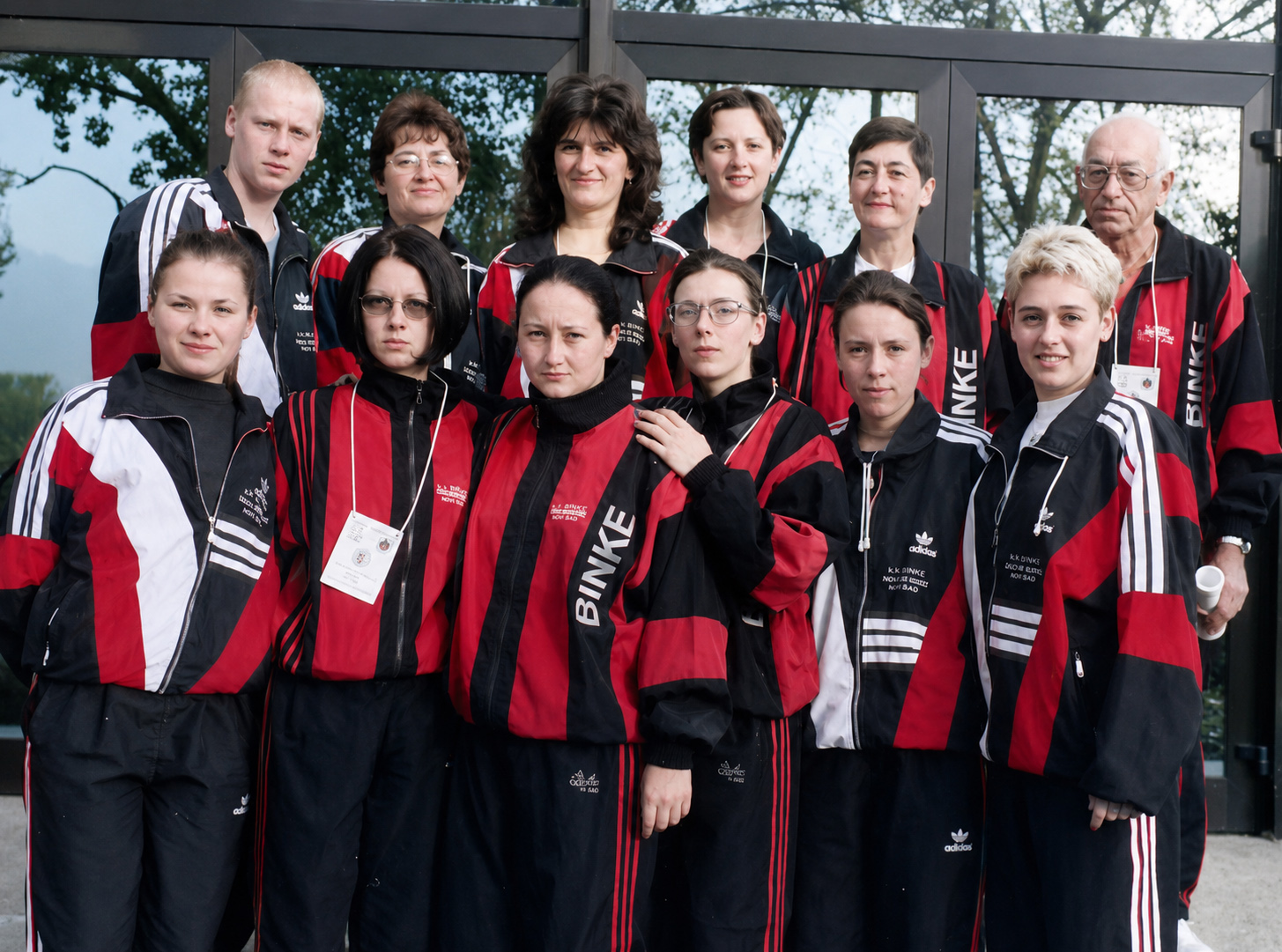
The journey that began a historic chapter
At the beginning, the list of potential travelers to Skopje included around twenty names. However, as the departure date approached, members of the club’s presidency who had planned to travel gradually withdrew. Even on the day of departure, October 9, it was still uncertain who would accompany the women’s bowling team.
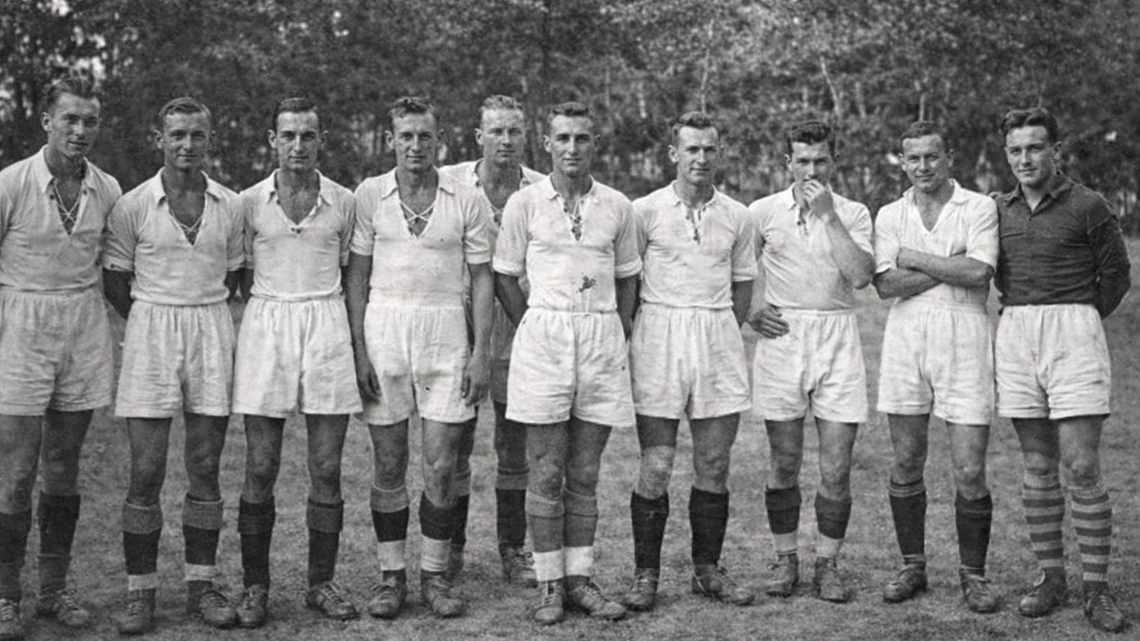
Vilmoš Kujan, born in Novi Bečej, moved to Novi Sad as a boy to learn a trade, where he stayed until 1942. During his time in Novi Sad, he played football, which made him one of the top players in Novi Bečej upon his return. In DMKS Turul, during the early war years, he quickly established himself as one of the team’s most important first-team players, alongside István Berta.
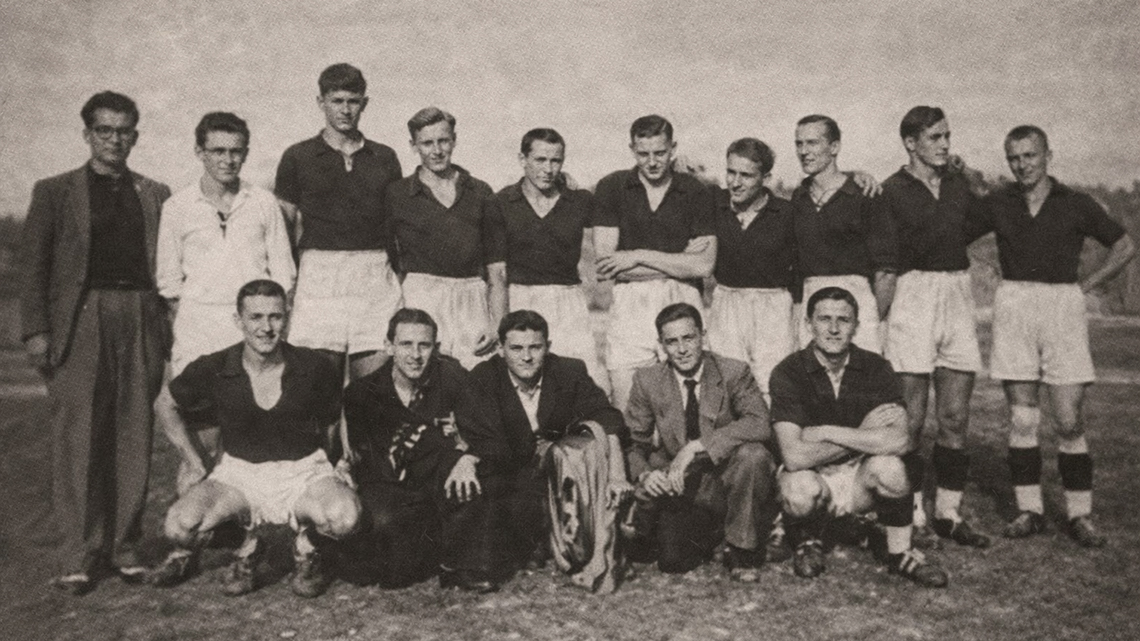
A turning point for Zvezda, and perhaps for football in Novi Bečej in general, came in 1939. Players who had once been children had now matured into young, competent footballers, whose skills far surpassed those of Jedinstvo players. Most of these footballers had come up through the youth clubs Zvezda and Banat, where they systematically honed their football abilities without guidance from older players.
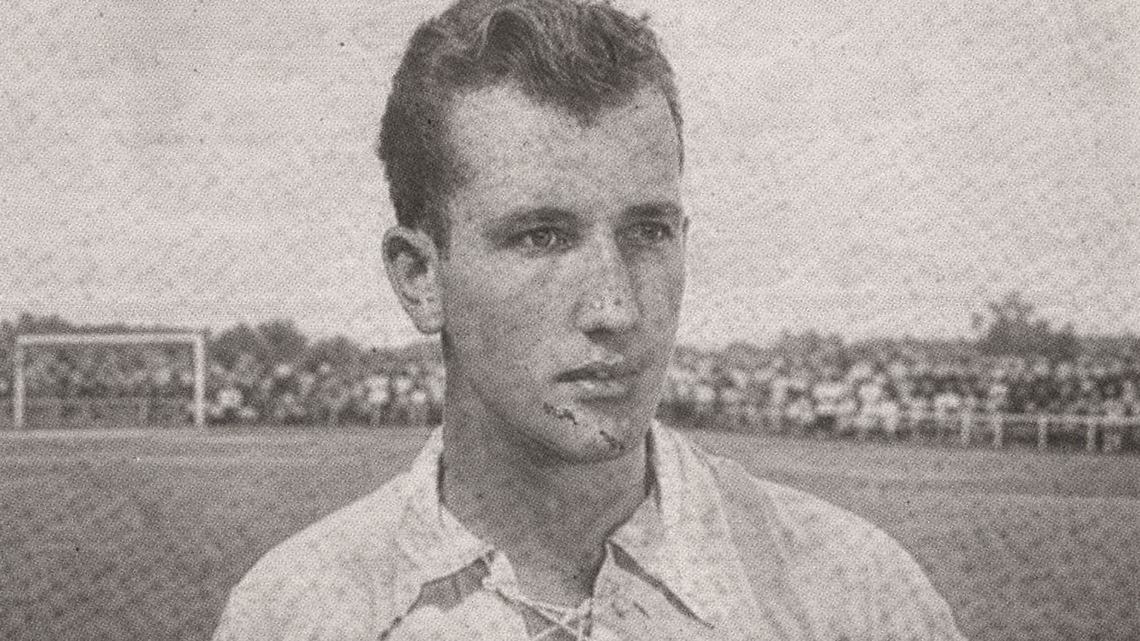
Šandor Kiš was one of the rare true football stalwarts of his generation. A hardworking and exceptionally combative half-back, he left a strong mark with Turul, and after the Second World War he also played for Zvezda.

After the great success in the semi-final, the excitement reached its peak. There was little time for celebration, as everyone eagerly awaited October 14 – the day of the European Cup final. I had the impression that my roommate, Laslo Makra, had barely closed his eyes throughout the entire night.
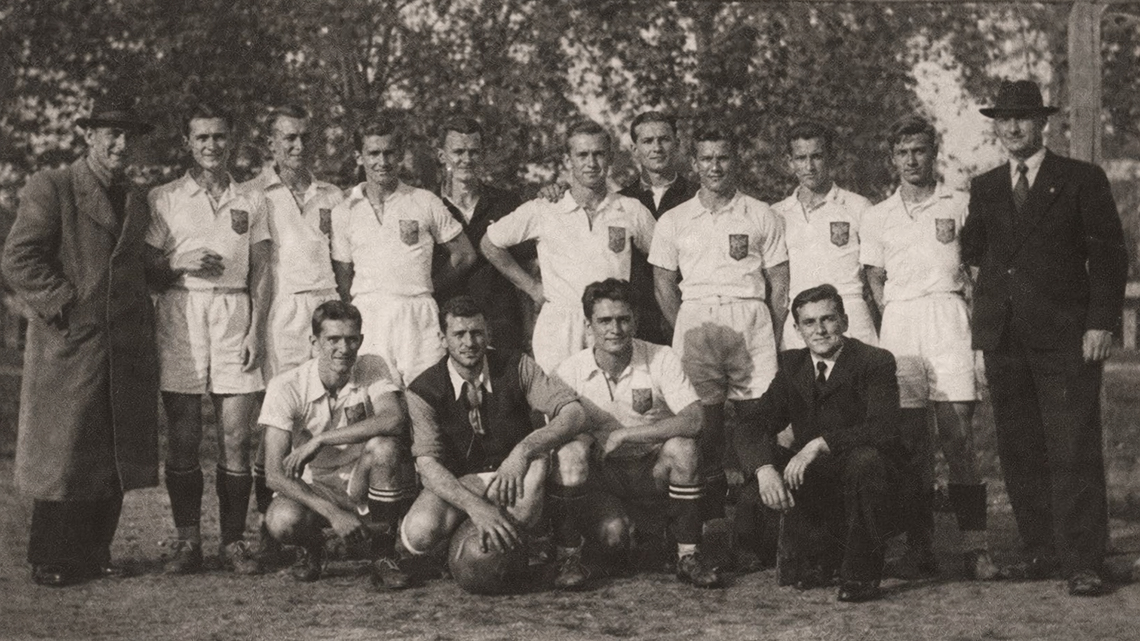
In the final years before the outbreak of the Second World War, a need emerged in Novi Bečej for the establishment of a new football club that would bring together working-class and artisan youth. At that time, Football Club Zvezda already had a stable squad and was, to some extent, closed to the admission of new players from these social groups. As a result, in 1940, a group of young men—mostly of Hungarian origin—founded Sports Club Napredak.

Until the outbreak of the Second World War, football in Novi Bečej was burdened by severe financial difficulties, even when it came to meeting the most basic needs. Above all, Novi Bečej lacked an industrial base from which any form of material support for football clubs could have been expected.
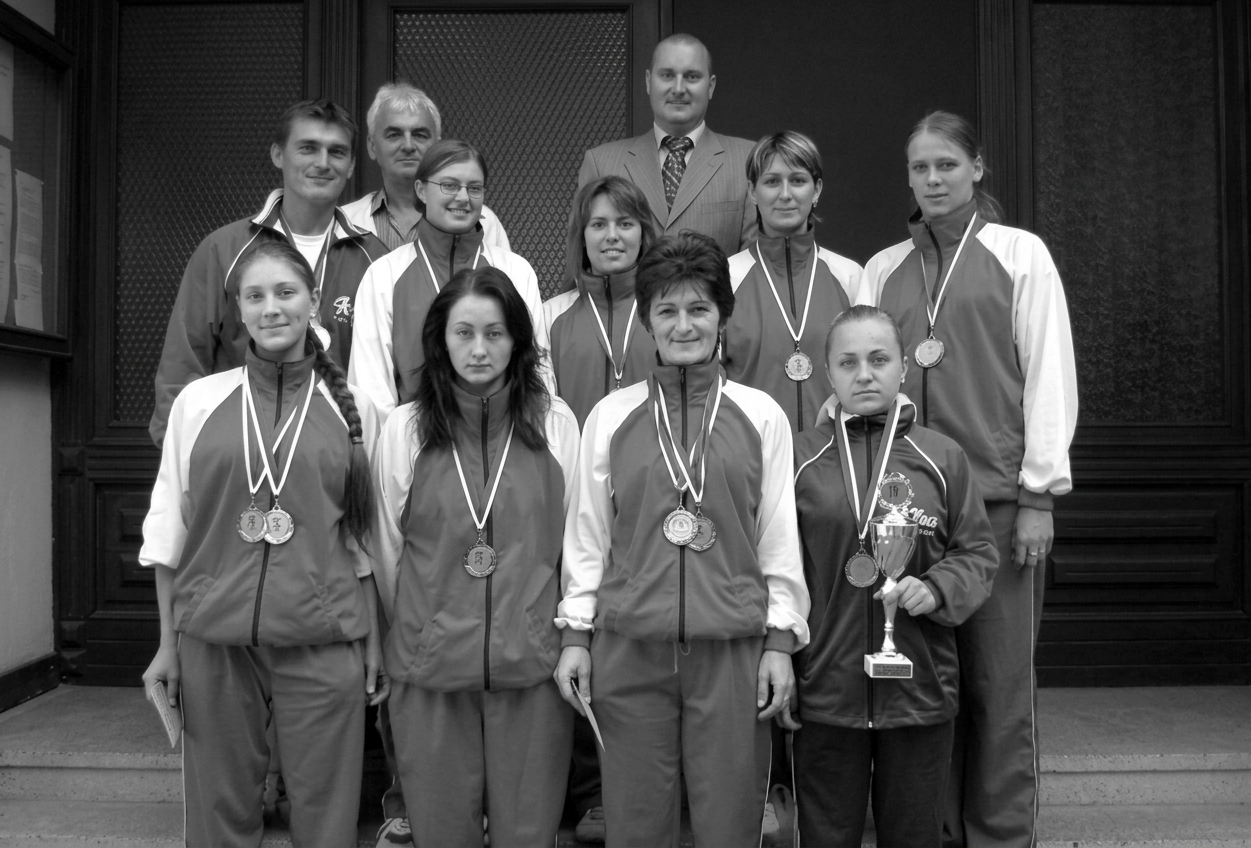
Alongside their strong performances in the league, the Jedinstvo women's bowling team also enjoyed a successful campaign in the Serbian Cup during the 2006/07 season.
At the Cup Final Tournament, held in Novi Sad on April 28 and 29, 2007, the Novi Bečej team defeated Hajduk from Kula 7–1 in the semifinal to secure a place in the final.
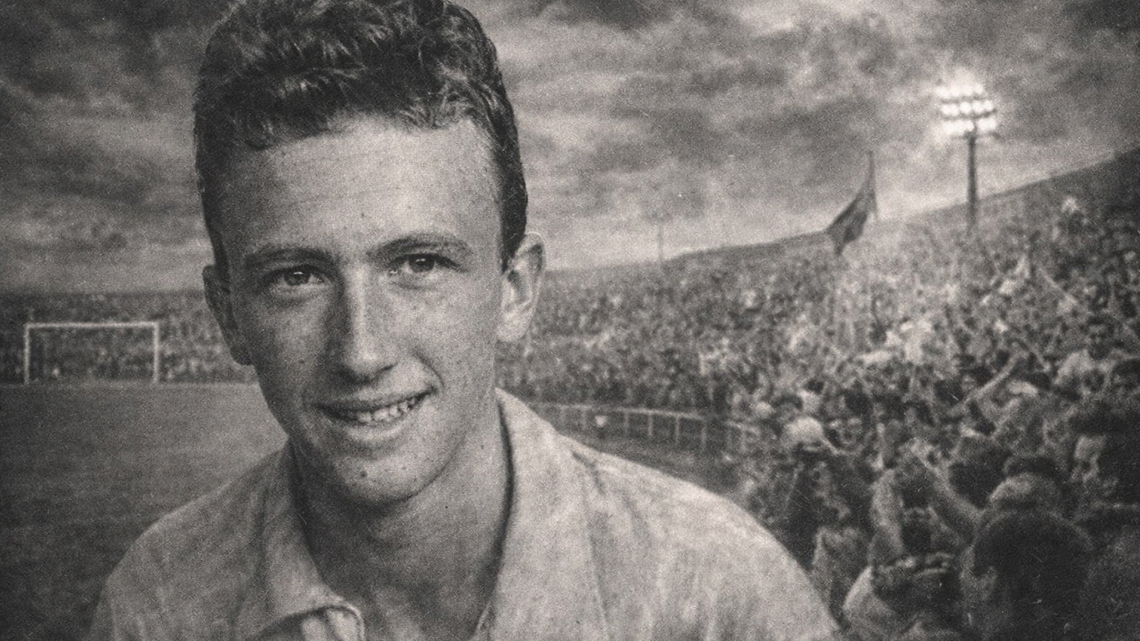
Béla Farkaš belonged to the generation of footballers who matured during the difficult years of the Second World War, yet through his talent and character he left a lasting mark on the history of football in Novi Bečej. He inherited his footballing ability from his father Géza Farkaš, a distinguished pre-war player of Građanski, but Béla’s natural gift and football intelligence placed him among the most promising players of his generation.
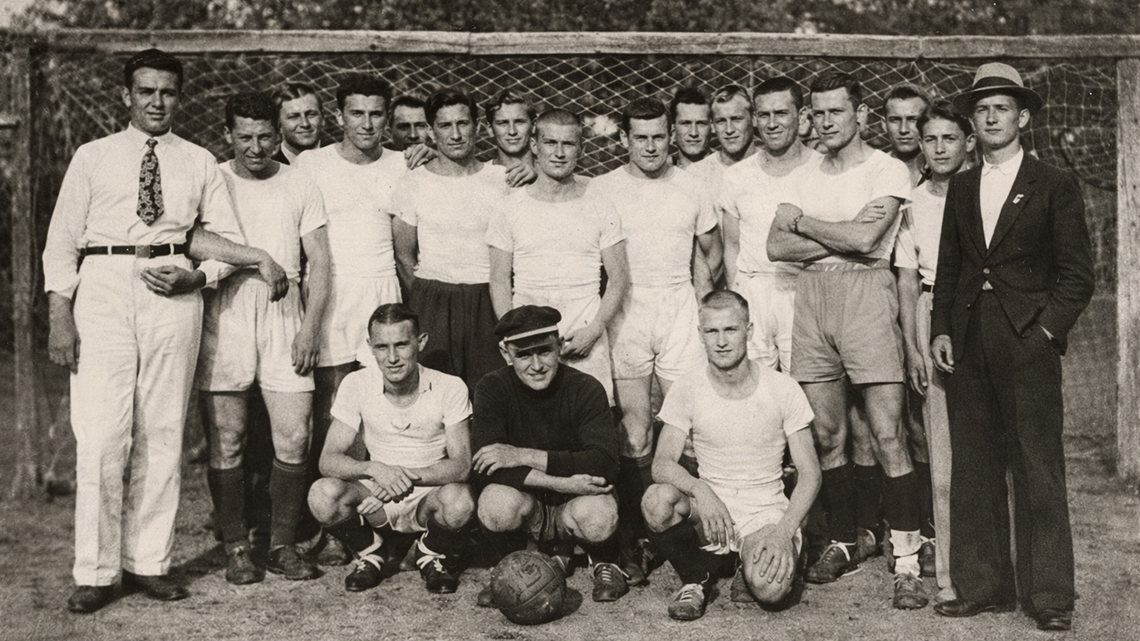
It is difficult to say how long the rivalry between Zvezda and Banat might have lasted had Banat not been reinforced as early as mid-1936 by former players of Jedinstvo, who were significantly older and physically stronger. Under such circumstances, Zvezda, with its predominantly youthful team, was no longer able to compete on equal terms. The first match played between the two clubs after these changes took place on April 9, 1936, and ended with a 4–2 victory for Banat.
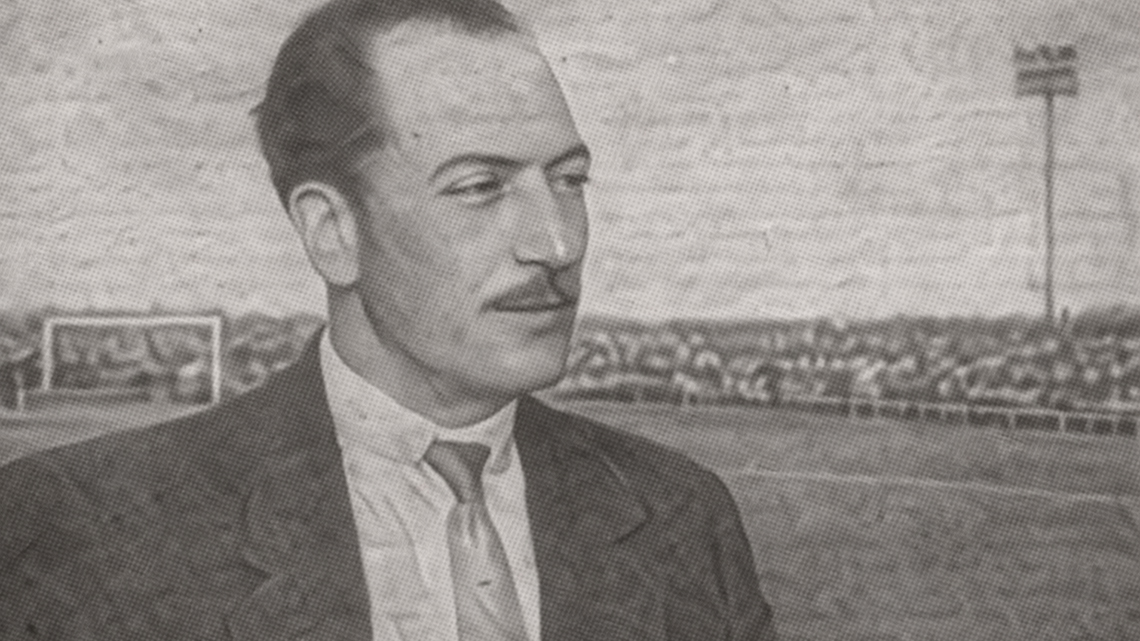
László Gomba appeared on the football scene of Novi Bečej at a very young age. Together with Ferik Kiš and József Čanji, he was among the group of young enthusiasts who initiated the founding of a new club in Novi Bečej in 1940, originally named Napredak. Shortly after its establishment, the club changed its name to S.K. Zanatlija, where Laci quickly secured a place in the first team and proved his footballing quality.