



The most difficult year for Jedinstvo was 1933. After a generational change at the end of 1932, the club faced a weakened playing squad, while the pitch itself remained flooded until mid-June. Training sessions that schoolteacher Sava Mojić had begun regularly in the autumn of 1932 and resumed in March 1933 were interrupted as early as mid-April due to the flooded ground.
When the water finally receded, a thick layer of silt remained on the field. It cracked and hardened to such an extent that an entire layer 10–15 cm deep had to be removed. Even that proved insufficient, and the pitch continued to be used in poor condition. All of this had a major impact on Jedinstvo’s activity during that year. Nevertheless, Sava Mojić gathered about ten young players and, through systematic training, tried to make up for what had been lost. This somewhat alleviated the particularly bad situation, but it could not fundamentally change it. The weakest football was played—perhaps the weakest since the appearance of the first club in Novi Bečej.
The Turnaround in 1934
In 1934, thanks above all to the enthusiasm of Jedinstvo’s management and especially to the tireless efforts of Sava Mojić, interest in football increased significantly. At every training session, twenty or more young men regularly gathered. This could not pass without results.
Matches were played every Sunday, and Jedinstvo moved from victory to victory. In just over a year, systematic training—along with several players from Beodra—began to produce noticeable results. This success led to a clear increase in match attendance, growing from game to game.
Between 400 and 500 spectators attended matches, and the revenue was sufficient to cover match expenses. That year, the first voluntary contributions were also collected, enabling the purchase of a complete new set of football equipment: red jerseys, blue shorts, socks, and boots.
Players and Notable Victories
In addition to players from Novi Bečej, three excellent footballers from Beodra were brought in as reinforcements. Several valuable victories were recorded: Slavija from Stari Bečej was defeated 3–1, Građanski from Stari Bečej 1–0, Vojvodina from Veliki Bečkerek 2–0, and Radnički from Veliki Bečkerek 3–2. Clubs from surrounding villages were beaten by very high scores.
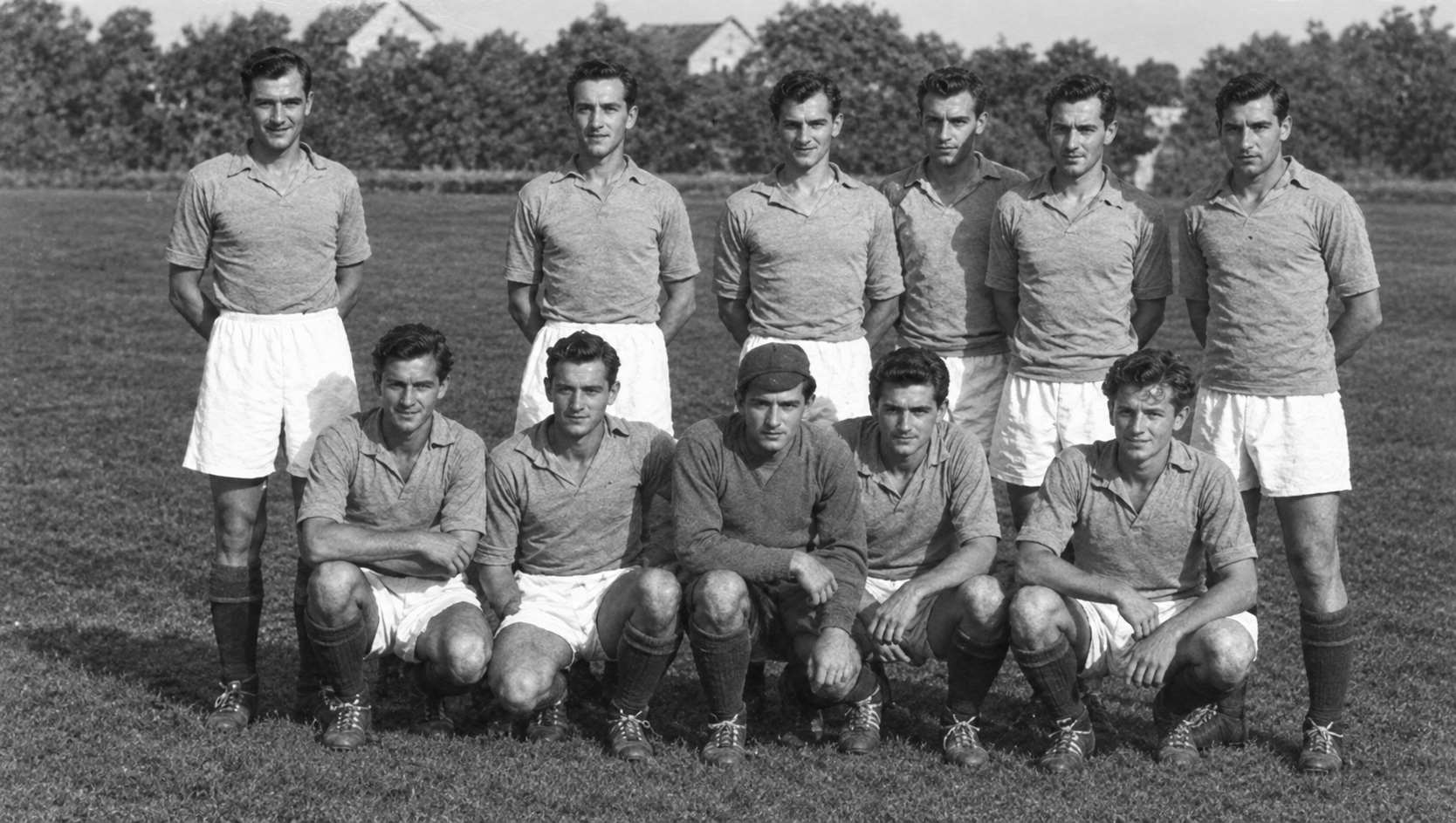
The most frequent lineup of Jedinstvo consisted of Veselin Josimović in goal; defenders Laza Lazić and Bora Kovačev; the half-line Branislav Petraškov – Komoč, Milutin Nešić, and Živa Mali – Šuka (from Beodra); and the forwards Mikloš Valtner (from Beodra), Pal Sauer, Vasa Karadžin (from Beodra), Duško Glavaški, and Luka Boberić. Arpad Hauzer, Miloš Pinćin, Bora Glavaški, and Vladeta Jovanović also appeared occasionally.
Championship Hopes and Collapse
The great enthusiasm caused by Jedinstvo’s performances and victories in friendly matches during 1934 suggested a successful championship campaign. The first league match, played on 2 September 1934 in Novi Bečej against Kosovo from Velika Kikinda, ended in a convincing 3–0 victory for Jedinstvo. Expectations ran high among fans and management alike, but it soon became clear that these hopes were greater than the team’s real capabilities.
In the second round, against ŽAK from Velika Kikinda, the match was played in heavy rain on a waterlogged pitch. Unaccustomed to such conditions and technically inferior to their opponents, Jedinstvo conceded two early goals, after which all momentum faded, resulting in one of the heaviest defeats of the year, 0–6. While the real balance of power favored ŽAK, on a dry pitch the defeat might have been less severe—or perhaps avoided altogether.
Demoralized by this loss, Jedinstvo also lost the next league match at home to Sloga from Velika Kikinda, 0–4, with all goals scored in the first half. Although the team regained balance in the second half, the result did not change. These heavy defeats proved fatal: at the beginning of 1935, the club was dissolved, and Jedinstvo ceased to exist.
Football Without a Club and the Legacy of Sava Mojić
In 1935, Novi Bečej was left without an official football club, but football itself continued to live on. Boys gathered in Zvezda and Banat continued to train and play regularly, now with daily access to a proper football ground.
Sava Mojić, born in 1906 in Vranjevo, was a schoolteacher and a devoted lover of football. As a student at the teachers’ school, he played for the Novi Bečej club Soko. His promising playing career was cut short after an illness contracted during a match in Ada in 1927, which resulted in a serious kidney condition. Despite this, football remained central to his life. He was constantly involved in Jedinstvo’s management and, in the later years of his life, worked as a football instructor for younger generations.
He received no financial compensation for his coaching work and invested far more effort than many professional coaches do today. Through persistence and patient training, he helped develop several solid players, even though not all of them possessed exceptional natural talent. Modest and quiet by nature, he was an outstanding educator with a deep understanding of the game—the first true football teacher in Novi Bečej on a purely amateur basis. His name and contribution deserve to be remembered.
Milan Kiprović and the “Club Confectionery”
Finally, the story of Jedinstvo would be incomplete without mentioning Milan Kiprović and his confectionery shop. Originally from Macedonia, Kiprović came to Novi Bečej after working for years in Czechoslovakia. With modest savings, he opened a confectionery on the main street. A generous man and a lover of youth, he embraced football wholeheartedly and made great personal sacrifices to support the club.
His shop effectively served as Jedinstvo’s club premises: a gathering place, an informal headquarters, and even a changing room and equipment storage in the back rooms. All of this was used free of charge until the very last day of the club’s existence. Thanks to such people, Jedinstvo—despite its short lifespan—left a lasting mark on the sporting history of Novi Bečej.
Comments