
...On March 27, 1941, communists stood with the masses, explaining the essence of the events and leading all protests and revolts against the shameful and treacherous betrayal of the country by the pro-fascist government.
Throughout the day, communists and members of the Communist Youth League (SKOJ) conducted extensive agitation, aiming to initiate democratization and organize a protest meeting. All social organizations, schools, and the entire village were mobilized.
Immerse yourself in the fascinating world of the past and culture of Novi Bečej through our virtual library, where the pages of books turn into windows through time. Here we discover the wealth of local heritage through complete works that bring stories of brave people, important events and unique traditions.
Share this page on social media
Those who were involved in organizing swimming competitions quickly noticed that such events were rather monotonous and failed to generate much excitement. They lacked attractiveness and didn’t draw large audiences. To solve this problem, they decided to create a game played in water. Since football was already an established sport at the time, they came up with the idea of "football on water." This first took place in London in 1869.
The population is divided into three main groups based on activity. The first group consists of active individuals, the second comprises individuals with personal incomes, and the third includes supported individuals. Active population consists of individuals working in various economic and non-economic activities, thereby earning income for their livelihood. Individuals with personal incomes include retirees, individuals under guardianship, etc.
Last night, at half past seven, a member of the Serbian National Theatre, Serbian actor and writer, the most outstanding theatrical character artist in the Slavic South—Laza Telečki—passed away at the age of 33. Tuberculosis, which has become a common ailment among the youth, and in his case, almost a family curse—having already claimed two of his brothers and a sister—has taken his life.
Since Novi Bečej did not have water polo players who could compete on equal terms with those from Belgrade, the organizers wisely decided to hold the contest between two mixed teams. Thus, the “White” and “Colorful” teams were formed.
Immediately after the release of my book The Charms of Days Gone By, Ljubica Nićin (this is her maiden name) and a few others noticed that I had forgotten to describe the blooming of the Tisza. This account serves as proof that I truly did forget. The Tisza mayfly, without a doubt, belonged to the exceptional charms of the past. Especially since it, too, has vanished, just like many other former joys of life.
Laza Telečki (1839—1873) made his debut at the National Theater (SNP) on Sunday, June 10/22, 1862, in the lead role of Avakum in the comedic play Better to Know than to Have by Jovan Ristić Bečkerec. "This play, which lacks a distinct plot, gained much through excellent performance," wrote the Danica journal on June 20.
It is well known that the issue of the division, leasing, and use of wetland arose from the very first days of the establishment of the District and remained unresolved throughout its existence. This was due to the fact that the Chamber had feudal rights to all that land, while the District leased it for a relatively high price on a long-term basis. To meet its obligations to the Chamber, the District further subdivided this land and leased it to individuals for a limited time. The division of land was carried out by a commission, which led to many abuses. Those closest to the authorities, rather than the landless poor, were most often the ones who received land.
Dušan Josimović was born on September 22, 1949, in Novi Bečej, to father Miroslav and mother Velinka. He completed elementary school and high school in his hometown. He spent his working years employed at the post office, and today, as a retiree and freelance artist, he lives in Novi Bečej with his wife Radmila.
How This Booklet Came to Be
When my article titled “Kumane” appeared in the Yugoslav Daily on August 2, 1931 (issue no. 202), my parishioners received it with great enthusiasm. It was read aloud in gatherings and on street corners before groups of listeners. Soon, many expressed the wish that it be printed as a small booklet and distributed among the people of my parish.
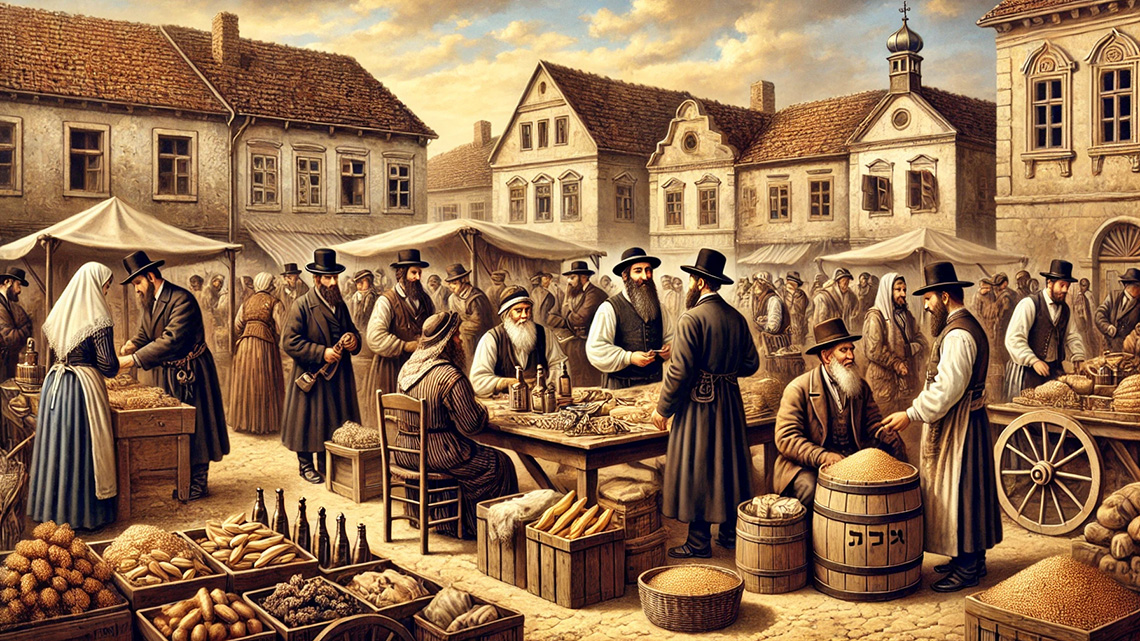
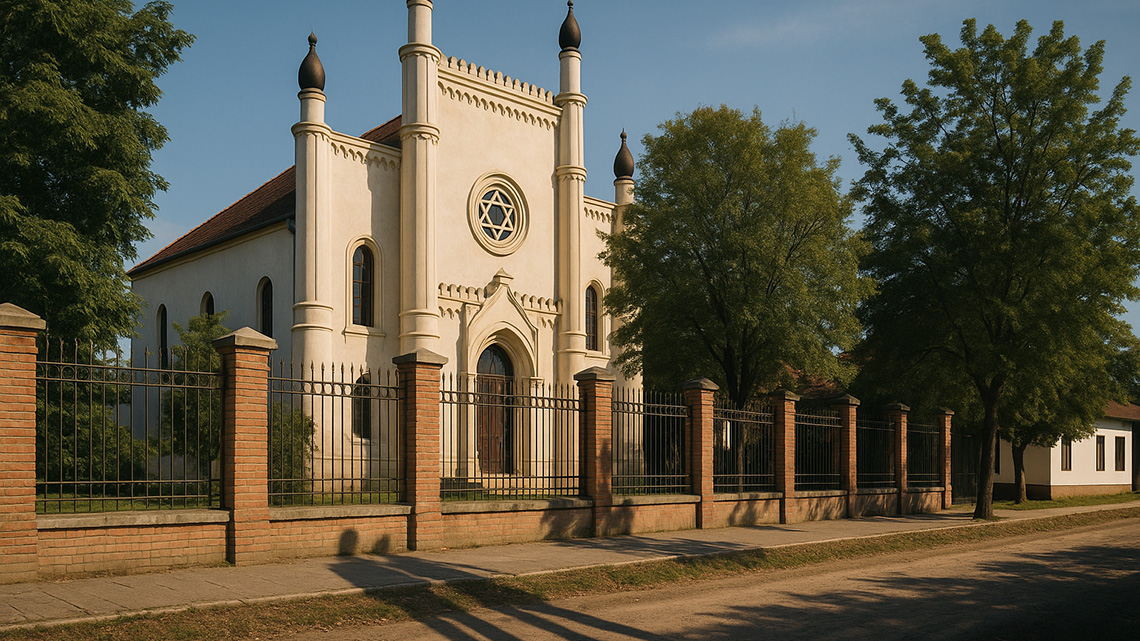
Jews have been present in Hungary since the time of the first kings, and more intensive settlements occurred after their expulsion from Bohemia and other countries in Western Europe during and before the Crusades. They not only found refuge in Hungary and Poland but also prospered significantly in these countries.
Ljubiša Jocić was a poet, writer, painter, director, and an experimenter with form and meaning—but above all, a man of play and artistic exploration. His creative journey spanned half a century, leaving behind a rich body of work that includes poems, novels, anti-novels, plays, films, and paintings.
A comprehensive geographical monograph of each subregion in Vojvodina encompasses natural-geographical and socio-geographical characteristics of a specific area. To better understand the emergence and economic development of the municipality of Novi Bečej, it is crucial to first acquaint ourselves with the physical-geographic features of this Vojvodina regional unit, representing the natural conditions for economic development.
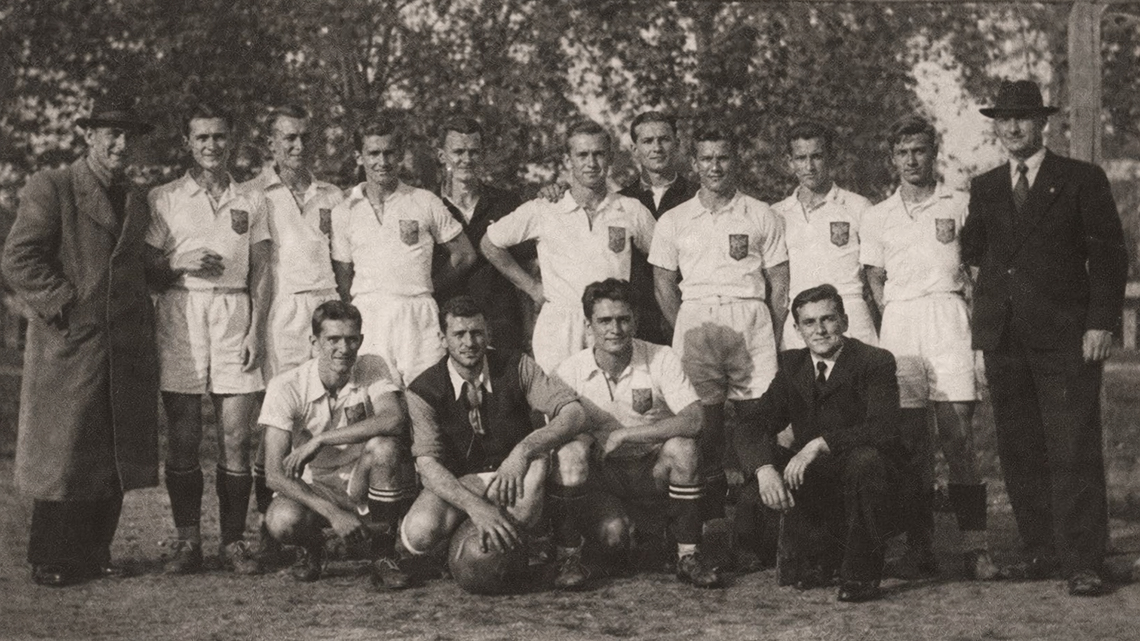
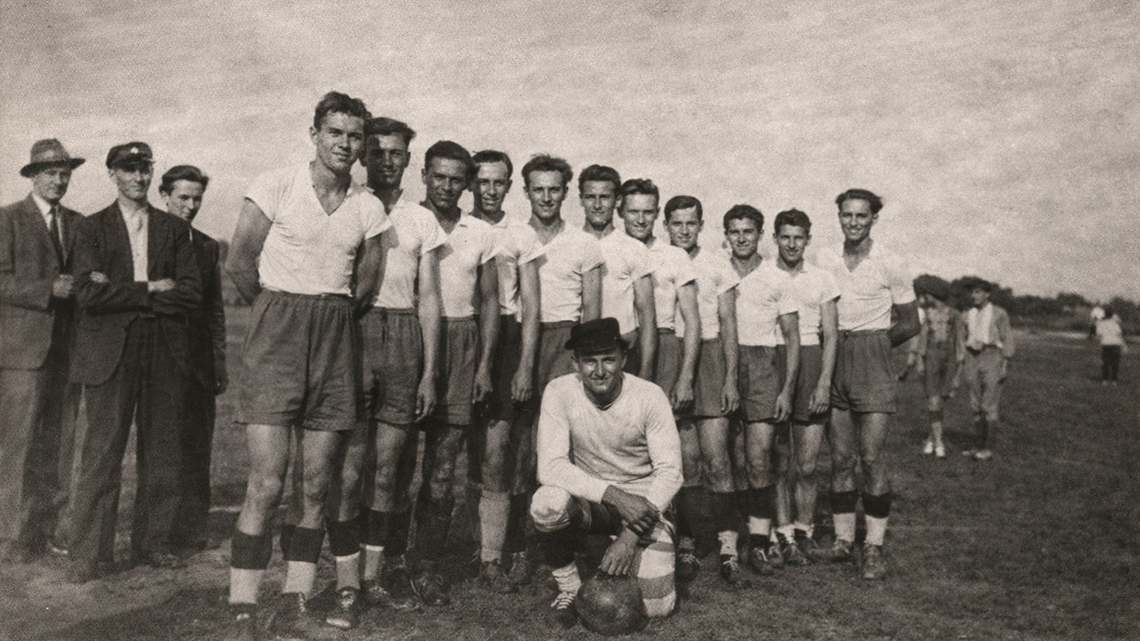
It is well known that sports began and continue to develop in socially and technologically advanced communities. For that reason, Novi Bečej must also be considered from this perspective.
Peasant revolts hold a prominent place in the history of Hungary. Poverty and destitution, caused by constant increases in taxes and worsening living conditions, led Hungarian peasants to rebel against oppression even before 1848. Alongside the difficult situation of the peasants and the obstacles posed by the feudal state to the development of civil society (the bourgeoisie), a political crisis that engulfed almost all European countries from 1846 to 1848 contributed to the eruption of rebellion in Austria-Hungary.
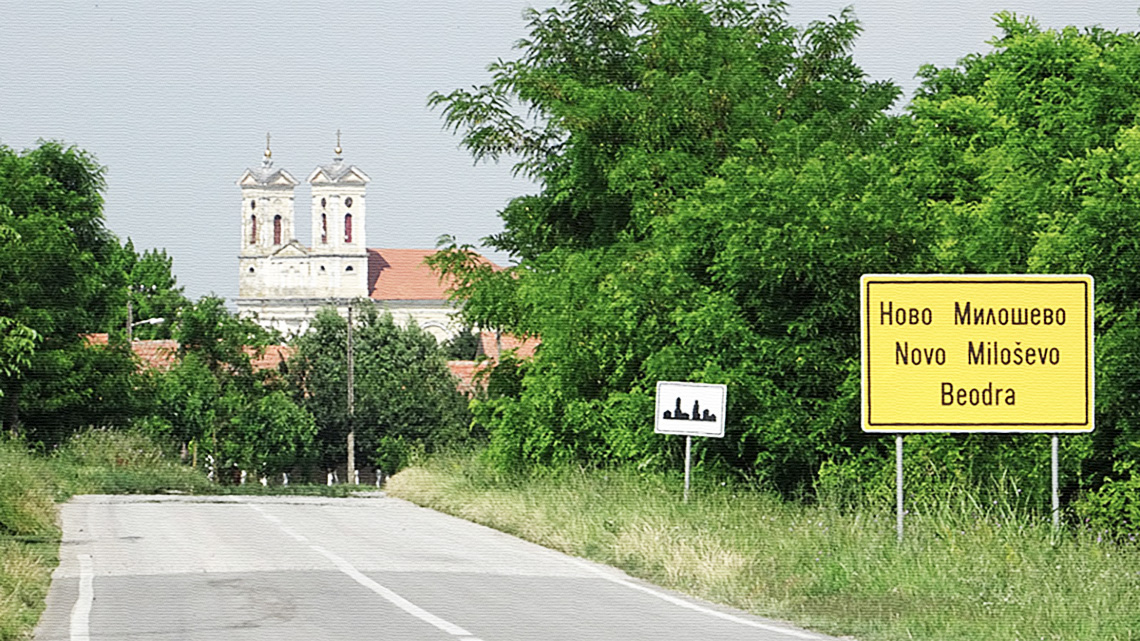
According to archaeological research, human settlements existed in this area as early as 3000 BC. The oldest and best-studied sites are Borđoš, southwest, and Matejski Brod, northeast of Novi Bečej. From the medieval period, the best-preserved monument is Arača, located about 12 km towards Novo Miloševo. This monastery dates back to the 11th century and represents the original location of Vranjevo.
In a ten-year period, from the population census of 1971 to 1981, the number of households increased from 10,020 to 10,280, representing a growth of 2.59%. Analyzing data from 1953, a continuous mild increase in the number of households is observed until the last census. However, this growth is not a result of an increase in the total population or significant immigration of new families.
According to Radnički list, Ljubomir Čolić, president of the Local Party Organization in Kumane, was elected as a delegate to the Second Congress of the Party, held from June 20 to 25, 1920, in Vukovar. In June, a local party conference was held at which seven delegates were elected for the Second Party and Trade Union Congress.
Among the many tragic memories from the time of the Jewish deportations in Novi Bečej, one account stands out. Senji Maćaš recalled how Gabriela, the wife of merchant Adolf Berger, carrying her infant son Ladislav—born on January 19, 1941—managed to bribe a guard and escape through a prepared route into Bačka.
The way of life in Banat and Bačka differed under Ottoman rule and after their expulsion, up until the late 18th century. People initially lived in small settlements, but with colonization and land distribution, successful farming created the necessity for farmsteads (salaši).
Until 1978, there was only one water management organization operating in this region — the Water Management Organization "Gornji Banat," headquartered in Kikinda. After 1978, a new organization was established: the Water Management Organization "Basic Canal Network" (OKM), based in Novi Sad.
Once upon a time, our villages were filled with stork nests, and swallows had a dozen nests in every hallway, or 4-5 nests in front of barn doors. The swallows artistically built their nests there because that’s where their primary food source, flies, were abundant. Without swallows, these flies would have been a great nuisance to the livestock.
Storks made their nests on the chimneys of village houses, which were usually topped with a decorative spike and had side openings for smoke. These chimneys rarely emitted smoke, and never during the time when storks were in our region.
Altered economic conditions and the development of productive forces in agriculture are the main reasons for the disappearance of farmhouses. With the reduction of land ownership limits after World War II, first to 20, and then to 10 hectares, farmhouses lose their previous significance in production.
Janos Mesaros entered the stage of naïve art in the early 1960s. As a young and talented painter, he became a member of the group of naïve artists “Selo” founded in Novi Bečej by Dragiša Bunjevački. Alongside Bunjevački, one of the most remarkable representatives of naïve art in Serbia, the group also included Milica and Milivoj Mirić, Svetozar Kiselički, Tivadar Košut, and Janos Mesaros.
In those frequent walks, I would go, in my thoughts, to the Great Warehouse, pondering its antiquity (built in 1780) and all it had endured over time.
May 23–25, 1996
Invitational Composers’ Competition
After the highly successful first competition for solo singers, the devoted cultural workers from the town on the Tisa organized the 4th “Horizons on the Tisa”, held from May 23 to 25, 1996, as the first invitational composers’ competition for solo song.
Ilija was an exceptional figure in Novi Bečej during his lifetime. He was born into a poor working-class family in Vranjevo. His father worked at "Polet" with a modest salary but managed to provide Ilija with the conditions for education. In 1957, Ilija graduated from the Faculty of Economics in Belgrade as the best student of his generation. Modest, even shy, he managed to become the best speaker among his peers. Many of them enjoyed listening to his answers during exams at the faculty.
When Laslo Šuranji won the gold medal in shooting at the 2016 Paralympic Games in Brazil, it became clear that his perseverance, determination, and inner strength had truly paid off.
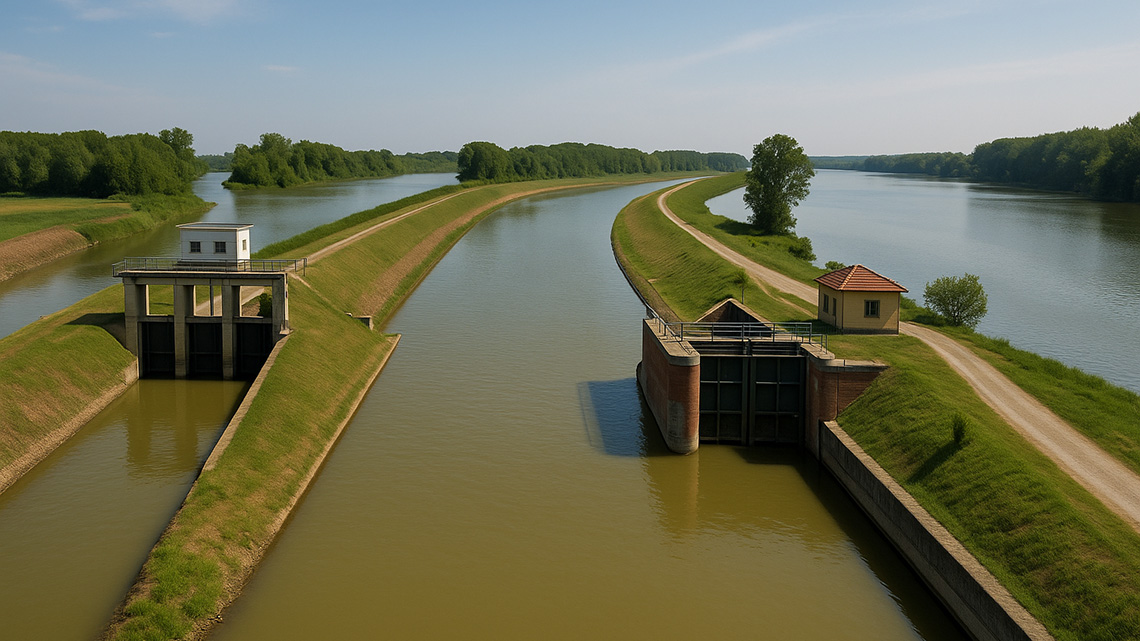
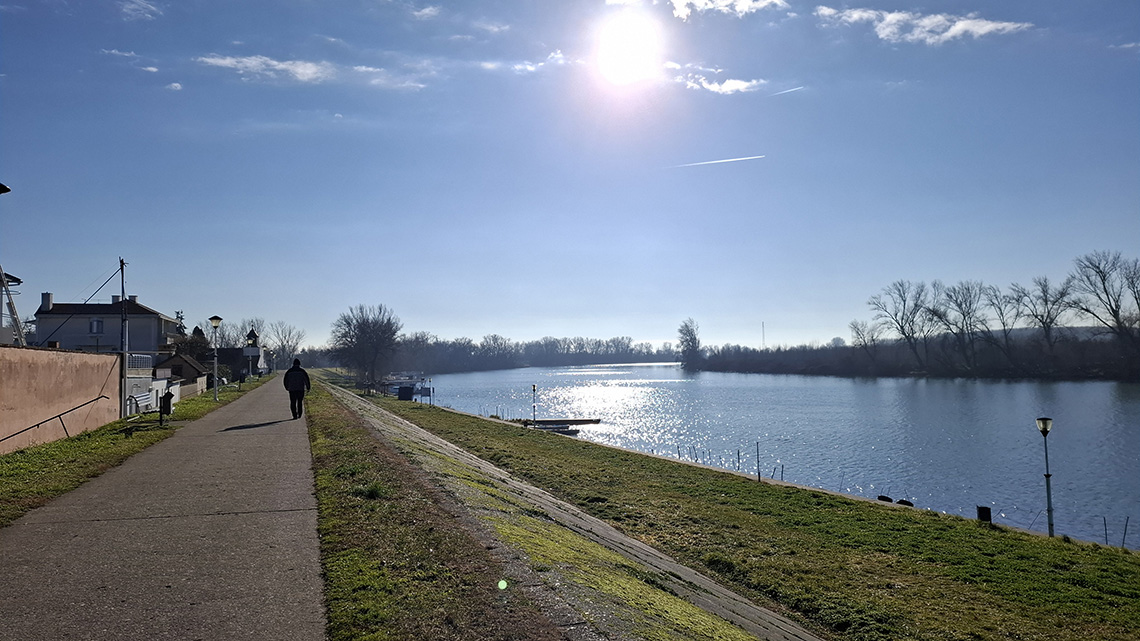
The Tisa River Dam near Novi Bečej is the largest facility of the Danube–Tisa–Danube Hydrosystem. Its primary function is to release water by gravity into the main canal network of Banat, enabling the irrigation of vast agricultural areas and supplying water to other users. In this way, the released water can be used for multiple purposes simultaneously.
- Bogdan Čiplić: An Underrated Artist and Writer
- Peasant Uprising in Novi Bečej: Resistance Against Exploitation and Injustice
- Pavle Janković - Šole: The Poet Who Guided Children Through the World of Imagination and Nature
- Population of the Novi Bečej Subregion: From Positive Growth to Depopulation
- Romance Under the Stars: Serenades of the Past