
In March 1944, a group of underground fighters spent some time at the farmsteads of Dušan Malešev and Sava Pajić in Korektovo. By mid-March, joined by several more activists, they set out for Fruška Gora.
Immerse yourself in the fascinating world of the past and culture of Novi Bečej through our virtual library, where the pages of books turn into windows through time. Here we discover the wealth of local heritage through complete works that bring stories of brave people, important events and unique traditions.
Share this page on social media
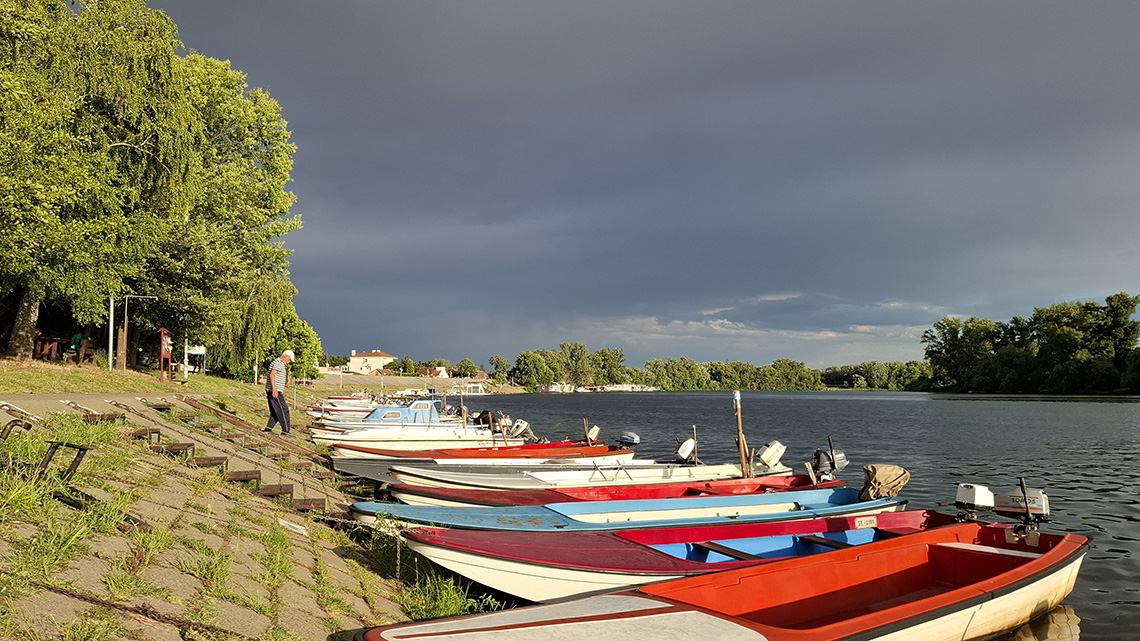
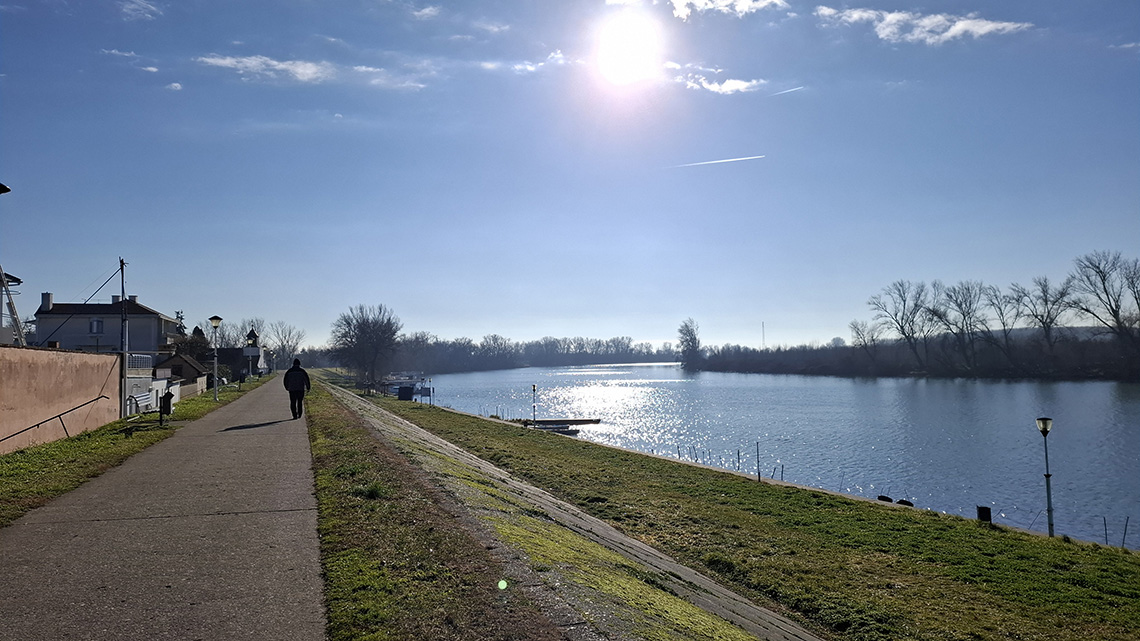
On the dike, from the river navigation agency, today’s Workers’ Home, to the ferry house at the corner of Svetozara Miletića Street, it was a promenade from spring to autumn. It was truly enjoyable to stroll along the dike, admiring the beauty of the Tisa and its forested banks.
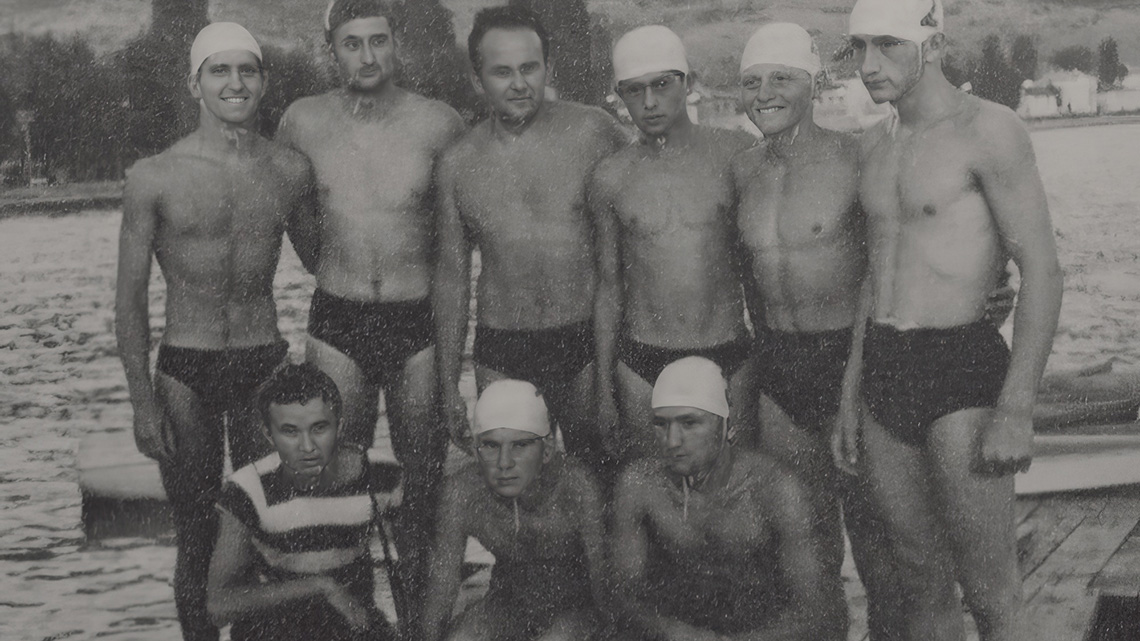
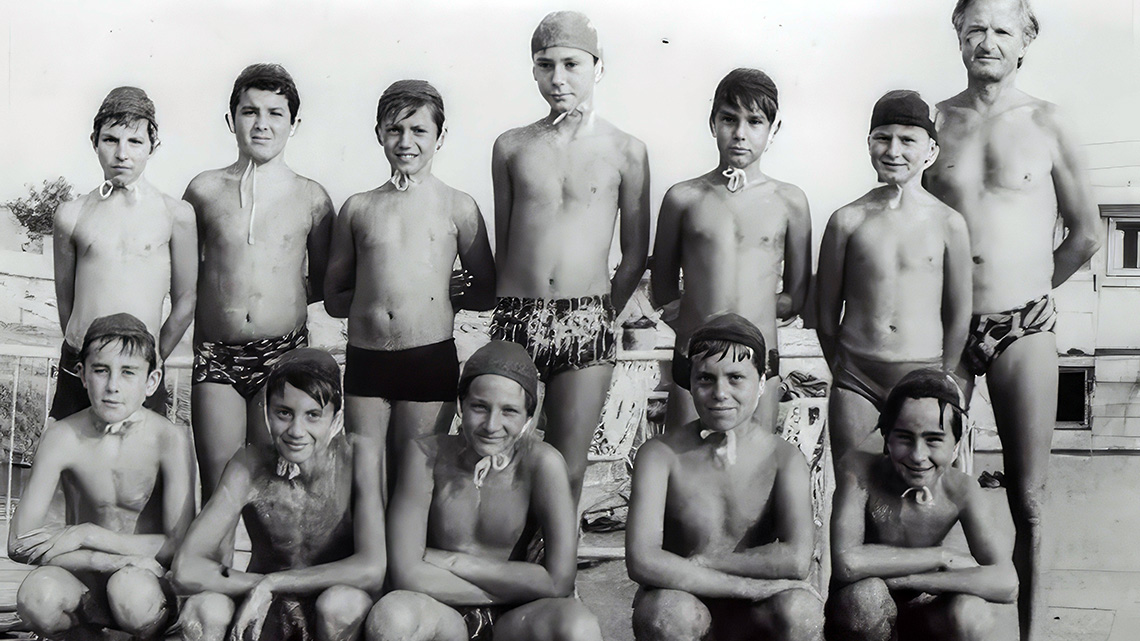
The idea of the Novi Bečej swimmers was accepted, but due to issues with obtaining a permit, the swimming event wasn’t held as originally planned—on August 1st and 2nd—but instead on August 28th and 29th, 1943.
From the manuscript The Great Swimming Day by Branislav Kiselički, we highlight the part describing the welcome of the Belgrade athletes:

After World War I, the parents of Gligorije and Jovanka Popov left Dragutinovo and moved to Rusko Selo in search of a piece of land as part of a “colonization” effort. That small plot of fertile soil, coupled with debt to the Agrarian Bank for building a house and other hardships, made life difficult and impoverished.
May 25–27, 1995
Open Competition for Solo Singers
After the first two “Horizons on the Tisa,” the organizers began preparations for the third festival with even greater enthusiasm and foresight.
The First Serbian Agricultural Cooperative was founded in Vranjevo in November 1909. The founders of the cooperative were: Dušan Vujackov, Bogoljub Malešev, Miloš Isakov, Ivan Popov, Nova Dujin, Živa Malešev, Živko Pejin, Nikola Tomašev, Marinko Perić, Arkadije Miletić, Živa Pantelić, Joca Vrebalov, and Isa Tomašev. Dušan Vujackov was elected president of the cooperative, and Bogoljub Malešev was chosen as the manager, who both played a major role in the establishment of the cooperative.
The children’s football clubs Zvezda and Banat in Novi Bečej effectively existed as early as 1932, rather than 1931 as later stated on Zvezda’s official memorandum. It should also be noted that during its first two years, Banat competed under the name Orao.
In the photographs that tell a story of the past, we see Boško Maksić, known as "Šeboj," once a symbol of hard work and prosperity. Born in Kuman, he was a wealthy farmer and a respected member of his community. However, after World War II, his life took a tragic turn. The forced expropriation of his property by the regime completely shattered his life and stability.
Drinking in front of stores in Serbia is not just a custom – it’s an institution! It dates back to the first store and the first bottle of rakija – essentially, since the dawn of time. Even the old craftsmen in the Ottoman period would take a “merak break,” drinking in front of shops while debating if it would rain.
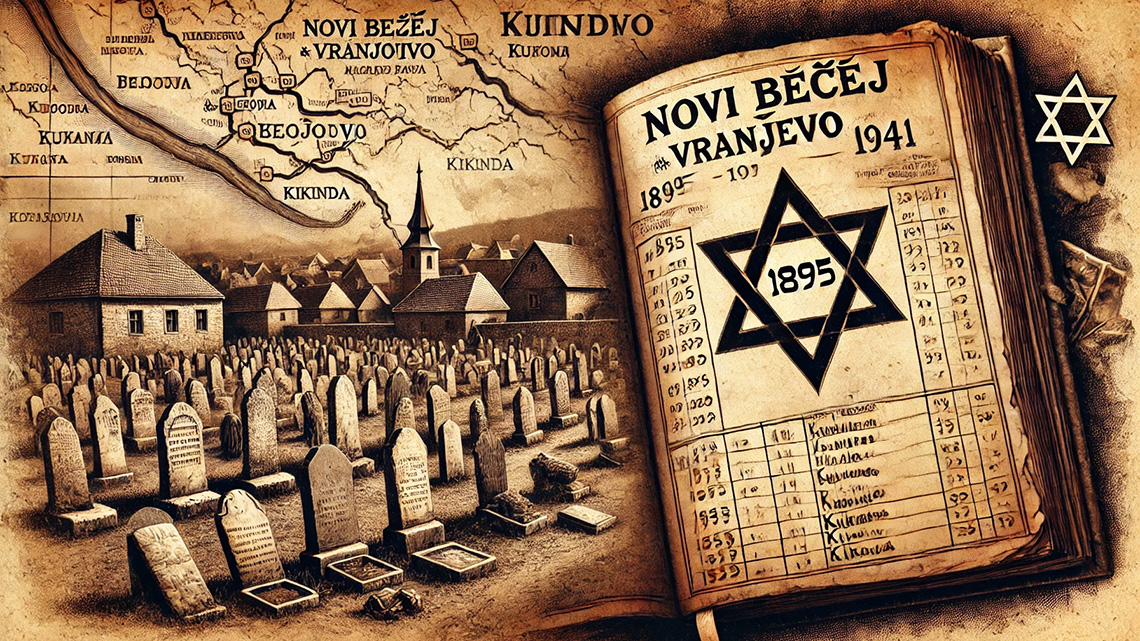
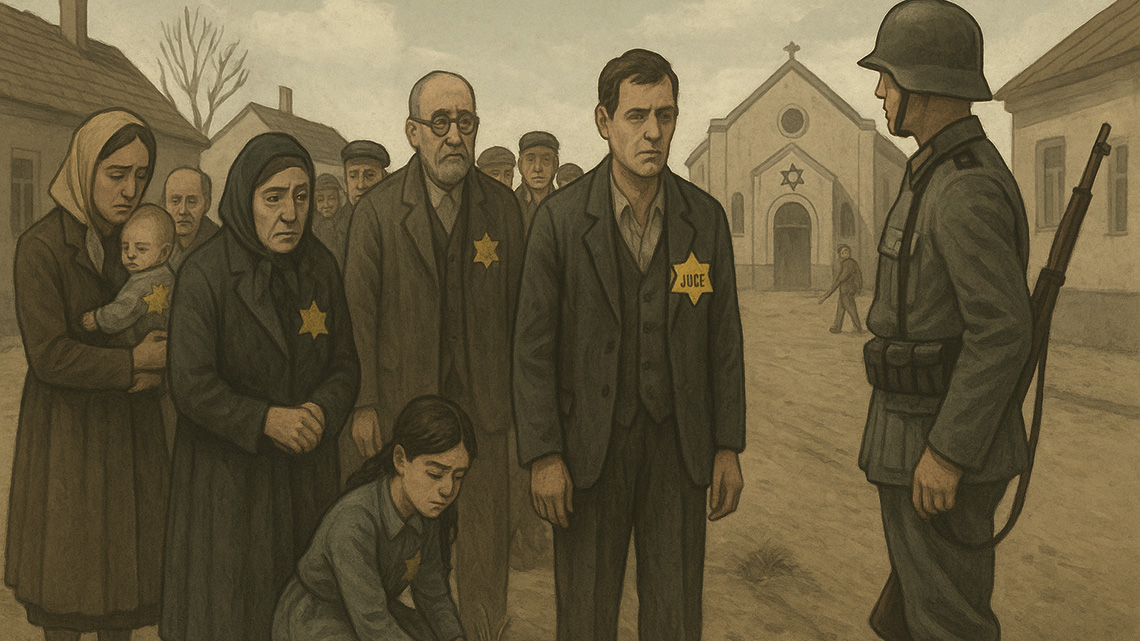
Fifty years have passed since the day when seven hundred Jews from northern Banat, including one hundred and sixty of our fellow citizens, vanished forever from the banks of the Tisa River near Novi Bečej. They were carried away by the black ships of death into the abyss of annihilation.
If anyone were to write a chronicle of this festival, they would have to start with the year 1992, when the children's choir from Bočar, conducted by Zagorka Zaga Jegdić, performed as a guest at the Firemen's House in Negotin during the "Mokranjčevi Days." Numerous witnesses of this musical event were captivated by the singing talent of these children and the freshness of their voices.
The theatrical work of Jovan Knežević is mostly known in fragments, particularly from the time he founded his renowned theatre troupe in the autumn of 1860. At that time, with the political climate shifting in Hungary and greater political freedoms and autonomy being granted (the so-called October Diploma of 1860), an active theatrical life among Serbs was revived after a decade of Bach’s absolutist repression.
The two-story building of the former Tursko-Bečejska Savings Bank is located at 3 Marshal Tito Street, extending from the Schlesinger Palace, at the corner with Gimnazijska Street. According to documentation from the Institute for the Protection of Cultural Monuments in Zrenjanin, written by art historian Vesna Majstorović, the following details about the building are known:
Dragiša Bunjevački, a painter from Novi Bečej and the founder of the group “Selo,” was born in 1925 in Pančevo.
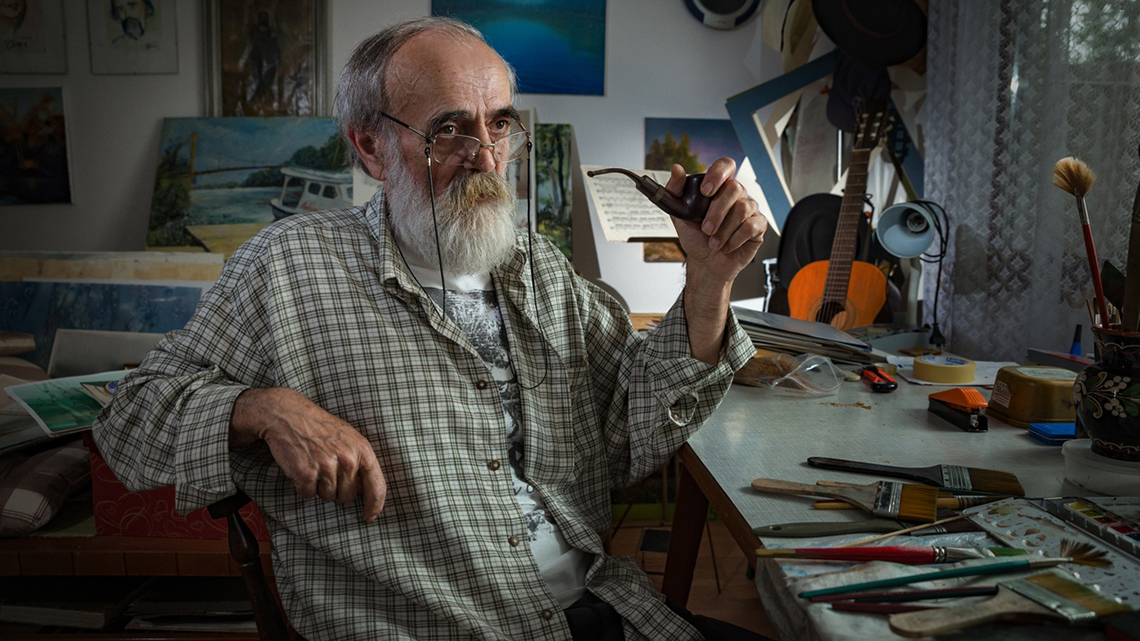
He was an artist who lived to paint, but never lived from painting nor painted merely to survive.
The defeat against Banat, which had experienced adult players, did not discourage the boys of Zvezda. On the contrary, they devoted themselves even more to training and played two away matches – the first in Bašaid and the second in Baodra. In these games, Zvezda also included a few former Jedinstvo players, which added physical strength to the team, but it came at the cost of the technical combination play that had been their trademark. Had they continued this way, Zvezda probably would not have fared better than Banat.
Last night, at half past seven, a member of the Serbian National Theatre, Serbian actor and writer, the most outstanding theatrical character artist in the Slavic South—Laza Telečki—passed away at the age of 33. Tuberculosis, which has become a common ailment among the youth, and in his case, almost a family curse—having already claimed two of his brothers and a sister—has taken his life.
He was, heart and soul, bound to Vojvodina. However, those who ingratiated themselves with politicians, receiving authority and promotion to influence the cultural development of the province, saw his dedication as intrusive.
"Polet," a brick and tile factory, was founded in Novi Bečej by the Bon brothers in the early 20th century. They already owned similar factories in Kikinda and Žombol, recognizing the high quality of the clay in Novi Bečej, which proved to be quite profitable for them. They began investing substantial funds into this factory as well.
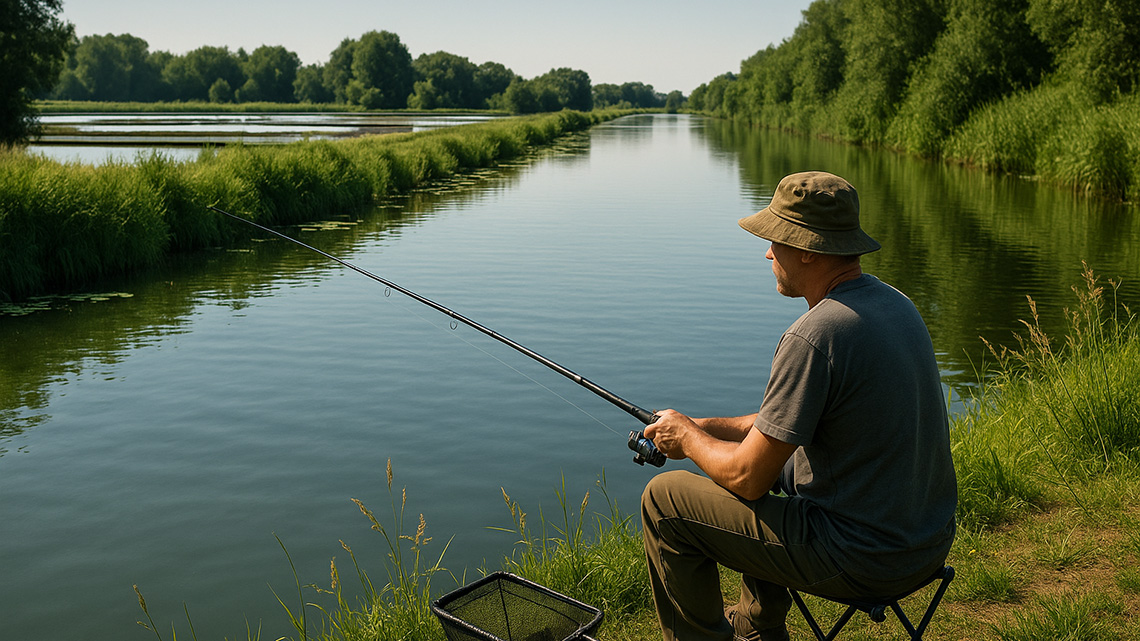
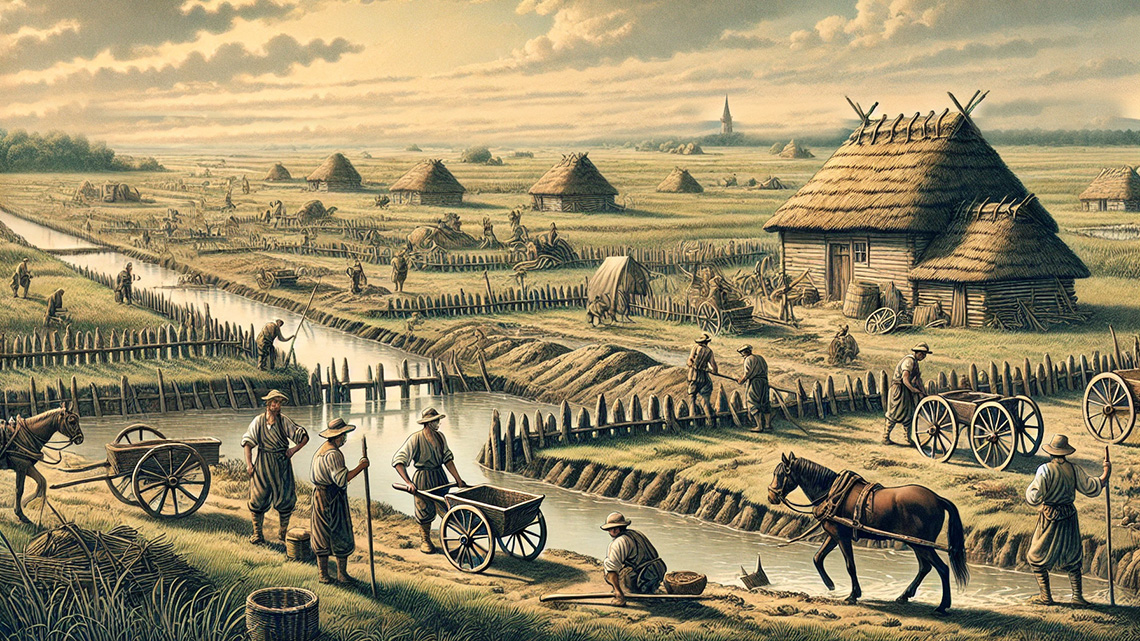
The development of fisheries along the Main Canal Network (OKM) is observed through:
- the use of canal water for recreational and commercial fishing, and
- the supply of fishponds with water along the OKM.
Ferenc Gomba, affectionately known by his friends and teammates as Feri or Frici, was the complete opposite in temperament to his older brother Laci. Quick, lively, and passionate, he stood out as a left winger for DMKS Turul from the very start of the 1941/42 season.
The word salaš is of Hungarian origin (szállás) and has been in use since the 13th century. Even today, numerous settlements in Hungary bear the suffix -szállás in their names, such as Kisújszállás, Jakabszállás, Kunszállás, Fülöpszállás, Szabadszállás, and others.
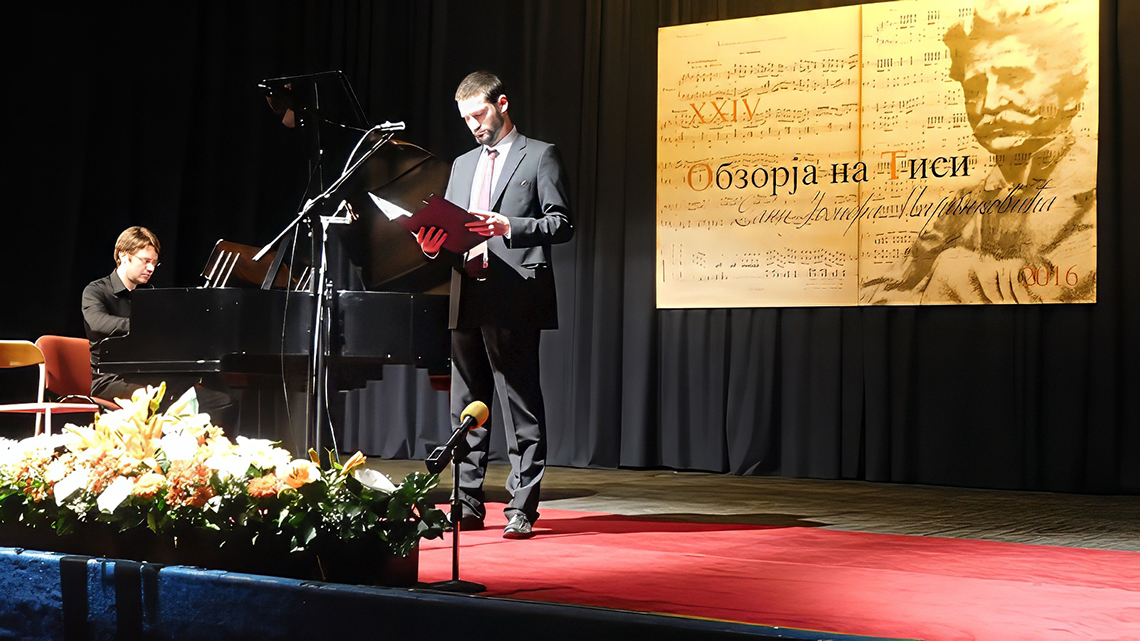
19–21 May 2004
Open Competition for Solo Singers
The biennial alternation between the solo singers’ competition and the invitational composers’ competition for solo songs found its rhythm, so the 12th edition of “Horizons on the Tisa” was marked by the fifth open competition for solo singers.
Fifty years ago, Novi Bečej was the site of one of the terrible crimes of World War II. After five months of imprisonment, the Jewish community, which had existed in our town for more than one hundred and fifty years, disappeared in a single day and forever. Generations after the war could neither learn about nor experience the presence of these people, who were extremely important for the economic and cultural development of our community.
Folk songs like "Hey homesteads, I will come to you again..." or "Hey homesteads in the north of Bačka," with their exceptional melody and perhaps perfectly chosen words, awaken a longing for homesteads even in those who have never experienced their charms in reality.
The total length of navigable canals currently amounts to:
- in Banat: 309 km
- in Bačka: 355 km
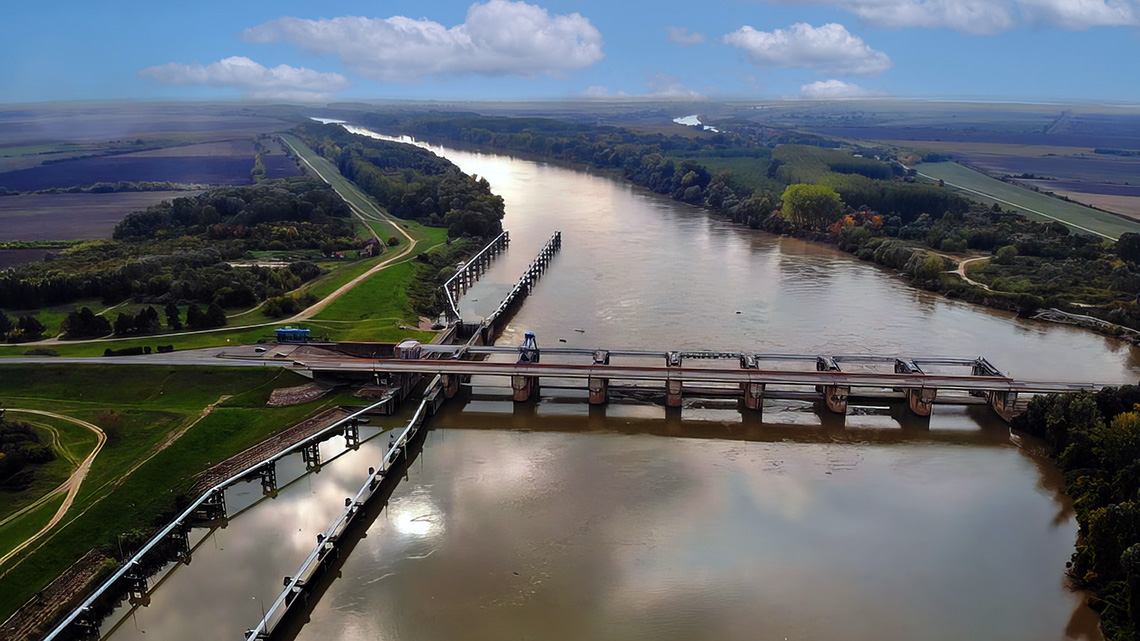
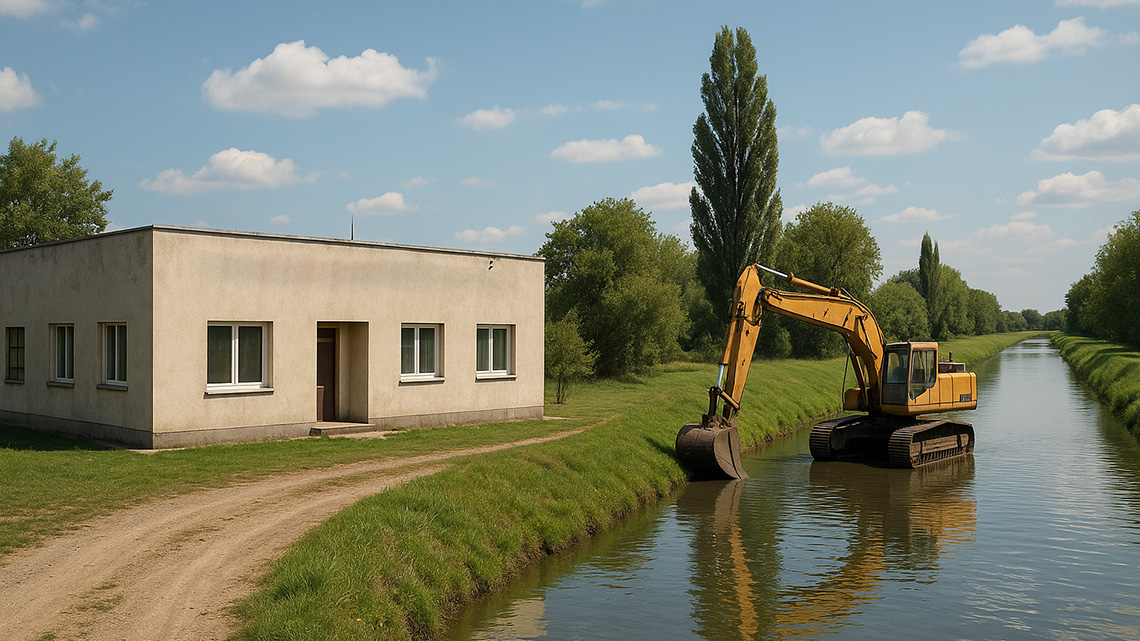
Ustava Novi Bečej (Magistral Canal km 146.66)
The Ustava Novi Bečej was built as a structure for releasing water into the primary canal network to supply Banat with water, as well as for discharging excess water from the Banat section of the canal system into the Tisa River.
How This Booklet Came to Be
When my article titled “Kumane” appeared in the Yugoslav Daily on August 2, 1931 (issue no. 202), my parishioners received it with great enthusiasm. It was read aloud in gatherings and on street corners before groups of listeners. Soon, many expressed the wish that it be printed as a small booklet and distributed among the people of my parish.
A) Period from 1845 to 1945
In the area of today's municipality of Novi Bečej, several water cooperatives existed, starting from 1845, which were either dissolved or reorganized into different forms by 1945:
- Upper Banat Potiska Water Cooperative (1845-1945),
- Bočar-Iđoš Water Cooperative (1886-1945),
- Galad Water Cooperative (1891-1945),
- Novi Bečej Water Cooperative (1858-1945).
- The Jewish Community in Novi Bečej from 1919 to 1941
- Branislav Stojančev Paša – Master of Watercolor and Guitar Virtuoso from Novi Bečej
- Water Management Organizations in Vojvodina (1945-1963): Development and Challenges
- Horizons on the Tisa – Days of Josif Marinković in Novi Bečej (1993)
- Tragedy in Novi Bečej: The Fate of the Jewish Community in 1941