



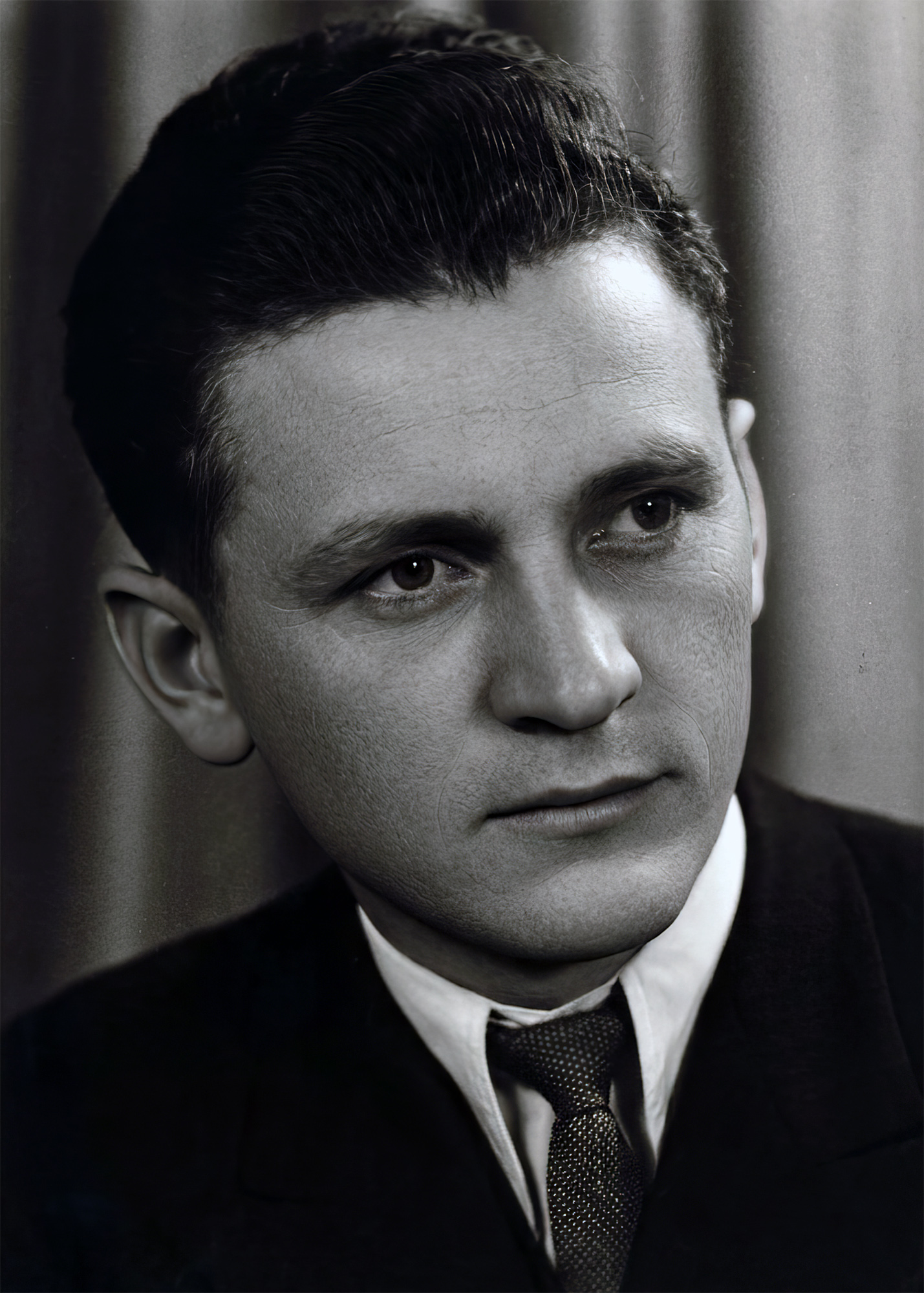
Radovan Svilengaćin (1926–1976) was a long-time director of the “Vojvodina” Cinema in Novi Bečej and one of the most important figures in the development of film culture in this town.
Immerse yourself in the fascinating world of the past and culture of Novi Bečej through our virtual library, where the pages of books turn into windows through time. Here we discover the wealth of local heritage through complete works that bring stories of brave people, important events and unique traditions.
Share this page on social media

Vasa Popović
Chronicle of Water Management in Vojvodina
Irrigation
Irrigation is one of the most important functions of the primary canal network, as it enables the distribution of water from the Tisa River into the central parts of Banat. According to project plans, the primary canal network should supply water for the irrigation of approximately 300,000 hectares in Banat. The intake of Tisa water in this region is carried out by gravity.

Prof. Dr. Aleksandar Kasaš
Personalities and Events: The Past of Novi Bečej
The medieval settlement of Arača is located on the southern shore of Crna Bara, a watercourse within the alluvial plain of the Tisza River, about 13 kilometers east of its riverbed. The name of this settlement, also referred to in sources as Potiska Arača, is associated with the ruins of a basilica and monastery.

Vasa Popović
Chronicle of Water Management in Vojvodina
The development of fisheries along the Main Canal Network (OKM) is observed through:
- the use of canal water for recreational and commercial fishing, and
- the supply of fishponds with water along the OKM.

Koviljka Smiljković
Personalities and Events: The Past of Novi Bečej
Dragiša Bunjevački, a painter from Novi Bečej and the founder of the group “Selo,” was born in 1925 in Pančevo.
He was an artist who lived to paint, but never lived from painting nor painted merely to survive.
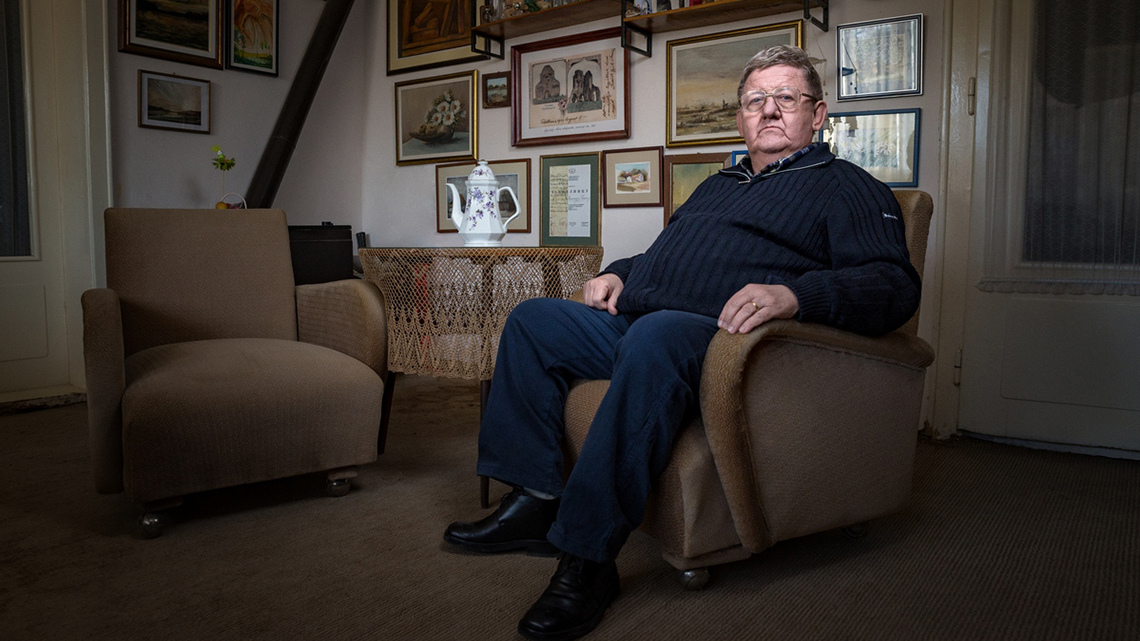
The most renowned historian from Novi Bečej, Professor Dr. Aleksandar Kasaš, was born on January 27, 1952. He completed his primary and secondary education in Novi Bečej, undergraduate studies in history in Novi Sad, and his master’s degree in Belgrade.

Branislav Kiselički
The Emergence, Development, and Destruction of the Jewish Community in Novi Bečej
The general characteristic of this era was the strong development of industrialization, modernization of transportation, with a marked preference for railroads. Novi Bečej, in such conditions, had nothing to offer. In fact, it lost its previous advantage, and this was the cause of its increasing lag behind Veliki Bečkerek and Velika Kikinda, which gained new momentum.

Branislav Kiselički
The Emergence, Development, and Destruction of the Jewish Community in Novi Bečej
Fifty years ago, Novi Bečej was the site of one of the terrible crimes of World War II. After five months of imprisonment, the Jewish community, which had existed in our town for more than one hundred and fifty years, disappeared in a single day and forever. Generations after the war could neither learn about nor experience the presence of these people, who were extremely important for the economic and cultural development of our community.

Vasa Popović
Chronicle of Water Management in Vojvodina
In geographical terms, Banat is a region in the southern part of the vast Pannonian Plain, bordered by the rivers Mureș, Tisza, Danube, and the Transylvanian Alps. A large portion of Banat lies in Romania, a small part in Hungary, while the Yugoslavian section is located along the lower courses of the mentioned rivers.
Branislav Kiselički
The Emergence, Development, and Destruction of the Jewish Community in Novi Bečej
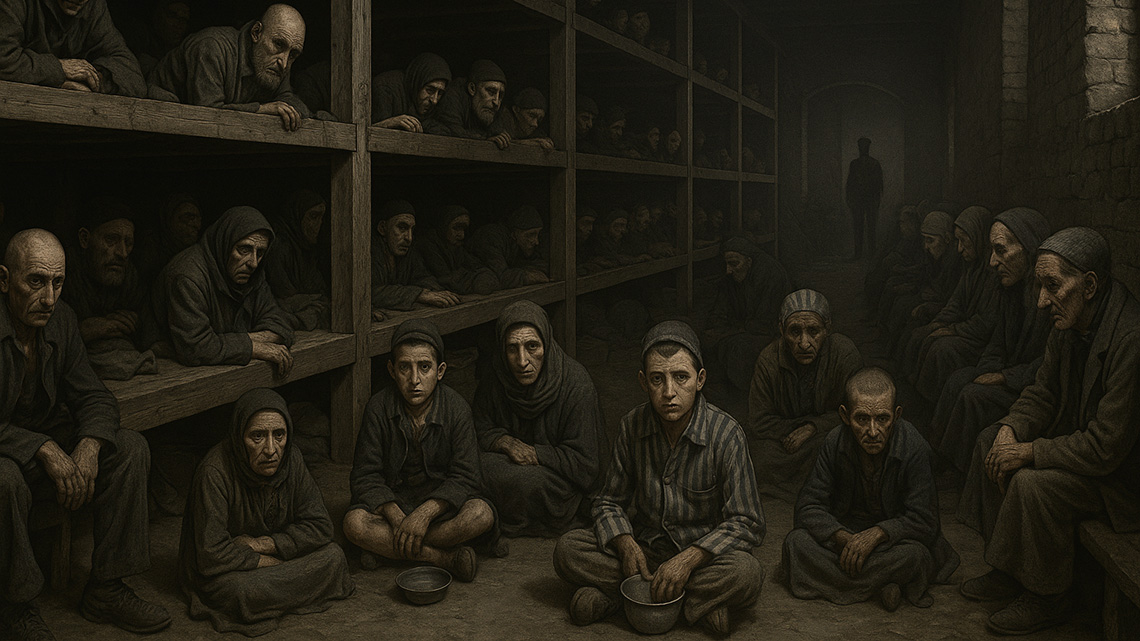
The only available testimony describing the living conditions in the Novi Bečej concentration camp comes from Tihomir Ungar from Novi Sad. At the time, he was a child imprisoned in the camp along with his entire family, who had been brought from Novi Kneževac to the temporary holding facility in Novi Bečej, where they awaited deportation.
Vasa Popović
Chronicle of Water Management in Vojvodina
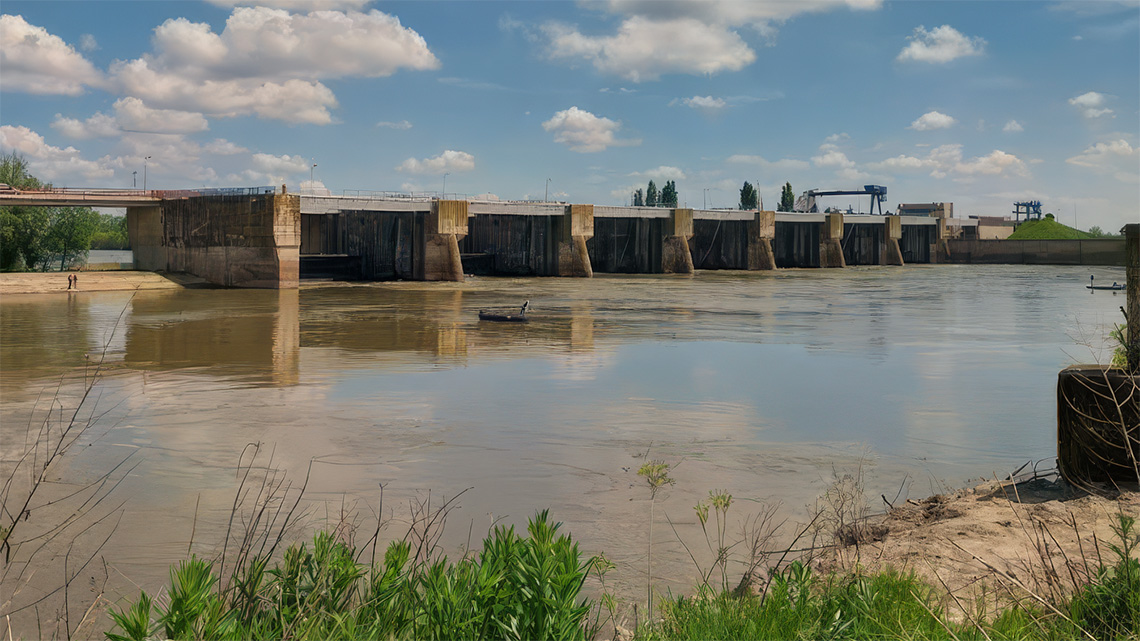
In the early 1960s, canal excavation works began in this area, followed by the construction of significant water management structures. The completion of the dam on the Tisa River in 1977 marked the final phase of these activities. All completed infrastructure was taken over by the Water Management Organization "Gornji Banat," and as the systems gradually became operational, dedicated operational sections were established.

Sava Baračkov was born in 1929 in Kumane, Banat, where he completed elementary school. He attended construction and architectural secondary schools in Novi Bečej, Petrovgrad, and Novi Sad. In 1955, he graduated from the Department of Scenography at the Academy of Applied Arts in Belgrade, under the mentorship of Professor Milenko Šerban.

Mihalj Mesaroš was born in Novi Bečej in 1935, in an era when dreams were shaped on dusty football pitches and the game itself was played more with the heart than for reward. His first steps toward the wider world were taken in Zrenjanin, from where, at only eighteen years of age, his exceptional talent carried him further than he could have imagined — straight into the ranks of FK Partizan.
Članaka
0
Articles