
Discover interesting and educational short facts about the history, culture, traditions, and other topics related to Novi Bečej and Banat. Learn about key events, figures, and traditions that have shaped this region.
Share this page on social media
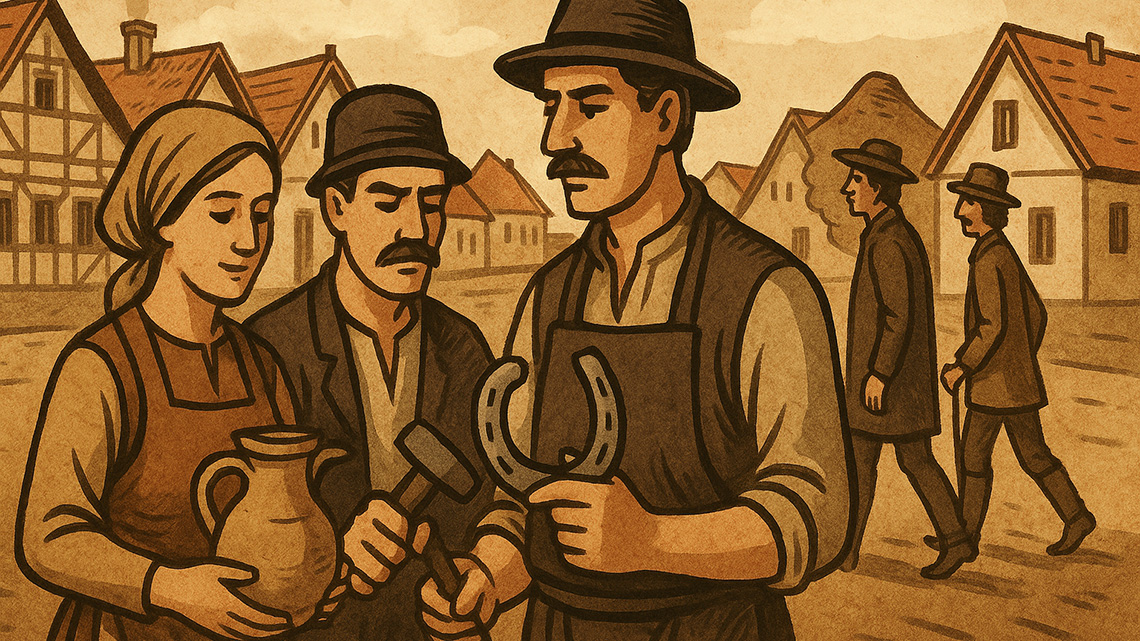
Vranjevo was established in 1751 when border guards, including those from Stari Bečej, Bačko Petrovo Selo, and Mol, moved to Banat. Interestingly, the name "Vranjevo" likely originated from the name of Francis of Lorraine, the husband of Maria Theresa. Later, Hungarians, especially craftsmen and millers, settled in Vranjevo.
In the area of Novi Bečej, remains of Roman military camps and fortifications have been discovered, including vaulted corridors made of bricks, uncovered during the construction of the Workers' Hall in 1975, as well as the foundations of the "Tiski Cvet" Hotel and the Health Center. These finds confirm that Novi Bečej was inhabited during Roman times.
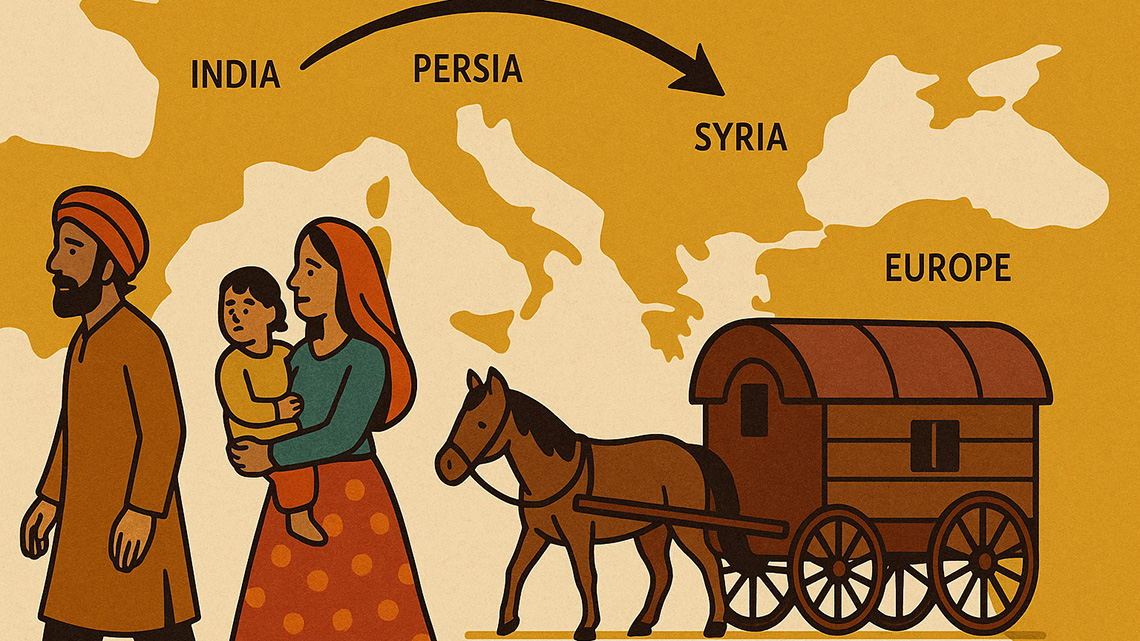
The Roma originate from Asia, most likely from India, and migrated through Persia, Asia Minor, and Syria before reaching Europe. They arrived in Europe during the 14th century, entering various parts of the continent, including the Balkans. A larger number of Roma settled in Serbia during the period of Ottoman rule, while others came later from Romania, which led to the development of specific dialects, such as the Romanian language spoken among the Roma of Vranjevo.
💡 Learn more about this: Roma in Novi Bečej and Vranjevo
According to tradition, the settlement of Vranjevo got its name from the hundreds of crows that inhabited the area, and in 1782, it was recorded that as many as 9,623 crows were killed in the Bečej-Vranjevo forest.
Throughout history, Novi Bečej and its surrounding areas have been key battlegrounds and migration points for many peoples, such as the Goths, Huns, Gepids, Avars, Slavs, and even Hungarians. For example, the Avars ruled these lands for two centuries, and their reign was ended by Charlemagne in 803.
Mehmed-paša Sokolović, of Serbian origin, played a key role in the restoration of the Peć Patriarchate and in Turkey's political strategy, as its existence provided a peaceful backdrop for further conquests, including plans to capture Vienna.
During the year 1594, the Serbs in Banat launched their first uprising against the Ottomans on the occupied territory, temporarily capturing the towns of Bečej and Bečkerek (modern-day Novi Bečej and Zrenjanin).
During the last Austro-Turkish War (Koča’s Frontier Rebellion), 228 Serbs from Šumadija and Pomoravlje settled in Vranjevo. This event holds special significance in the history of Novi Bečej.
The fortress in Novi Bečej was demolished only in 1701, two years after the signing of the Treaty of Karlowitz, despite the treaty's provisions stipulating its earlier destruction.
The settlement of Hungarians in Banat, especially in Debeljača, had a significant impact on the advancement of agriculture, as the Hungarians, being experienced workers, played a key role in river regulation, marsh drainage, and tobacco cultivation.
💡 Learn more about this: Hungarians in Banat: Drivers of the Agricultural Revolution
The Ottomans conquered Bečej on September 19, 1551, after four days of fighting. Although the Hungarians attempted to organize a defense, the Ottomans ultimately captured the city and killed all the defenders.
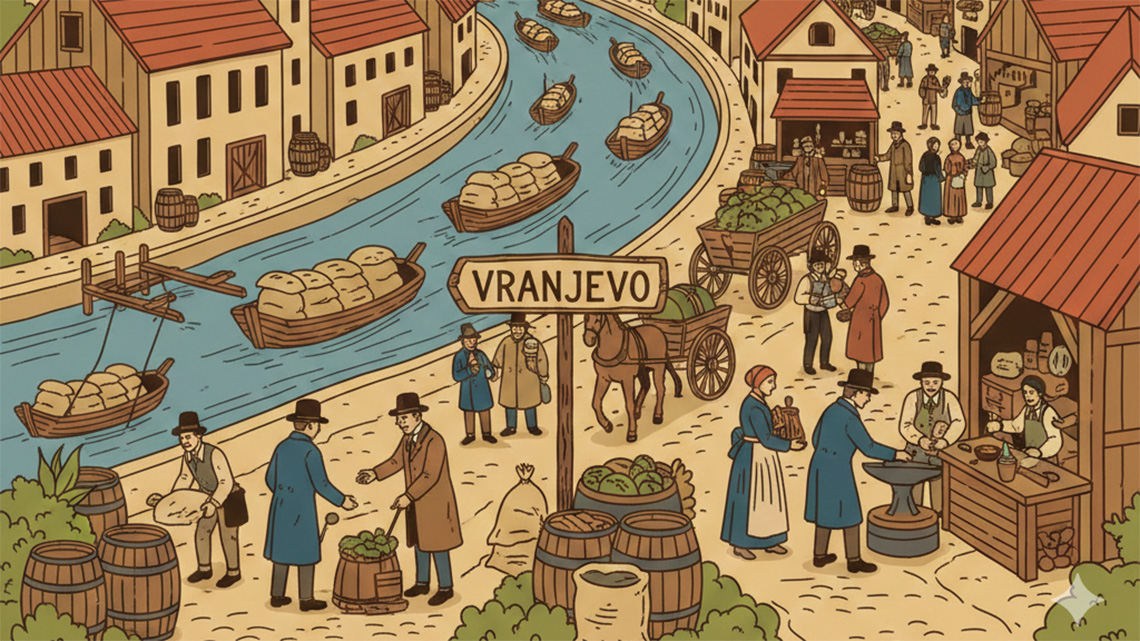
When Josif Marinković was growing up, Vranjevo was the most developed settlement in the Great Kikinda District, thanks to the commercial activity that emerged due to its proximity to the navigable arm of the Tisa River. Vranjevo was an important trading hub, with large warehouses for the export of grain, which attracted numerous merchants and craftsmen to settle and conduct their businesses in the area.
On October 20, 1941, during the occupation, several dozen prominent citizens and politicians from the Novi Bečej District were arrested. During their ten-day detention, the prisoners were forced to listen to "lectures" from pro-Nedić chauvinists, who urged them to support the quisling government and join the fight against the communist resistance, portraying it as a threat to the Serbian fate.
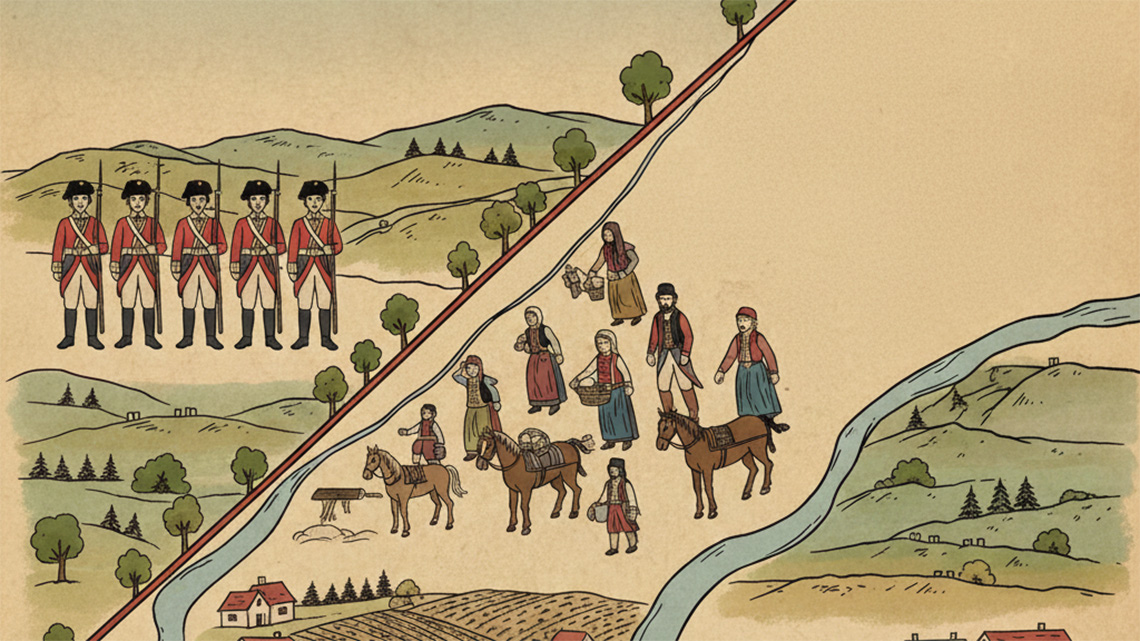
After the Treaty of Karlowitz, Austria resettled Serbs from the areas around Esztergom and Buda along the newly established Tisza-Mureș border, thereby securing the defense of its newly acquired territories.
In 1331, Bečej became the first royal free city in Banat, gaining special status within the Kingdom of Hungary. The city was also the seat of the Torontal County, which covered a broader territory in this part of Hungary. During this period, Bečej became an important administrative and commercial center.
Although there are various theories, Bečej is mentioned in historical records as early as 1091, when the Cumans crossed the Tisa near Bečej. While the sources are sometimes unclear, it is believed that Bečej existed as a settlement during that period. It is also possible that it was administratively part of Bačka County, despite being located on the right bank of the Tisa in Banat.
Mehmed Pasha Sokolović was a key Ottoman commander in the conquest of Banat. Interestingly, during the battles for Bečej and Bečkerek, he used the Serbian language in communication with Hungarian representatives, which was part of the Ottoman policy of peace and stability in the region.
After the Treaties of Karlowitz and Požarevac, the Potisje-Pomorišje Frontier was no longer necessary, which allowed Austria to carry out the colonization of Germans. However, it was only in 1741, under pressure from the Hungarian nobility, that Maria Theresa annexed these territories to the counties.
In the 19th century, Vranjevo was a center of education, as the Serbian primary school had the same number of students as the one in Kikinda. Over time, there was significant interest in secondary and higher education. The people of Vranjevo pursued studies at prestigious institutions, such as the Sombor Preparandija, which was the most prominent school for Vojvodina's Serbs at the time.
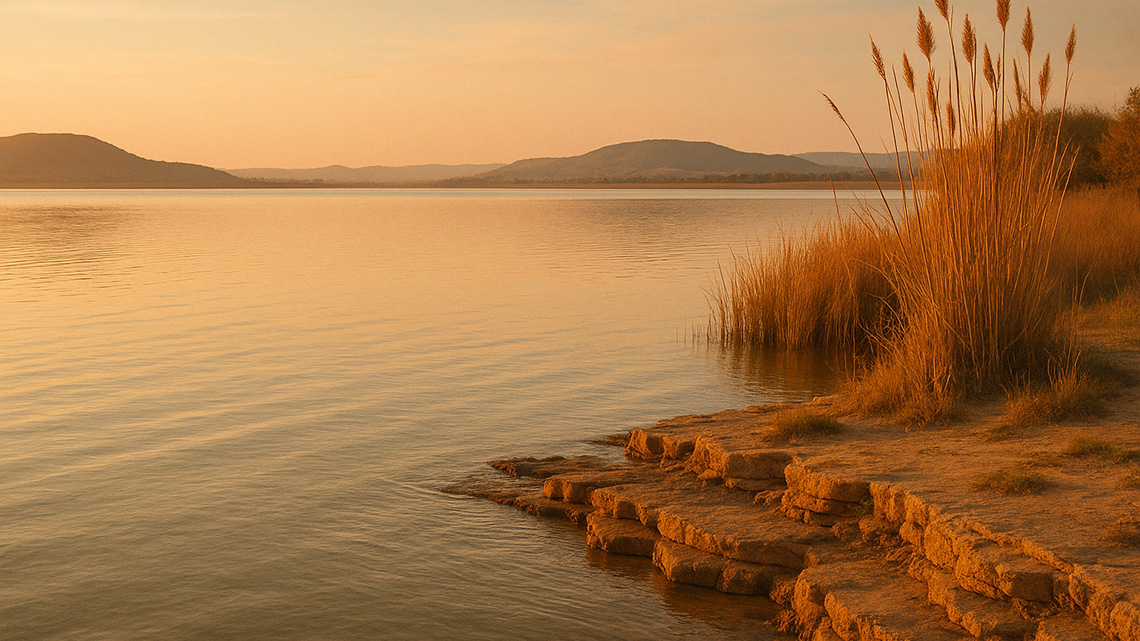
The Pannonian Sea existed about 30 million years ago and disappeared more than 600,000 years ago. Its remnants are still present today in the form of lakes such as Lake Neusiedl, Lake Balaton, and Lake Palić. This water left behind rich deposits of oil, lignite, brown coal, and other mineral resources.
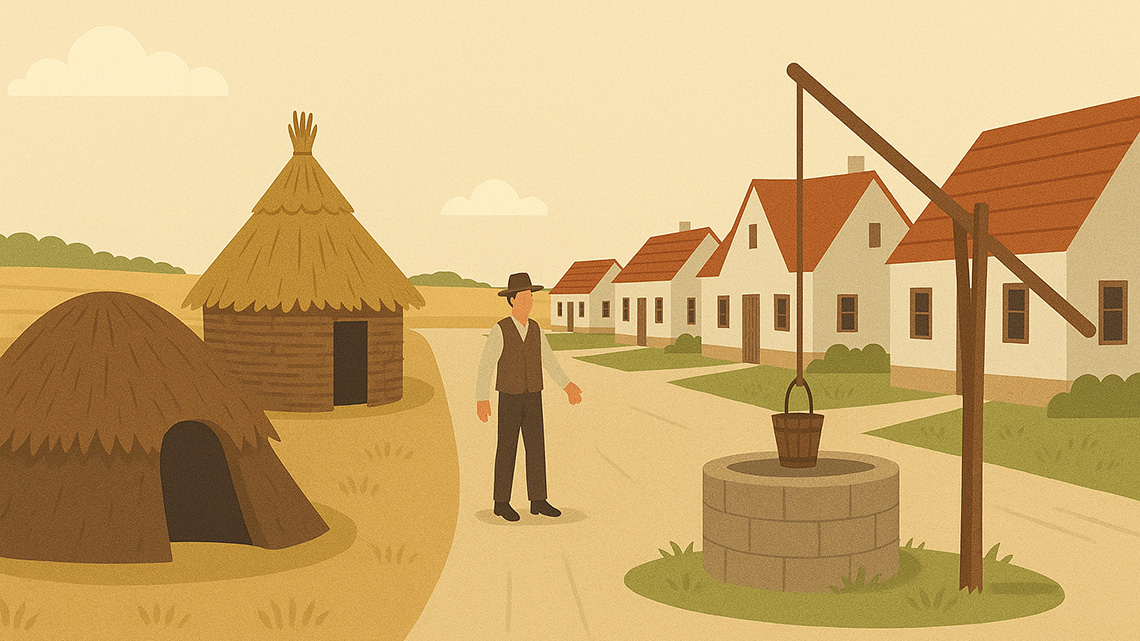
Until the mid-18th century, the population of Banat mostly lived in dugouts, and huts made of wattle and reed, which were easily abandoned due to their nomadic way of life. It was only later that villages began to be systematically built, with aligned streets and wells.
💡 Learn more about this: Planned Colonization of Banat
According to the development plan for Banat, mulberry trees were planted along roads and on common pastures. They were used for silkworm cultivation, but also provided shade for farmers and livestock in the flat farmland areas.
💡 Learn more about this: Planned Colonization of Banat

After the conquest of Banat, the Turks settled several new Serbian families in almost every village, but they allowed Serbian soldiers to retain their faith, which was a rarity in the Ottoman Empire at the time.
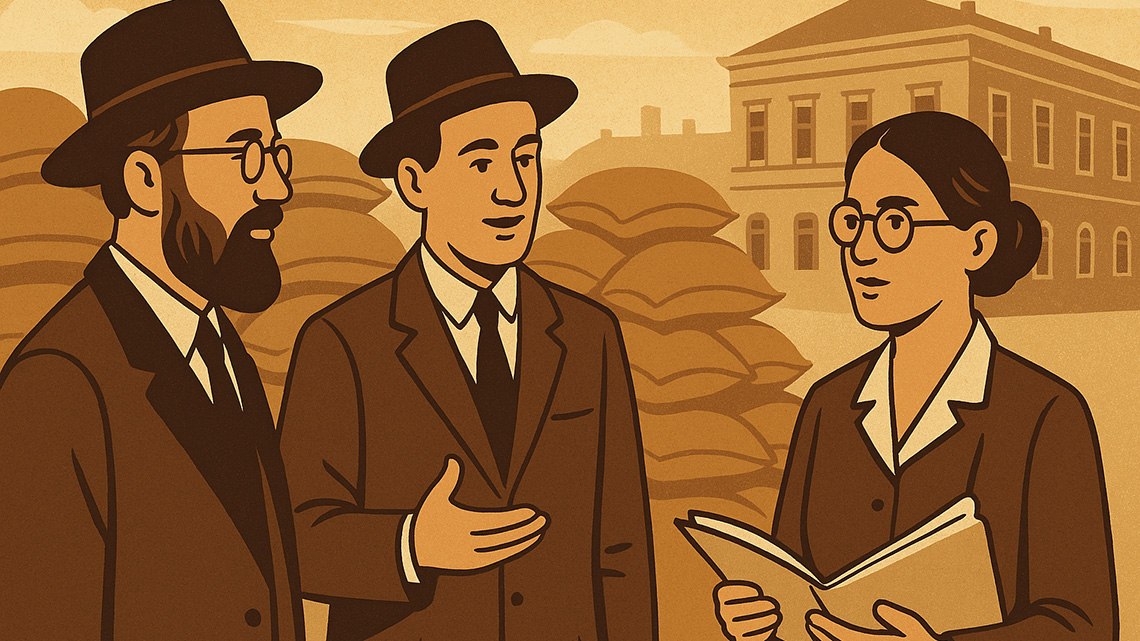
The Jewish community in Novi Bečej achieved significant economic success, particularly in trade. Their involvement in the grain trade, which they fully took over at the beginning of the 20th century, enabled them to become prominent members of society. Additionally, many of them became respected intellectuals, including lawyers and doctors.
💡 Learn more about this: Economic Rise and Contribution to the Development of Novi Bečej
Since the Middle Ages, Bečej has been an important settlement due to its strategic location along the Tisza River, facilitating trade and connections with southern kingdoms, particularly the Byzantine Empire. It flourished during times of prosperity, but its most challenging periods occurred during the Mongol invasions in the 13th century.
The restoration of the Peć Patriarchate in 1557 was one of the greatest political successes of the Serbs, as it united the Serbian people, from Thessalonica to Buda, into a unified religious, ethnic, political, and cultural community.
Hungarians began settling in Novi Bečej even before the Treaty of Belgrade in 1739. Among the first settlers were craftsmen from Belgrade and Szeged, who later also settled in Veliki Bečkerek.
After the expulsion of the Turks, Austria colonized Banat with German settlers, recognizing the importance of this region for both agricultural production and political security, as the Germans were loyal to the Austrian authorities.
During the early period of Theresian colonization (1739–1749), several German families settled in Novi Bečej, but they later assimilated and became Hungarians through marriages and integration into the local community.
Origin of the Name Bečej: The Influence of the Beche Tribe and the Spread of Christianity in Hungary
According to one interpretation, the name Bečej originates from the French tribe Beche, which settled in this region during the reign of Hungarian King Stephen I. Two families from this tribe, Beche and Gregor, played a significant role in spreading Christianity in Hungary. The settlements they established, including Bečej, carried their names. This name allegedly resulted from a misinterpretation by the Hungarians.
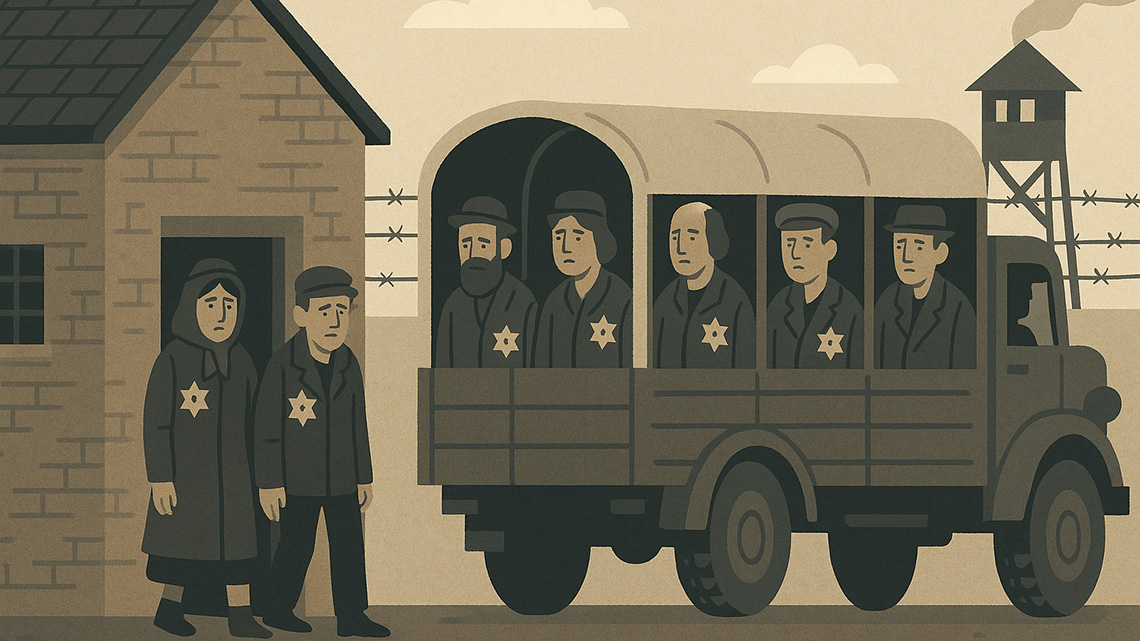
After the occupation, the Jews of Novi Bečej were interned in a local warehouse and later transported to concentration camps, where most of them perished. Those who survived the war were few, among them the family of Adolf Schlesinger, a grain merchant, who managed to escape to safer parts of Yugoslavia before the occupation.
💡 Learn more about this: Tragic Fate During World War II
Before World War I, only a few towns in Banat had their written histories, and Novi Bečej and Vranjevo were not among them. The written histories of these places were rarely recorded, mostly through the works of Hungarian and German historians.
After the expulsion of the Turks, the settlers of Novi Bečej returned to the area where Bečej once stood, and the settlement was named Novi Bečej.
A sword found in the ruins of Bečej Fortress could be further evidence of Bečej's existence in the 11th century. Although there are discrepancies regarding some details, this sword suggests that Bečej played a significant role during that time.