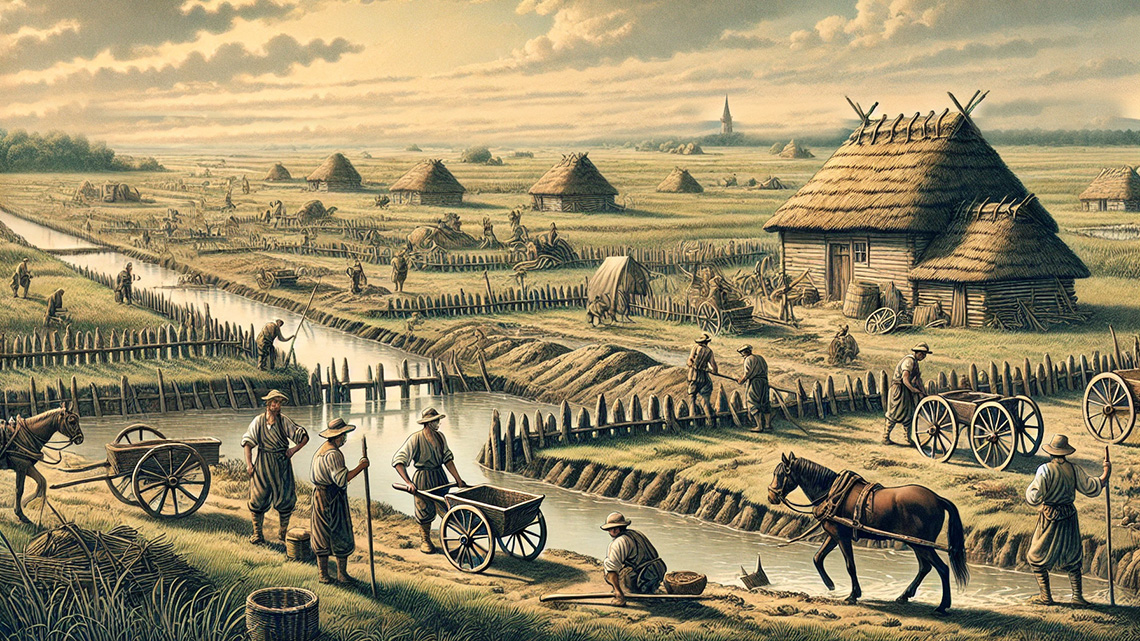

Until 1978, there was only one water management organization operating in this region — the Water Management Organization "Gornji Banat," headquartered in Kikinda. After 1978, a new organization was established: the Water Management Organization "Basic Canal Network" (OKM), based in Novi Sad.

Immerse yourself in the fascinating world of the past and culture of Novi Bečej through our virtual library, where the pages of books turn into windows through time. Here we discover the wealth of local heritage through complete works that bring stories of brave people, important events and unique traditions.
Share this page on social media
Between 1945 and 1963, two Water Management Organizations covered the area of the municipality: the Upper Banat Water Organization, with its headquarters in Kikinda, north of Novi Bečej, and the Tisa Water Organization, based in Zrenjanin, south of Novi Bečej. Thus, two water communities existed:
- Upper Banat Water Community (1945-1963)
- Tisa Water Community (1945-1963)
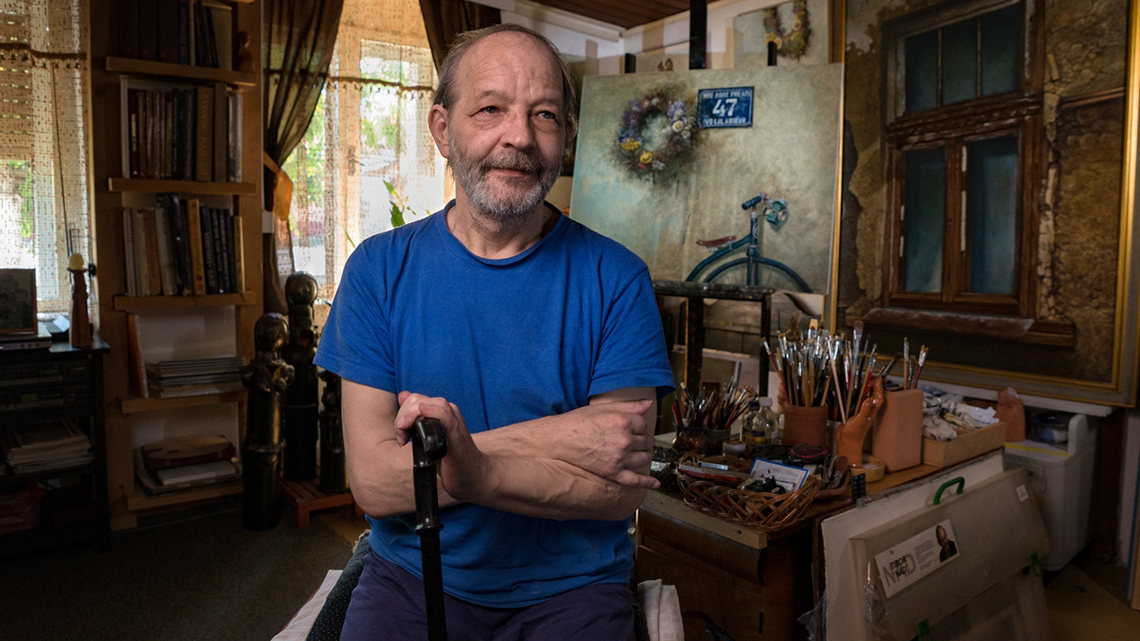
Tibor Nađ was born in 1952 in Novi Bečej. He graduated from the School of Applied Arts in Novi Sad in 1973. His work spans painting, industrial design, and unique ceramics.
Altered economic conditions and the development of productive forces in agriculture are the main reasons for the disappearance of farmhouses. With the reduction of land ownership limits after World War II, first to 20, and then to 10 hectares, farmhouses lose their previous significance in production.
The only prominent Jew from Novi Bečej who was not arrested at the time was Dr. Dezider Kanic, a lawyer. He made direct contact with the military commander of the town and, proving that he had served as a German "Uhlan" officer, managed to obtain permission to move to Hungary (see the testimony of Dr. Viktor Jordanić).
In Novi Bečej, even before the establishment of the Yugoslav Bowling Federation in Belgrade, there was already a very active bowling section. There is no written record of when the bowling section was originally formed, but based on documentation preserved and made available by the well-known collector from Novi Bečej, Andre Karolj, it is evident that since 1948, within the Unified Physical Culture Society “Zvezda,” in Vološinovo (the post-war name for Novi Bečej), alongside football, basketball, table tennis, swimming, and chess sections, there was also a very active bowling section.
After drainage, water supply has taken the most significant place. Future water consumption from the Basic Canal Network (OKM) and the spatial distribution of water demand have been considered. The characteristics of the OKM's water intake points on the Danube and Tisa Rivers have been studied, with attention to technical reliability and cost-effectiveness of water supply.
Irrigation
Irrigation is one of the most important functions of the primary canal network, as it enables the distribution of water from the Tisa River into the central parts of Banat. According to project plans, the primary canal network should supply water for the irrigation of approximately 300,000 hectares in Banat. The intake of Tisa water in this region is carried out by gravity.
24–27 May 2005
Invitation Composers’ Competition
The 13th edition of the event “Horizons on the Tisa” – Josif Marinković Days began on 18 May in Belgrade, when a delegation from Novi Bečej laid flowers at the graves of Josif Marinković and his grandson, Dr. Ivan Valčić. On the official opening day, 24 May, a wreath was also placed on the building of the former birthplace of the composer in Novi Bečej.
Dr Ljubomir Pavlović was born in Novi Bečej on June 18, 1868, into the family of Nikita Pavlović, a gingerbread maker, and his wife Marica. He received his elementary education in his hometown and completed his secondary education in Sremski Karlovci and Hódmezővásárhely. He studied medicine in Vienna and Budapest, graduating in 1892.
How honorable, courageous, humane, and brave Bogdan Čiplić was in crucial moments was illustrated by Ivan Ivanji in his speech at Bogdan’s funeral. Among other things, he recounted how, as a Jew, he managed to escape from Banat—where the Volksdeutsche were among the first to carry out genocide against Jews—and reach Novi Sad without any documents.
The general characteristic of this era was the strong development of industrialization, modernization of transportation, with a marked preference for railroads. Novi Bečej, in such conditions, had nothing to offer. In fact, it lost its previous advantage, and this was the cause of its increasing lag behind Veliki Bečkerek and Velika Kikinda, which gained new momentum.
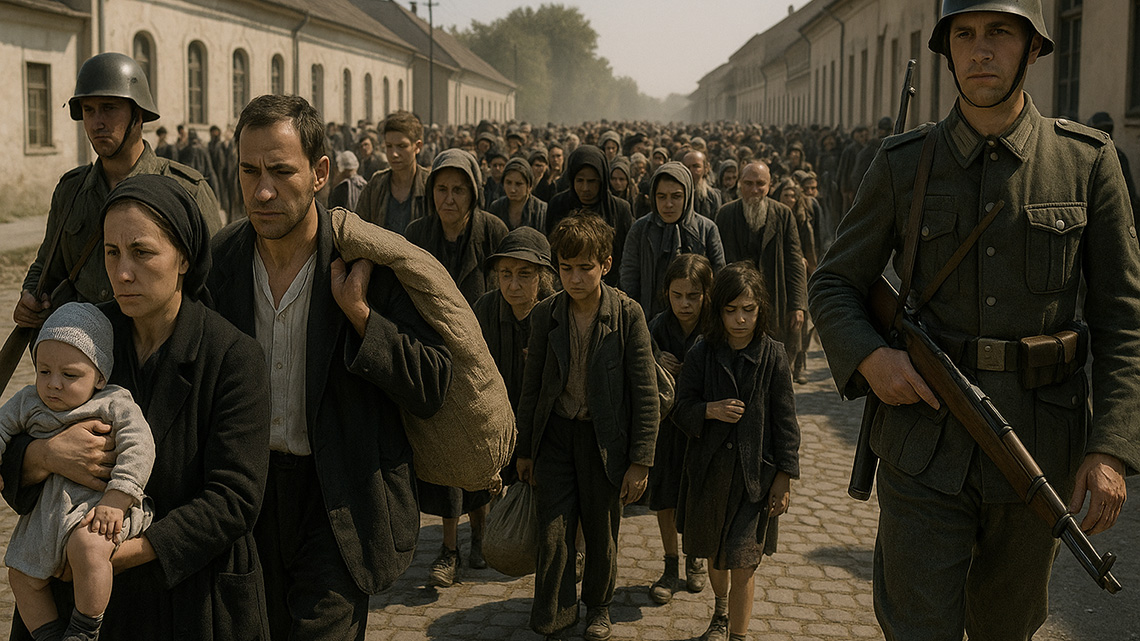
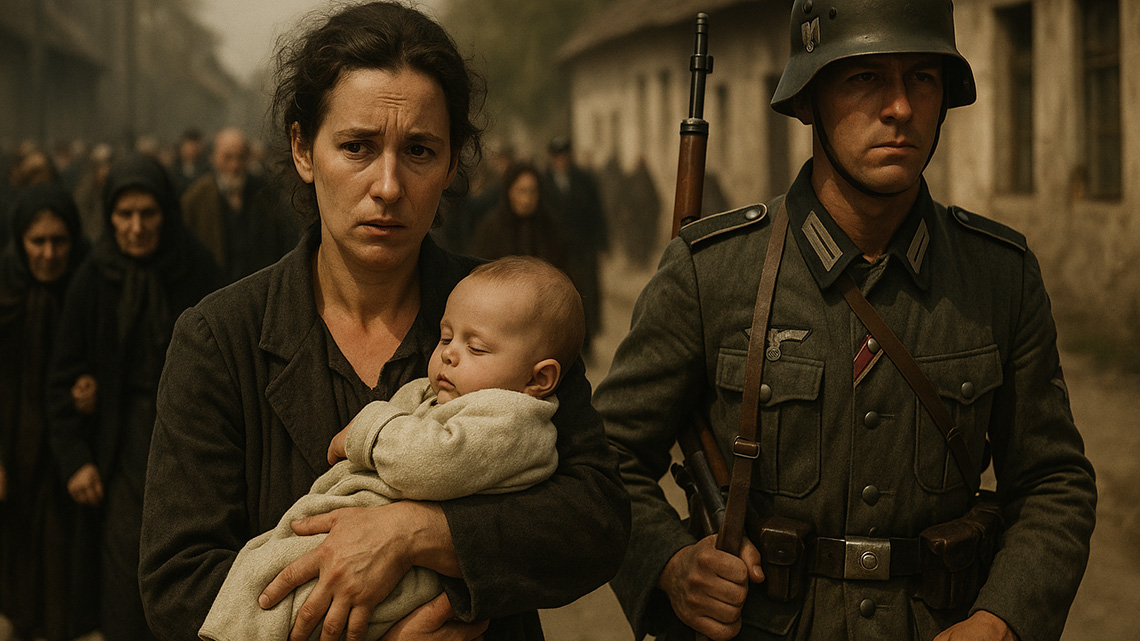
Among the many tragic memories from the time of the Jewish deportations in Novi Bečej, one account stands out. Senji Maćaš recalled how Gabriela, the wife of merchant Adolf Berger, carrying her infant son Ladislav—born on January 19, 1941—managed to bribe a guard and escape through a prepared route into Bačka.
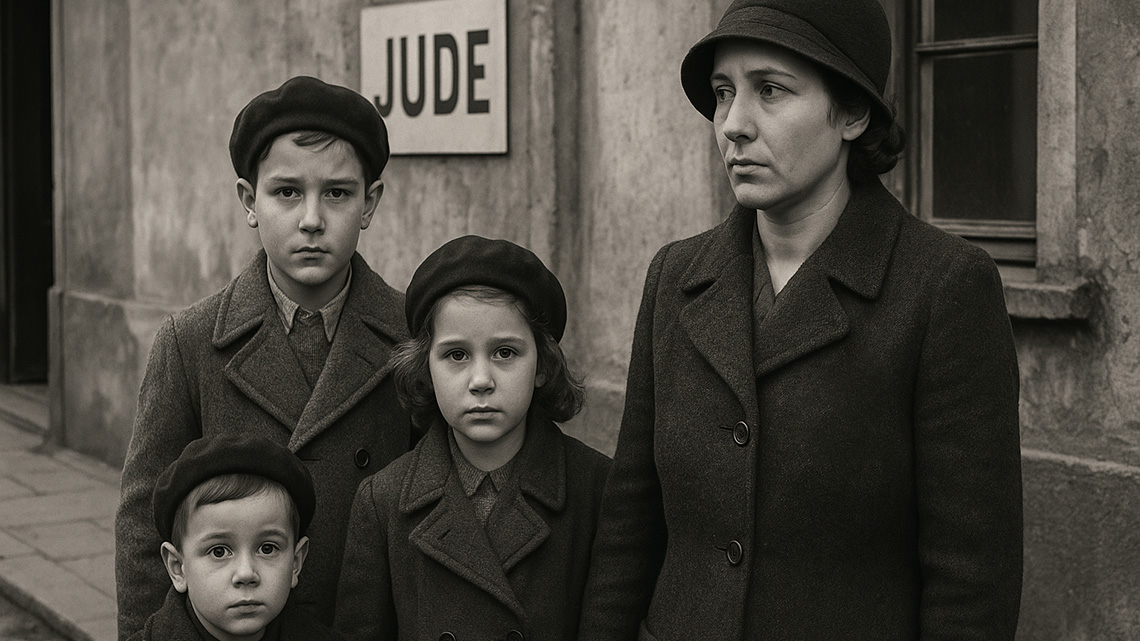
In the years leading up to World War II, the Jewish community of Novi Bečej lived much like the rest of the town’s population. They did not perceive the rise of fascist movements across Europe as an immediate threat to their survival, believing that, if war broke out, they would manage like everyone else. This belief was perhaps reinforced by the fact that there were very few ethnic Germans in Novi Bečej, and anti-Semitism was not openly felt.
One account states that, during a brief period of partial freedom, some wealthier Jews from Novi Bečej managed to escape by bribing German soldiers—often drivers—and fleeing beyond the borders of Serbia. There is also a theory, based on unconfirmed information, that Verona, the daughter of Danijel Cigler, a timber merchant from Novi Bečej, managed to reach Romania thanks to her relationship with a German officer, and later emigrated to Israel after the war. However, this information was never officially confirmed.
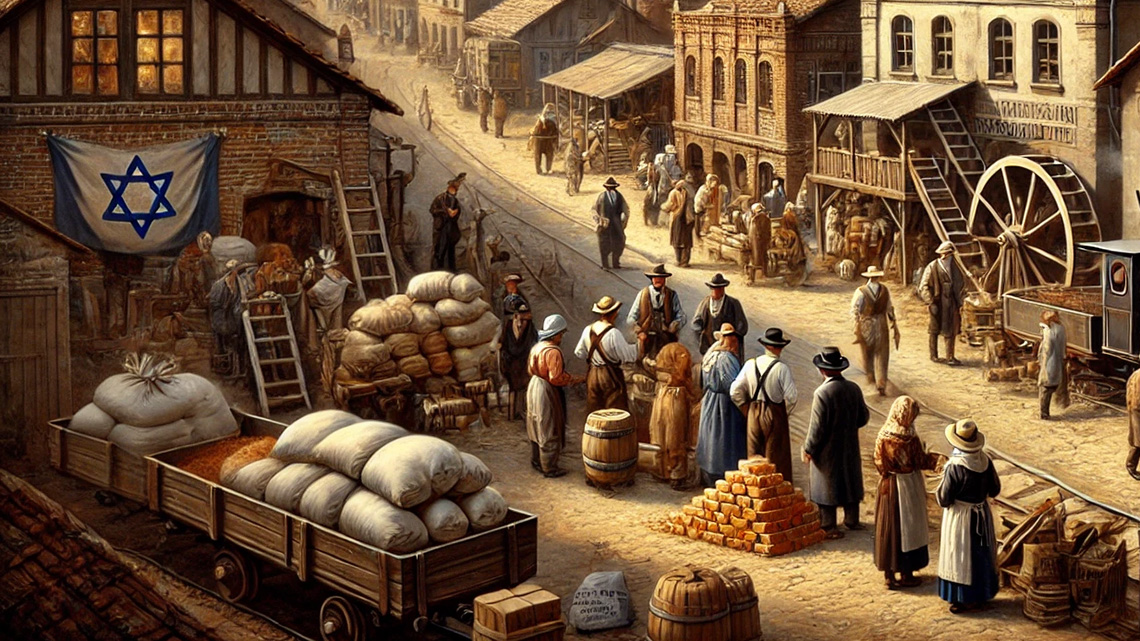
Fifty years ago, Novi Bečej was the site of one of the terrible crimes of World War II. After five months of imprisonment, the Jewish community, which had existed in our town for more than one hundred and fifty years, disappeared in a single day and forever. Generations after the war could neither learn about nor experience the presence of these people, who were extremely important for the economic and cultural development of our community.
Jedinstvo Maintains Second Place at the European Cup
From the journalist’s notebook
During the second competition day of the European Cup in women’s bowling, held in Skopje, listeners of Radio Novi Bečej followed the performances of the Jedinstvo team and their fight for a place in the final stage of the competition.
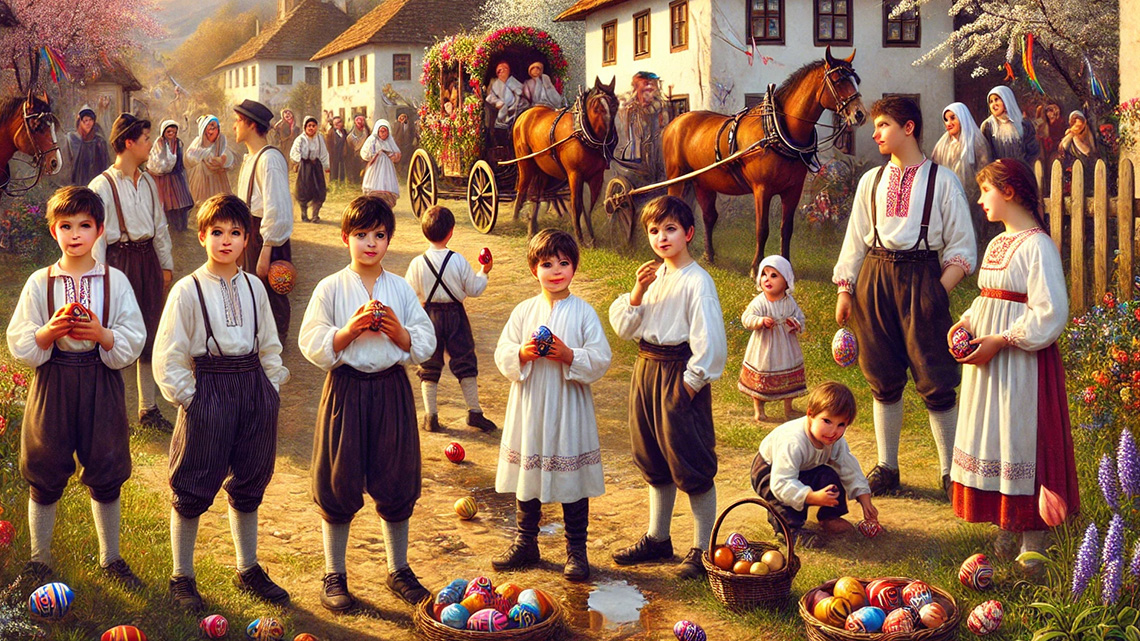
The memories of Easter and Christmas traditions are beautiful—customs that our children, especially our grandchildren, no longer know, yet they remain etched in our memories.
Before saying more about Easter traditions, I must first highlight what was difficult for us as children.
The medieval settlement of Arača is located on the southern shore of Crna Bara, a watercourse within the alluvial plain of the Tisza River, about 13 kilometers east of its riverbed. The name of this settlement, also referred to in sources as Potiska Arača, is associated with the ruins of a basilica and monastery.
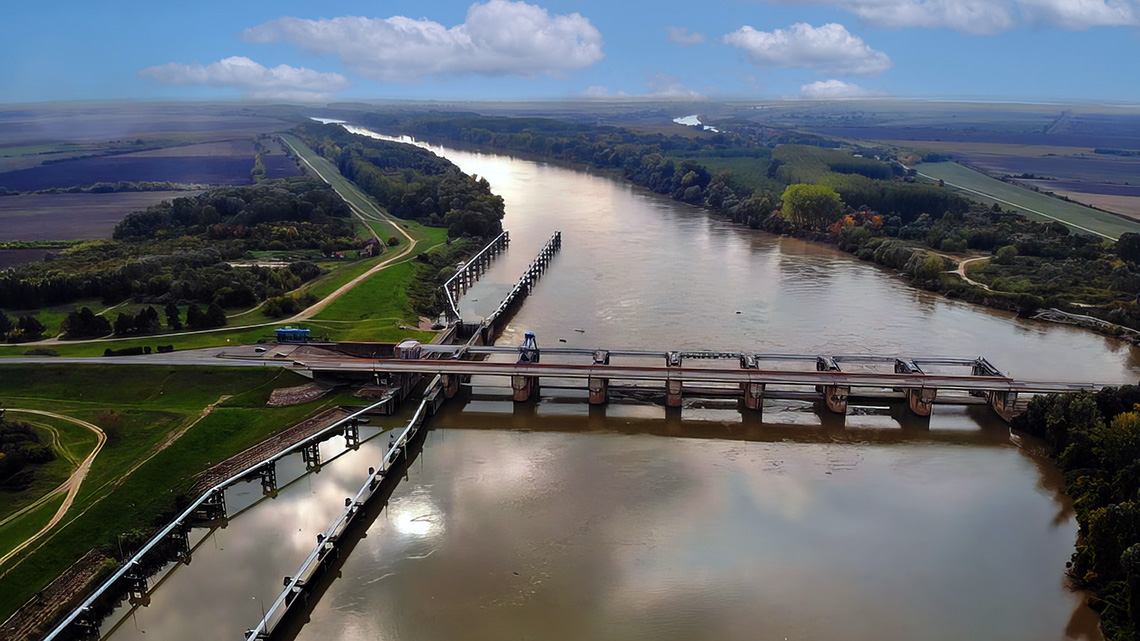
The Tisa River Dam near Novi Bečej is the largest facility of the Danube–Tisa–Danube Hydrosystem. Its primary function is to release water by gravity into the main canal network of Banat, enabling the irrigation of vast agricultural areas and supplying water to other users. In this way, the released water can be used for multiple purposes simultaneously.
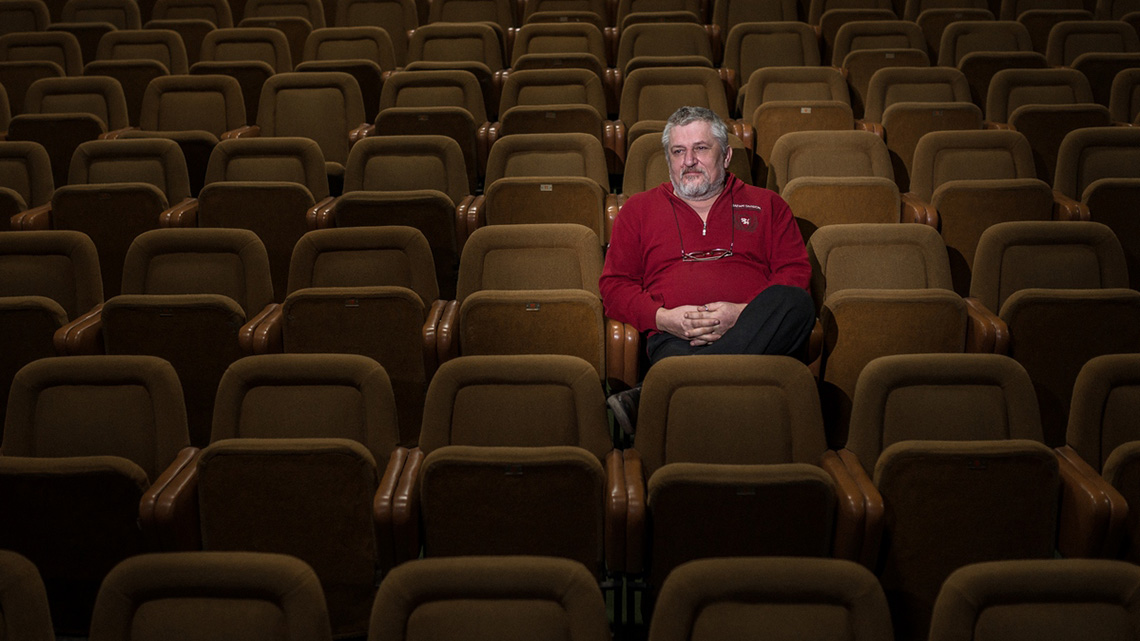
The stage — the “boards that mean the world” — has been a lifelong inspiration for Saša Milenković, an actor, director, and passionate theater devotee who has dedicated his life to the art of performance.
Born in 1963, Saša stepped onto the theatrical scene in 1978 and has remained actively involved ever since, contributing immensely to the cultural and artistic life of Novi Bečej and beyond.
The two-story building of the former Tursko-Bečejska Savings Bank is located at 3 Marshal Tito Street, extending from the Schlesinger Palace, at the corner with Gimnazijska Street. According to documentation from the Institute for the Protection of Cultural Monuments in Zrenjanin, written by art historian Vesna Majstorović, the following details about the building are known:
Mihalj Mesaroš was born in Novi Bečej in 1935, in an era when dreams were shaped on dusty football pitches and the game itself was played more with the heart than for reward. His first steps toward the wider world were taken in Zrenjanin, from where, at only eighteen years of age, his exceptional talent carried him further than he could have imagined — straight into the ranks of FK Partizan.
In the photographs that tell a story of the past, we see Boško Maksić, known as "Šeboj," once a symbol of hard work and prosperity. Born in Kuman, he was a wealthy farmer and a respected member of his community. However, after World War II, his life took a tragic turn. The forced expropriation of his property by the regime completely shattered his life and stability.
In geographical terms, Banat is a region in the southern part of the vast Pannonian Plain, bordered by the rivers Mureș, Tisza, Danube, and the Transylvanian Alps. A large portion of Banat lies in Romania, a small part in Hungary, while the Yugoslavian section is located along the lower courses of the mentioned rivers.
We have no data on how the social life of Jews in Novi Bečej and Vranjevo was organized. However, there remains a general impression among those who remembered that time that the main strength that united them was their religious community, which followed the development of the community and sought to organize assistance whenever a family faced difficulties.
He was, heart and soul, bound to Vojvodina. However, those who ingratiated themselves with politicians, receiving authority and promotion to influence the cultural development of the province, saw his dedication as intrusive.
Stevan Davidović was born on October 6, 1949, in Novi Bečej. He completed his primary and secondary education in his hometown, where he also graduated from the local Grammar School. He went on to earn a degree from the Higher Pedagogical School in Zrenjanin, majoring in Serbo-Croatian language and the history of Yugoslav literatures.
- Ferenc Gomba – Left Winger of DMKS Turul and Novi Bečej Football Legend
- European Cup Final 2000 – Erika Kolarević Leads Jedinstvo Novi Bečej in the Fight for the Trophy
- The Rise and Fall of FK Banat from Novi Bečej (1935–1937)
- The Yellow Van – Jedinstvo Bowlers’ Journey to the European Cup in Skopje
- The Jewish Community in Novi Bečej from 1919 to 1941