

Through years of collaboration between the Institute of Geography at the Faculty of Natural Sciences and Mathematics in Novi Sad and the Self-Governing Interest Community for Scientific Work of the Autonomous Province of Vojvodina, the creation of geographical monographs for the municipalities of Vojvodina is realized.
Explore the deeply rooted natural charms and economic potentials of the Municipality of Novi Bečej through a comprehensive geographical monograph. Familiarize yourself with fascinating aspects of the terrain, geology, climate, water bodies, flora, and fauna, while simultaneously delving into vibrant settlements and diverse industries.
Share this page on social media
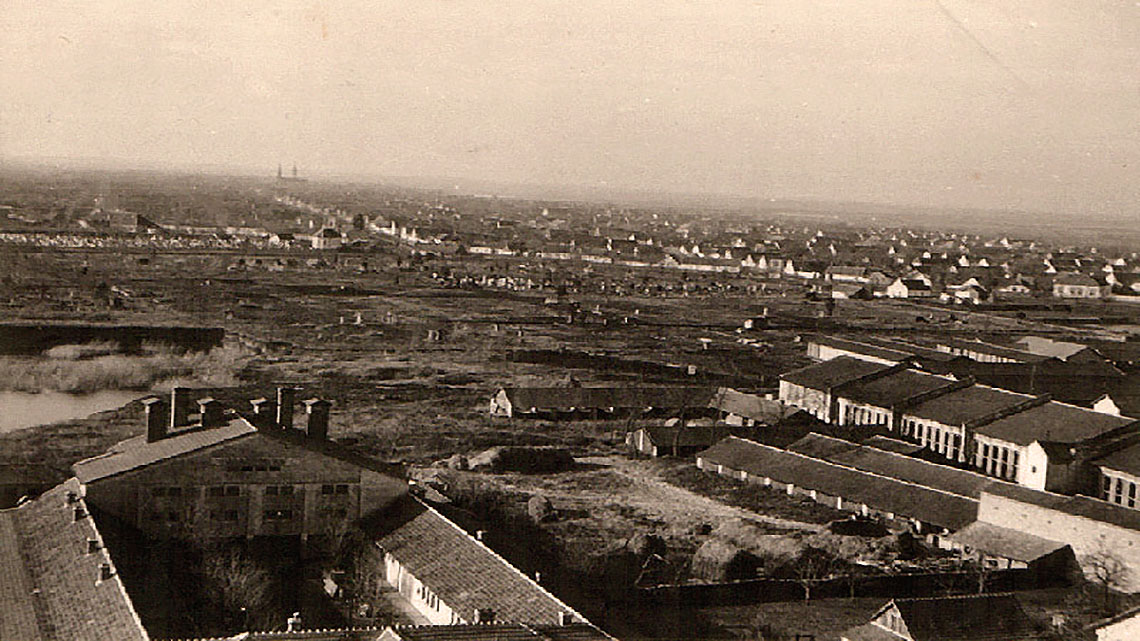
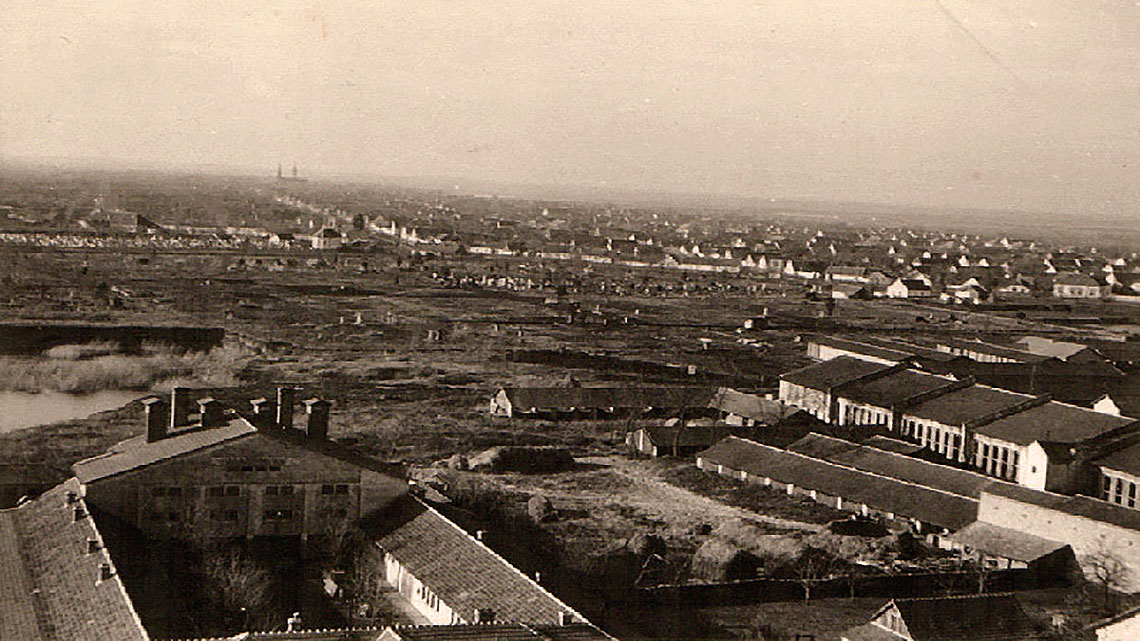
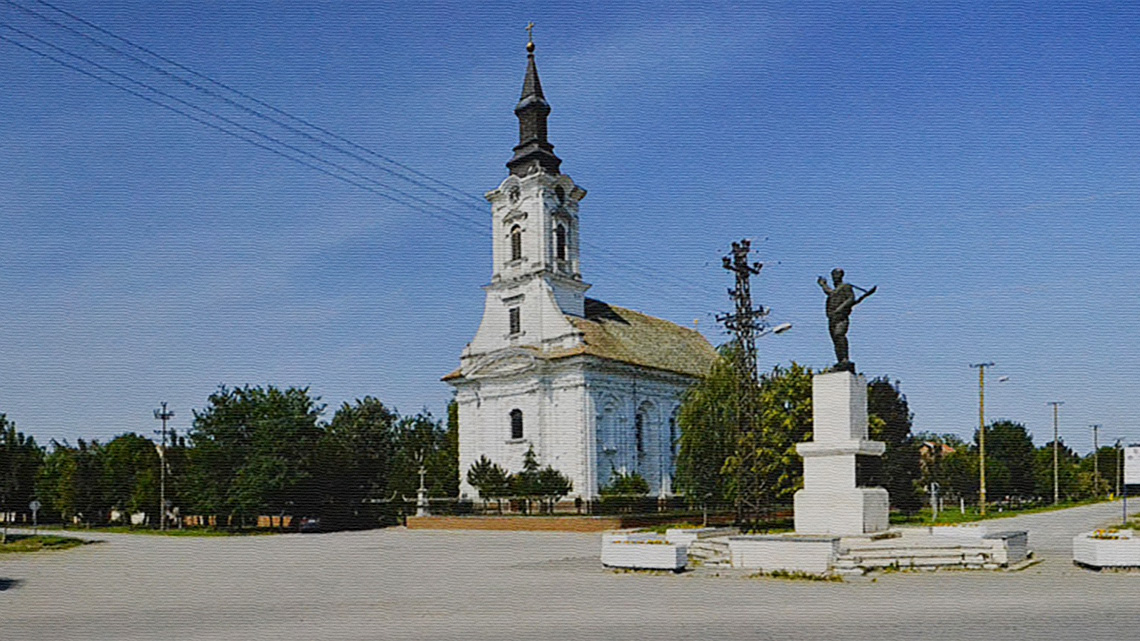
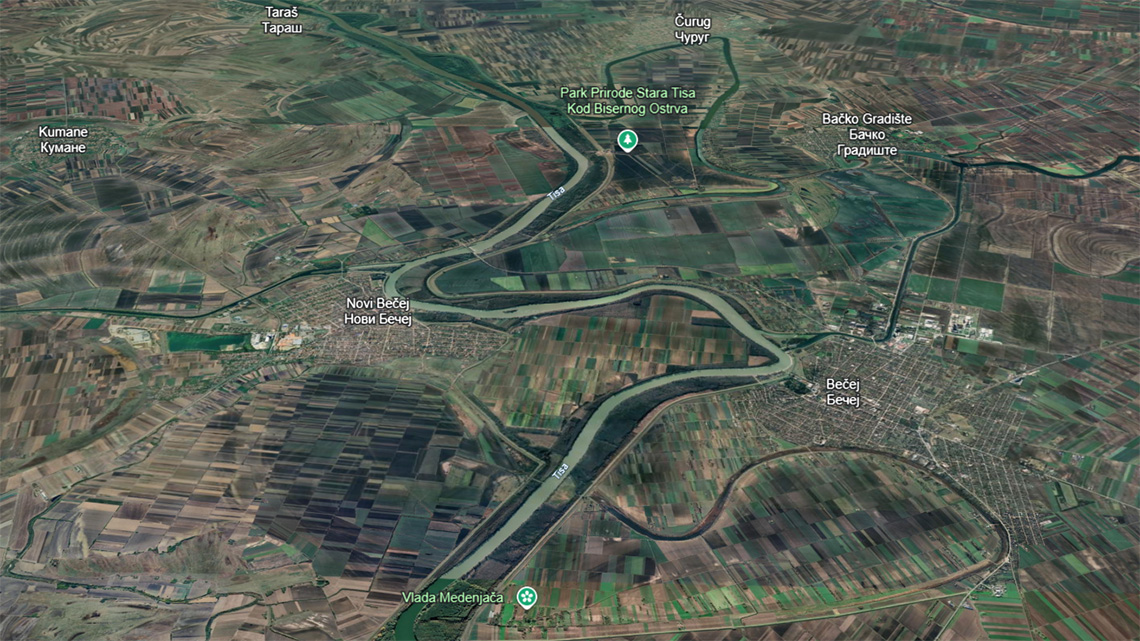
The municipality of Novi Bečej is located in the northwest part of Banat and the northeast part of the Autonomous Province of Vojvodina. It consists of four settlements: Novi Bečej, Kumane, Novo Miloševo, and Bočar. The administrative center of the municipality is in Novi Bečej.
A comprehensive geographical monograph of each subregion in Vojvodina encompasses natural-geographical and socio-geographical characteristics of a specific area. To better understand the emergence and economic development of the municipality of Novi Bečej, it is crucial to first acquaint ourselves with the physical-geographic features of this Vojvodina regional unit, representing the natural conditions for economic development.
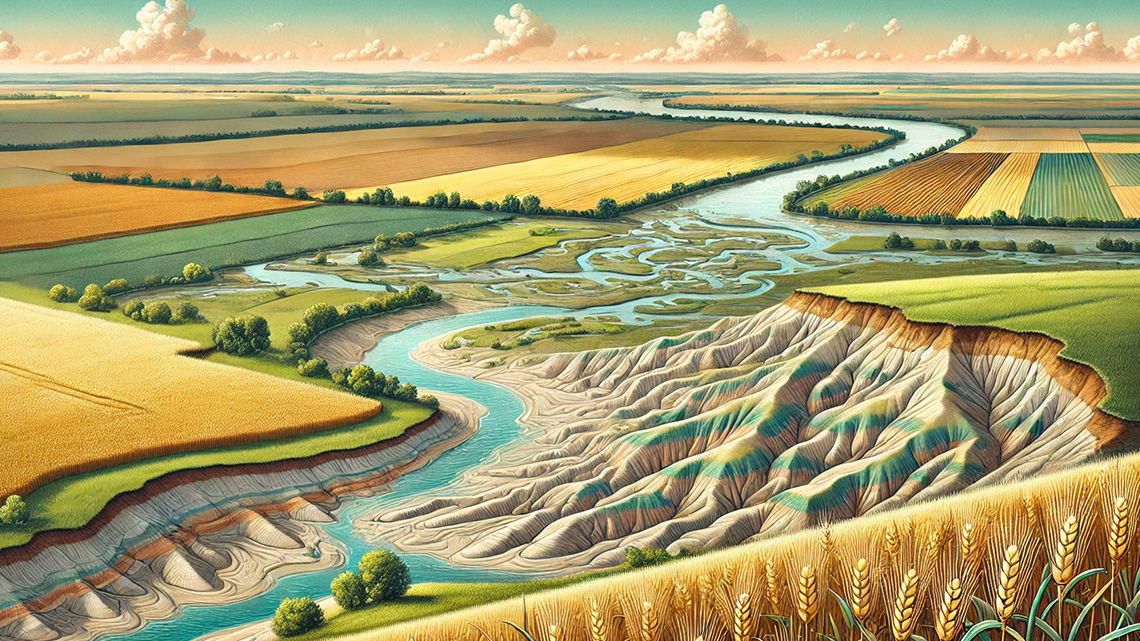
The relief of the Novi Bečej subregion is characterized by all elements common to the relief of northern Banat and the larger part of Vojvodina. Morphologically, the municipality's territory consists of lowlands, with an absolute elevation ranging from 86 to 76 meters.
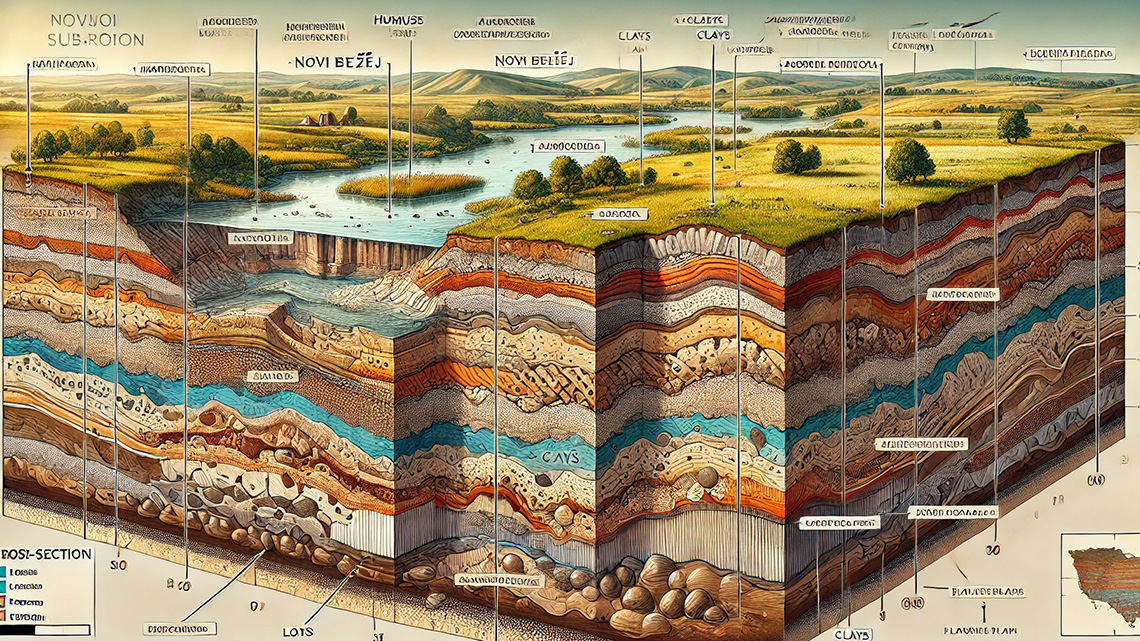
In geological and petrographic terms, the Novi Becej subregion is highly intriguing. We have already highlighted that the loess terrace is fundamentally composed of terrestrial—typical, re-deposited, and marsh loess. In delving deeper into this geomorphological entity, we emphasized that the material of the loess terrace accumulates on both dry and moist marshy soils, resulting in a mixture of terrestrial and marsh fauna in subaerial, fluvial, and marshy materials.
The Novi Becej subregion, as part of the broader Vojvodina region, is located in the area of a temperate continental climate. The insignificant range of geographic latitude between the northernmost and southernmost points in Vojvodina, within 2°, and the evenness of the terrain, have resulted in minimal microclimatic differences between individual subregions.
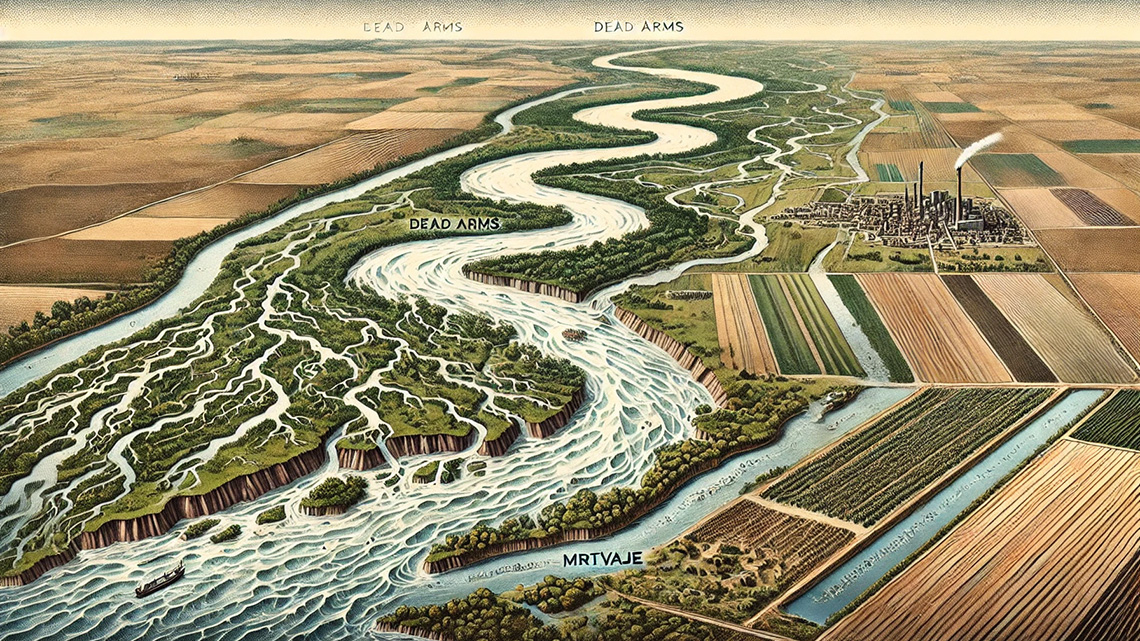
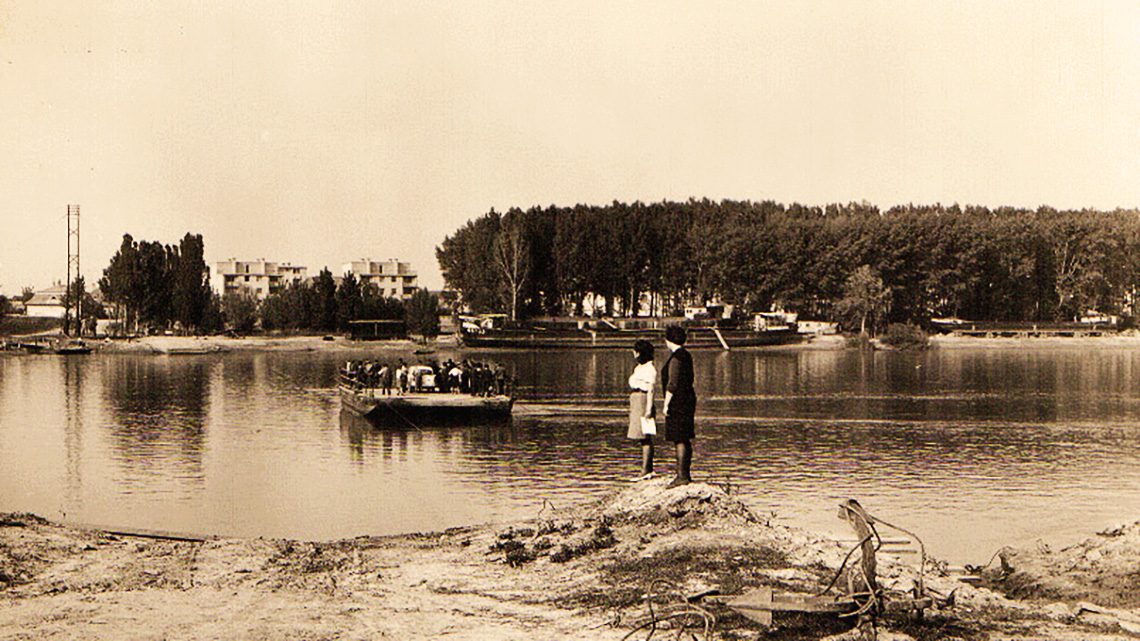
The Novi Bečej subregion shares similar hydrographic characteristics with other municipalities in the Tisza River Valley. The hydrography of this region consists of surface and groundwater. Surface hydrography includes the Tisza River, a section of the Danube-Tisza-Danube Canal, and several larger ponds and lakes. Given the relatively high level of groundwater in most of the Novi Bečej municipality's territory, this work will specifically address groundwater.
The plant life of the Novi Bečej subregion exhibits basic characteristics of the Pannonian steppe vegetation, with distinct features of the vegetation in the Banat region. Natural vegetation in the majority of this area has been replaced by cultivated crops. Over 90% of the areas covered by the original steppe vegetation have been plowed and converted into arable land.
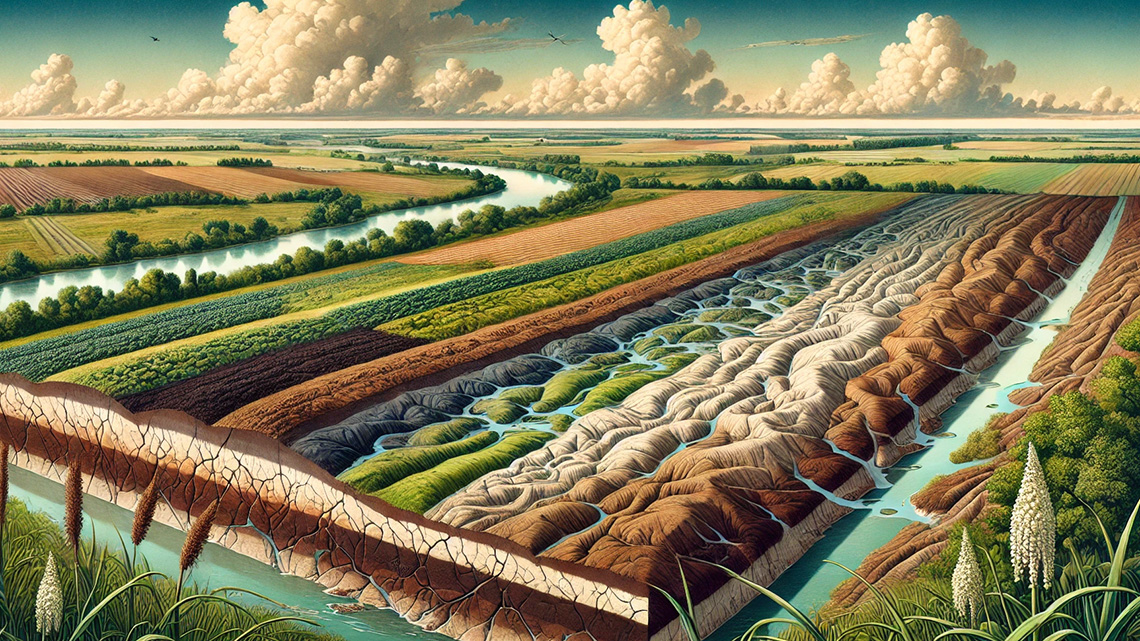
In the territory of the Novi Bečej subregion, all types and subtypes of soil characteristic for the Banat part of the Potisje region are represented. Therefore, there is a noticeable diversity of soil in the field, characterized by variability, unevenness, and a pronounced intermixing of individual soil types.
Based on detailed and multi-year archaeological research, it has been established that Banat, like the entire Pannonian Plain, was inhabited since prehistoric times. Throughout historical periods, various peoples settled in the territory of Banat.
Quantitative Overview of Population Movements in Novi Bečej: Trends and Migrations from 1869 to 1981
Following a brief historical overview of the initial settlements and population origins, we will explore the population dynamics from the second half of the 19th century to 1981. Given the distinctive characteristics of population movement in the Novi Becej subregion, we will concurrently present and analyze data on the quantitative movement of populations in two neighboring municipalities, both on a narrower and broader scale.
The natural population growth is influenced by two basic components among other factors: birth rate (or natality) and death rate (or mortality). The difference between these two components constitutes the natural population growth in a specific area. The natural development of the population in the Novi Bečej sub-region, observed and analyzed over a longer period, exhibits various changes.
Due to the incomplete processing of data from the 1981 population census, a more detailed analysis of the gender and age structure of the population of the municipality of Novi Bečej can only be based on the results of earlier census years. According to the 1961 population census, out of a total of 33,507 residents, 16,965 or 50.60% were female.
The ethnic structure of the population in the municipality's territory is highly diverse. In this subregion, more than 12 different ethnic groups have been residing for a long time. In a brief historical overview of the settlement of this territory, it was emphasized that Serbs were the first settlers, and they have remained in this area to this day. Subsequently, Hungarians settled in several instances, followed by Germans and other ethnic groups. Greater ethnic diversity emerged only after World War II.
The educational structure of the population has two significant components: literacy and the educational attainment of residents. The number of literate and illiterate individuals is determined for those aged 10 and above, who could have achieved literacy based on their age.
The population is divided into three main groups based on activity. The first group consists of active individuals, the second comprises individuals with personal incomes, and the third includes supported individuals. Active population consists of individuals working in various economic and non-economic activities, thereby earning income for their livelihood. Individuals with personal incomes include retirees, individuals under guardianship, etc.
In a ten-year period, from the population census of 1971 to 1981, the number of households increased from 10,020 to 10,280, representing a growth of 2.59%. Analyzing data from 1953, a continuous mild increase in the number of households is observed until the last census. However, this growth is not a result of an increase in the total population or significant immigration of new families.
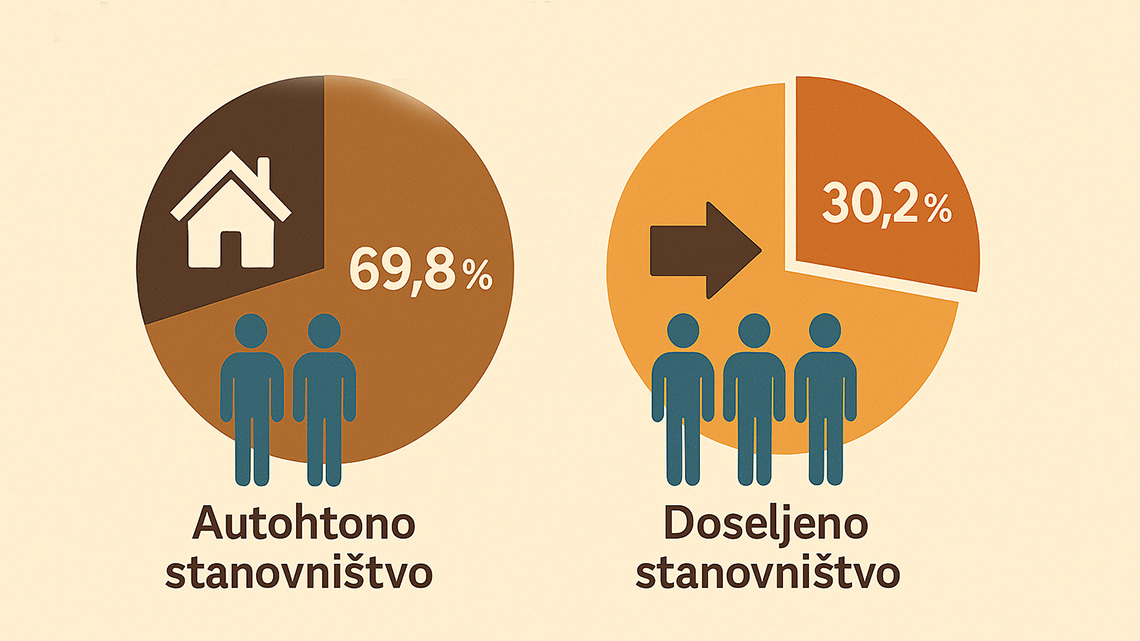
In the absence of processed and published data from the Provincial Institute of Statistics of the SAP Vojvodina on the 1981 population census, we will also analyze the migration characteristics of the population of the municipality of Novi Bečej based on the 1971 data. According to migration characteristics, the entire population of the municipality can be divided into two groups.
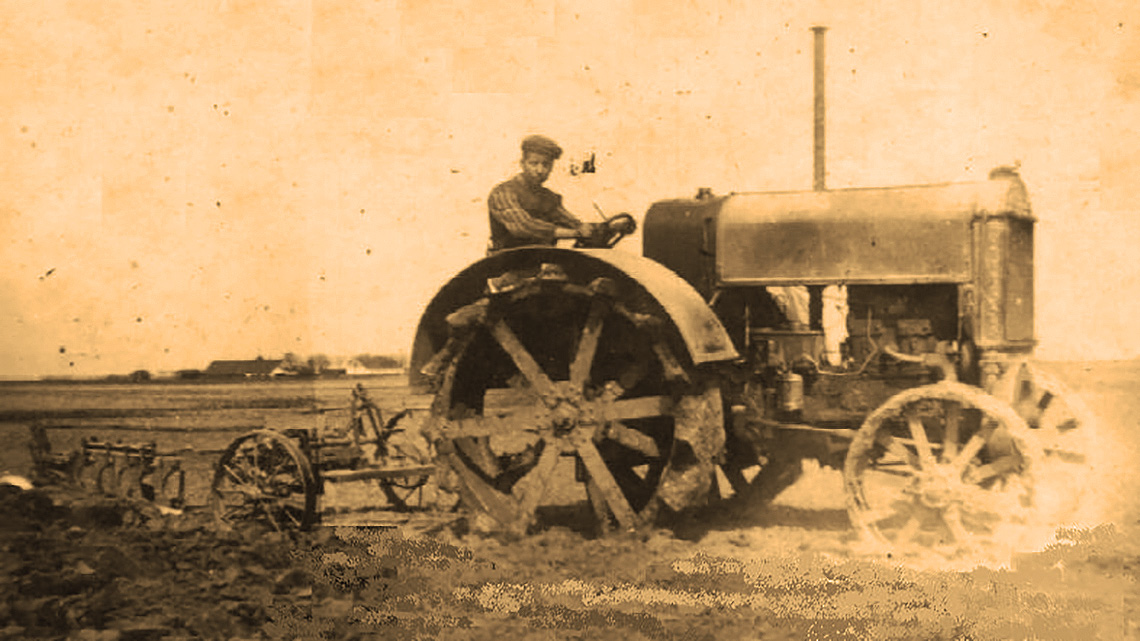
The development of the economy in the Novi Bečej subregion is characterized by two periods. Before the Second World War, economic activity in the municipality was very uniform, primarily focused on agricultural production. The initial foundations of industrial production included brick and tile manufacturing, as well as flour and dairy product production in the food industry.
Among the leading branches of the economy, agriculture and industry hold the first two positions. Agriculture, as an economic sector, has multiple significances. Serving as a producer of food and raw materials for the industry, it plays vital roles in the municipality's economy. There are highly favorable natural and economic conditions for the development of this economic activity.
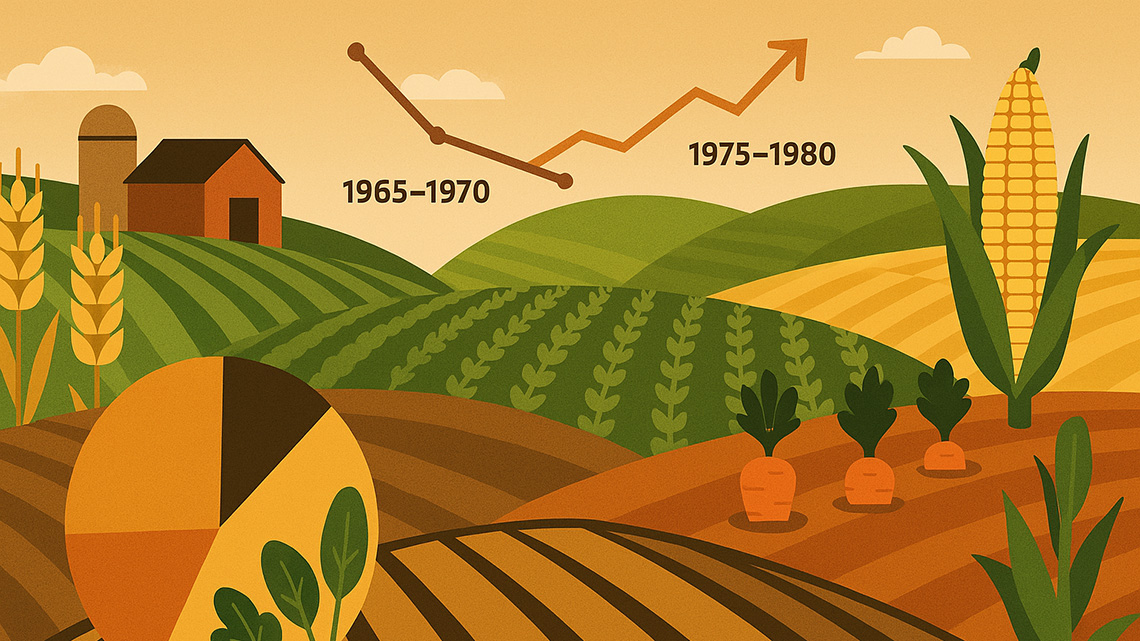
Based on the prevalence of certain groups of crop cultures, one can become acquainted with the past and present structure of production and determine the production orientation in the upcoming period. In order to comprehensively understand the structure of crop production in the municipality's territory and observe significant changes within it, it is necessary to analyze data from 1965 to 1970 and from 1975 to 1980.
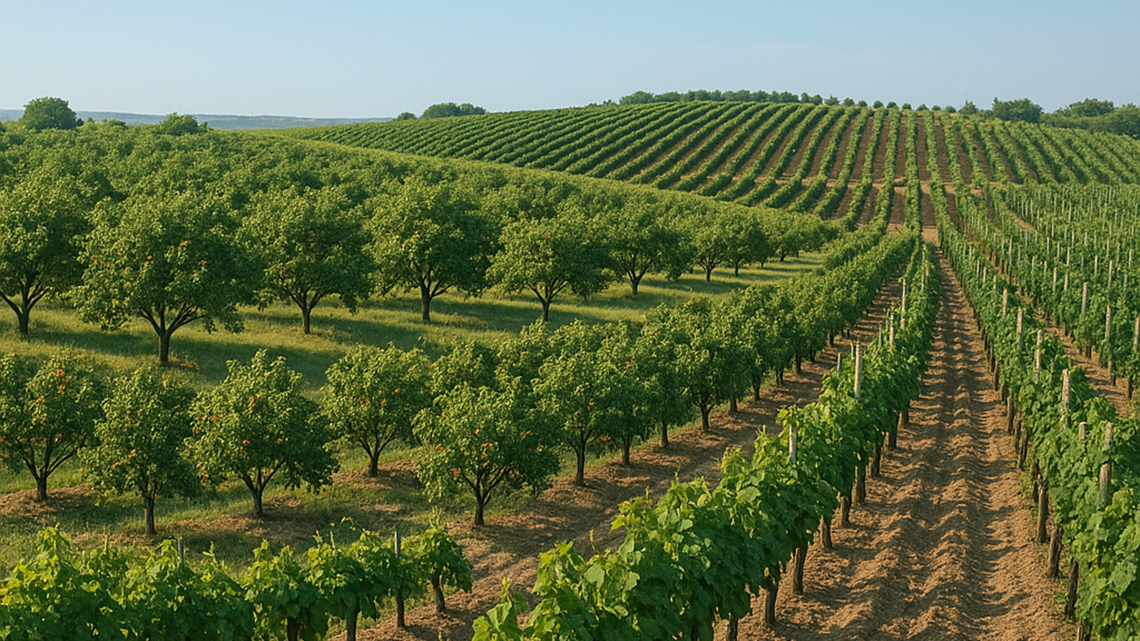
Slightly undulating terrain, loose soil, and appropriate climatic conditions in certain parts of the Novi Becej sub-region provide favorable natural conditions for the development of fruit growing and viticulture. Despite this, these two branches of economy have not yet come close to achieving their potential development.
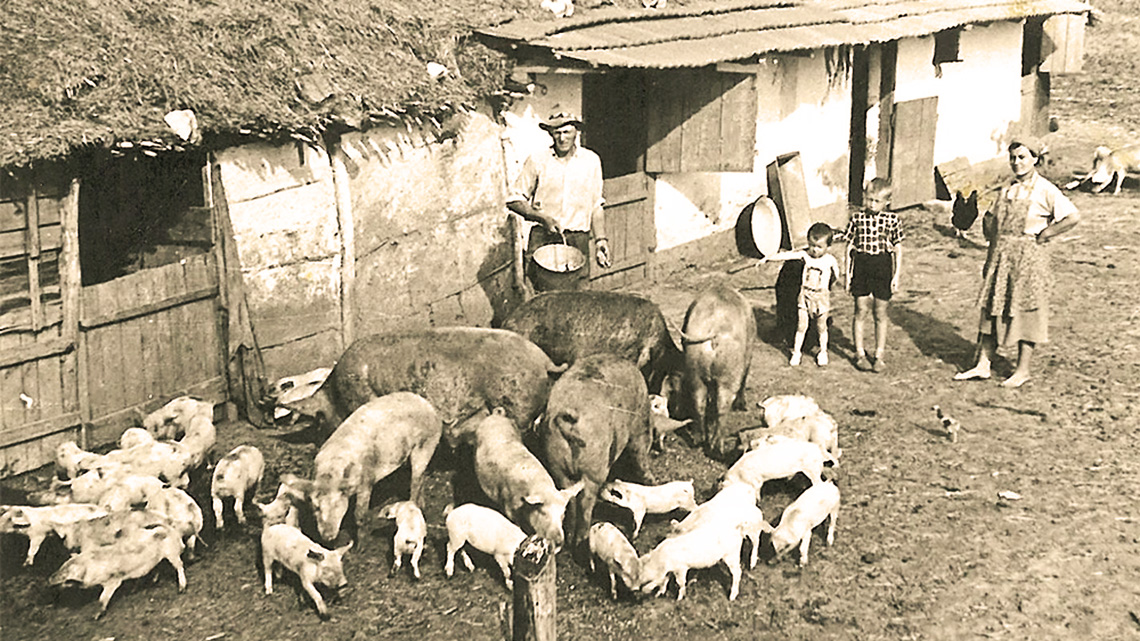
Contemporary agricultural production, based on scientific principles, integrates both crop and livestock farming, thereby achieving a more rational use of arable land and a more complete finalization of crop production. Therefore, after crop farming, animal husbandry is the most significant branch of agriculture. Leading branches include cattle farming and pig farming, which receive the most attention.
In the economy of Novi Bečej, forestry as an economic sector does not hold particular significance. The forested areas cover approximately 1,100 hectares, accounting for only about 1.7% of the total municipality territory. Forested areas are situated on both sides of the Tisa River, in narrow strips along the river, and sporadically on floodplains within the interior of the Novi Bečej municipality. The areas under fast-growing poplar trees expand each year, which will significantly impact the intensification of forestry and its greater representation among other branches of the economy.
Among the economic sectors of the Novi Bečej sub-region, the industry belongs to the younger group. The first traces of industry emerged at the end of the 19th and the beginning of the 20th century. The precursors to today's diverse industries were the first steam mills and factories for the production of bricks and tiles. After the Second World War, concurrent with the development of more diverse and intensive agriculture, industries gradually gained a more significant place in the municipality's economy. From 1960 onwards, faster industrial development began, and the Novi Bečej sub-region transformed from a typically agrarian area into an agrarian-industrial area of northern Banat.
Within the industrial development of the Novi Bečej sub-region, the most significant rise has been achieved by the Building Ceramics Industry "Polet" in Novi Bečej.
The youngest branch of industry in the municipality is the chemical industry. Currently, the only operating organization in this field is "Biser" Kumane. Operating since 1980 with very modest capacities and working conditions, this factory produces cleaning agents in powder, liquid, paste, and solid detergent forms. The total range of such products comprises 11 units.
With two decades of existence, this branch of industry belongs to the group of older economic sectors in the Novi Bečej sub-region. It is represented by two economic organizations:
1. Basic Organization of Associated Labor "Tisa" - Novi Bečej,
2. Knitwear Industry "Mladost" - Novi Bečej.
The footwear manufacturing company "Pobeda" in Novi Bečej dates back to 1947 when this work organization was established by craftsmen in Novi Bečej. Initially, this cooperative had around 35 different craftsmen, predominantly shoemakers, slipper makers, and traditional shoe craftsmen. After seven years of operation, this crafts cooperative was disbanded, and immediately after, a new footwear manufacturing company was established under the name "Pobeda" Novi Bečej (hereinafter referred to as "Pobeda"). In the beginning, the company had only 13 workers, including craftsmen, several semi-skilled workers, and apprentices. After another six years of operation, the collective of the crafts cooperative "Banat" was merged into "Pobeda" with all the basic assets and 12 employed workers. Thus, "Pobeda" acquired its final organizational structure with over 25 employed workers and the necessary basic assets.
Within the food industry of the Novi Bečej subregion, three economic organizations operate:
1. Mill "Vojvodina" in Novi Bečej,
2. Mill "Oslobođenje" in Novo Miloševo, and
3. "Mlekoprodukt" in Novi Bečej.
The graphic industry in the subregion of Novi Bečej consists of only one working organization, under the name Graphic Company "1st May" Novi Bečej. Its origin dates back to 1898 when the former bookseller from Novi Bečej, Giga Jovanović, alongside his bookstore, established a small printing house.
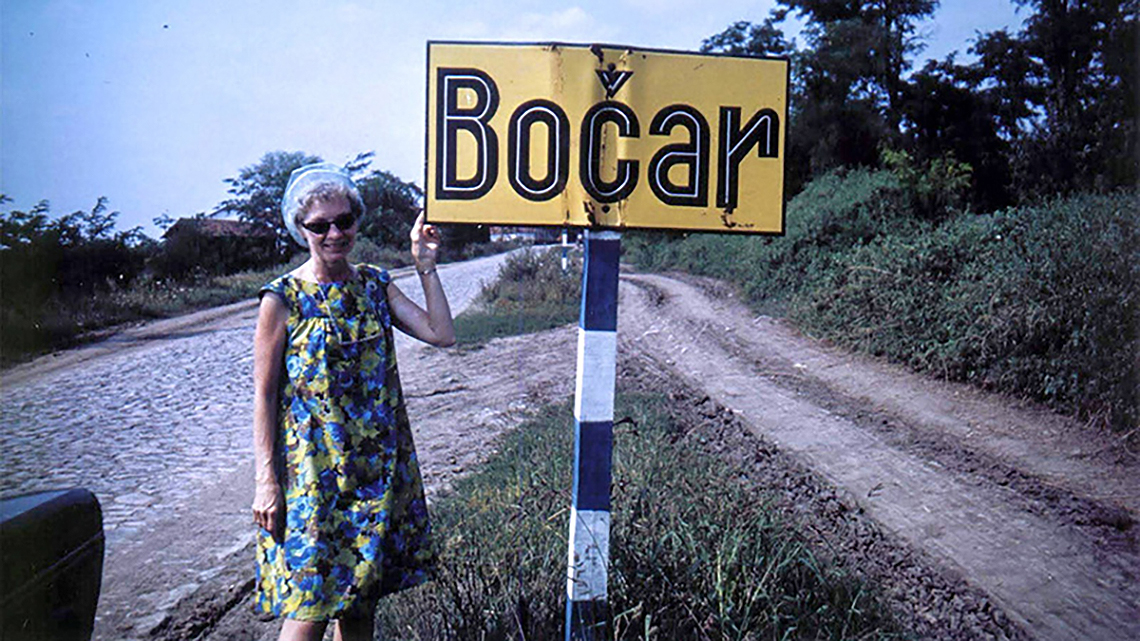
In terms of size and population, Bočar is the smallest settlement in the municipality of Novi Bečej. It is built on the edge of a loess terrace, like most Banat settlements. It is located in the northern part of Banat, northeast of Novi Bečej. Bočar is 25 km away from the municipal seat. Northeast of this settlement, 20 km away, lies the most developed economic center of northern Banat — Kikinda. In the northwest direction, at a distance of 27 km, lies the second economic center of Banat — Čoka. Among the rural settlements, the closest to Bočar are, in the southeast direction, only 5 km away, Novo Miloševo; 8 km north of Bočar is Iđoš, and 12 km northwest is Padej.
In the southeastern part of the Novi Bečej subregion lies Kumane. This settlement is closest to the center of the municipality — only 12 km away from Novi Bečej. It is built on a river terrace — an accumulative elevation left behind by the Tisa River. Due to the very low and flood-prone terrain and the unregulated course of the Tisa, Kumane changed its location several times in the past. The last time, in 1801, a new settlement was built at the current location.
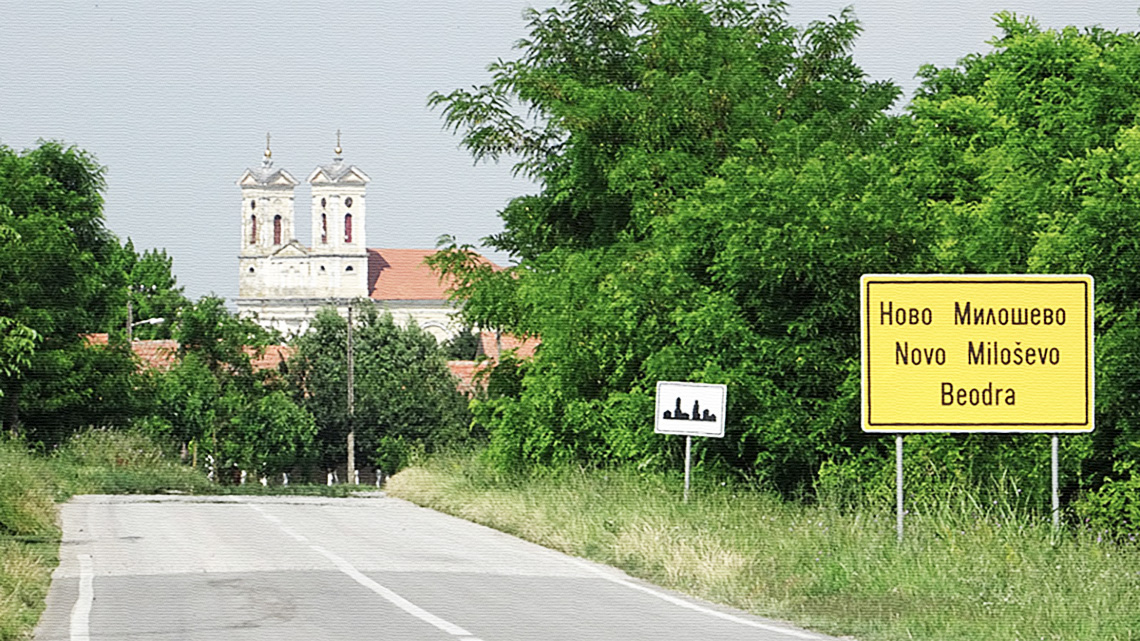
Northeast of Novi Bečej, 18 km away, lies Novo Miloševo. This village is the second largest and most populous settlement in the municipality. It is built on a loess terrace, gently sloping towards the west, towards the alluvial plain of the Tisa River.