



Wormwood, or Artemisia absinthium, is one of the oldest known medicinal herbs. Famous for its intensely bitter taste, this aromatic plant has been used for centuries to treat digestive issues, intestinal parasites, and as a natural detox remedy. It’s also the key ingredient in the legendary spirit absinthe.
🌱 What does it look like?
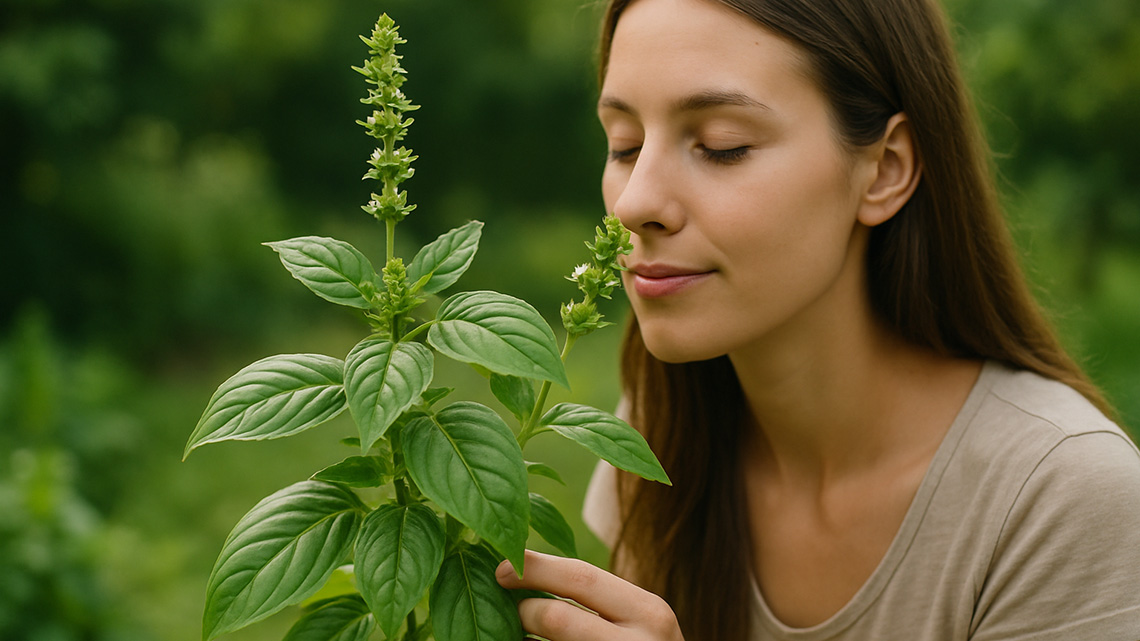
Wormwood is a perennial plant with silvery-green, deeply divided leaves and small yellowish flowers. It has a strong, distinctive aroma due to its essential oils. The aerial parts of the plant are used for medicinal purposes, especially during flowering.
💚 Health Benefits
- Stimulates digestion and increases stomach acid production
- Eliminates intestinal parasites
- Reduces bloating, gas, and nausea
- Antibacterial and antifungal effects
- Traditionally used to reduce fever and fight infections
- May have a mild calming effect on the nervous system
⚠️ Caution: Not recommended for long-term use, or during pregnancy or breastfeeding. Contains thujone, which can be toxic in large amounts.
☕ How to use it?
- Herbal tea – made from dried aerial parts (in small doses)
- Tincture – a more concentrated form
- Compresses and baths – for skin infections, wounds, and muscle pain
- Bitter tonic – used to stimulate appetite and digestion
🌼 Traditional use
Wormwood has long been used in folk medicine for “cleansing the body” and “driving out worms.” It was believed to ward off evil and was even placed in shoes or worn as an amulet. In modern herbalism, it’s a symbol of nature’s strength and resilience.


Comments