



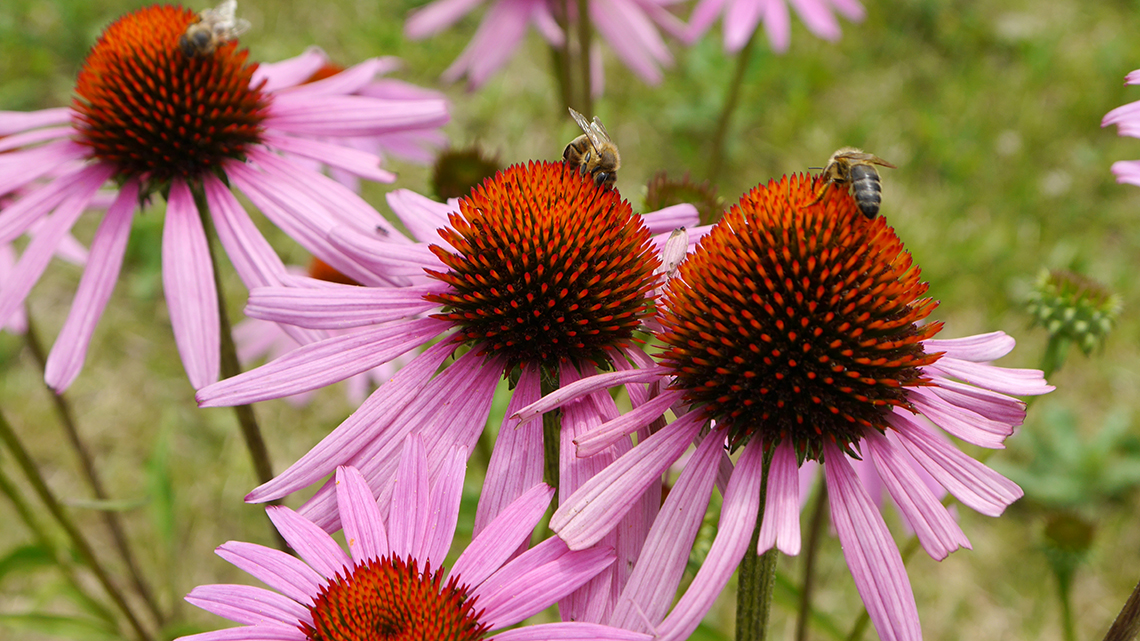
Echinacea, scientifically known as Echinacea purpurea, is a vibrant and robust flowering plant native to North America. Commonly referred to as purple coneflower, it holds a revered place in herbal medicine and horticulture alike due to its striking appearance and medicinal properties.
Appearance and Growth
Echinacea purpurea is characterized by its daisy-like flowers with prominent cone-shaped centers that range in color from pink and purple to occasionally white. It thrives in well-drained soil and prefers full sun, making it a popular choice in gardens and natural landscapes.
Historical and Cultural Significance
Indigenous peoples of North America, particularly the Plains Indians, used Echinacea for centuries for its purported medicinal benefits. It gained prominence in the late 19th century as a remedy for various ailments and has since become a staple in herbal medicine practices worldwide.
Medicinal Uses
Echinacea is renowned for its immune-boosting properties, primarily attributed to its active compounds, including flavonoids, polysaccharides, and alkamides. It is often used to alleviate symptoms of the common cold, flu, and other respiratory infections. Additionally, some studies suggest it may support overall immune function and aid in wound healing.
Cultivation and Care
Cultivating Echinacea purpurea is relatively straightforward, requiring minimal maintenance once established. It thrives in USDA hardiness zones 3-9 and benefits from occasional deadheading to encourage prolonged flowering. The plant’s robust nature makes it drought-tolerant once matured, though regular watering during dry spells promotes healthier growth.
Modern Usage and Research
In contemporary herbalism, Echinacea supplements and extracts are widely available in various forms, including capsules, teas, and tinctures. While research on its efficacy remains ongoing and sometimes controversial, many individuals use it as a preventive measure during cold and flu seasons.
Conclusion
Echinacea purpurea stands as a testament to the enduring intersection of herbal tradition and modern science. Its vivid blooms and therapeutic potential continue to captivate gardeners, herbalists, and researchers alike, ensuring its place as a beloved botanical ally in health and wellness.
References
- National Center for Complementary and Integrative Health (NCCIH)
- The Herb Society of America
This blog provides an overview of Echinacea purpurea, highlighting its cultural history, medicinal benefits, and practical cultivation tips. Whether in a garden bed or a herbal remedy, Echinacea’s presence enriches both natural landscapes and health-conscious lifestyles.


Comments