



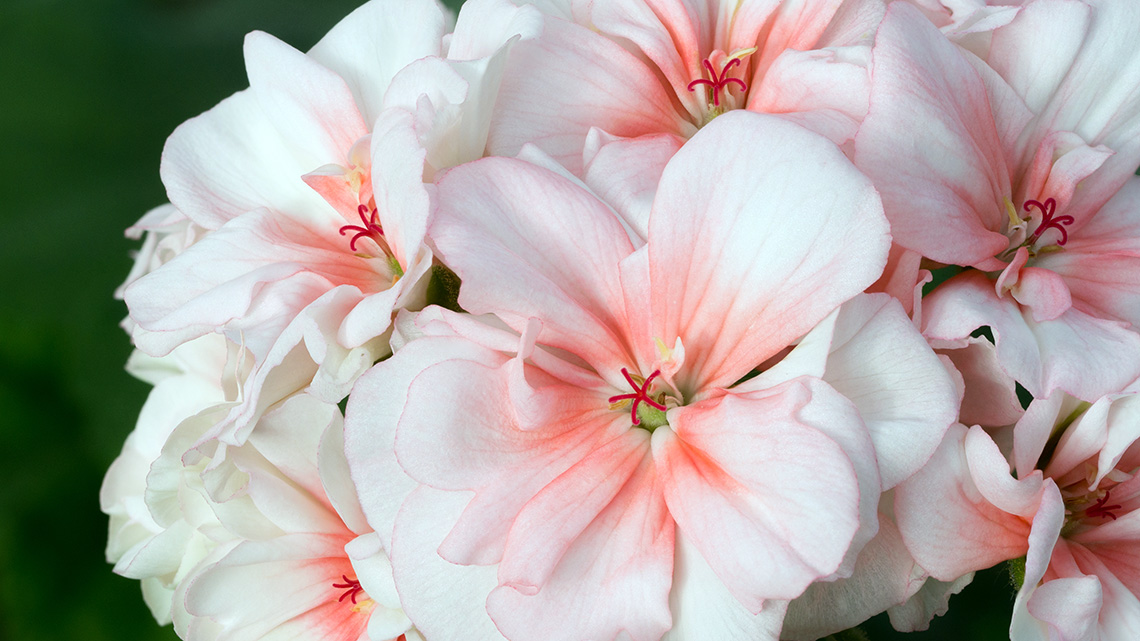
Pelargonium is a genus of plants in the Geraniaceae family, known for its exceptional beauty, vibrant flower colors, and pleasant fragrances. This plant has become a favorite among flower enthusiasts due to its easy care and long-lasting blooms. In this post, learn more about this versatile plant, its types, uses, and how to care for it.
Origin and Types
Pelargonium is native to South Africa, where it thrives as a perennial plant in its natural habitat. However, in many parts of the world, including Europe, it is often grown as an annual due to climate conditions. There are over 200 species of pelargonium, with the most popular being:
- Pelargonium zonale – the most common species in gardens, known for its large, colorful flowers.
- Pelargonium peltatum – also known as "ivy-leaf pelargonium," with trailing stems, ideal for hanging baskets.
- Pelargonium graveolens – known as rose-scented pelargonium, prized for its fragrant leaves, reminiscent of roses.
Significance and Uses
Pelargonium is appreciated not only for its decorative appeal but also for its many other uses. Some of the reasons it is so popular include:
- Fragrant oils: Fragrant leaves of pelargonium, especially Pelargonium graveolens, are used to produce essential oils known for their calming and antiseptic properties.
- Medicinal uses: Some pelargonium species are used in traditional medicine for their anti-inflammatory and antimicrobial benefits.
- Decoration: With its bright colors and diverse flower shapes, pelargonium is perfect for use in floral arrangements and ornamental pots.
Growing and Care
Pelargonium is a low-maintenance plant, but proper care can significantly enhance its growth and blooming. Here are some tips for growing pelargonium:
- Soil: Pelargonium prefers well-drained, humus-rich soil. A potting mix that allows for good drainage is ideal.
- Sunlight: This plant loves plenty of light, so it's best placed in a sunny spot. Lack of sunlight can result in weak growth and smaller flowers.
- Watering: Pelargonium does not like excessive water. Water it moderately, allowing the soil to dry out before watering again. Overwatering can lead to root rot.
- Temperature: Pelargonium is sensitive to frost, so it's best grown in areas with stable temperatures of 18-24°C. In winter, if kept outdoors, it should be protected from low temperatures.
- Pruning and Deadheading: Regularly prune dead or damaged stems to improve the plant's appearance and encourage new blooms.
Winter Care
Pelargonium is not frost-tolerant, so it's important to bring it indoors during winter if you're growing it outside. If it's in pots, it can be easily moved indoors. You can also prune it back, helping it survive the winter months.
Fun Facts
- Origin of the name: The name "Pelargonium" comes from the Greek word "pelargos," meaning "stork," as the plant's seed pods resemble the beak of a stork.
- Cultural and symbolic meaning: In many cultures, pelargonium symbolizes love and friendship, often given as a gift on special occasions.
Conclusion
Pelargonium is an exceptionally popular plant that brightens homes and gardens with its colorful flowers, pleasant fragrances, and easy maintenance. Whether used as an ornamental plant in pots or a fragrant one for essential oil production, pelargonium is a beautiful addition to any space, providing enjoyment year-round.


Comments