



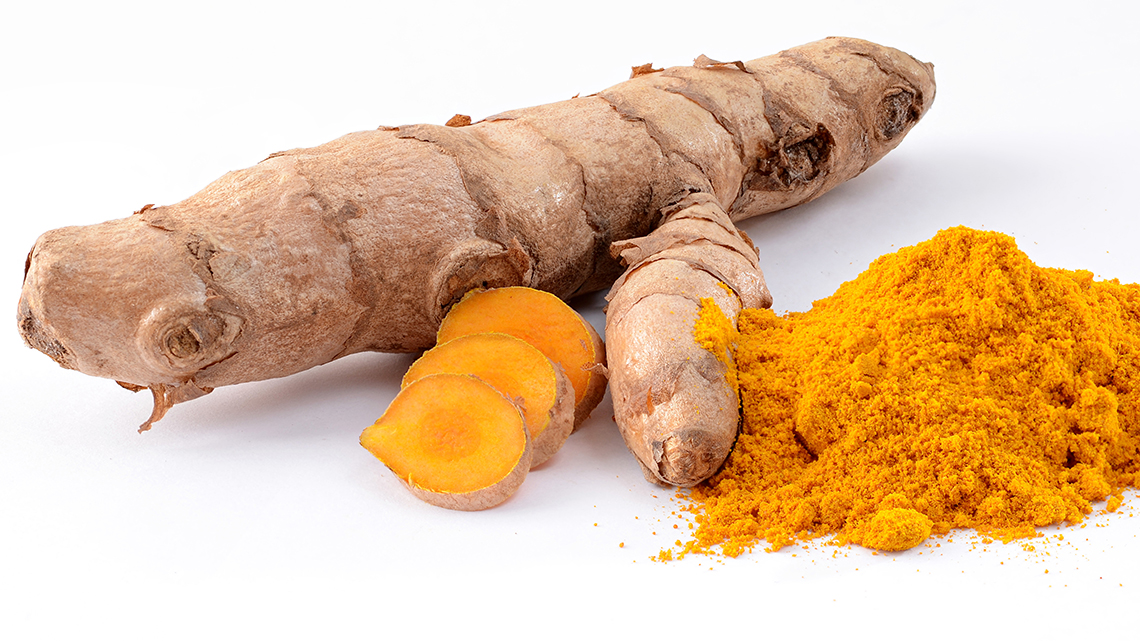
Turmeric, also known as Indian saffron, is a plant from the ginger family (Zingiberaceae) that has been used for centuries as a spice, dye, and medicine. Its scientific name is Curcuma longa, and it originates from Southeast Asia, where it is mainly cultivated in India, China, and Indonesia. This plant is renowned for its bright yellow color, which comes from its active ingredient, curcumin.
Appearance and Cultivation
Turmeric is a perennial plant that grows to about one meter in height. It has broad, long leaves and yellowish-white flowers. The rhizome (underground stem) is used, which is dried and ground into a fine powder. Growing turmeric requires a warm and humid climate, rich, well-drained soil, and plenty of light.
Culinary Uses
In cooking, turmeric is an indispensable spice in many Asian cuisines. It is added to various dishes, such as curry sauces, soups, rice, and vegetables, for its pungent, earthy flavor and bright yellow color. It is also used as a natural food dye.
Medicinal Properties
Turmeric is known for its exceptional medicinal properties:
- Anti-inflammatory Effects: Curcumin, the active ingredient in turmeric, has strong anti-inflammatory properties that help alleviate symptoms of arthritis, joint pain, and other inflammatory conditions.
- Antioxidant Effects: Curcumin is a powerful antioxidant that protects cells from damage caused by free radicals, reducing the risk of many chronic diseases.
- Digestive Aid: Turmeric stimulates bile production and aids in the digestion of fats, which can help relieve symptoms of dyspepsia and irritable bowel syndrome.
- Antimicrobial Properties: It acts against bacteria, viruses, and fungi, making it useful in fighting various infections.
- Immune System Support: It helps strengthen the immune system, contributing to better disease resistance.
Use in Traditional Medicine
In Ayurvedic and traditional Chinese medicine, turmeric is used to treat a wide range of health issues, including digestive disorders, respiratory diseases, wounds, skin problems, and more. Beverages like golden milk (a mixture of turmeric, milk, and other spices) are becoming increasingly popular due to their health benefits.
Usage Tips
- Adding to Food: You can add a teaspoon of turmeric to dishes like soups, stews, rice, and smoothies.
- Preparing Beverages: Make golden milk or turmeric tea for daily consumption.
- Turmeric Supplements: Available in capsule form, but it's advisable to consult a doctor before taking them.
Conclusion
Turmeric (Curcuma longa) is much more than a common spice. Its medicinal properties have been recognized for centuries, and modern science confirms its numerous health benefits. By incorporating turmeric into your daily diet, you can significantly improve your health and well-being.


Comments