



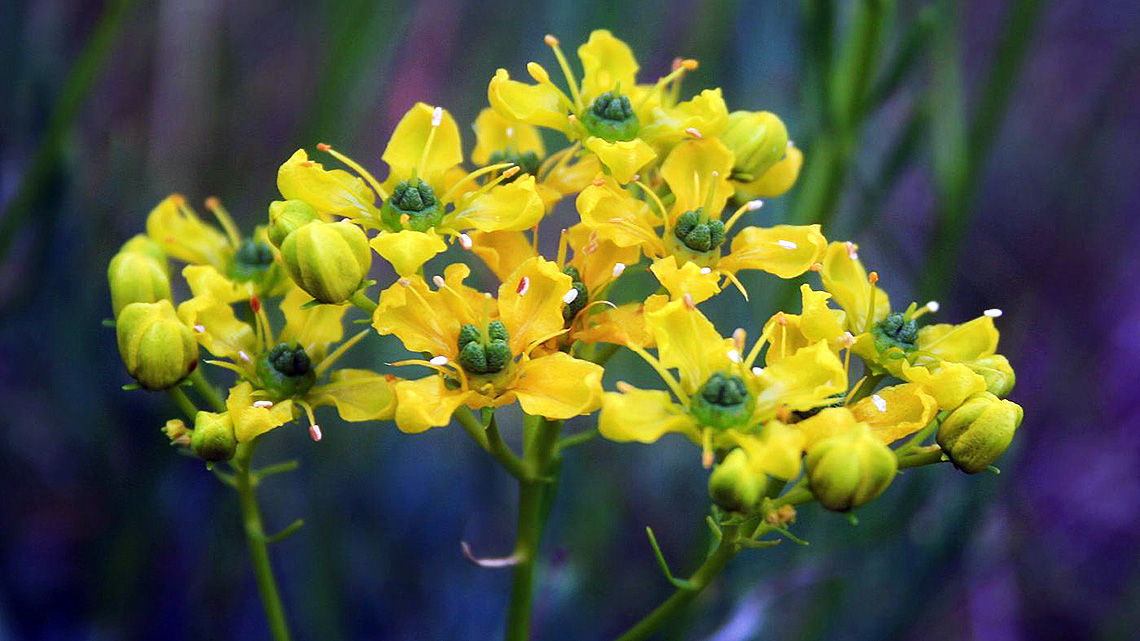
Rue (Ruta graveolens), also known as common rue or herb-of-grace, is a perennial plant from the Rutaceae family. This plant has a rich history and diverse applications in medicine, cuisine, and gardening. In this blog, we'll explore its appearance, uses, medicinal properties, and growing tips.
Appearance and Basic Characteristics
Ruta graveolens is a shrubby plant that can grow up to 60-100 cm tall. It has blue-green, feathery, compound leaves with a distinctive strong aroma. The flowers are yellow, clustered in corymbs, and bloom from May to July. The fruit is a small capsule containing numerous tiny seeds.
History and Traditional Use
Rue has been known since ancient times. The Greeks and Romans used it as a spice and medicine. It was considered a protection against evil spirits and diseases. Rue was also frequently used in rituals and magical practices. In the Middle Ages, rue was one of the most prized plants in European medicinal gardens.
Medicinal Properties
Ruta graveolens is renowned for its medicinal properties, though caution is advised as the plant can be toxic in larger amounts. Here are some of its beneficial effects:
- Antispasmodic: Rue is used to relieve muscle spasms and pain.
- Antibacterial: It helps fight infections due to its antibacterial properties.
- Anti-inflammatory: Rue can reduce inflammation and pain, especially in rheumatic conditions.
- Digestive Aid: Rue tea is used to ease digestive issues, including bloating and cramps.
- Menstrual Regulation: Traditionally, rue has been used to regulate menstrual cycles and alleviate menstrual pain.
Culinary Uses
Although rue has a bitter and strong flavor, it is used in small quantities as a spice, especially in Mediterranean cuisine. Its leaves can be added to salads, vinegars, or used to flavor alcoholic beverages like grappa. Due to its potency, rue is used sparingly to impart a distinctive aroma without overpowering the dish.
Growing and Maintenance
Ruta graveolens is relatively easy to grow. Here are some tips:
- Location: Rue prefers sunny to partially shaded locations. It is best planted in a spot that receives plenty of sunlight.
- Soil: The plant thrives in well-drained soil, rich in organic matter. It also tolerates drier soils.
- Watering: Moderate watering is required. Rue is drought-tolerant but needs watering during dry periods.
- Pruning: Regular pruning helps maintain a compact shape and encourages new growth.
- Resistance: Rue is resistant to most diseases and pests, making it ideal for organic gardening.
Conclusion
Ruta graveolens is a plant with a rich history and a wide range of applications. Whether used for its medicinal properties, as a culinary spice, or as an ornamental shrub in the garden, rue is a plant that deserves attention. However, due to its potential toxicity, it is important to use it with caution and in moderation. With the right approach, rue can be a valuable addition to any garden and kitchen.


Comments