



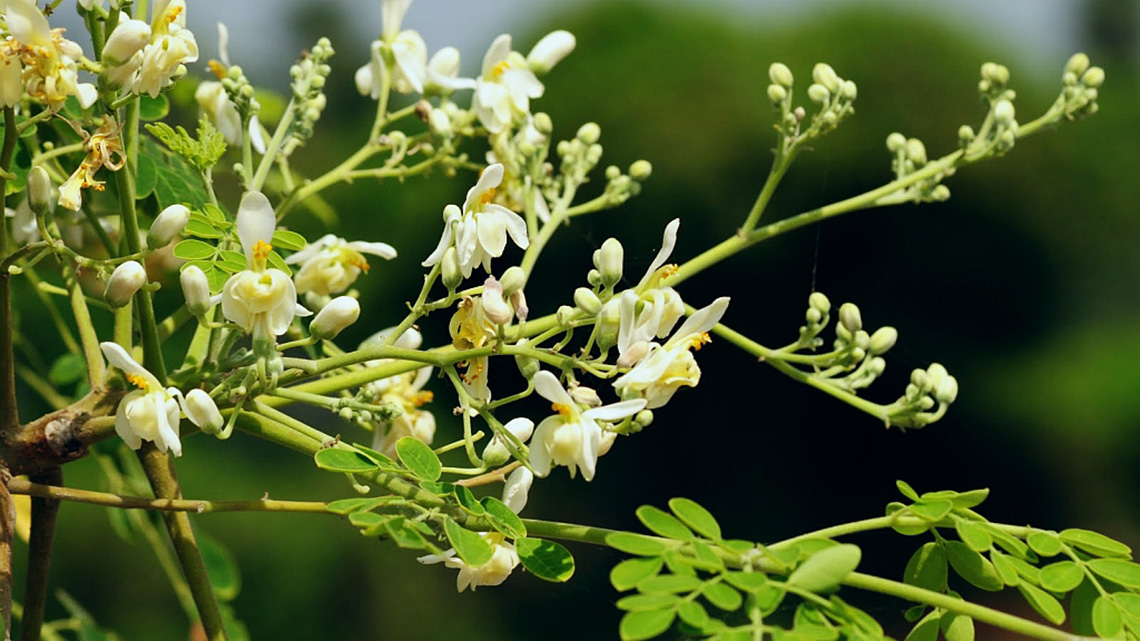
Moringa (Moringa oleifera), often referred to as the "miracle tree," is a fast-growing plant native to tropical and subtropical regions, particularly India and North Africa. Due to its rich nutritional profile and medicinal properties, moringa has become highly valued worldwide. This plant is used in various ways, ranging from food and beverages to traditional medicinal remedies.
Key Characteristics of Moringa
Moringa is a fast-growing tree that can reach heights of 10 to 12 meters, although it is often grown as a smaller shrub or tree. It is known for its long, pinnately compound leaves, while its pods resemble beans containing seeds. The tree is considered exceptionally resilient and can thrive in dry conditions, making it suitable for areas with low rainfall.
Nutritional Value of Moringa
Moringa is packed with vitamins, minerals, and antioxidants. Some of its key nutritional benefits include:
- Vitamins: Moringa leaves contain high levels of vitamins A, C, and E, essential for skin health, immune function, and protection from oxidative stress.
- Minerals: Moringa is rich in minerals such as calcium, iron, magnesium, and potassium, which help maintain bone health, blood circulation, and muscle function.
- Proteins: Moringa leaves are a great source of protein, including all essential amino acids, making it an excellent protein source, particularly for vegans and vegetarians.
- Antioxidants: Moringa is abundant in antioxidants, such as flavonoids, phenolic acids, and carotenoids, which help protect the body from free radicals and prevent chronic diseases.
Health Benefits of Moringa
Moringa offers numerous health benefits due to its rich nutritional content and medicinal properties:
- Boosts Immunity: Vitamin C and other antioxidants in moringa help strengthen the immune system, making the body more resistant to infections.
- Lowers Blood Pressure: Moringa can help reduce blood pressure due to its high potassium and magnesium content, which have a calming effect on blood vessels.
- Improves Digestion: Due to its anti-inflammatory properties, moringa helps alleviate digestive issues such as gas, bloating, and constipation.
- Anti-inflammatory Properties: Moringa is known for its ability to reduce inflammation, which is beneficial in treating conditions like arthritis and other inflammatory diseases.
- Promotes Skin Health: Due to its nourishing properties, moringa is often used in skincare products, helping to hydrate and reduce scars and blemishes.
- Stimulates Hair Growth: Moringa oil is popular in hair treatments as it improves circulation in the scalp, strengthens hair follicles, and stimulates hair growth.
Uses of Moringa
Moringa can be used in various forms:
- Leaves: Can be consumed fresh or dried and added to salads, soups, or ground into powder for smoothies.
- Moringa Oil: Extracted oil is used in cosmetic products and as a natural moisturizer for the skin and hair.
- Seeds: Can be consumed directly or used to make tea. Moringa seeds are also used for water filtration as they can absorb impurities.
Conclusion
Moringa is an incredibly nutritious and health-boosting plant that can enhance overall well-being. Its benefits are vast, from strengthening the immune system to improving skin and hair health. With growing interest in natural healing methods, moringa has become an indispensable element in many households around the world.


Comments