



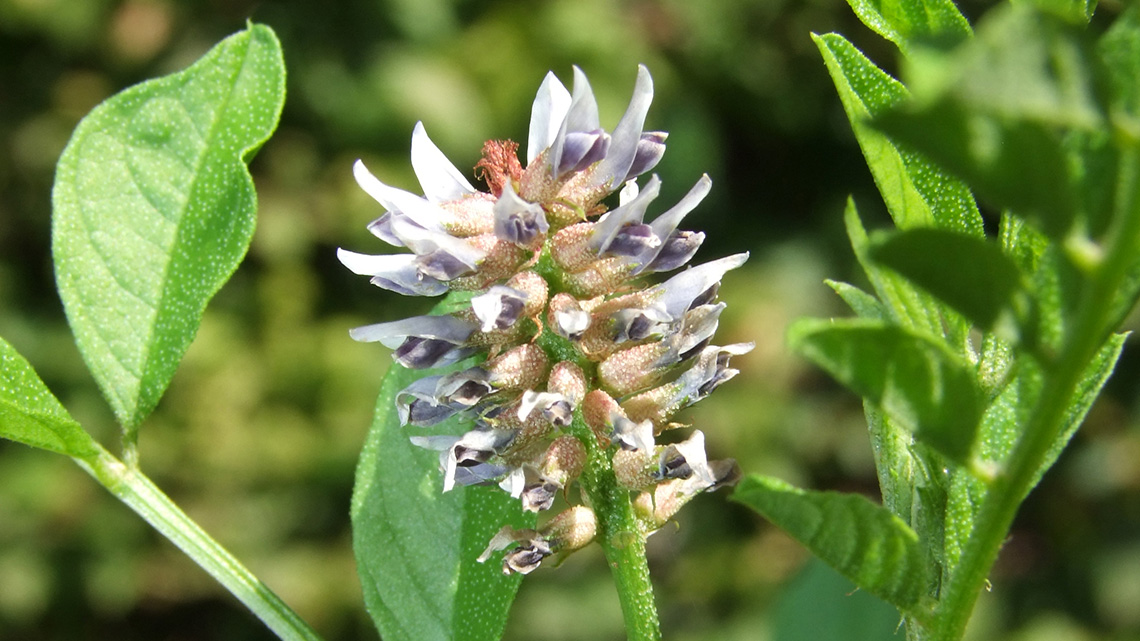
Licorice (Glycyrrhiza glabra), also known as sweet root, has been used for centuries due to its medicinal properties and distinctive sweet flavor. This plant belongs to the Fabaceae family and is known for its fruits that contain glycyrrhizin – a compound that gives it a characteristic sweetness, up to 50 times sweeter than sugar.
Licorice is widely used in various cultures around the world, both in traditional medicine and in the production of various food products.
Origin and Characteristics
Licorice is native to Asia and Southern Europe, but it is now grown in many parts of the world, including North America. The plant grows as a shrub or low tree, with narrow leaves and purple or bluish flowers that appear during the summer months. The roots of the licorice plant are the main part used because they contain the highest concentration of active compounds. These roots can grow up to one meter in length, and harvesting typically occurs around 3-4 years, when the root reaches full size.
Medicinal Properties
Licorice is best known for its medicinal properties. Its root is used in traditional medicine worldwide, particularly for respiratory ailments, digestive issues, and to boost the immune system.
- Respiratory Support: Licorice is known for its ability to alleviate symptoms of respiratory conditions like asthma, bronchitis, and colds. It can reduce throat irritation and ease coughing, making it a common ingredient in cough syrups and remedies.
- Digestive Health: It is used to relieve stomach issues such as bloating, reflux, gastritis, and stomach ulcers. Glycyrrhizin in licorice has a soothing effect on the stomach lining and helps reduce inflammation.
- Anti-inflammatory Properties: Due to its anti-inflammatory effects, licorice is used in treatments for various inflammations, including arthritis and skin inflammations. It helps reduce swelling and pain.
- Immune System Support: Licorice may improve immune function, making the body more resistant to infections. It has also shown potential in combating viruses such as the flu.
- Hormonal Balance: Interestingly, licorice can help balance hormones, making it useful for women suffering from PMS or menopause symptoms.
Use in Traditional Medicine
In folk medicine, licorice is used in many ways. The roots can be used fresh or dried and prepared as tea, extract, or in capsule and tablet form. In Asia, particularly China, licorice is an essential ingredient in many herbal formulas, while in Europe, it has been used in recipes to improve digestion and treat respiratory ailments.
Use in Food and Beverage Industry
Due to its sweet flavor, licorice is a popular ingredient in the production of candies, chewing gums, liqueurs, and other food products. It is also used in making sweet teas, especially when combined with green tea. However, it should be noted that consuming licorice in excessive amounts can have negative effects, as glycyrrhizin can increase sodium levels in the body, which may lead to blood pressure problems.
Potential Side Effects and Warnings
While licorice has many health benefits, excessive use can lead to unwanted effects. Prolonged use of licorice can cause high blood pressure, fluid retention, and an electrolyte imbalance. People with high blood pressure or heart conditions should consult a doctor before using licorice in large quantities. Pregnant women and breastfeeding mothers should avoid high doses of licorice.
Conclusion
Licorice is a plant widely used for its medicinal properties and sweet taste. Its use in treating respiratory and digestive issues, as well as boosting the immune system, makes it highly valued in natural medicine. However, like with any medicinal herb, it’s important to use it in moderation and be mindful of potential side effects. If you wish to take advantage of licorice’s benefits, it’s best to consult with a healthcare professional to determine the right dosage for your health.


Comments