



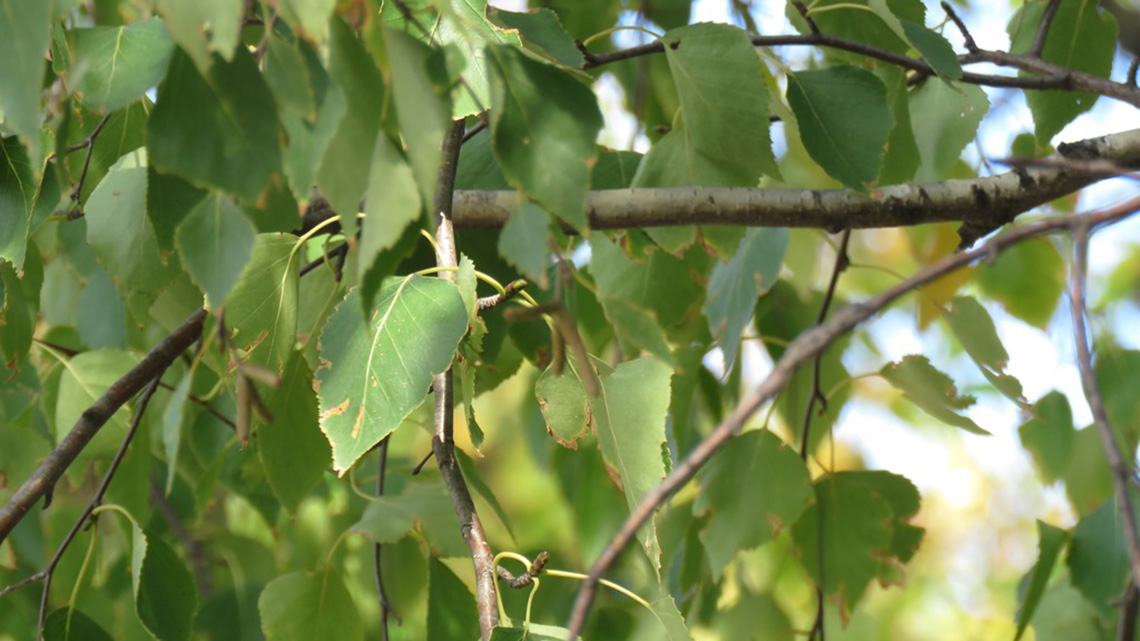
The birch tree, known by its Latin name Betula pendula, is one of the most recognizable and beloved trees in Europe. This slender and graceful plant symbolizes elegance and resilience, with its white bark and delicate leaves making it a cherished element of natural landscapes.
Description and Distribution
The birch is a deciduous tree that can reach heights of 15 to 25 meters. Its distinctive white bark, which peels off in thin layers, often features dark horizontal lines, adding visual interest. The leaves are triangular with serrated edges, and their light green color turns golden in the autumn.
This plant is highly adaptable and can be found in various habitats, from mountainous regions to lowland plains. It is widespread across Europe and parts of Asia. Birch prefers sunny locations and well-drained soils, though it is known for its ability to grow in poor soils.
Ecological and Cultural Significance
Birch plays a crucial role in the ecosystems where it grows. Its root structures help stabilize the soil, preventing erosion. Additionally, it provides habitat for many species of insects, birds, and other animals. In spring, birch produces large amounts of pollen, a key food source for bees and other pollinators.
In many cultures, the birch tree holds symbolic significance. In Slavic mythology, birch is associated with purity, new beginnings, and fertility. In Scandinavia, it is used in the celebration of Midsommar, where its branches adorn poles during the festival.
Medicinal and Practical Uses
Birch is known for its medicinal properties. The bark, leaves, and sap are used in traditional medicine to treat various conditions, from skin diseases to kidney problems. Birch leaf tea is a popular diuretic and is used for detoxifying the body.
Birch sap, also known as birch syrup, is a delicacy in some cultures. It is harvested in spring when the tree begins to release its sap, similar to the process of obtaining maple syrup. Besides being tasty, birch sap is rich in vitamins and minerals.
Birch wood is also valued in carpentry and furniture making. Its light color and fine texture make it ideal for many craft projects.
Horticultural Value
In gardens and parks, birch is often used as an ornamental tree. Its white bark and graceful branches create a striking visual effect year-round. Birch is also popular in landscape design due to its ability to grow quickly and adapt to various conditions.
Planting birch can add vertical elements and light contrasts to landscapes, especially when combined with other plants that have darker bark or denser foliage.
Conclusion
The birch tree (Betula pendula) is not only a tree of exceptional beauty but also an important part of the ecosystem and the culture of many peoples. Its resilience, medicinal properties, and aesthetic value make it a unique plant deserving of a special place in the hearts of nature lovers. Whether you observe it in the wild, use its medicinal parts, or plant it in your garden, the birch tree is a symbol of elegance and vitality that reminds us of the beauty and strength of nature.


Comments