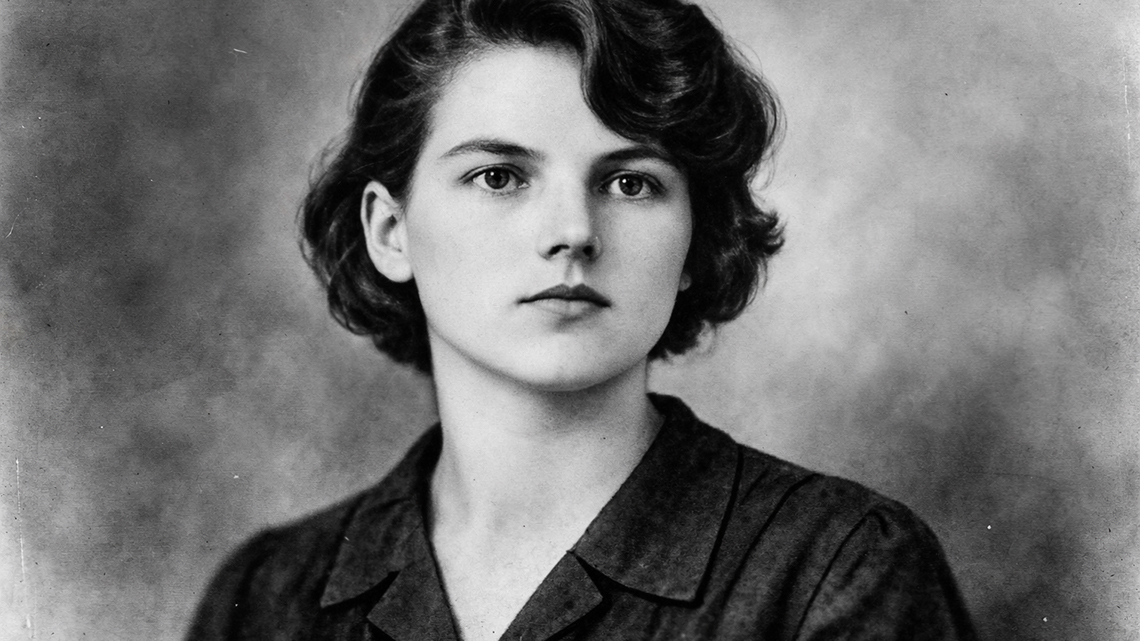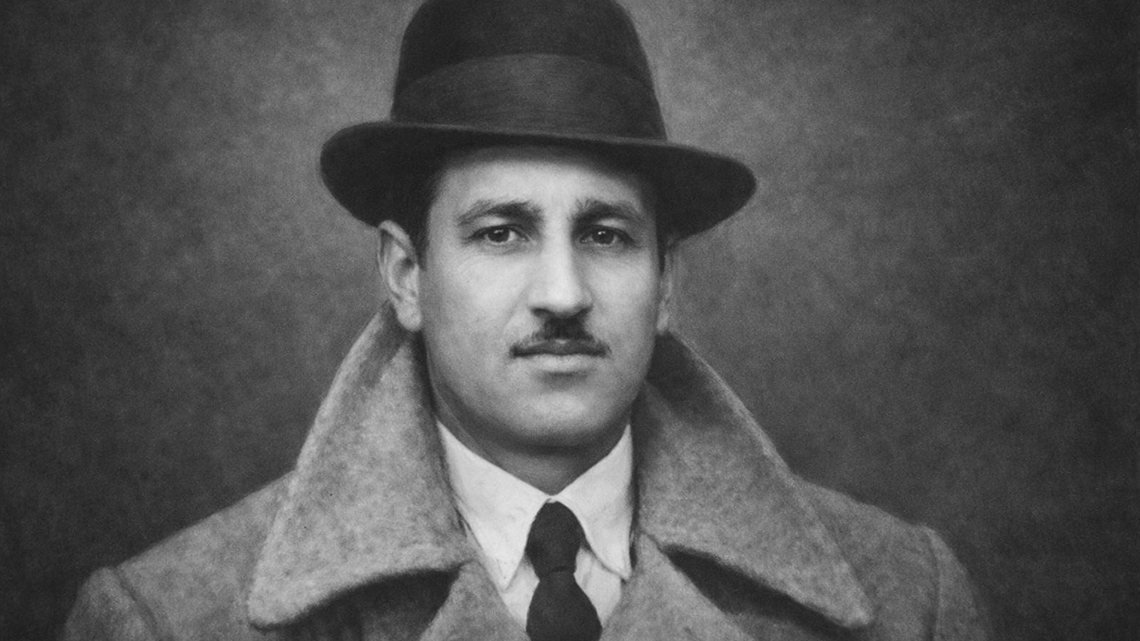

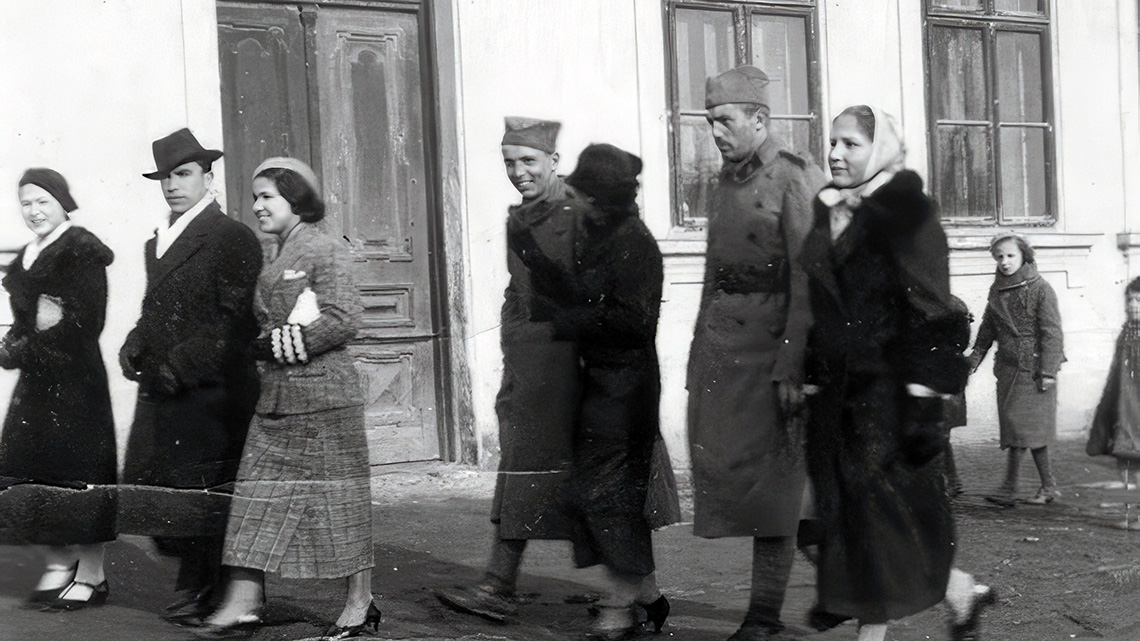
The chronicler's work has always represented a significant component of scientific historical creation, particularly inspired by historical events that are rightly regarded as revolutionary, as they inaugurate a new era and new relationships. Therefore, it is not surprising that the victory of our national revolution stimulated chronicling, and today we can confidently state that the chronicler's genre in our historiography is both developed and fruitful. The fact that we can assert this a quarter of a century after the victory of the national revolution does not diminish the significance of the chronicler's work and its valuable contributors, among whom are the authors of this chronicle.
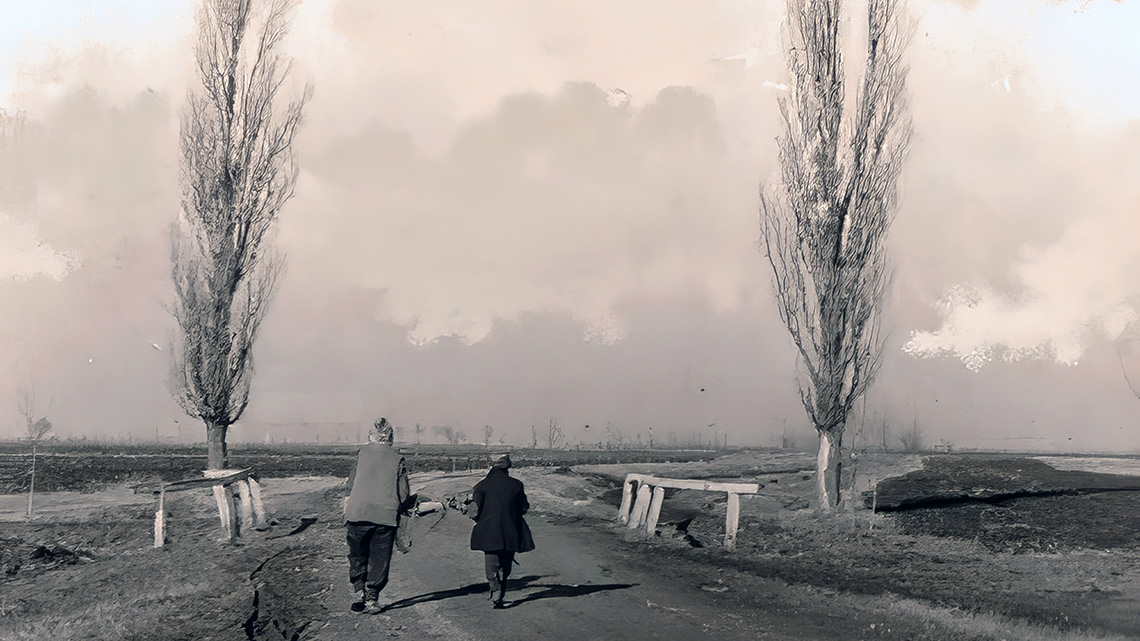
Kumane through History: Resilience, Revolution, and National Pride – In this category, we explore the deep connection between Kuman and the struggle for freedom, analyzing historical events and their impact on contemporary understanding of national identity.
Share this page on social media
Geographical Location
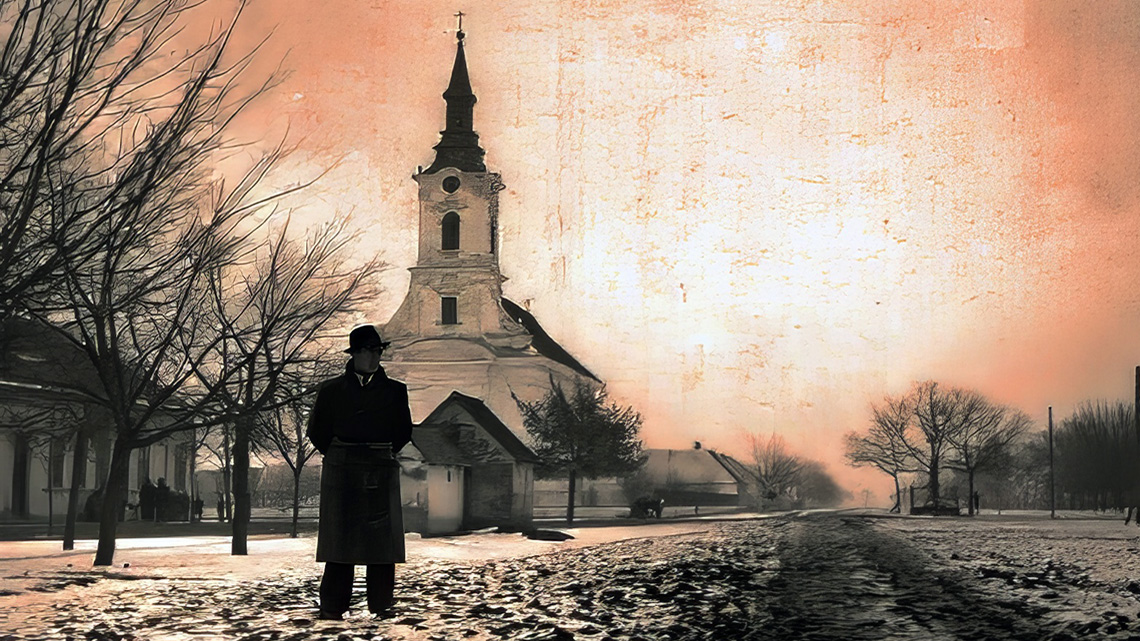
Kumane is situated in the central part of Banat, in the alluvial plain of the Tisa River, at 20° 14’ eastern longitude and 45° 33’ northern latitude. The territory of Kumane borders Novi Bečej to the northwest, the Tisa River to the west, Melenci to the northeast, and Taraš to the east. The village’s name originates from the Cumans, a Turkic people from Asia who reached Hungary in the 11th century.
By the privilege of Empress Maria Theresa dated November 12, 1774, the Great Kikin District was established, which included ten villages, among them Kumane. This was a "privileged Serbian district" within the feudal Austrian monarchy. This privilege regulated the relationships between the landholding nobility and their subjects, the internal organization of the district as a feudal institution, as well as the rights and duties of the population towards the authorities.
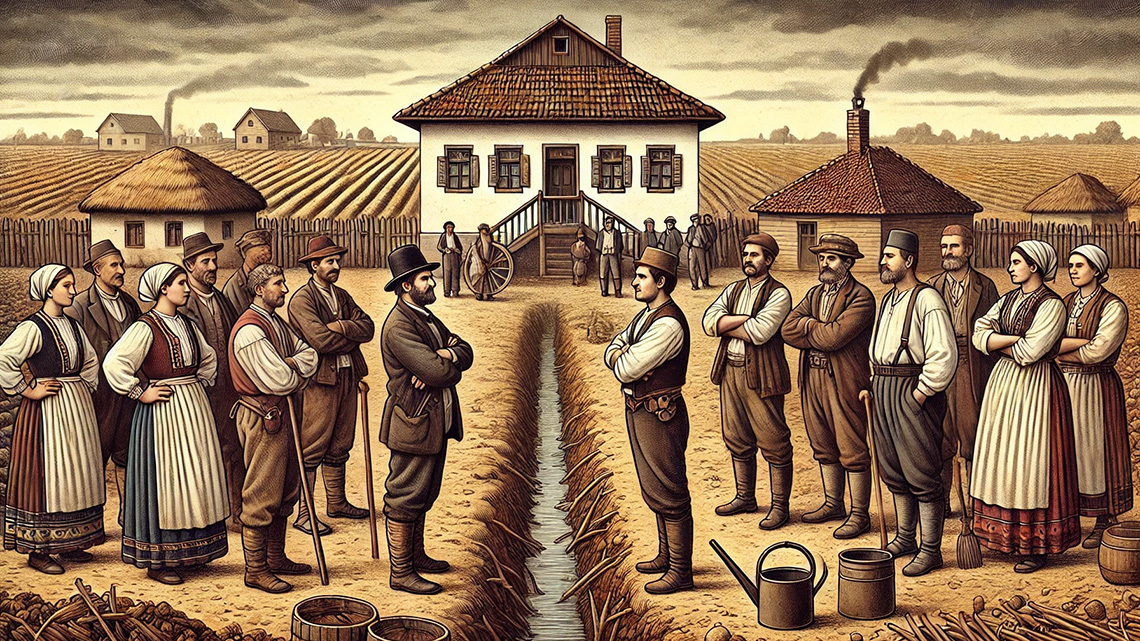
It is well known that the issue of the division, leasing, and use of wetland arose from the very first days of the establishment of the District and remained unresolved throughout its existence. This was due to the fact that the Chamber had feudal rights to all that land, while the District leased it for a relatively high price on a long-term basis. To meet its obligations to the Chamber, the District further subdivided this land and leased it to individuals for a limited time. The division of land was carried out by a commission, which led to many abuses. Those closest to the authorities, rather than the landless poor, were most often the ones who received land.
The revolutionary events of 1848 had a strong impact in the Great Kikinda District, where the unresolved agrarian and national questions sparked an anti-feudal agrarian movement among the peasant masses. The first violent clash between the rebellious Serbian peasants and the military occurred in Kikinda on April 24.
The Establishment of Political Parties After World War I
The main political party supported by the Greater Serbian bourgeoisie was the Radical Party, founded in Kumane in 1919 at the initiative of Dr. Boža Ankić, a lawyer from Zrenjanin. Among the locals, the founders included Milutin Birovljev, the party president, Čeda Radišić-Bukvić, Živa Čobanov, Marko Nosonjin, and Jefta Nosonjin, all wealthy farmers.
The Party-Syndical Congress for Vojvodina, held in Novi Sad on January 7 and 8, 1920, was attended by Ljubomir Čolić, a delegate from Kumane, who was elected as a member of the Control Board of the Executive Board of the Provincial Assembly for Vojvodina.
The first organization of agricultural workers in Kumane was founded in the late 19th century. According to the memories of the oldest residents of Kumane, its first leader was a young wheelwright, Rada Sokolović, who was expelled from Pakrac as a well-known agitator of socialist ideas.
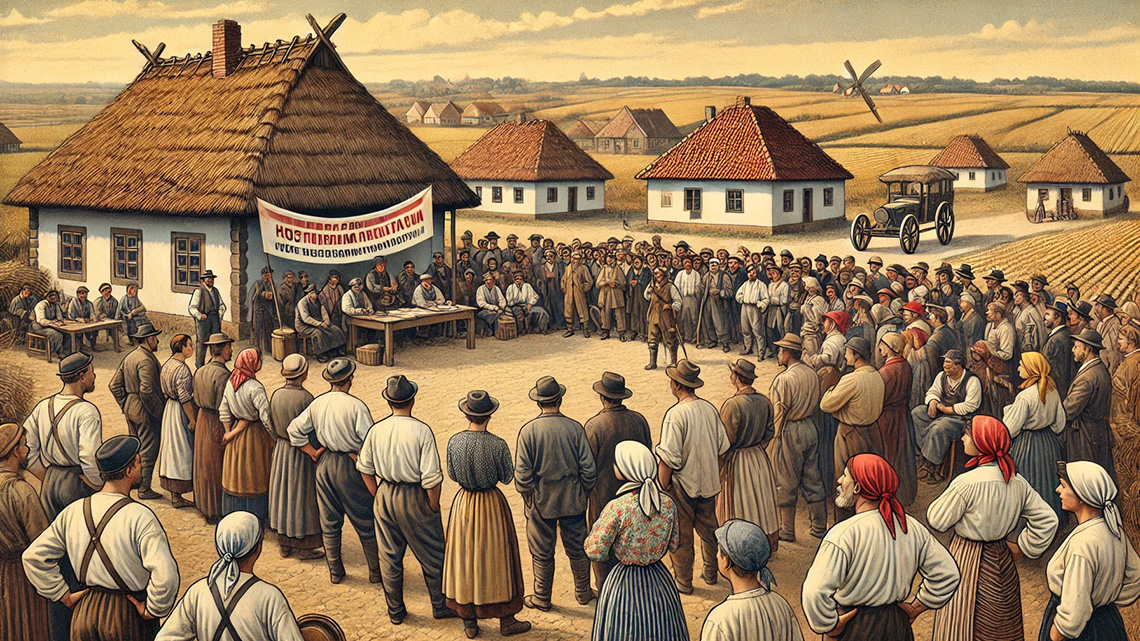
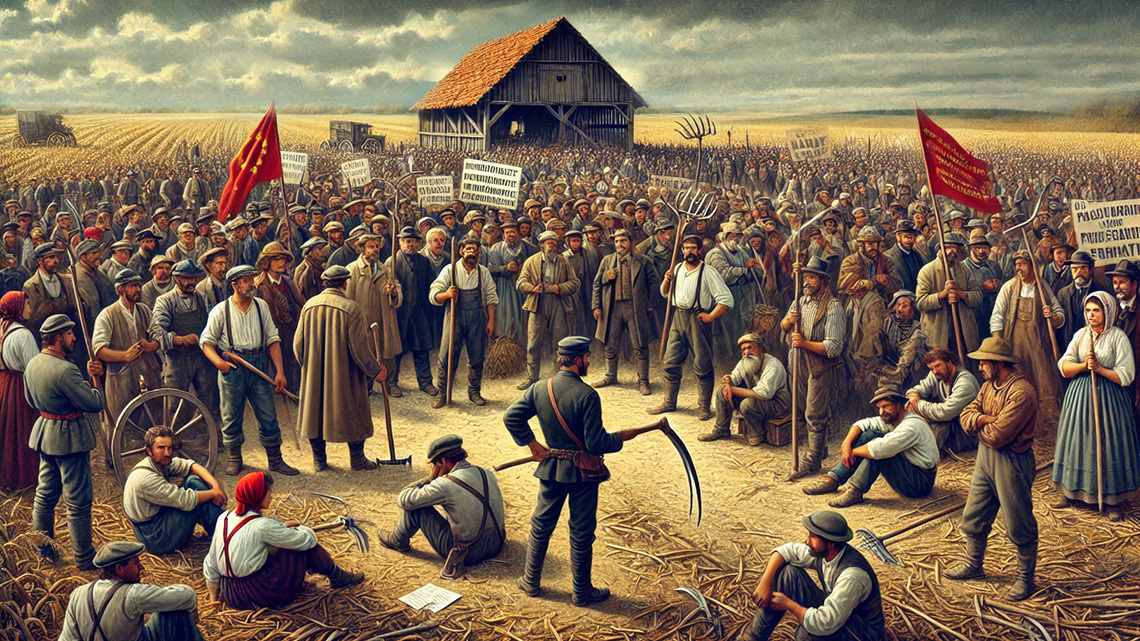
Poverty and harsh working conditions forced the rural poor and proletariat to organize and fight through strikes. Although there were strikes in previous years, those in 1897 were the most massive. The center of the struggle was in Elemir, and the most significant battle took place in Potisje, in the former District, where the strike gained the most momentum in Turski Bečej, Kuman, Melenac, and especially in the Torda municipality.
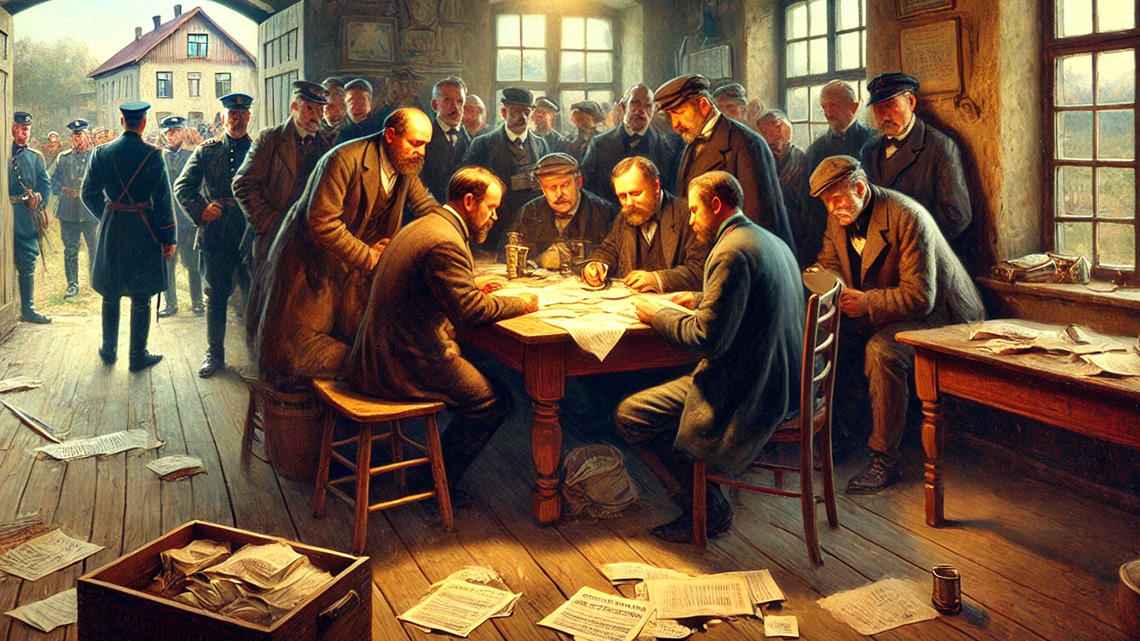
In the 1890s, Socialists were already participating in local elections. In some places, they took power. In Kuman, they achieved their greatest success in the municipal administration elections of 1898, when members of the Social Democratic Party were elected to the Municipal Board: Toša Stančić, the municipal prince, Boža Radišić-Bratko, the secretary, Živa Sekulić, and Laza Tubić, councilors.
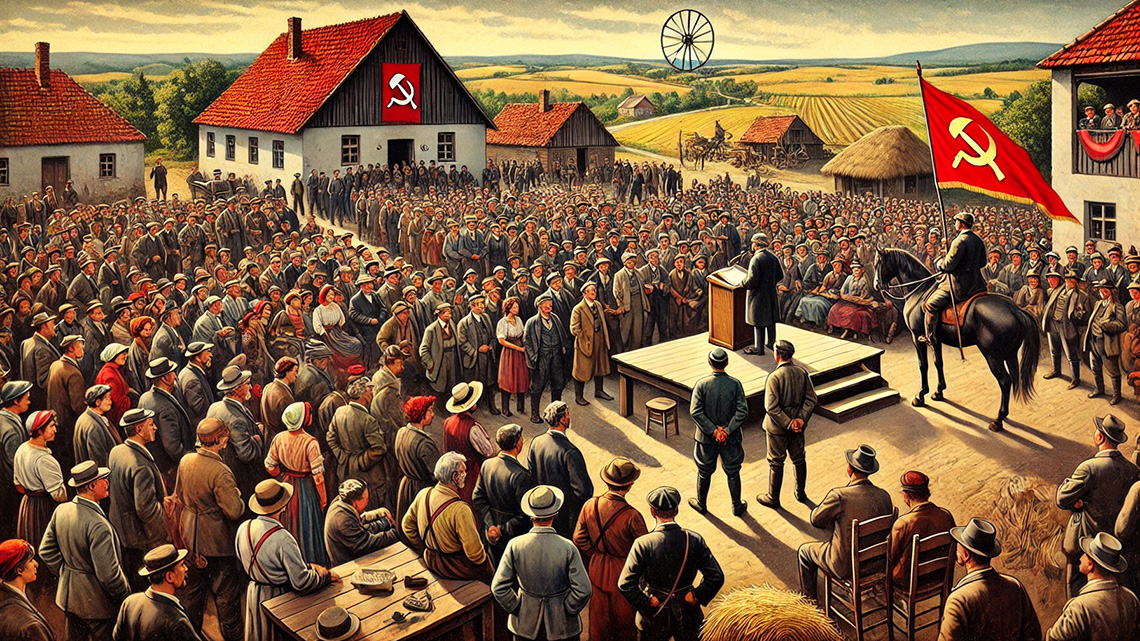
According to Radnički list, Ljubomir Čolić, president of the Local Party Organization in Kumane, was elected as a delegate to the Second Congress of the Party, held from June 20 to 25, 1920, in Vukovar. In June, a local party conference was held at which seven delegates were elected for the Second Party and Trade Union Congress.
The first parliamentary elections for the Constituent Assembly were called only two years after the unification, at a time when the bourgeoisie believed it had achieved a certain level of international and internal consolidation.
The Obznana was the response of the bourgeoisie to the growing strength and influence of the Communist Party. Its goal was to secure the position of the bourgeoisie and the monarchy while preventing any legal activity of communists and the working class in general.
On August 2, 1921, the Assembly adopted the Law on the Protection of Public Security and Order in the State, tightening measures against communists. This law prescribed harsh punishments for any communist activity, including the death penalty.