



The chronicler's work has always represented a significant component of scientific historical creation, particularly inspired by historical events that are rightly regarded as revolutionary, as they inaugurate a new era and new relationships. Therefore, it is not surprising that the victory of our national revolution stimulated chronicling, and today we can confidently state that the chronicler's genre in our historiography is both developed and fruitful. The fact that we can assert this a quarter of a century after the victory of the national revolution does not diminish the significance of the chronicler's work and its valuable contributors, among whom are the authors of this chronicle.
It must be acknowledged that Kumane, as an object of chronicler's preoccupations, represented a rewarding theme, as its revolutionary movement has a continuous development spanning several decades, with a small pantheon of revolutionary actors living and working within it. Although their actions are fundamentally known and recognized, they had not been scientifically illuminated prior to this chronicle, thus risking being shrouded in the veil of forgetfulness, which would be an injustice not only to the people of Kumane but also to history itself. By a certain series of circumstances, the authors of this chronicle had not only a rewarding but also an exceptionally responsible task, which they accomplished successfully, in our opinion. A careful reader will easily verify this.
One objective circumstance made the work on this chronicle more difficult. It concerns the archive of the Kumane municipality, which was lost in the whirlwind of revolution and the recent collapse of the Novi Bečej district archive. Nevertheless, this circumstance did not discourage the authors; they found substantial sources and inspiration for their work in the archives, libraries, and institutes of Zrenjanin, Novi Sad, Sremski Karlovci, and Belgrade, as archival traces of the revolutionary Kumane and its deeds remain in these locations. In such circumstances, the authors were placed in a position that inherently imposed a broader research approach to Kumane and its past revolutionary efforts, granting the chronicle a certain breadth and raising it above the average level of chronicler narratives and creations.
In their intent to apply all components of the research process in the final scientific shaping of Kumane's past, the authors extensively utilized the memories of still-living participants in some historical events in and around Kumane, thus compensating for the lack or incompleteness of available archival materials. By combining these memories and data from archival sources, they reconstructed certain events, imparted a stamp of credibility to them, and thereby eliminated subjectivist intonations, a known and harmful affliction of some chronicles.
The composition of the chronicle could hardly be seriously criticized, and its extensive material is divided into two parts. The first part covers the history of Kumane from the earliest times until the April War and the national revolution of 1941, while the second part addresses Kumane in the national revolution.
The chronicle primarily describes the geographical position and the circumstances under which the settlement of Kumane was established, first mentioned in history in the well-known Pećki cataster of 1660 and 1661. Highlighting the geographical circumstances in studying the past of a settlement is not irrelevant, even though geographical factors, as is known, have never been decisive in social development. Special attention is given to Kumane in the Great Kikinda district (1776—1876), when it evolved from a nearly anonymous settlement into a village with a school and a certain socio-political life, which, like in other district villages, was exhausted in the activities and conflicts of the so-called carbonara and factors. The people of Kumane participated in the revolutionary events of 1848/49, initially as part of the anti-feudal agrarian movement of the peasant masses in the district, which gradually lost its initial class-social characteristics and ultimately suffered the unfortunate fate of the movement of the Vojvodina Serbs in the 1848/49 revolution.
A significant period in the development of Kumane spans from the revolutionary years of 1848/49 until the end of World War I. The authors undoubtedly acted correctly in treating this period in a separate chapter. They cannot be seriously criticized for not addressing Kumane more diversely during the time of Bach's absolutism, as this part of Vojvodina's history in the last century unfortunately has yet to receive scientific treatment and interpretation. The assessment of the gradual and constant penetration of capitalist production and social relations into Kumane during the second half of the last century is appropriate and evident from the text, as the authors are generous in providing examples illustrating the processes of property and class differentiation and the relatively early entry of Kumane into the orbit of capitalist relations, understood within regional, Banat contexts.
In such social conditions, considering that the people of Kumane were inspired by the rebellious spirits of Svetozar Marković and Vasa Pelagić, it is not surprising that by the end of the last century, supporters of Varkonjija's movement were active in Kumane, leading the agricultural workers in the well-known strike of 1897. By 1898, they also achieved a notable success in municipal elections, winning four council seats in the municipal administration. However, the Union of Agricultural Workers was only established in 1906, and that same year, it mobilized its members for a successful strike.
Just at the time when the Kumans were creating their first class organizations and entering their first class clashes, the echo of parliamentary and national-political struggles, ignited in the territory of what was then Hungary, reached Kumane. Thus, the socio-political life of the Kumans was enriched with a new component, which is well documented in this book. Kumane entered World War I with a developed political life and, even more significantly, with clearly expressed social and national-political intentions. For its residents, wartime did not represent a deaf age. As mobilized soldiers, they spread anti-war propaganda, abandoned military duties, and fled from the front lines, returning to their Kumane, forming a green cadre, and in the autumn of 1918, they attempted to seize and divide the land of the nearby estate in a spontaneous surge, which was prevented by the regular Serbian army in the name of "maintaining order." Many Kumans had already realized the essence of the "maintenance of order" policy, so the current enthusiasm for creating a common state for our peoples, historically understandable, vanished before it could be objectively expected. Many Kumans thrown into Russia by the war's turmoil joined the October Revolution and fought for its ideas, and when they returned to Kumane, they played a very significant role in organizing and promoting the revolutionary workers' movement.
In the new state, thus, under changed historical circumstances, the Kumans remained faithful to their revolutionary tradition, about which the authors provide unequivocal evidence: on May 1, 1919, they founded the local organization of the SRPJ(k) with around 500 members. On January 14, 1920, the local SRPJ(k) organization held a large public gathering, sent several delegates to the Vukovar Congress of the Party, one of whom (Ljubomir Čolić) was elected to the Control Commission of the central party leadership, and in the autumn of 1920, more than 80 percent of Kumans' votes in the elections for the Constituent Assembly were cast for the communist electoral list. With the adoption of the Announcement and the Law on the Protection of the State, the communists from Kumane faced severe trials, as the bourgeois state apparatus did not shy away from methods to destroy the red Kumans. Thus began the epic of the communists from Kumane, which would last almost uninterrupted until the victory of the people's revolution, that is, until the final triumph of their ideas. The authors deserve credit for closely researching this epic, sometimes with more and sometimes with less success, and describing it on the pages of this book.
The authors were not only drawn to the bare facts of revolutionary events, as they did not wish to remain mere registrars of Kumane's revolutionary past. They recorded the social composition of the population and the agrarian reform after World War I, the colonization of Kumans in Stajićevo and Velike Livade, and presented the activities of the illegal organization of the KPJ and the local organization of the Independent Workers' Party of Yugoslavia in Kumane. This approach is undoubtedly correct. It actually allowed them to explain the socio-political developments in the period from 1921 to 1928: the establishment and activities of the Association for the Education of Young People, Kumans going to study in the USSR, the founding and activities of the branch of the Agricultural Workers' Union in 1926, the arrest of communists in 1927, the election of new local leadership of the KPJ in 1927, the trial against communists on June 9-10, 1927, pre-election activities for parliamentary and municipal elections in 1927, etc.
It is understandable why the authors particularly focused on the January 6 dictatorship, as its repercussions on Kumane and their revolutionary movement were inevitable. If the creators and bearers of the dictatorship believed that the hardest nut to crack would be communist strongholds like Kumane, they were not mistaken, as despite the open regime of the whip, they soon realized that May Day leaflets and caricatures of King Alexander and Petar Živković, the president of the dictatorial government, were circulating in Kumane. Arrests and mistreatment of communists ensued, and an unequal struggle unfolded in which the bourgeois state apparatus often formally won, but failed to convince anyone of the legitimacy of its class and political intentions, least of all the Kumans. Once again, the authors' desire to shed special light on the political work of Jovan Veselinov and other communists from Kumane, their arrest, and the trial in 1931 is justified. (Perhaps this desire could have been better realized if they had integrated the activities of Jovan Veselinov into several chapters of this book.)
After the initial blows from the dictatorial regime in 1931, there was an effort to revive the activities of the party organization, but significant successes were achieved only in 1933 when the Local Committee of the KPJ was formed in Kumane, and by early 1934, three party cells were already operating. The renewed party organization soon had a favorable opportunity to demonstrate its strength and influence, and through systematic political work and good tactics throughout 1934, it dismantled Hođer's party not only in Kumane but also in the New Bečej district. The communists from Kumane experienced particular success in the May 1935 elections, about which this book contains interesting and valuable information.
The establishment of the Provincial Committee of the Communist Party of Yugoslavia (KPJ) for Vojvodina on September 29, 1935, is connected with the work and activities of the communists from Kuman, as their activity had been almost continuous from the founding of the first party organization until this time. In the mid-1930s, significant changes occurred in the social structure, as the process of property differentiation and stratification was in full swing. The village was impoverished, the number of landless and poor peasants grew from year to year, creating favorable conditions for political work and action. It was natural that in Kuman, where 93% of the population owned 51% of the arable land and 7% of the wealthier residents owned 49% of the land, a branch of the Agricultural Workers' Union was established in 1936. The same year, strikes broke out among chamomile pickers and harvesters, in which the communists from Kuman played a leading role. The youth of Kuman, led by SKOJ (Union of Communist Youth of Yugoslavia), stepped onto the political stage around this time and quickly affirmed themselves as a significant political factor in the village. The vibrant political life was partially interrupted in 1936 by a major crackdown and the arrest of many communists, but it could no longer be completely halted, as its social carriers were numerous and, significantly, had considerable political experience, enabling them to adapt their political activities to new, albeit worsened, circumstances. This was evident in the municipal elections of 1936, where the bourgeois authorities could only note that their repressive measures, often draconian in nature, did not achieve the desired effect in Kuman.
The book devotes special attention to the development of the revolutionary movement in Kuman from 1937 to 1941, as this movement represented only a ripple in the workers' revolutionary movement of our province, and indeed the country, which entered a new phase of development after Josip Broz Tito took the helm of the KPJ. Interestingly, in Kuman, despite being a relatively smaller place, echoes of new opportunities and new political constellations in the international workers' movement were noticeable after the 7th Congress of the Comintern and Tito's arrival at the head of the KPJ. However, it was not merely echoes. The people of Kuman endeavored and succeeded in bringing Comintern and Tito's concepts of the popular front to life during this period. They expanded the base of their political activities, and the wide range of their political aspirations was beautifully manifested in the activities of the Youth Cultural and Economic Movement (OMPOK) in 1937 and 1938. Under such circumstances, and in accordance with the intentions and activities of the new leadership of the KPJ, a new Local Committee of the KPJ was also established in Kuman, linked to the District, County, and Provincial Committees of the KPJ. It is evident that the revolutionary workers' movement in Kuman entered a phase of final consolidation by the end of the 1930s, and its ideological and political activities were multifaceted, observable equally in the sports and cultural-recreational life of the youth, in the activities of the Labor People's Party, in work with women, and in preparations for the party organization to defend the country's independence. Thus, the people of Kuman were not caught unprepared when the April War of 1941, the occupation, and the dismemberment of Yugoslavia occurred. In the new and difficult historical circumstances, their contribution to the liberation and revolutionary struggle would not be absent. Not only that: it was very significant.
When the KPJ called our peoples to armed insurrection, the people of Kuman responded to its call without hesitation. Following the directives and policies of the party leadership in Banat, the party organization in Kuman led the village into battle, as their readiness to embrace the liberation war and revolution wholeheartedly was unconditional, and their faith in final victory was nearly limitless. It is entirely understandable that in the initial phase of the struggle there were illusions about the swift collapse of fascism, as well as schematic perceptions of the paths and nature of the revolutionary struggle, and that these initial difficulties, misconceptions, and insufficient adaptability, along with objective shortcomings, led to tragic consequences and put the National Liberation Struggle (NOP) in crisis, which, after heavy losses, the Party and SKOJ managed to overcome, intensifying and popularizing the NOP with new forces. Therefore, the reader will not be surprised to read that the Kuman partisan detachment was formed as early as mid-July 1941 and soon engaged in an unequal struggle against a superior enemy. In early August, there was a merger of the Kuman detachment with the Melenački detachment, and by mid-September, they joined the Northern Banat detachment, which was supposed to undertake larger military actions and later break through from Bačka to Srem at an opportune moment. However, due to objective difficulties of various kinds and some subjective circumstances, mass and more numerous actions of the NOP did not materialize, and the detachment's breakthrough into Srem was unsuccessful. Due to such circumstances, as well as other political factors, the northern Banat partisans, including those from Kuman, were forced to return to the village, and at the end of September, the Local Committee of the KPJ in Kuman held a meeting to discuss the construction of secret shelters and bases. Thus, the first period of armed liberation and revolutionary struggle ended, the heroic era of the Kuman partisans, which represented a small rush at the sky, about which there is an abundance of data in the pages of this book, but it is a pity that there are no historical observations and broader insights.
After the February blockade, during which the enemy held the village from 5 to 25, arrested 217 individuals, and uncovered 32 bases, there was a noticeable ebb in the liberation and revolutionary struggle, accompanied by significant sacrifices from the people of Kuman, which is very illustratively and documentarily described in the book. This was the introduction to a kind of crisis of the NOP in Kuman, which would last throughout 1942, but this does not mean that the NOP was liquidated. On the contrary, the impression is that its creators were indestructible, even though they were decimated, as instead of a fallen Kuman partisan, another would step into the struggle, ready to continue the great work of the revolution. Revolutionary political work spread again, and the SKOJ and party organizations were renewed. In the autumn of 1943, after connecting the NOP of Banat with the NOP in Srem, the crisis was resolved, and from then on, the NOP in Kuman experienced a surge until the end of the national and socialist revolution.
The establishment of connections between the party leadership in Northern Banat and the provincial leadership in Srem had multiple significance for the people of Kuman. First of all, it strengthened their belief that their past sacrifices were not in vain, as they were always, even in the horrific days of blockade, raids, and shootings, one unit, small but valuable, of the great revolution and its ideals. Furthermore, unique paths of the revolution opened up for them, which were not burdened by dogmatic understandings of revolutionary struggle. Finally, they were even more firmly convinced of the inevitability of the triumph of the revolution under Tito's leadership.
From the autumn of 1943, the people of Kuman began to participate en masse and in an organized manner in the transports of volunteers going to Srem and Eastern Bosnia, to the Voivodina National Liberation Brigades and Divisions. The role of Kuman in the liberation struggle grew day by day, and the District Committee of the KPJ for Northern Banat was not based in Kuman without reason at the beginning of 1944. In July 1944, the people of Kuman successfully attacked the municipality, and in early August, as part of the Northern Banat detachment, they attacked the camp in Čoka. However, alongside successes, there were also sacrifices. Such is the inexorable law of every revolution. The authors have collected plenty of data about these sacrifices in the final phase of the war and revolution, describing the magnitude and significance of their feat in a truly striking manner.
The first days of October 1944 brought freedom to the people of Kuman, for which they fought so passionately and persistently, but the war and revolution were not yet over. Therefore, the village truly embraced and realized the slogan "Everything for the front." The socialist ideals rooted in Kuman half a century ago were realized, and the thought that the people of Kuman had always been faithful imposes itself on the reader of this book.
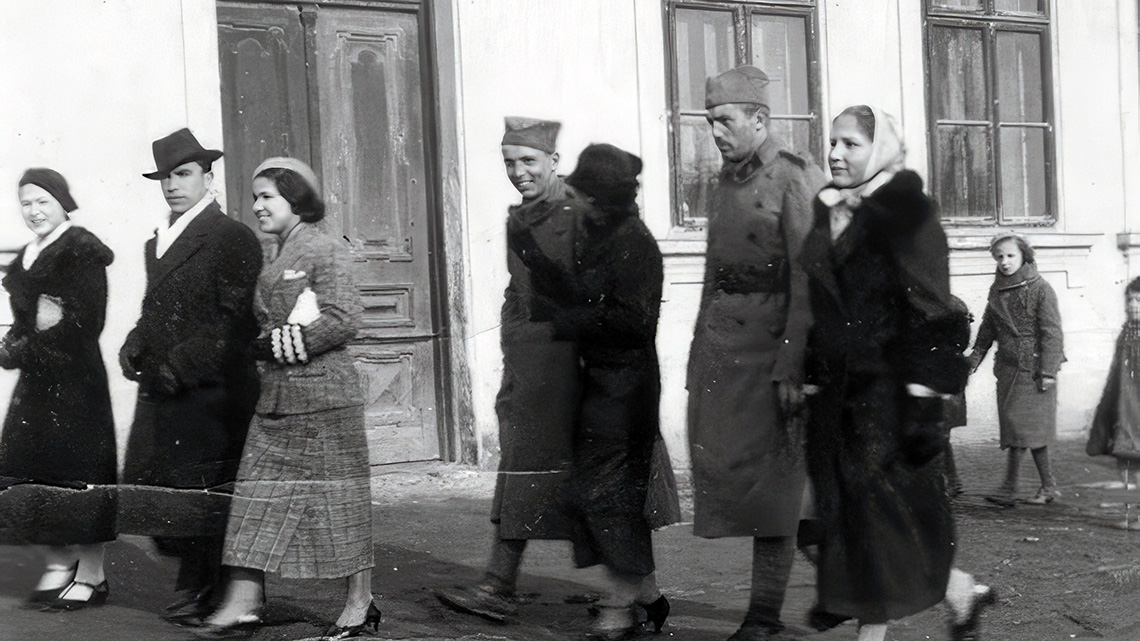
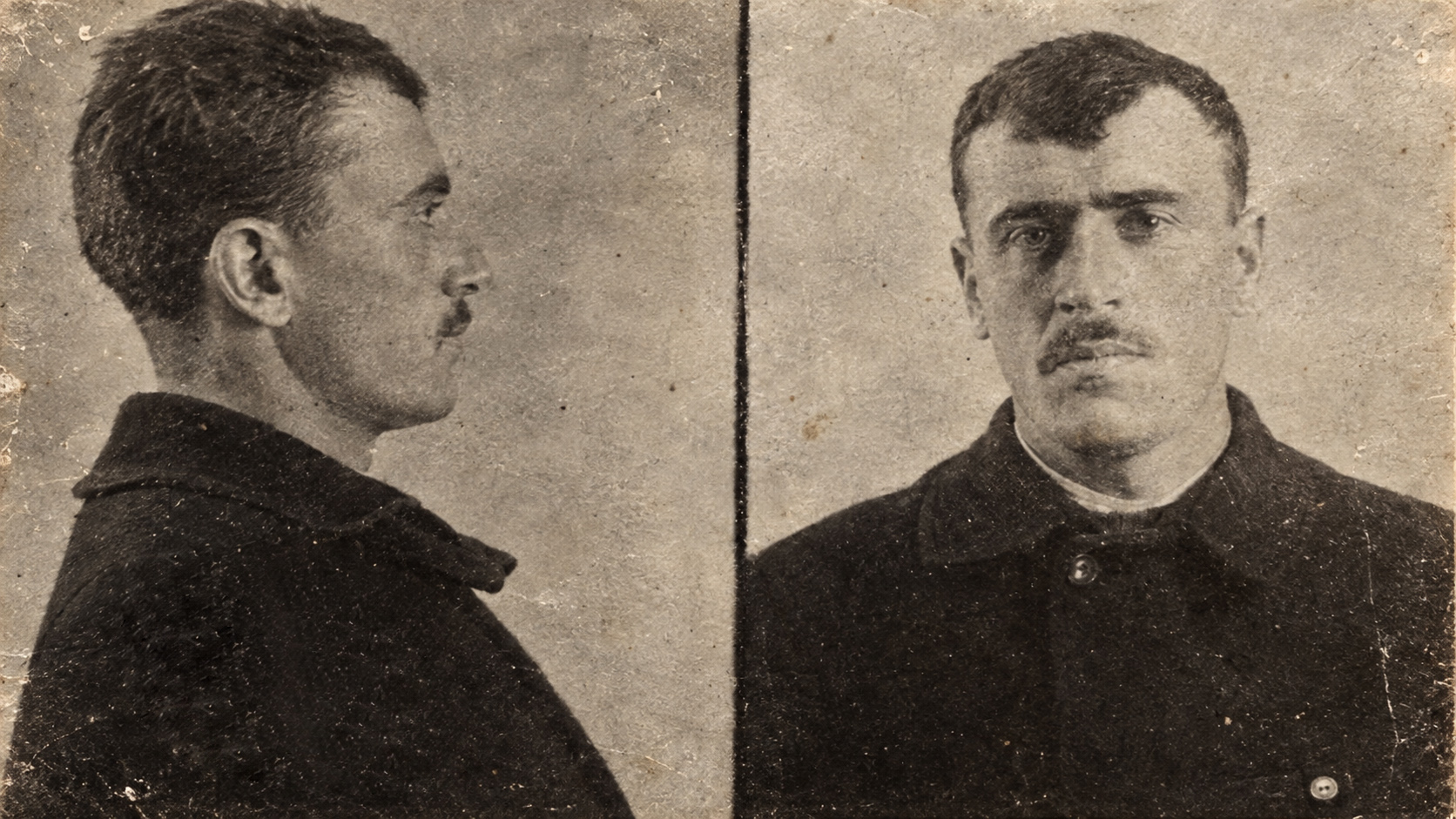
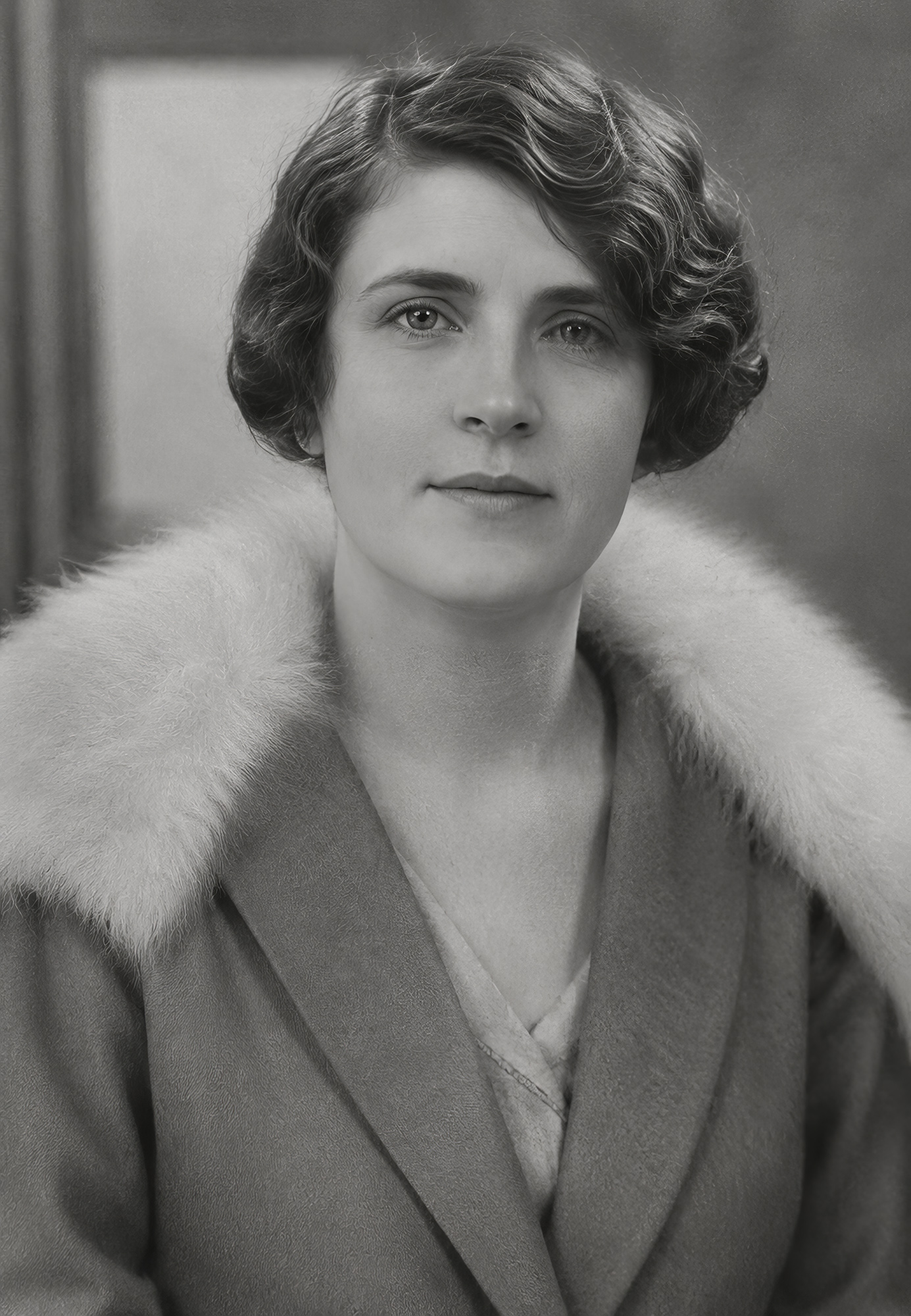
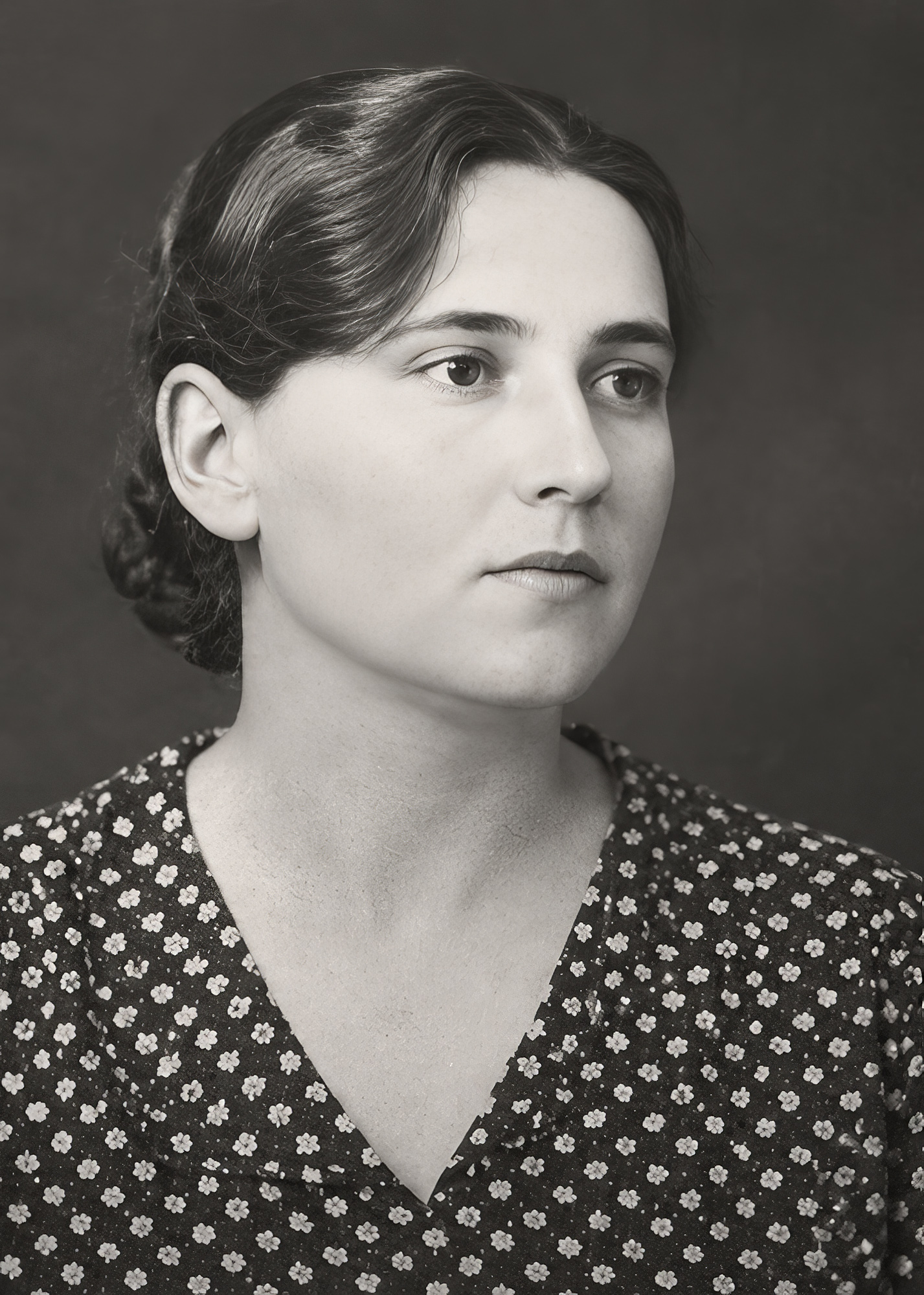
The authors deserve praise for equipping the book with suitable, numerous, and well-chosen illustrations, which, in addition to their aesthetic value, have significant documentary value, as they unequivocally lead us to the conclusion that there is no gap between the rich revolutionary past of Kuman and the text of this book.
There is no doubt that this book will be the most read in Kuman, as it serves as its monument, but the circle of its readers will be significantly wider, and historians of the People's Liberation Struggle in Vojvodina will not be able to overlook this work, which has been written with love, responsibility, and skill by Zagorka Končar and Ljubomir Tabački.
Comments