



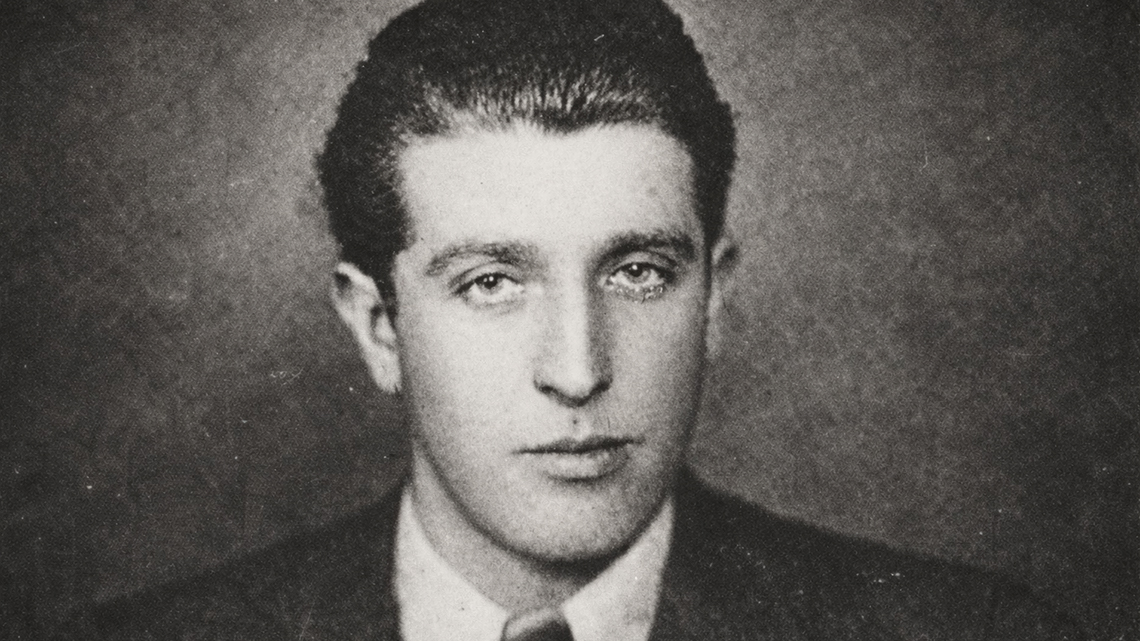
From May 17 to 22, 1926, the Third Congress of the Communist Party of Yugoslavia was held in Vienna, which addressed, among other issues, agrarian and peasant matters. The delegate from Kuman was Laza Blažić, elected at the regional conference in Zrenjanin. The congress took place during intense factional struggles within the Party.
In a conversation with Jovan Veselinov, Blažić shared his impressions, expressing dissatisfaction with the internal conflicts among the leadership, but also hope for the Party’s future. He particularly trusted certain prominent communists, including Filip Filipović and Vladimir Čopić, concluding that communists must continue working and fighting, believing in their ability to create a better society.
KPJ Organization in Kuman
In 1926, Kuman had between five and seven Party cells, with about 80 organized members. Most were agricultural workers, small artisans, seasonal laborers, and poor peasants. The KPJ in Kuman also supported organizations in neighboring towns, including Novi Bečej and Velike Livade. When a joint Party group was formed for Vranjevo and Novi Bečej, it received directives from the Local Committee in Kuman, with Laza Blažić and Nova Stančić frequently attending meetings.
Economic Conditions and Strengthening Union Work
The overall economic situation in the countryside during 1925–1926 worsened significantly, creating favorable conditions for the revolutionary movement led by the KPJ. The local organization used all legal means to strengthen the alliance of workers and peasants, focusing particularly on the agrarian proletariat and artisan workers.
Communists gradually established footholds in legal organizations under their influence, including the Youth Education Association and the Agricultural Workers’ Union, which operated within independent trade unions. Their strongest base was found in the Branch of the Agricultural Workers’ Union.
Founding of the Kuman SPRJ Branch
The Branch of the Agricultural Workers’ Union was founded on September 5, 1926, without the district chief’s approval. It had around 300 members, including agrarian proletarians, poor peasants, and some middle-class farmers. The branch leadership included Sredoje Stančić as president, Veselin Tatić as vice president, Đura Brančić as secretary, Lazar Mirčetić and Voja Stančić as treasurers, and Slavko Miškov and Slavko Strajnić as members of the Supervisory Board.
The branch operated publicly. Meetings were held at the Trade Union Hall, located in the house of Miloš Ćurčić, a shoemaker, with a sign reading: Subcommittee of the Yugoslav Agricultural Workers’ Union in Kuman. The walls were decorated with portraits of Karl Marx, Friedrich Engels, and Vladimir Lenin.
The hall contained a library of about 200 books, including works by banned authors such as Grigory Zinoviev, Nikolai Bukharin, Anatoly Lunacharsky, and Leon Trotsky. Members also read workers’ press, including Organized Worker, Srp i Čekić, Young Bolshevik, and Cell.
Branch members paid membership fees and had membership cards with stamps. After the founding assembly, they submitted a request to the district authorities in Novi Bečej to approve the branch’s work, signed by 32 agricultural workers.
1. Milivoj Stančić was thrown into the Tisa river near Čurug during the Raid
This tragic event refers to the Raid in southern Bačka (also known as the Novi Sad Raid) of January 1942, when Hungarian occupation forces and gendarmerie carried out mass executions of civilians in Čurug and surrounding areas.
Comments