



Following the notorious Obznana decree, the work of the Communist Party of Yugoslavia (KPJ) in Kuman was banned, and the Serbian Workers’ Party of Yugoslavia (SPRJ) was dissolved. With the introduction of the State Protection Act, prominent KPJ members faced extremely difficult times. Ljubomir Čolić, the secretary of the local party organization, died at a very young age after imprisonment due to torture and mistreatment.
Agricultural workers lost the ability to legally fight for their rights, and their economic situation deteriorated significantly. All gains achieved in 1919 and 1920—such as the eight-hour working day and the right to sign collective agreements—were abolished. The KPJ organization in the village had to adapt its activities to the new, illegal conditions.
In June 1921, Nikola Kovačević, a member of the illegal Regional Party Council for Vojvodina, visited Kikinda, Kumane, and several other towns. His mission was to connect party organizations and provide guidance for their work under these new circumstances.
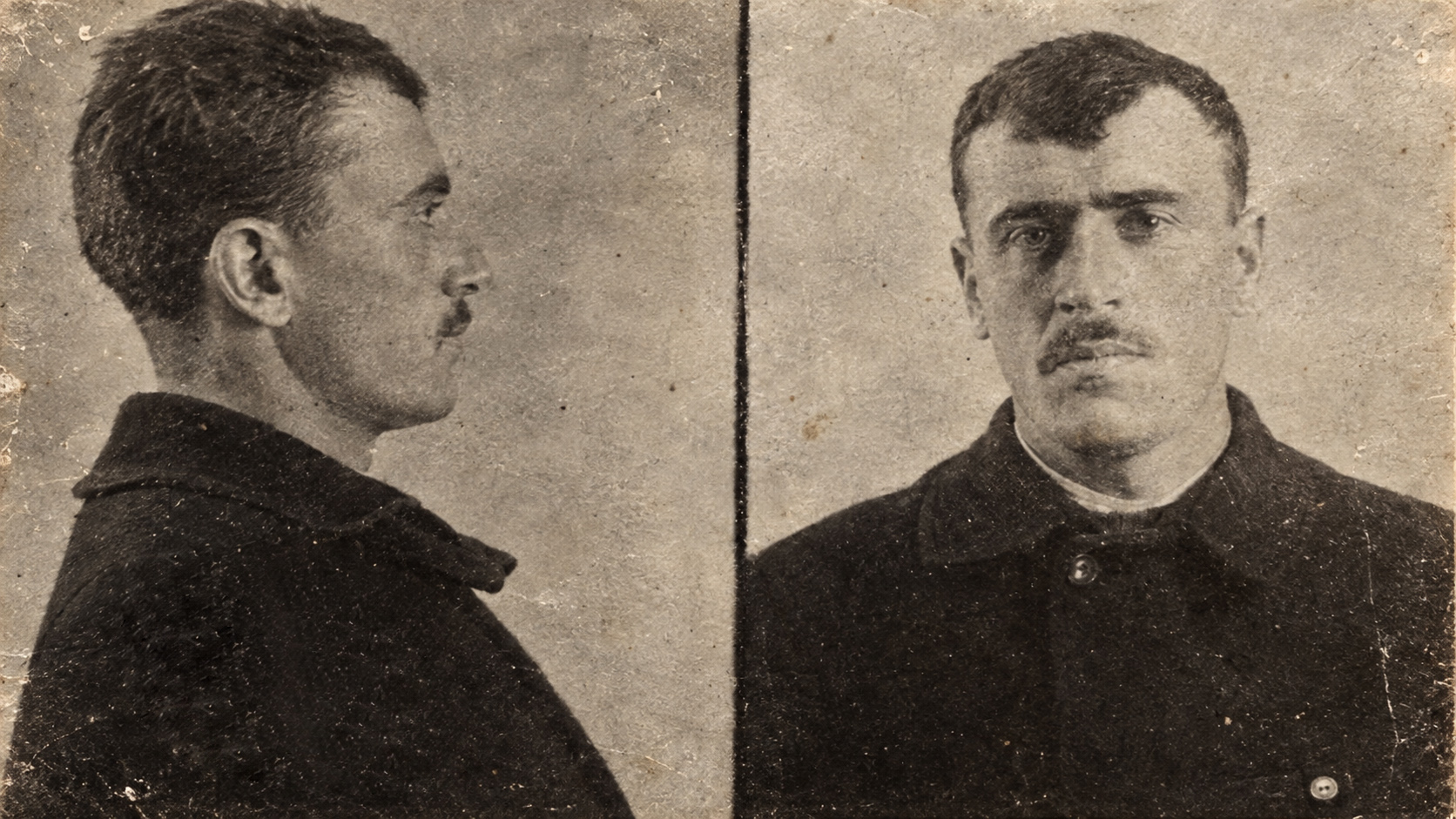
The KPJ secretary in Kuman, Laza Blažić — Socialist, was the central figure in the village. To carry out assigned tasks, he engaged the most active and committed members of the KPJ. Laza had been involved in the revolutionary labor movement even before World War I, participating as a youth in all social-democratic actions in Kuman. Although initially lacking formal education, he was naturally intelligent and class-conscious. Due to severe financial difficulties, he worked briefly in Germany and the United States.
During World War I, he served in the Austro-Hungarian army, later defected to the Russians, and ended up in captivity. Afterwards, he fought on the Dobrudja front with the First Serbian Volunteer Division. He took part in the February and October Revolutions in Russia, fought with the Red Guard, and became a member of the Bolshevik Party. While serving in the Red Army, he learned to read and write and completed a course for Red Army commanders in 1921. Upon returning to Yugoslavia that year, he began restoring and strengthening illegal party organizations.
His extensive revolutionary experience allowed him to carry out the most responsible tasks successfully and to participate in numerous local, regional, and central KPJ meetings. The gendarmerie closely monitored his every move and reported to the district authorities. As the secretary of the local KPJ organization, Laza frequently attended higher-level party forums, and his absences regularly prompted authorities to issue arrest warrants.
By 1923, under Laza Blažić’s leadership, the KPJ in Kuman had been restored and strengthened. At the same time, the Communist Youth League was developing. At the Second National KPJ Conference, held from May 9–12, 1923, delegate Jožef Hermal noted: “Regarding illegal formations, they exist only on paper. There are many groups that exist, and in Upper (Northern) Banat there are around 200 members, while in Kuman there are about 10.” Local residents, however, claimed there were around 30 members.
This revolutionary core, mostly composed of agricultural workers and craftsmen, led the entire labor movement in the village.
Comments