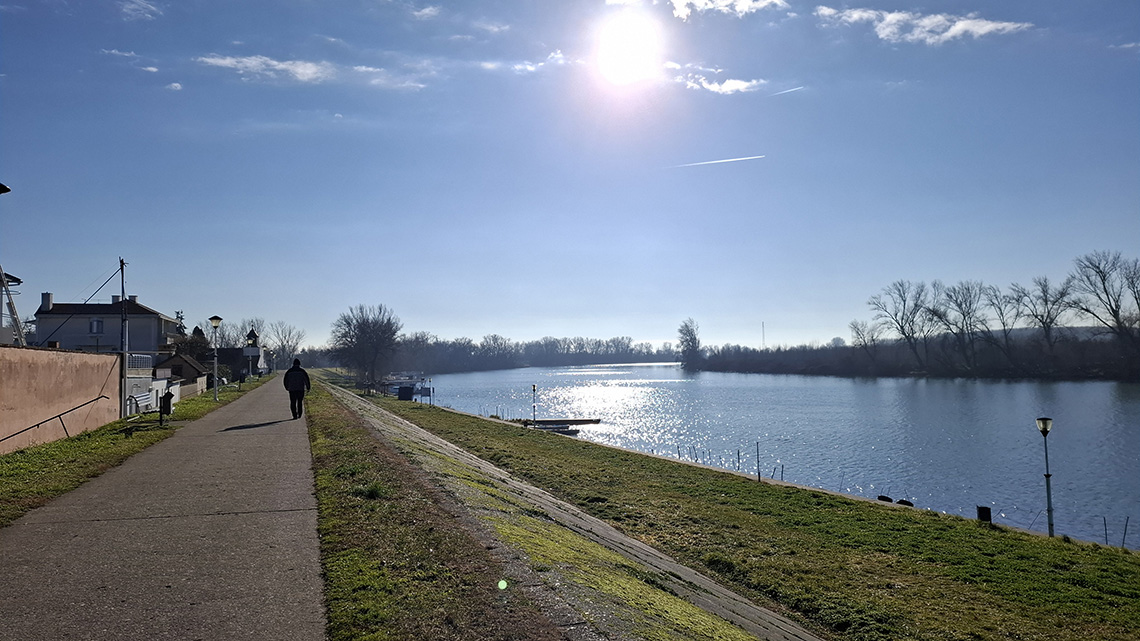
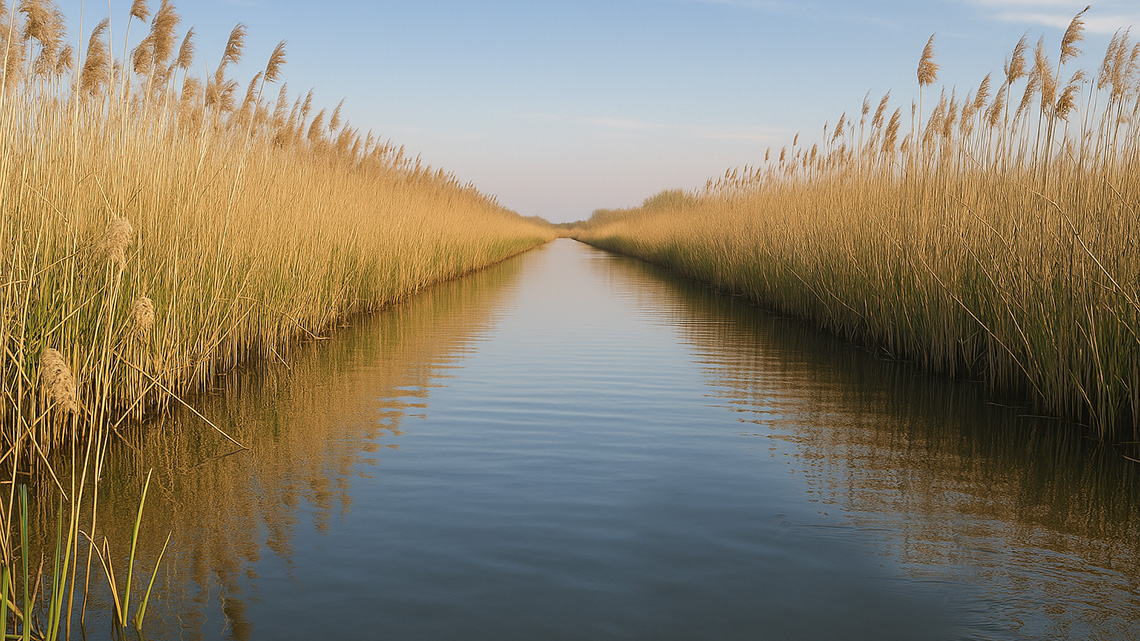
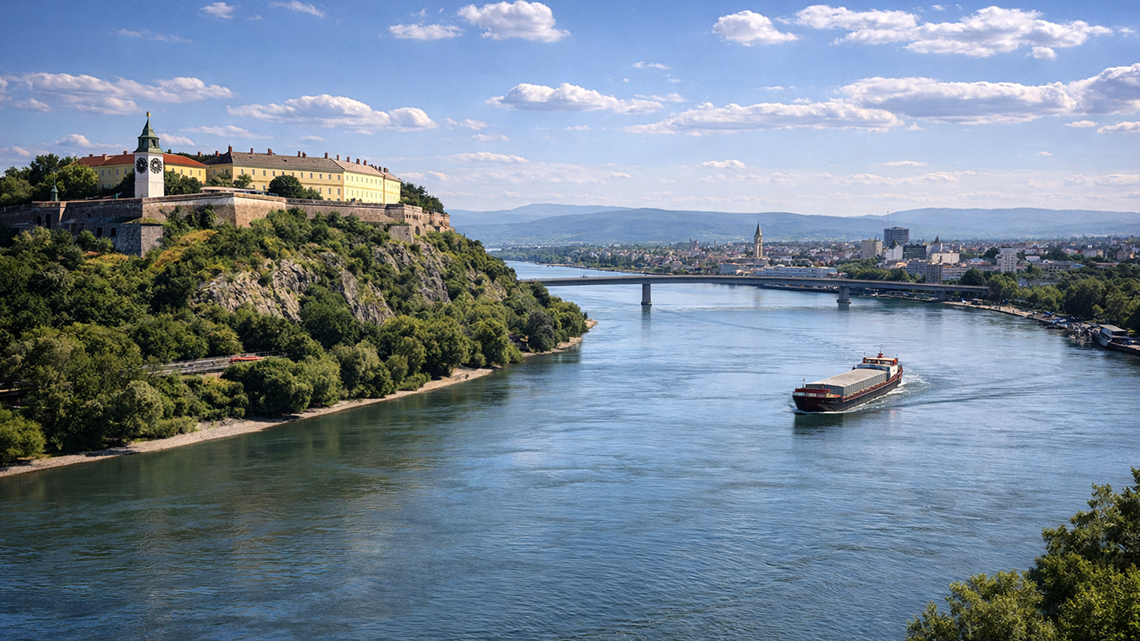
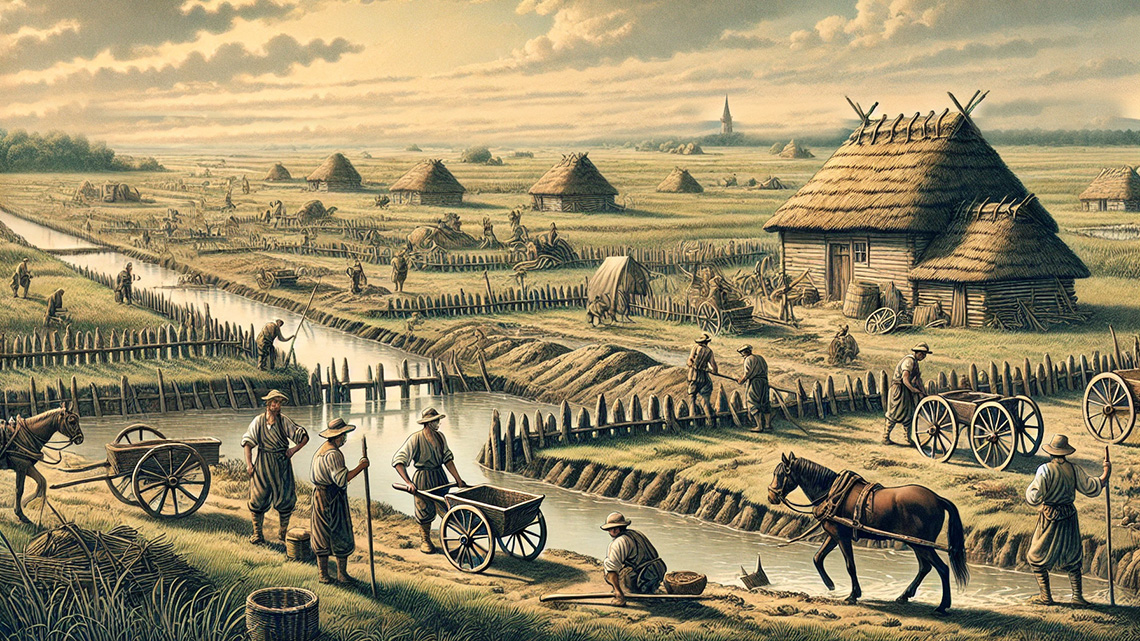
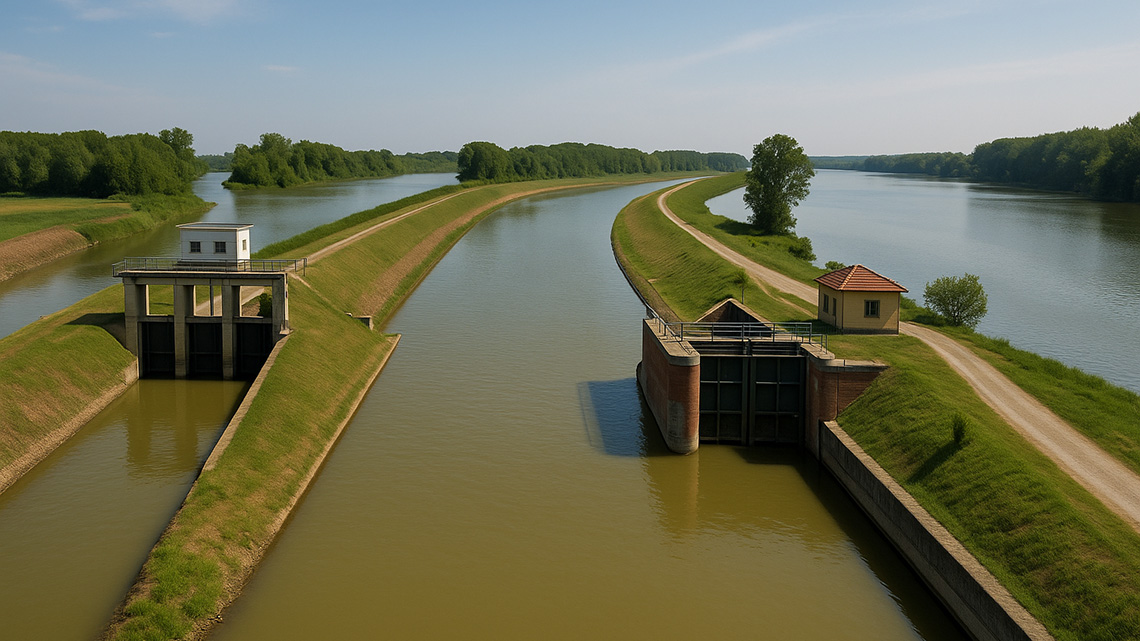
The Tisa is a major international river and the largest tributary of the Danube, flowing through four countries. Its total length is 966 km, with 164 km passing through Serbia. The river originates in the Carpathians at an altitude of 1,800 meters, but after 266 km of its upper course, near the mouth of the Samoš, it descends to just above 200 meters, gradually sloping to its confluence with the Danube.
Immerse yourself in the fascinating world of the past and culture of Novi Bečej through our virtual library, where the pages of books turn into windows through time. Here we discover the wealth of local heritage through complete works that bring stories of brave people, important events and unique traditions.
Share this page on social media
Often, especially at night when I wake up, I find myself walking in my mind through the New Bečej and Vranjevo of the past, as I left them in my youth, and how they became dear to my heart.
The social life in Novi Bečej and Vranjevo, fifty or more years ago, mainly took place in the Sokolana and taverns. Conferences, meetings, and gatherings of political or scientific nature were held there. In short, all entertainment and social activities happened indoors—either in the Sokolana or in taverns. The only exceptions were summer swimming in the Tisa River, football training, and matches in the Gradište grove.
The Decline of the Dictatorship and Political Revival
By 1934, Party activities in Kumane had gradually begun to revive. The system of state dictatorship was entering a period of decline, and the attempt by its supporters to preserve power through the creation of the Yugoslav National Party (JNS) failed to achieve the desired results. Frequent changes of government further demonstrated the deep political crisis of the January 6 Dictatorship. Between April 1932 and December 1934, no fewer than seven governments were replaced, while the situation worsened significantly after the assassination of King Alexander in Marseille in October 1934.
Amid these circumstances, Svetislav Hođera established the pro-fascist Borbaš organization in Kumane. Using populist slogans promising the cancellation of peasant debts, he succeeded in attracting a number of politically inexperienced and uninformed villagers. The communists initially boycotted the organization, but by late 1934, following directives from the Communist Party of Yugoslavia (KPJ) and instructions from Lazar Milankov, they began joining its ranks in order to undermine it from within.
Thanks to their popularity among the local population, the communists quickly gathered around 800 supporters and assumed a leading role within the organization. Before the 1935 elections, they played a decisive role in weakening and ultimately dismantling it throughout the Novi Bečej district. The turning point came at Hođera’s political rally in Novi Bečej, where Žarko Milankov publicly exposed his demagoguery. Following this event, Hođera’s political influence rapidly declined, and his organization ceased to be a significant force in the district.
Youth Activism and the Spread of Communist Influence
In the early 1930s, the youth movement in Kumane developed under the direct influence of the KPJ. There was no separate SKOJ organization; instead, several youth groups operated under Party leadership. These groups were led by Ivan Vioglavin, Mita Trifunjagić-Mića, and Boža Stojanov.
Within a relatively short period, they succeeded in attracting a large number of young people, and their influence became visible in the cultural, social, and political life of the village. A particularly important role was played by the Reading Room, which became the central gathering place for local youth. Political brochures, progressive newspapers, journals, and books were available there, while meetings of youth groups and sports organizations were regularly held.
The “Jugoslavija” Football Club
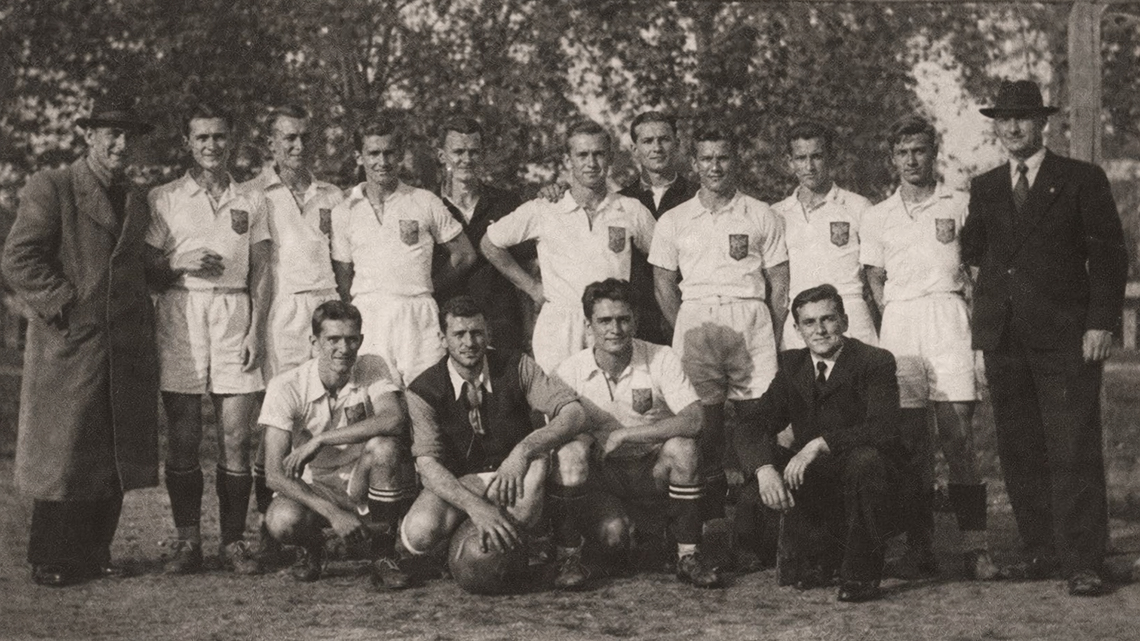
Among the organizations in which young people were especially active was the “Jugoslavija” Sports Club, founded in early 1932. The club brought together a group of young football players who, despite a lack of equipment and financial resources, managed to sustain sporting activities.
The first club administration was elected in 1933, and the club soon received official permission to operate from the district authorities. Following Party directives in 1935 encouraging communist involvement in legal organizations, KPJ members and sympathizers systematically joined the club. At the next regular assembly, they succeeded in taking control of the administration, transforming the club into another important venue for political and social engagement.
The Elections of 1935
The political crisis of the regime led to parliamentary elections being called in February 1935. The United Opposition, composed of several opposition parties, entered the race.
A significant role in its formation was played by Dr. Dragoljub Jovanović, leader of the left wing of the Agrarian Party. Following KPJ directives, communists supported the United Opposition as a means of opposing the January 6 Dictatorship.
At a meeting held in Novi Bečej, representatives of Party organizations from northern Banat decided to support Milan Kovačev of Miloševo as the United Opposition’s candidate. Through intensive political work, communists succeeded in attracting a large number of voters to the opposition bloc.
Mass Political Gatherings
During the election campaign, numerous large rallies were held throughout the Novi Bečej district. At these events, communists publicly advocated worker-peasant unity, opposition to war and fascism, and the establishment of diplomatic relations with the Soviet Union.
Particularly successful was the rally held in Kumane on April 3, 1935, where Milan Kovačev, Mirko Tomić, and Žarko Milankov addressed the crowd. The local KPJ committee also organized large-scale participation of Kumane residents at rallies in Taraš, Bečej, Melenci, and Čurug.
At the gathering in Taraš, several thousand people from Kumane, Melenci, Torda, and Miloševo assembled, demonstrating the strength of the opposition movement in this part of Banat.
Election Day
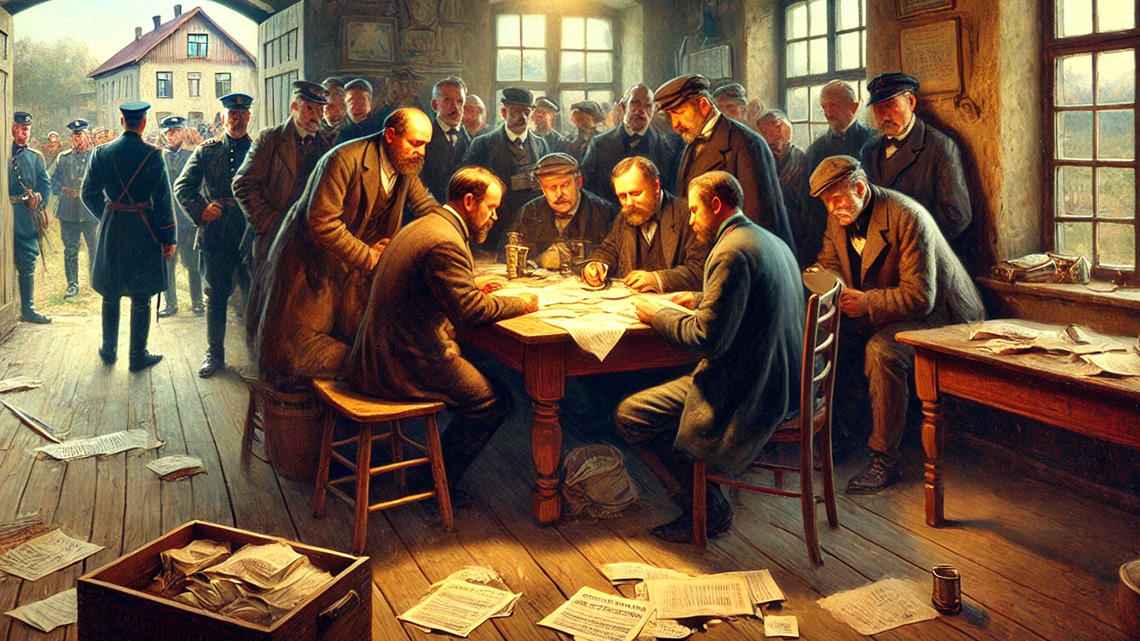
The elections were held on May 5, 1935. The campaign was marked by numerous forms of pressure from the authorities. Representatives of the JNS attempted to buy votes, some voters were removed from electoral lists, and public employees were threatened with dismissal if they failed to support the government candidate.
Police and gendarmerie forces were stationed at polling places, but despite these pressures, communists and their supporters displayed remarkable organization. They voted in groups and openly expressed their support for the opposition, encouraging other voters to do the same.
The results demonstrated a major victory for the United Opposition. Milan Kovačev won a majority of votes in the district, while in Kumane alone he received 1,214 of the 1,416 votes cast, representing 85.6 percent of the total vote. The government candidate received only 201 votes, while Dimitrije Ljotić’s list received a single vote.
Consequences of the Elections
The manner in which the government of Bogoljub Jevtić organized and conducted the elections further damaged its reputation. Only a month later, a new government was formed under Milan Stojadinović and the Yugoslav Radical Union (JRZ).
During the autumn of 1935, the United Opposition organized major political rallies in Kikinda and Zrenjanin. Residents of Kumane attended these gatherings in an organized manner, traveling in dozens and even hundreds of horse-drawn wagons while carrying banners with slogans such as:
- “Long Live the People's Front of Freedom”
- “Long Live the United Opposition”
- “Fight Against War and Fascism”
- “Long Live the Freedom of the People”
- “Amnesty for Political Prisoners”
- “We Demand an Alliance with the Soviet Union”
Speeches were delivered by Dr. Dragoljub Jovanović, Mirko Tomić, Žarko Milankov, and other opposition leaders. Milankov’s speeches, in particular, stood out for their strong criticism of fascism and their calls for political freedom and social change.
The massive rally held in Zrenjanin on November 10, 1935, marked the peak of opposition activity in the region. Thousands of people from the town and surrounding villages gathered at Žitni Square, demonstrating growing dissatisfaction with the existing regime and the strengthening of the opposition movement throughout Banat.
Photo Caption
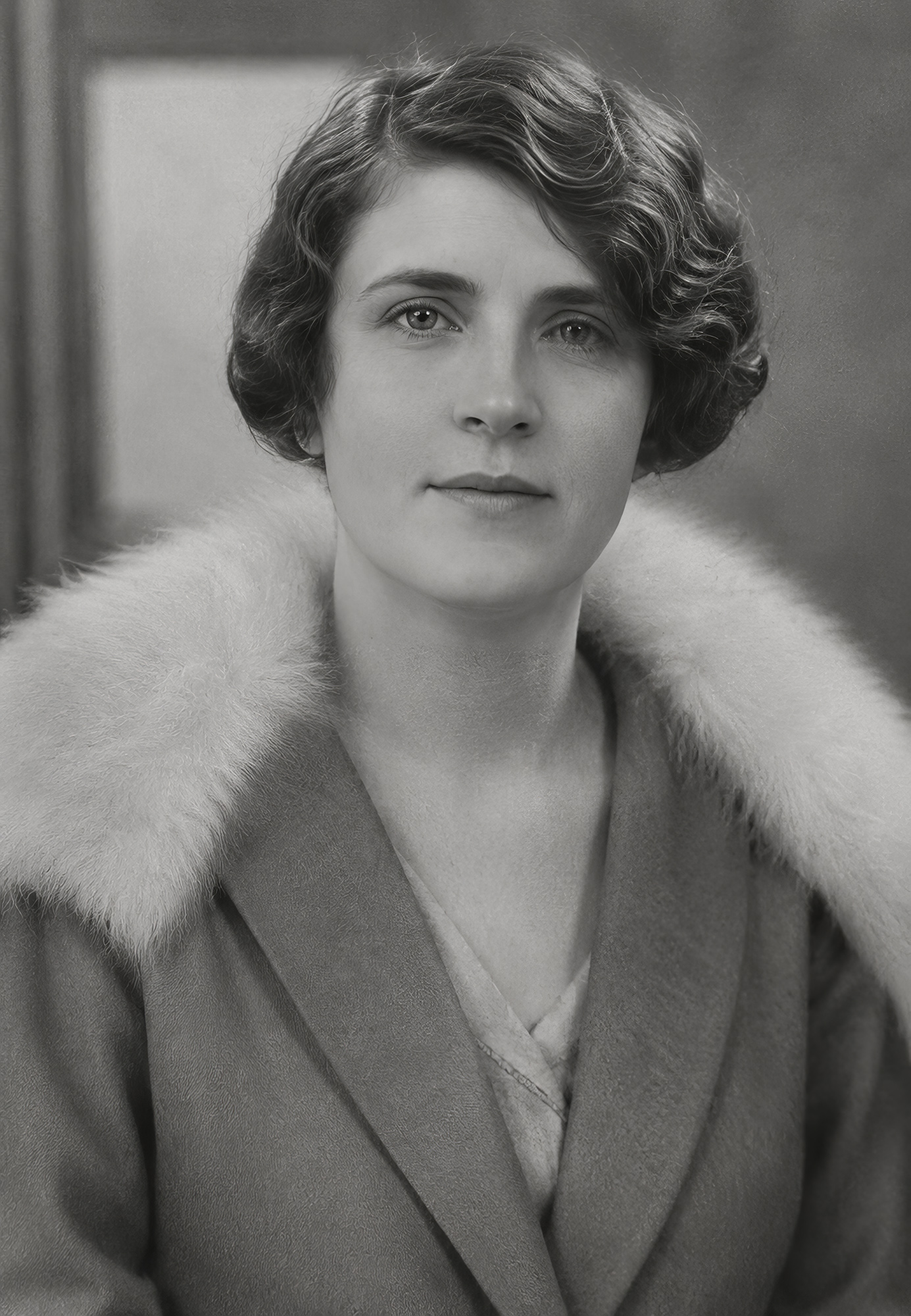
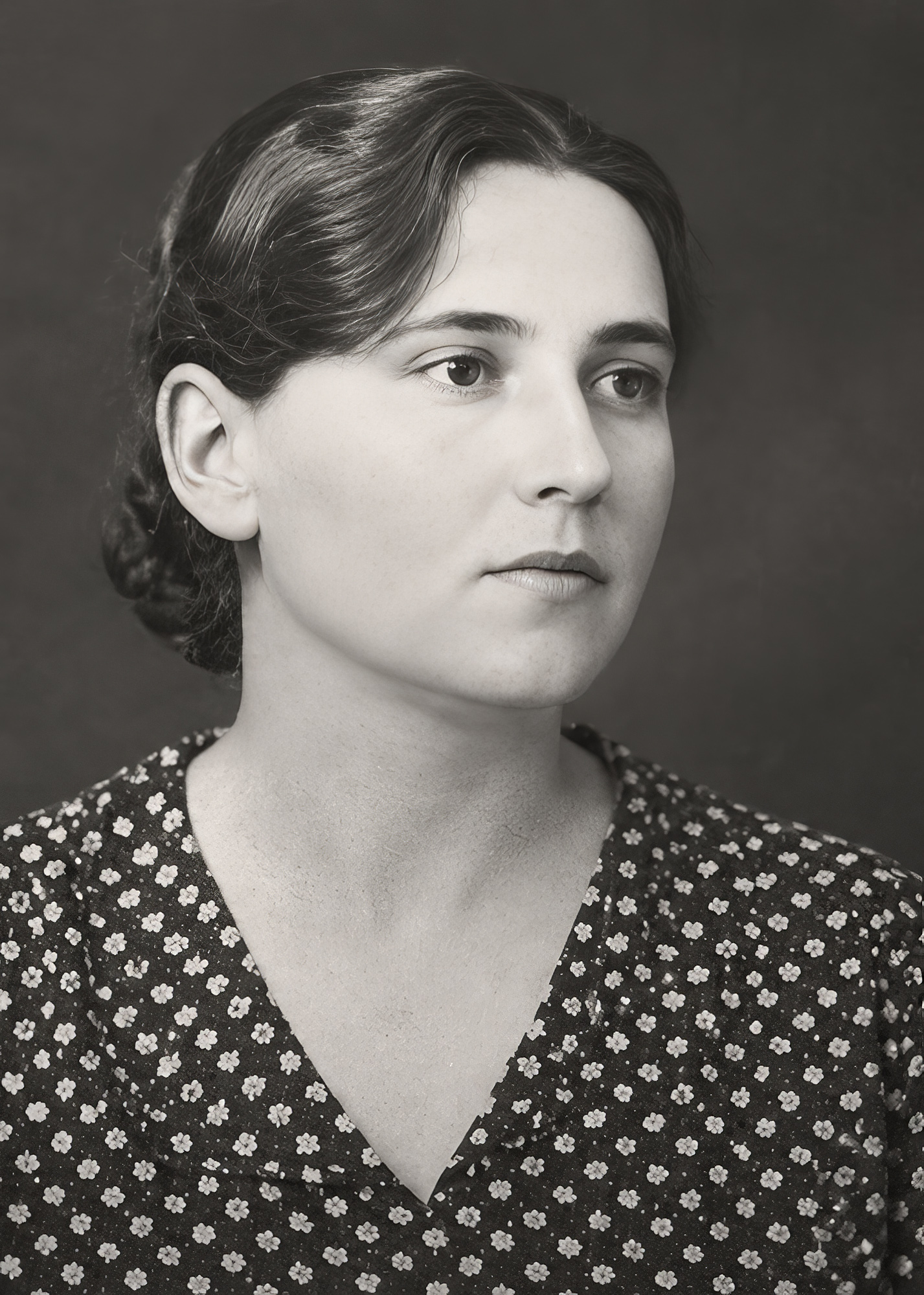
Milica Blažić, a member of the Communist Party of Yugoslavia (KPJ) since 1927. She was brought before the court for spreading communist propaganda and for establishing an illegal KPJ organization in Velike Livade.

I do not consider myself an expert qualified to critically evaluate the literary work of Bogdan Čiplić. However, out of respect for him and from the memories of our friendship during the last ten years of his life, I will attempt to present—in the broadest terms—what I observed of his literary output.
June 3 and October 4, 1999
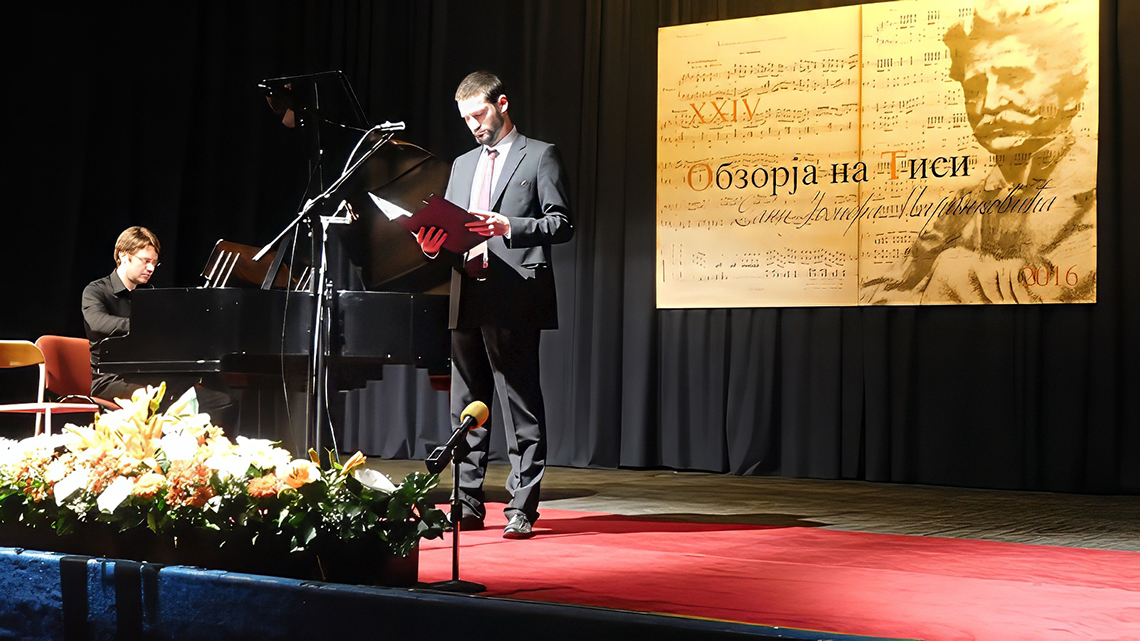
After two open solo-vocal competitions (1995 and 1997) and two invitational composition contests (1996 and 1998), the organizers of “Horizons on the Tisa” planned the seventh edition of the event with great ambition.
May 29–30, 1997
In the last days of May 1997, the small town on the left bank of the Tisa River once again came alive with the spirit of the Days of Josif Marinković.
Until 1978, there was only one water management organization operating in this region — the Water Management Organization "Gornji Banat," headquartered in Kikinda. After 1978, a new organization was established: the Water Management Organization "Basic Canal Network" (OKM), based in Novi Sad.
In early 1992, following the adoption of the Serbian Water Law, three public water management companies were established across the territory of Republic of Serbia, covering the entire country. These companies are:
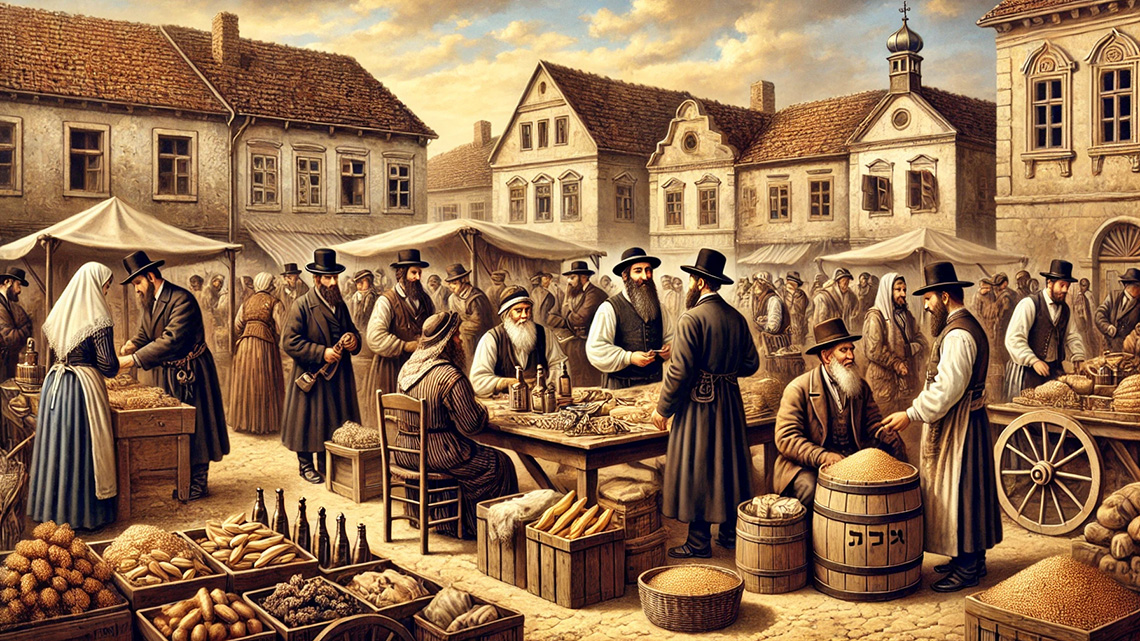
Novi Bečej, along with Vranjevo, was a prominent trading center during the era of the Great Kikinda District, particularly known for its grain export trade in the late 18th and early 19th centuries.
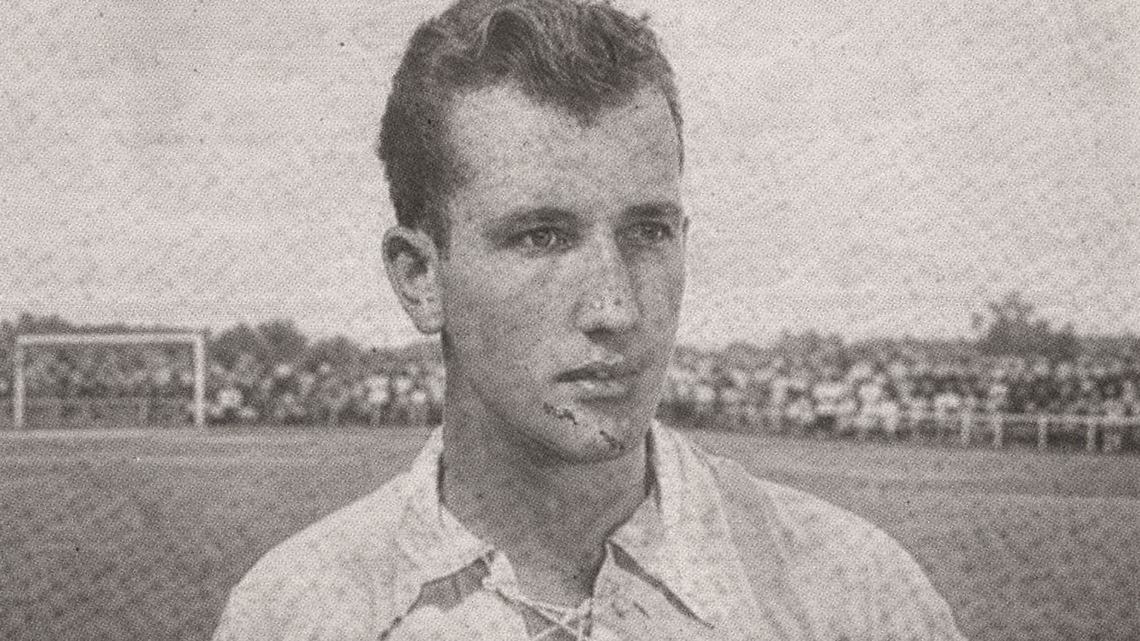
Šandor Kiš was one of the rare true football stalwarts of his generation. A hardworking and exceptionally combative half-back, he left a strong mark with Turul, and after the Second World War he also played for Zvezda.
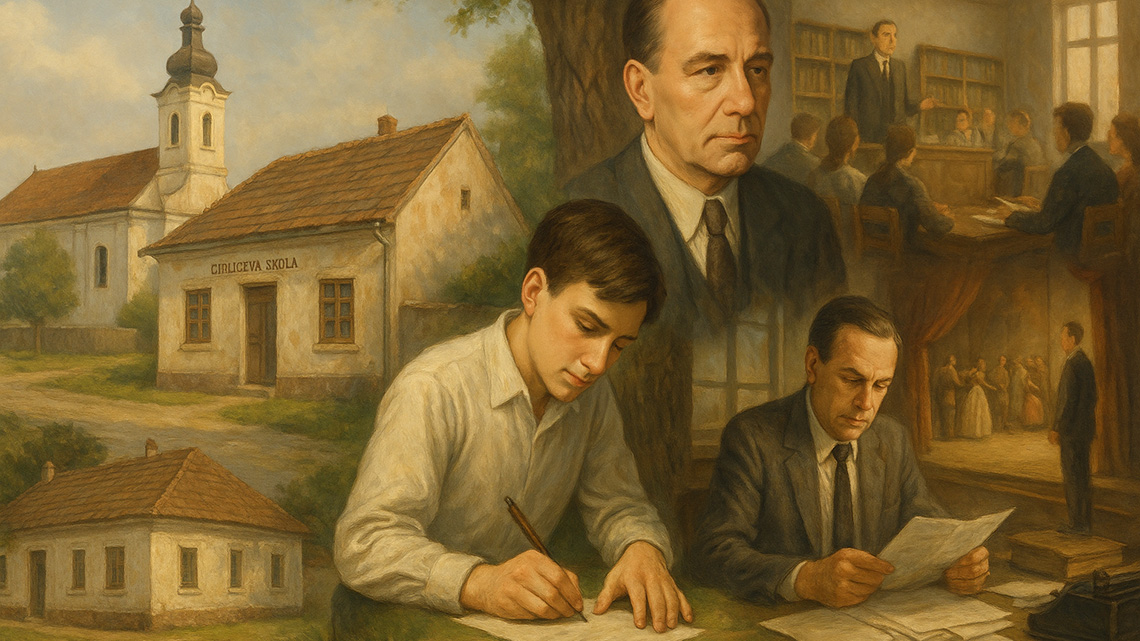
Miloje Čiplić was born on February 25, 1912, in Novi Bečej.
His parents, both teachers in Novi Bečej, provided conditions for their three sons—Miloje being the youngest—to prepare themselves, undisturbed in a quiet and orderly family haven, to ascend higher on the hierarchical ladder of bourgeois society than they themselves had.
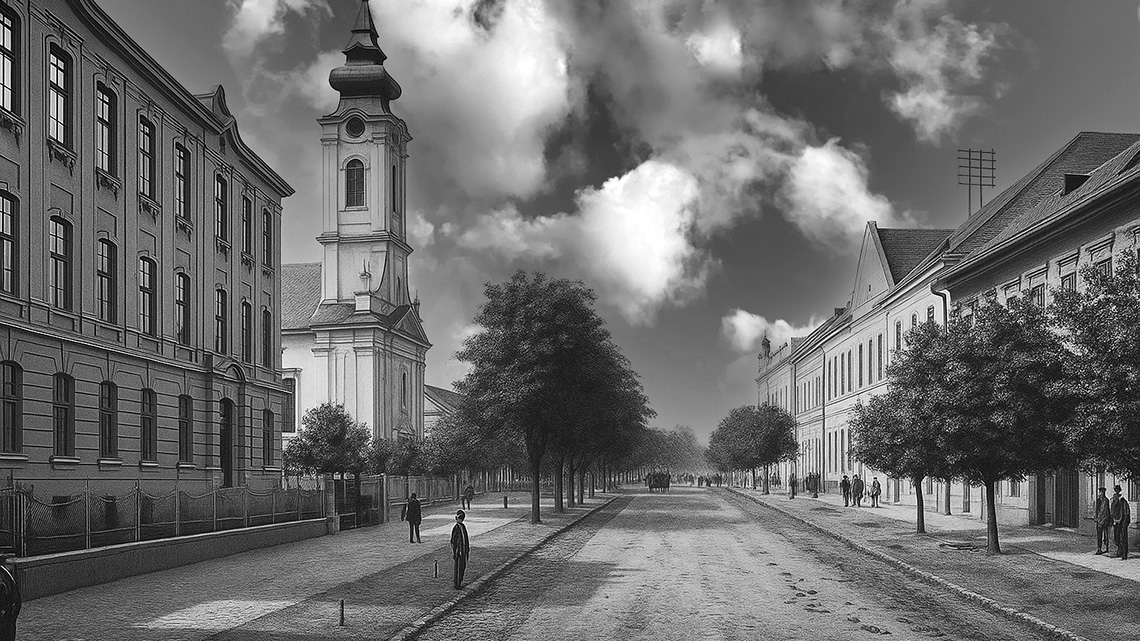
This image shows the appearance of Novi Bečej in the late 1910s, with a focus on its Main Street — at the time, the central axis of everyday life, trade, education, and religion. On the left side, we see the prominent building of the state school, one of the cornerstones of the town’s modernization. This institution served not only as a place of learning but also as a space for shaping the collective identity of a diverse population.
According to Radnički list, Ljubomir Čolić, president of the Local Party Organization in Kumane, was elected as a delegate to the Second Congress of the Party, held from June 20 to 25, 1920, in Vukovar. In June, a local party conference was held at which seven delegates were elected for the Second Party and Trade Union Congress.
A) Period from 1845 to 1945
In the area of today's municipality of Novi Bečej, several water cooperatives existed, starting from 1845, which were either dissolved or reorganized into different forms by 1945:
- Upper Banat Potiska Water Cooperative (1845-1945),
- Bočar-Iđoš Water Cooperative (1886-1945),
- Galad Water Cooperative (1891-1945),
- Novi Bečej Water Cooperative (1858-1945).
The idea of the Novi Bečej swimmers was accepted, but due to issues with obtaining a permit, the swimming event wasn’t held as originally planned—on August 1st and 2nd—but instead on August 28th and 29th, 1943.
From the manuscript The Great Swimming Day by Branislav Kiselički, we highlight the part describing the welcome of the Belgrade athletes:
In geographical terms, Banat is a region in the southern part of the vast Pannonian Plain, bordered by the rivers Mureș, Tisza, Danube, and the Transylvanian Alps. A large portion of Banat lies in Romania, a small part in Hungary, while the Yugoslavian section is located along the lower courses of the mentioned rivers.
In the 1890s, Socialists were already participating in local elections. In some places, they took power. In Kuman, they achieved their greatest success in the municipal administration elections of 1898, when members of the Social Democratic Party were elected to the Municipal Board: Toša Stančić, the municipal prince, Boža Radišić-Bratko, the secretary, Živa Sekulić, and Laza Tubić, councilors.
He was, heart and soul, bound to Vojvodina. However, those who ingratiated themselves with politicians, receiving authority and promotion to influence the cultural development of the province, saw his dedication as intrusive.
In the final years before the outbreak of the Second World War, a need emerged in Novi Bečej for the establishment of a new football club that would bring together working-class and artisan youth. At that time, Football Club Zvezda already had a stable squad and was, to some extent, closed to the admission of new players from these social groups. As a result, in 1940, a group of young men—mostly of Hungarian origin—founded Sports Club Napredak.
Irrigation
Irrigation is one of the most important functions of the primary canal network, as it enables the distribution of water from the Tisa River into the central parts of Banat. According to project plans, the primary canal network should supply water for the irrigation of approximately 300,000 hectares in Banat. The intake of Tisa water in this region is carried out by gravity.
Dragiša Bunjevački, a painter from Novi Bečej and the founder of the group “Selo,” was born in 1925 in Pančevo.
He was an artist who lived to paint, but never lived from painting nor painted merely to survive.
The Kikinda Canal stretches from its confluence with the Main Canal to its junction with the Zlatica River near Sajan, with a total length of 50.34 km. Its primary function is to collect the Zlatica’s internal waters during periods when the sluice gate at Padej is closed, as well as its own internal waters along the route, and discharge them into the Main Canal.
A decade of the festival “Horizons on the Tisa” has placed Novi Bečej among the rare towns that can proudly claim an event of high cultural importance—one that has steadily won the attention of musicians, composers, musicologists, and audiences alike.
In 1995, Novi Bečej thrived despite economic challenges. The town, closely tied to the Tisa River, saw growth in education, culture, tourism, and community initiatives.
During 1927 and 1928, the Local Party Committee in Kumane developed extensive political activity not only within the village itself but also by assisting Party organizations in neighboring communities, including Zrenjanin, Velike Livade, Novi Bečej, and Melenci. During election campaigns, it helped organize political gatherings and distribute propaganda materials.
- First Big Outing of the Novi Bečej Youth (1937)
- Demographic Trends in the Jewish Community of Novi Bečej and Vranjevo
- Water Management Organizations in Vojvodina (1945-1963): Development and Challenges
- The Tragic Fate of the Jewish Community in Novi Bečej: From Prosperity to Genocide
- From Zvezda to Jedinstvo – The Early History of Bowling in Novi Bečej (1948–1953)