



After World War I, the parents of Gligorije and Jovanka Popov left Dragutinovo and moved to Rusko Selo in search of a piece of land as part of a “colonization” effort. That small plot of fertile soil, coupled with debt to the Agrarian Bank for building a house and other hardships, made life difficult and impoverished.
Through great effort and self-sacrifice, they managed to provide some education for their children.
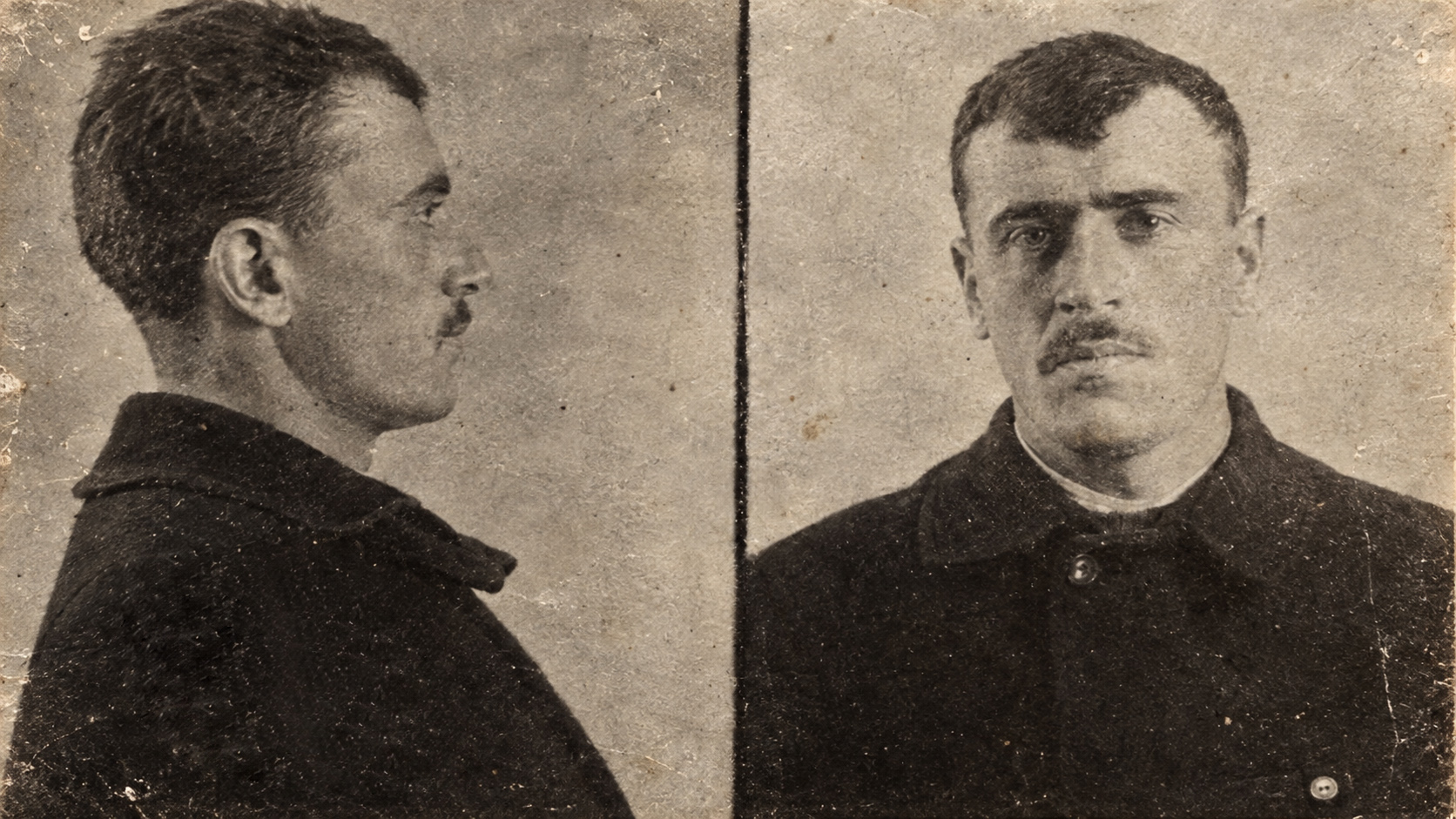
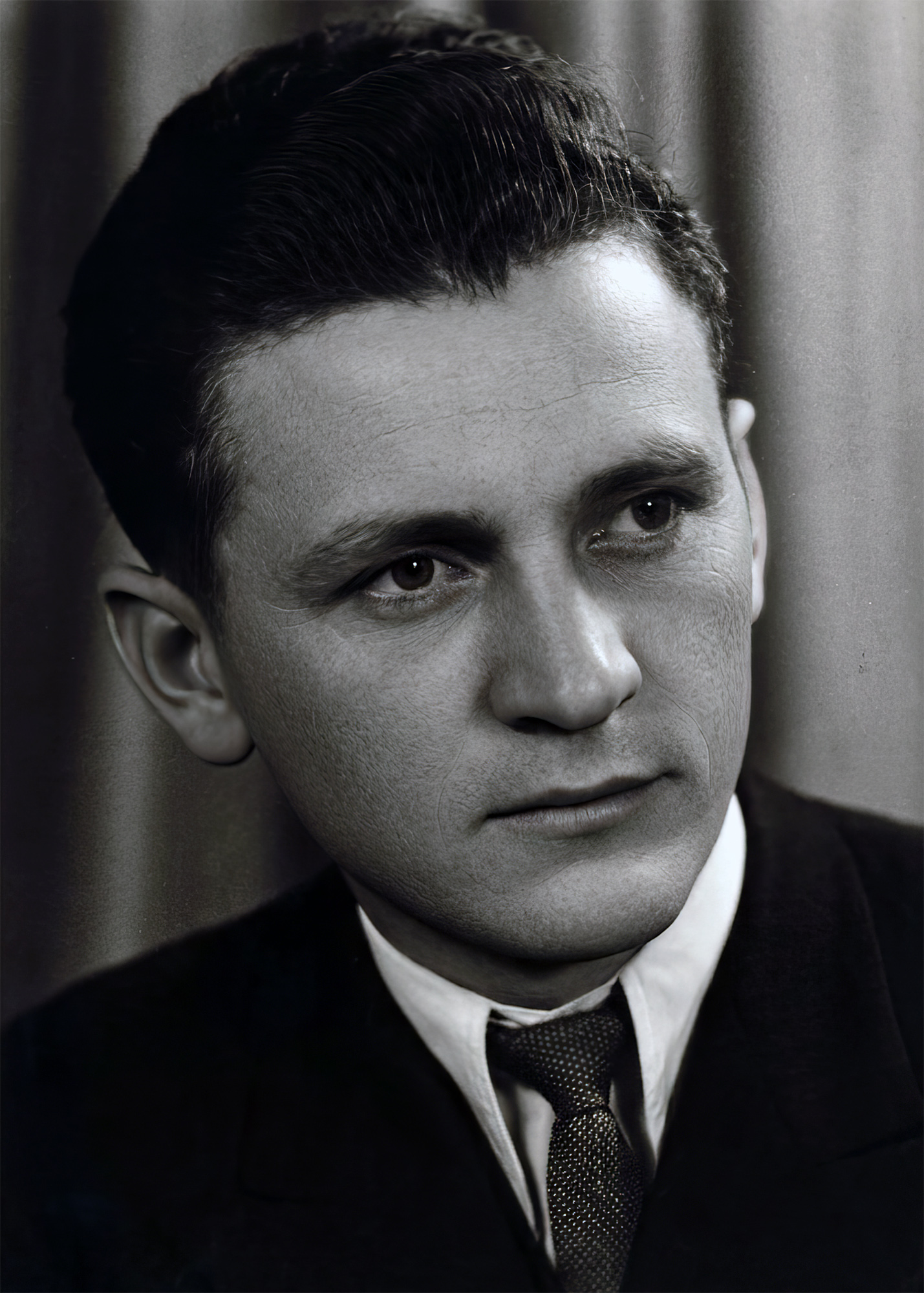
By 1941, before the outbreak of war, Gligorije managed to enroll at the Faculty of Engineering, thanks to his persistence and self-discipline. While in Belgrade, he became involved with the progressive youth movement and joined it wholeheartedly. After April 6, he returned to his village and became even more engaged in youth activities, initially within SKOJ (League of Communist Youth of Yugoslavia) and soon among the members of the Communist Party.
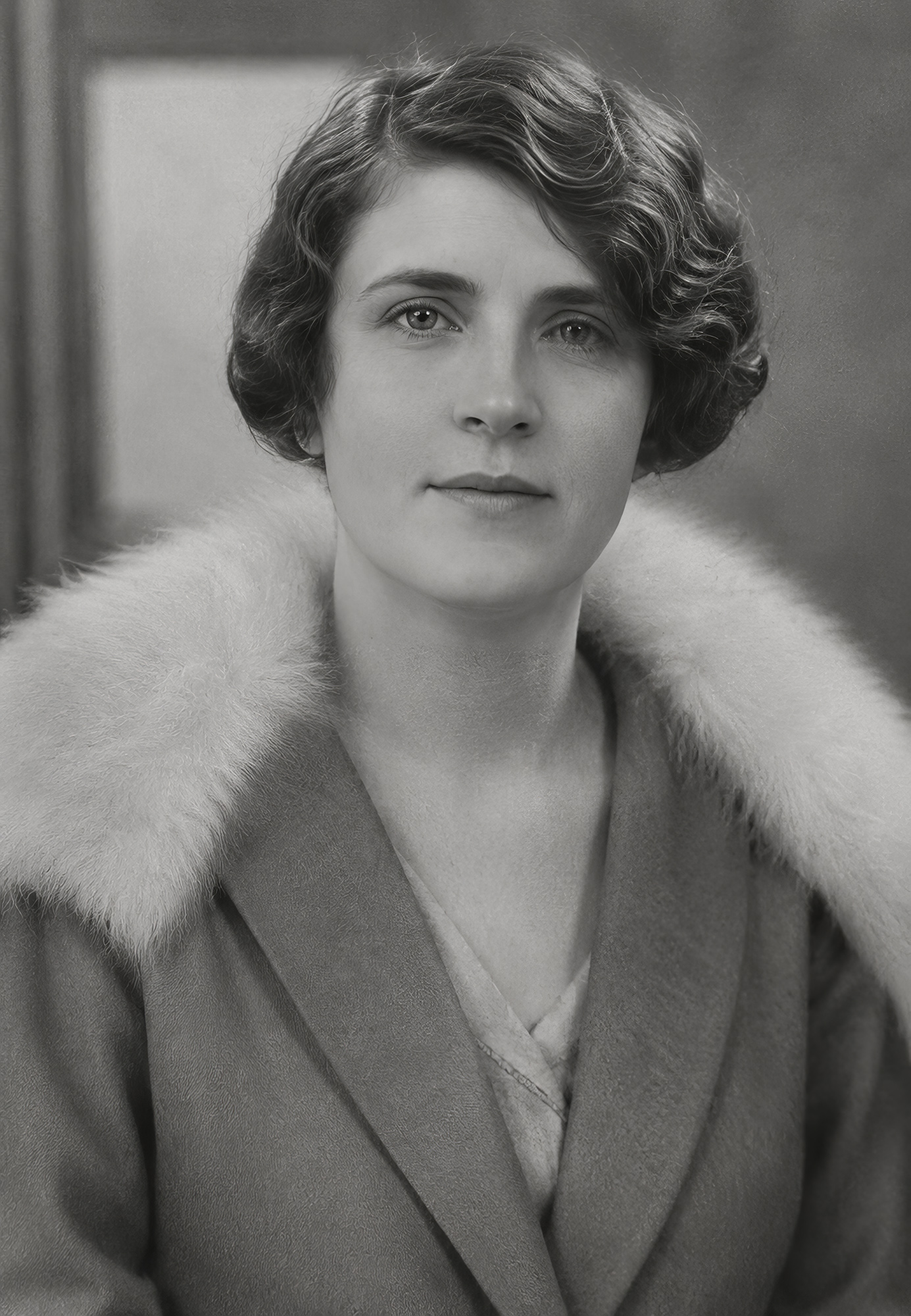
During the war, Gligorije found his sister Jovanka to be his closest comrade and confidant. They shared everything, advised and supported each other, as both were fully committed to the National Liberation Struggle. This continued until the spring of 1944, when they both had to go underground as Špiler’s agents had uncovered their trail.
Due to a village blockade and a broad police crackdown on the resistance in Rusko Selo, Gligorije, Jovanka, and their close friend Dušan Opsenica could not establish contact with the movement’s activists for several days. They decided to seek refuge in Dragutinovo, their parents’ birthplace, where they had more acquaintances, friends, and comrades, including Dejan and Milivoj Popov. Gligorije had strengthened ties with these two back in the spring of 1943.
One evening in March, they set off for Dragutinovo, trudging through muddy fields and wet paths, reaching their destination at dawn the next day. However, their journey of several dozen kilometers was in vain. They could not find Dejan at home, and their other acquaintances could not provide the assistance they sought. They decided to wait out the day. Exhausted, freezing, and hungry, they took shelter in an empty hut in Živančev’s vineyard near the village. As night fell, they decided to return to Rusko Selo and try to reconnect with the movement there.
The fate of these patriots was later described by M. Grahovac in 1958 in the Kikinda newspaper Severni Banat, under the title “It Happened 15 Years Ago.”
“...In vain did the infamous fascist agent Špiler carry out numerous arrests and interrogations of innocent and peaceful residents of this small village (Rusko Selo, ed. note by M.P.) in an attempt to uncover the partisans’ hideouts, which were becoming increasingly numerous in the area.”
And further:
“...Špiler then ordered all villagers to inspect their fields and report any discovered bunkers (underground hideouts – ed. note by P.P.).”
Some villagers complied with this order, while braver ones did not.
One of the first to find a bunker on his field discovered a group of partisans inside. Among them were Dušan Opsenica, Gligorije, and Jovanka Popov.
“The man whose field the bunker was on happened to be the godfather of Gligorije and Jovanka...” Finding himself in a moral dilemma, he was terrified. The partisans tried to reassure him, pleading with him not to betray them. Gligorije and Jovanka begged him particularly earnestly not to inform the enemy.
Although beside himself with fear, the man promised not to report them and hurried home. However, in his panic, he was unsure what to do. “If I betray them,” he thought as he walked, “I’ll commit a shameful act, but I’ll be safe from the occupiers; if I don’t, Špiler might exact bloody revenge on me when he finds out...”
He chose the former – a shameful but safe decision. Upon reaching the local authorities, he informed Špiler about the bunker and the partisans.
After midnight, a large group of heavily armed agents set out toward the partisans’ hideout. They were close to the bunker when the partisans spotted them. Shocked, they could not believe that their fellow villager and godfather had betrayed them. They had trusted his word, but now this.
There was no time for hesitation. Resistance was futile as they were out of ammunition. The partisans decided to slip away under cover of darkness. Not all of them, however, followed this plan. Jovanka hesitated, suggesting they stay in the bunker, believing the police might simply be passing by.
Gligorije and Dušan could have escaped the enemy, but what could they do with Jovanka, who, on top of all other hardships, was also ill? Her brother refused to abandon her, and to Dušan, she was not only a comrade but also his fiancée.
The agents were already closing in.
“To fall into the enemy’s hands alive, shamefully? Never!”
In a desperate moment, they chose suicide. They unscrewed and activated their sole grenade, pressing their heads against it in a comradely, sibling, and betrothed embrace.
When the fascists stormed the bunker, the partisans were already dead.
The news of the heroic deaths of Gligorije, Jovanka, and Dušan spread quickly from village to village. In Dragutinovo, it was met with sorrow by the many friends and comrades of these two young communists, whose old homeland, by a cruel twist of fate, could not provide them shelter and connection on their path of selfless struggle for their people’s freedom.
Comments