



The proclamation of the Central Committee of the Communist Party of Yugoslavia calling for a municipal uprising against the occupiers and local traitors received strong and unanimous support from local communists and a significant part of the population. This call from the Party to fight was accepted as necessary and the only way out of the given situation—out of slavery.
On the eve of June 22, an unknown courier brought a message from the Kikinda party organization, specifically from Proka Sredojev, a well-known party activist, to Miloš Popov – Klima. In the letter, comrades from Kikinda warned the communists of Dragutinovo and Beodra about unrest, suspicious movements, and preparations of the fascist army in the Kikinda garrison. The letter urged greater vigilance among communists and patriots.
The very next day, June 22, in the morning, the first news from foreign radio stations informed the world public about the sudden and brutal attack of the German fascist forces on the Soviet Union. As the leader of the party organization, Miloš Klima urgently convened the communists that morning to inform them of the new situation and to discuss plans.
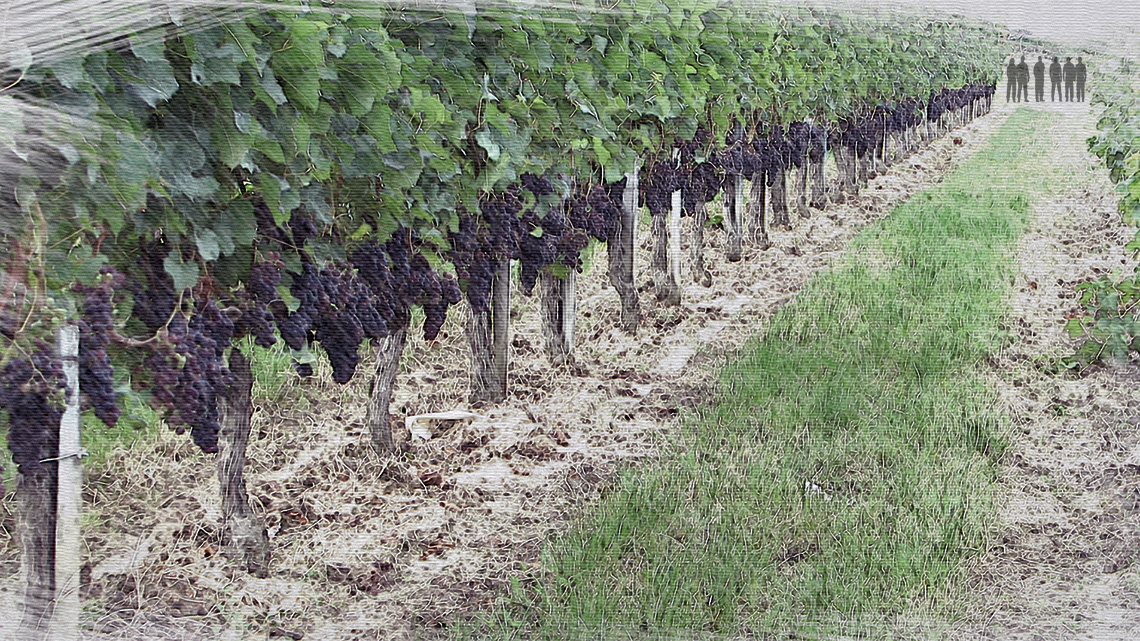
Milan Čolak, one of the surviving participants at this significant gathering, shares his memory of this event: “It was Sunday. Early in the morning, most of the communists from Dragutinovo and Beodra had gathered in Akača near Ćopko’s vineyard. This area of fields under vineyards and orchards was particularly suitable for such gatherings. We arrived at the village individually, as we had to be very cautious due to the increased number and enhanced composition of the occupier's police patrols. Arriving at the designated meeting place, we lay down next to the vineyard behind a dense row of acacias. While waiting for the others, we engaged in conversation about the ongoing events, not easily grasping their reality.
Around nine or ten o’clock, Klima presented the events as he had heard them that morning from the radio receiver, and he spent some time discussing the situation in our country after the entry of the occupiers, as well as the stance and decisions of our Party regarding such a situation. Klima's presentation lasted over an hour, after which we proceeded to a discussion.
I remember that most of us, in support of the assessment of the situation in the East, emphasized the strength and invincibility of the Soviet army and people. We spoke of how the Germans had gravely miscalculated, underestimating the situation during the attack on the Soviet Union, as the "Russians" would flatten them to the ground by autumn. Such assumptions, as we later realized, were quite arbitrary and represented the result of our deep and unwavering belief in the extraordinary strength and readiness of the Red Army in military and moral terms at that time.
This self-assurance in assessing the situation would come back to haunt us in the following months and even years: First, as communists, we were convinced that the war between Germany and the Soviet Union would end by autumn of the same year, so we did not timely carry out either moral-political or military preparations; second, we openly and at every opportunity told the local patriots that the war would undoubtedly end by winter because the Soviets were not only invincible but also militarily capable of quickly liquidating the German armed forces. This interpretation of the situation had a political-propaganda character and was very convincing to the locals, thus representing the primary and greatest tactical-political mistake of us communists in the first place.”
After the discussion, Miloš Klima unfolded a piece of paper and read to the attendees the text sent by comrades from Kikinda. Both the concrete situation in the East and the proclamation of the CK KPJ, along with the warning for increased vigilance against the enemy expressed in the letter, had a disturbing effect on the communists, prompting many to loudly ask, “What should we do, when and how?”
After several hours of discussion aimed at reaching an agreement, Klima proposed that further actions be taken as follows: — Comrades who were significantly compromised as communists — national fighters, should temporarily hide in the fields, at the farmsteads, and wait for further developments. If the occupier sought them in the meantime for any reason, they should immediately go into complete illegality while urgently preparing for armed action, using hidden weapons and equipment.
In this category, the enemy was well aware of the national fighters — communists who were named on this occasion: Miloš Popov Klima, Slavko Radnović-Bracika, Veselin Popov-Selika, Lazar Pajić, Vojica Isakov, Ilija Arsenov, Živa Radojčin, Milorad Farkaš, Milan Čolak, and Sredoje Ćopkov.
Most of these communists acted according to the decision and during July conducted military preparations to fight against the enemy, thus laying the foundations for the future Dragutinovo partisan unit. — The second part of the conclusions from this consultation related to the specific tasks of communists who were not expected to go into illegality immediately. They were instructed to closely monitor all enemy activities; to organize reporting to the party leadership about it; to explain the new situation to the locals, emphasizing the irreconcilable and united struggle against the enemy; and finally, if there was a threat of arrest, to withdraw into illegality without much hesitation or doubt, or to join the armed group.
With this historically significant agreement and conclusions, the most prominent fighters from Dragutinovo and Beodra, with Miloš Popov at the forefront, demonstrated at a crucial moment: political maturity in assessing the situation; the courage to actively position themselves at the forefront of events; and ultimately, a resolute determination to, with the help of the local populace — prepare for and commence armed struggle against the occupiers and traitors.
Subsequent events undeniably confirmed the correctness and relevance of the adopted conclusions at the Akača meeting of Dragutinovo-Beodra communists. On the very same day, the occupier began a wild hunt against them and everything that resonated with the rebellious spirit of the oppressed peoples.
Comments