



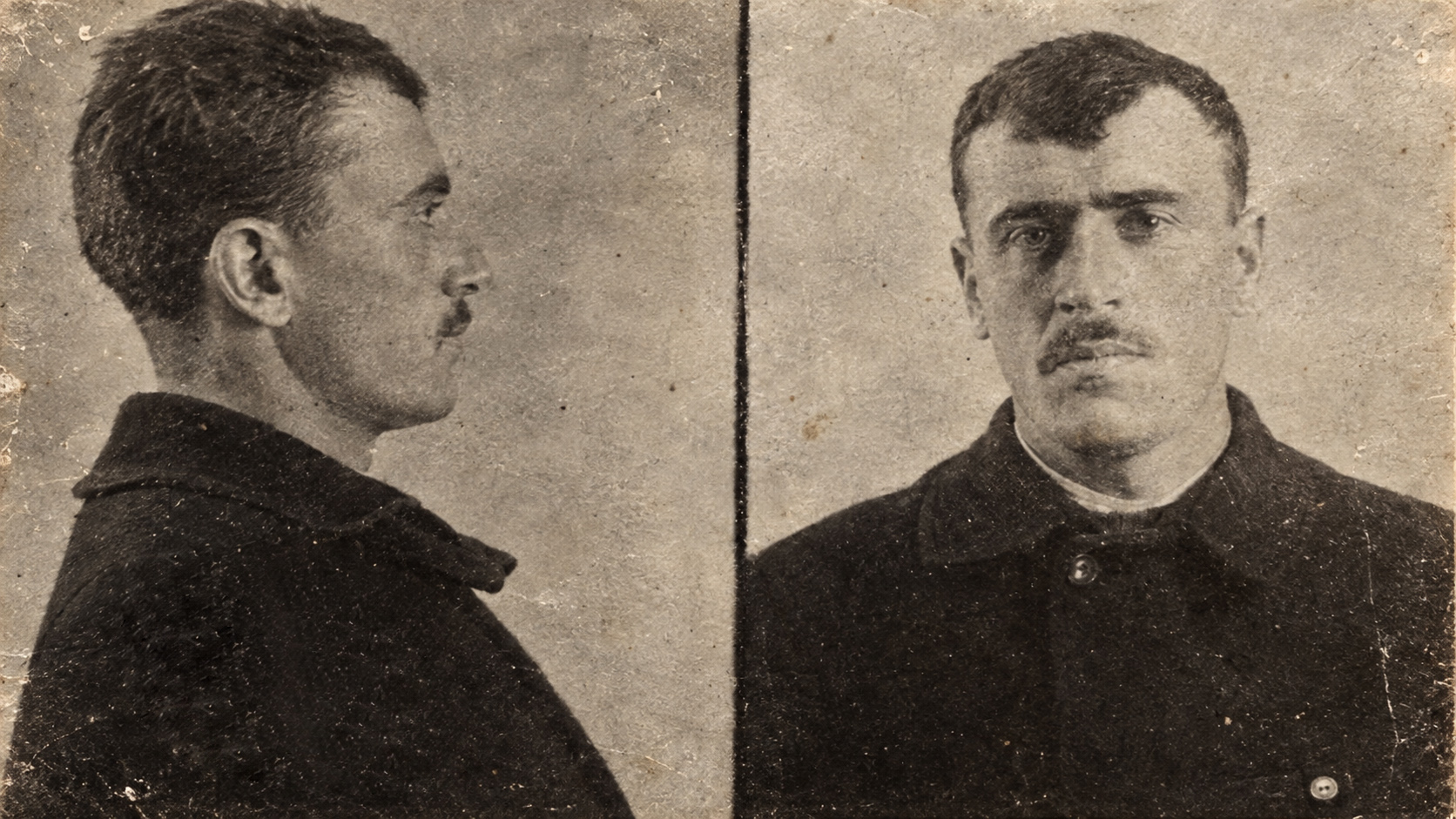
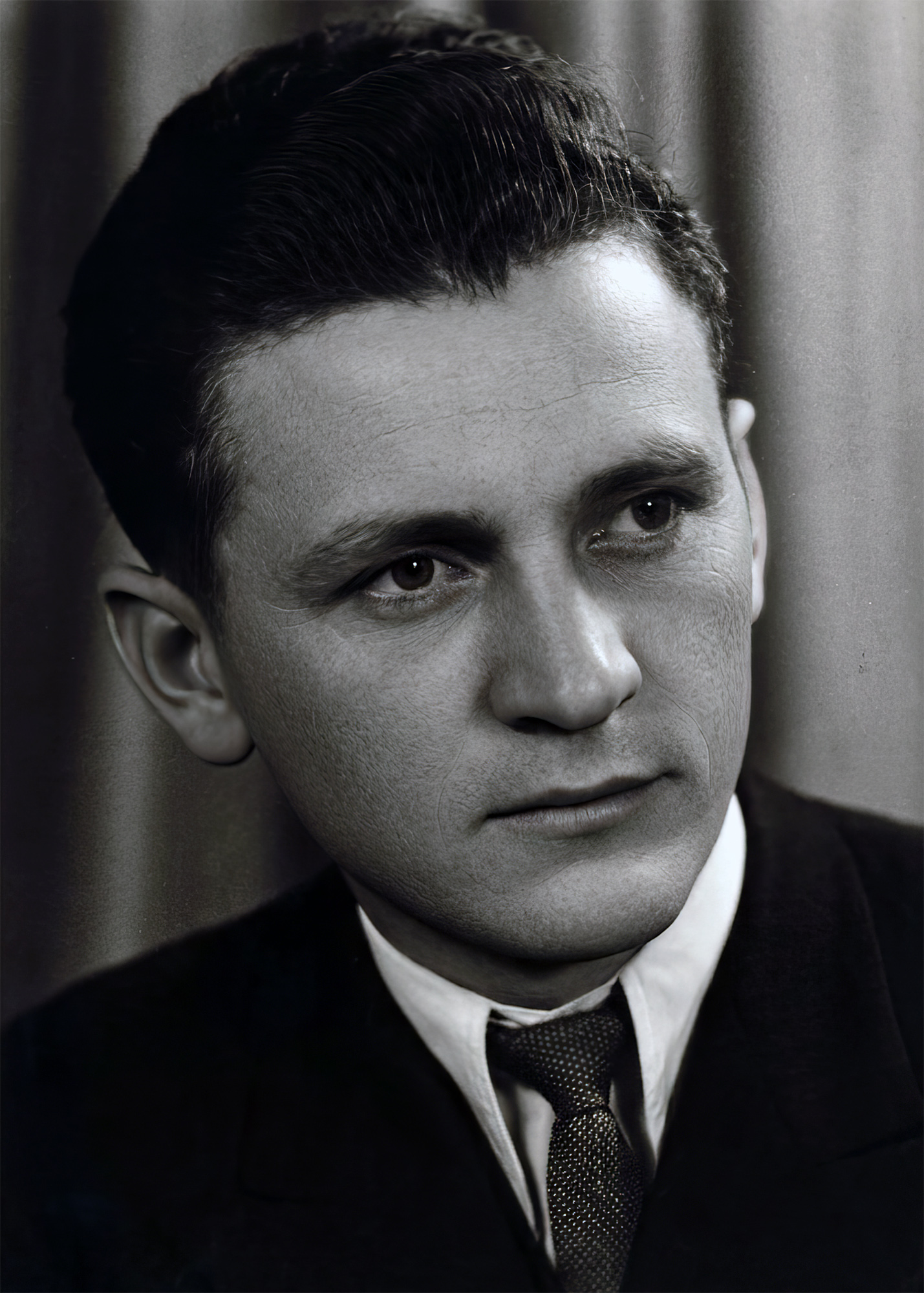
Lazar Pajić, a prominent freedom fighter from Novi Miloševo and commander of the Dragutinovo Partisan Unit, is closely tied to the illegal and later combat activities not only in Miloševo but throughout the entire North Banat region.
Lazar Pajić was born in 1903 in Novi Miloševo (then known as Dragutinovo). He completed elementary school in his hometown, after which he worked as a farmer on his family’s estate.
We have very few details from the period when Lazar began his underground activities. It is believed that he joined the progressive movement as early as the 1930s. During the 1936 elections, when the leftist opposition won, Lazar Pajić was already actively involved in the underground movement. At the end of 1937, he was admitted into the Communist Party of Yugoslavia. At a rally in Kikinda, where Communist Žarko Milankov was elected as a deputy and where the first open clash between the gendarmerie and the party occurred, Lazar already held responsibilities. During that time, he was pursued by the regime, and his house was frequently searched, but he always managed to avoid capture. He actively participated in the collection of "Red Aid" for prisoners and their families.
Shortly before the outbreak of World War II, Lazar Pajić was mobilized. After the final collapse of the Kingdom of Yugoslavia, he returned home. With the arrival of the Germans in his hometown, raids became more frequent, and he was forced to go underground. He moved to his farmhouse, which soon became a center of resistance in the area. Immediately following Germany's declaration of war on the Soviet Union, the local party cell, led by Miloš Popov-Klima, decided to move its members into the underground. His farmhouse near Dragutinovo became an important base where communists began to gather. In addition to intense underground activity, comrades Milan Stančić, Kosta Sredojev-Šljuka, Proka Sredojev, and others were stationed there. At one point, an underground meeting attended by Žarko Zrenjanin was held at the farmhouse. However, it is still unknown what decisions were made during this meeting, as all participants were killed in action. It is only known that, from then on, the collection of weapons began.
The intense activity at the farmhouse could not go unnoticed by the occupiers and their informants. On July 22, 1941, the farmhouse was suddenly surrounded by three wagons of armed soldiers. The enemy was undoubtedly well-informed about the partisan base and, with this surprise attack, hoped to capture many underground fighters, but they were mistaken. Lazar and his comrades managed to escape in time. After this, all members of Lazar's family were arrested.
On August 2, 1941, Lazar Pajić fired his first shot at an occupying patrol. The people of Novi Miloševo celebrate this day as their Socialist Day or the Day of Armed Uprising in the village.
In September of the same year, when the corn was ready for harvest, the District Committee of the Communist Party of Yugoslavia decided to form a partisan unit from the partisan groups in Dragutinovo, Kikinda, and Kuman. Lazar Pajić, already an experienced underground fighter and devoted revolutionary, was appointed as the commander. This newly formed unit encountered strong enemy forces near Zrenjanin and was scattered. After this defeat, the fighters returned to the base, preparing for another attempt to cross into Srem, reaching into November. However, this period saw the largest crackdowns in Miloševo. For his safety, Lazar decided to break out of the blocked village. He went to his cousin's house on the edge of the village. Making his way to freedom, Lazar returned to retrieve his weapons but was captured by the enemy in the process.
In Novi Miloševo, among the captured communists, Lazar Pajić was the central figure, a long-sought prize for the occupiers. He was brutally tortured both in the village and later in Petrovgrad, but he did not reveal any information to his captors.
Lazar Pajić died bravely, just as he had lived. On January 2, 1942, in Kikinda, he was shot and hanged along with eight other communists.
Comments