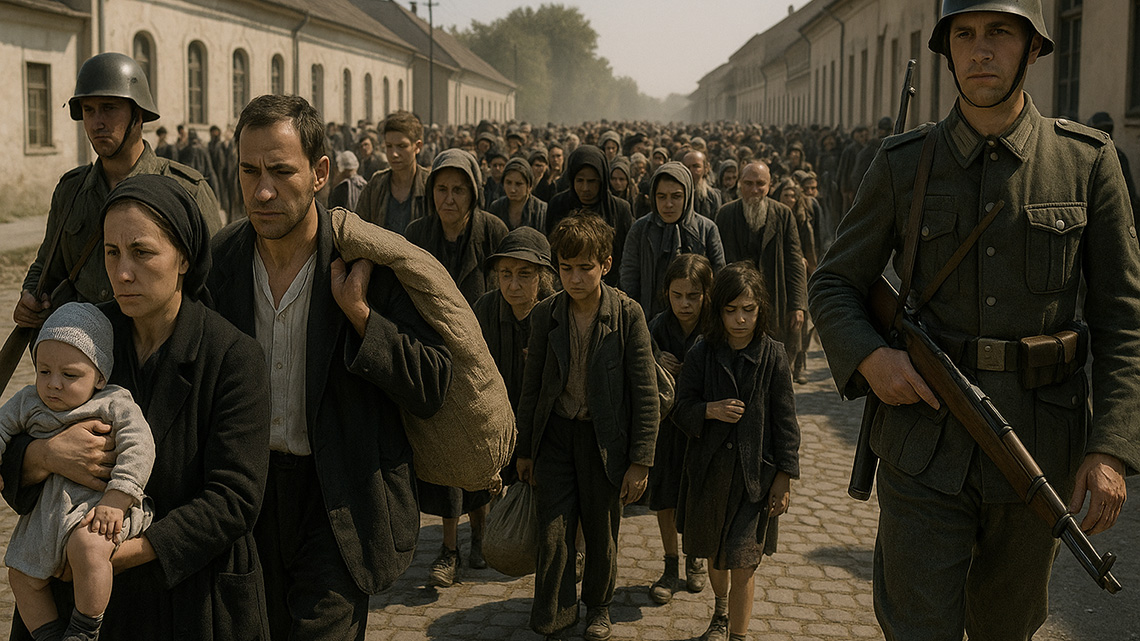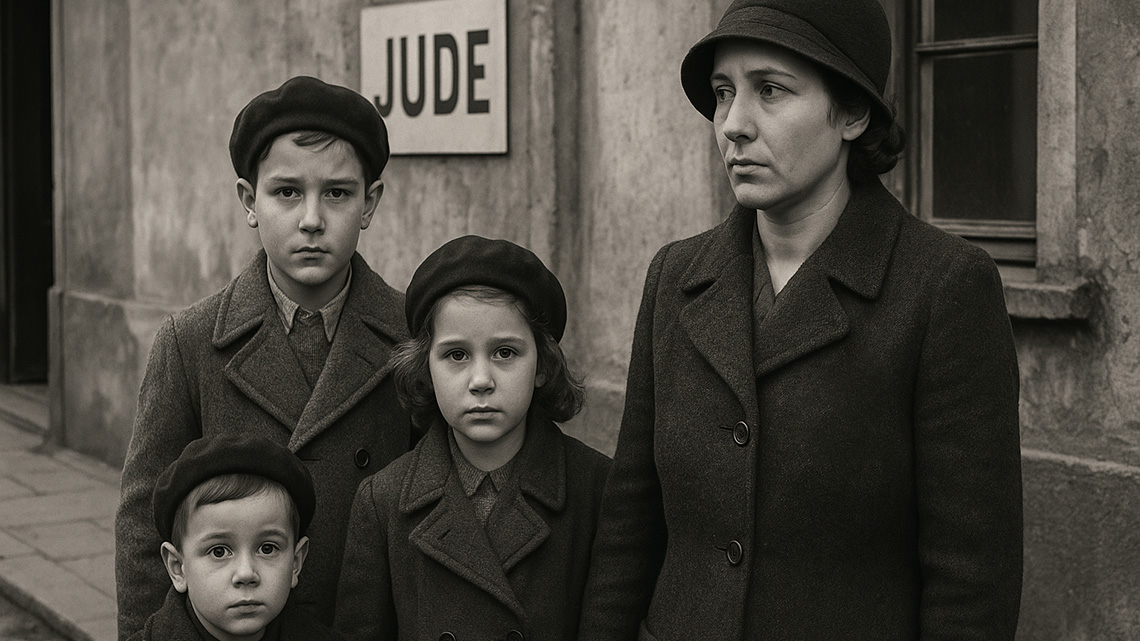

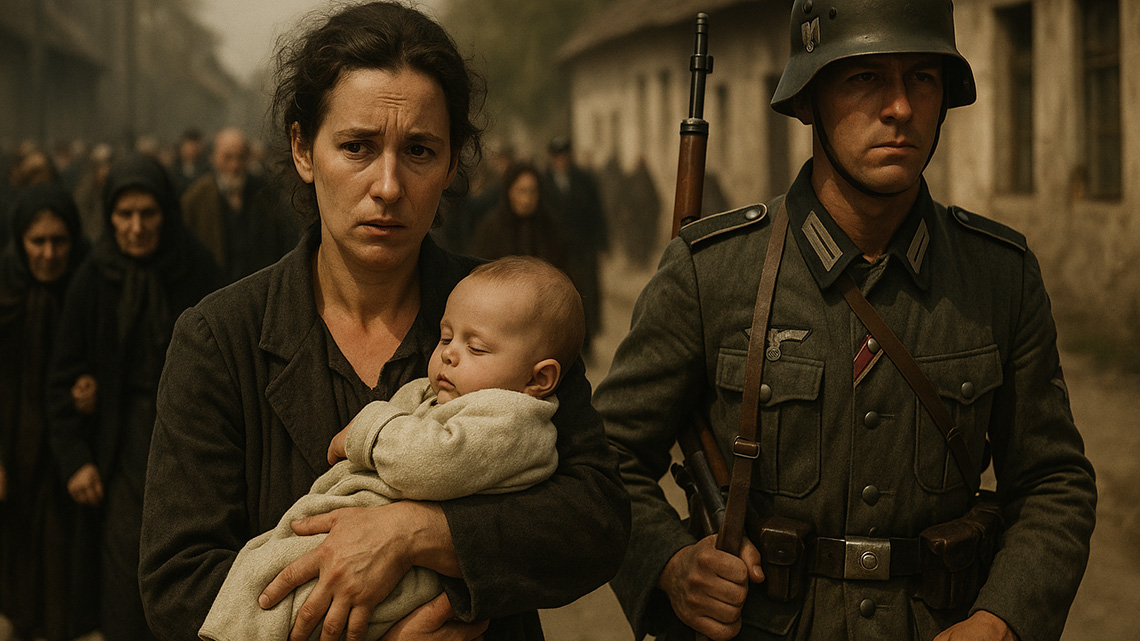
One account states that, during a brief period of partial freedom, some wealthier Jews from Novi Bečej managed to escape by bribing German soldiers—often drivers—and fleeing beyond the borders of Serbia. There is also a theory, based on unconfirmed information, that Verona, the daughter of Danijel Cigler, a timber merchant from Novi Bečej, managed to reach Romania thanks to her relationship with a German officer, and later emigrated to Israel after the war. However, this information was never officially confirmed.
Immerse yourself in the fascinating world of the past and culture of Novi Bečej through our virtual library, where the pages of books turn into windows through time. Here we discover the wealth of local heritage through complete works that bring stories of brave people, important events and unique traditions.
Share this page on social media
Ljubica Odadžić was born in 1917 into a poor peasant family. In her early youth, she left her parents' home and moved to Belgrade in search of work. Through Milica Blažić in her hometown, she became acquainted with the ideas of the progressive movement. Upon arriving in Belgrade, she was quickly accepted by progressive comrades who helped her find employment. She started working at the "Mitić" Textile Factory, now known as the "Beograd Cotton Plant."
...On March 27, 1941, communists stood with the masses, explaining the essence of the events and leading all protests and revolts against the shameful and treacherous betrayal of the country by the pro-fascist government.
Throughout the day, communists and members of the Communist Youth League (SKOJ) conducted extensive agitation, aiming to initiate democratization and organize a protest meeting. All social organizations, schools, and the entire village were mobilized.
Among the many tragic memories from the time of the Jewish deportations in Novi Bečej, one account stands out. Senji Maćaš recalled how Gabriela, the wife of merchant Adolf Berger, carrying her infant son Ladislav—born on January 19, 1941—managed to bribe a guard and escape through a prepared route into Bačka.
How This Booklet Came to Be
When my article titled “Kumane” appeared in the Yugoslav Daily on August 2, 1931 (issue no. 202), my parishioners received it with great enthusiasm. It was read aloud in gatherings and on street corners before groups of listeners. Soon, many expressed the wish that it be printed as a small booklet and distributed among the people of my parish.
The total length of navigable canals currently amounts to:
- in Banat: 309 km
- in Bačka: 355 km
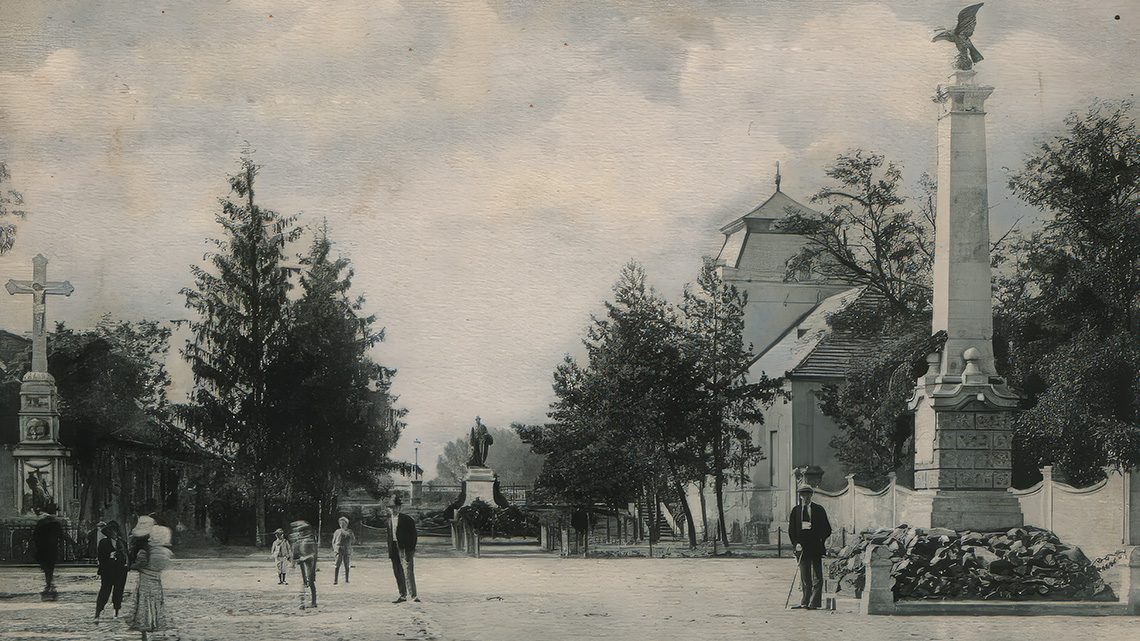
The social life in Novi Bečej and Vranjevo, fifty or more years ago, mainly took place in the Sokolana and taverns. Conferences, meetings, and gatherings of political or scientific nature were held there. In short, all entertainment and social activities happened indoors—either in the Sokolana or in taverns. The only exceptions were summer swimming in the Tisa River, football training, and matches in the Gradište grove.
Even in his youth, Bogdan Čiplić was reserved and somewhat detached from social life, although he was a good conversationalist, open as a person, and musically educated. Because of that, he could easily fit into any tavern company. But he lacked one crucial thing—a desire for such a lifestyle. Just like the expression jokingly says: "but"—what ruins a girl’s happiness. That "but" steered Bogdan Čiplić’s life.
From the records of Istvanfi Endre: "The Struggling Turski Bečej 1850-1890" ("A küzdő Törökbecse"), we learn that 1863 was a very difficult year due to weather conditions. From early spring until late autumn, there was no rainfall, making everything resemble a desert, and the wheat harvest was so poor that there was not enough to collect for seed.
In 2008, Novi Bečej's Elementary School "Miloje Čiplić" will mark its centenary. Few of today's students, as well as older ones, even know who the person after whom our school is named was, and who it was named after following World War II.
Often, especially at night when I wake up, I find myself walking in my mind through the New Bečej and Vranjevo of the past, as I left them in my youth, and how they became dear to my heart.
Reflecting on my journey aboard the "Miroslav" ship, I recalled two uncomfortable moments I experienced on the Tisza. They weren’t tragic, but they were thrilling enough to remain unforgettable to this day.
The Kikinda Canal stretches from its confluence with the Main Canal to its junction with the Zlatica River near Sajan, with a total length of 50.34 km. Its primary function is to collect the Zlatica’s internal waters during periods when the sluice gate at Padej is closed, as well as its own internal waters along the route, and discharge them into the Main Canal.
The Obznana was the response of the bourgeoisie to the growing strength and influence of the Communist Party. Its goal was to secure the position of the bourgeoisie and the monarchy while preventing any legal activity of communists and the working class in general.
Drainage enables the reception of all excess water from the catchment area—either by gravity (free fall) or artificially using pumps—and evacuates it further into the main receivers: the Tisa and the Danube rivers.
Fifty years have passed since the day when seven hundred Jews from northern Banat, including one hundred and sixty of our fellow citizens, vanished forever from the banks of the Tisa River near Novi Bečej. They were carried away by the black ships of death into the abyss of annihilation.
Novi Bečej is a small town that, before liberation, was considered a town with about 7,000 inhabitants. And when you consider that many of its residents engaged in literature over a period of just about 30 years, and most of them wrote poetry, it can be boldly said that there was a real poetic school in Novi Bečej. Especially when you take into account that a group of the local youth at the time, part of its young intelligentsia, wrote poems as if by some mutual agreement, and some even by an explicit agreement — so much so that they almost literally formed a genuine poetic school.
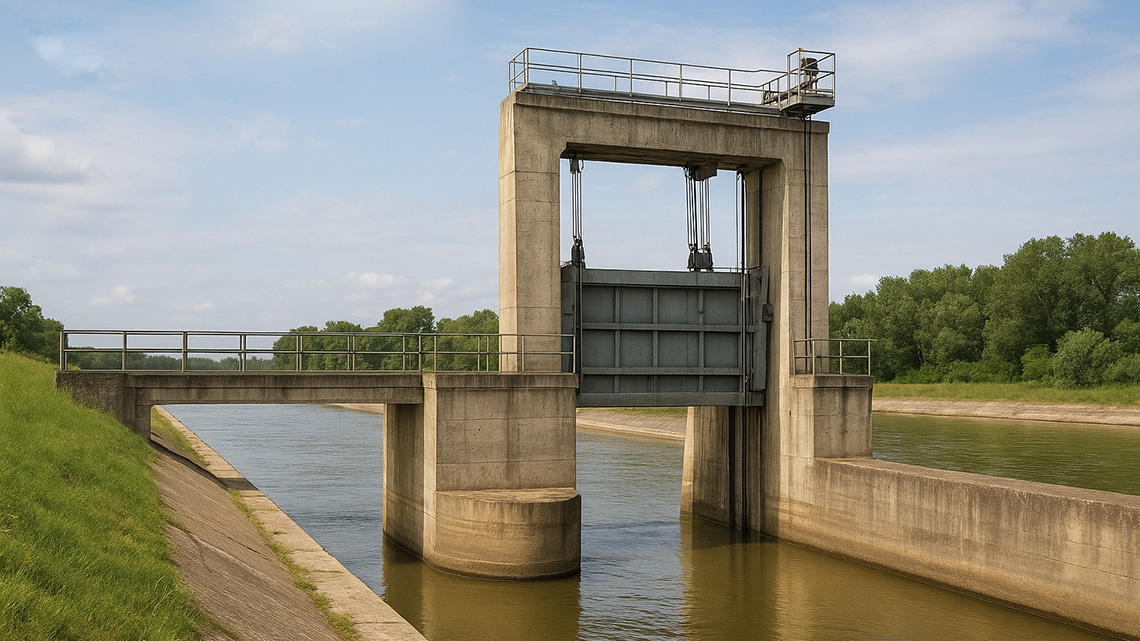
Ustava Novi Bečej (Magistral Canal km 146.66)
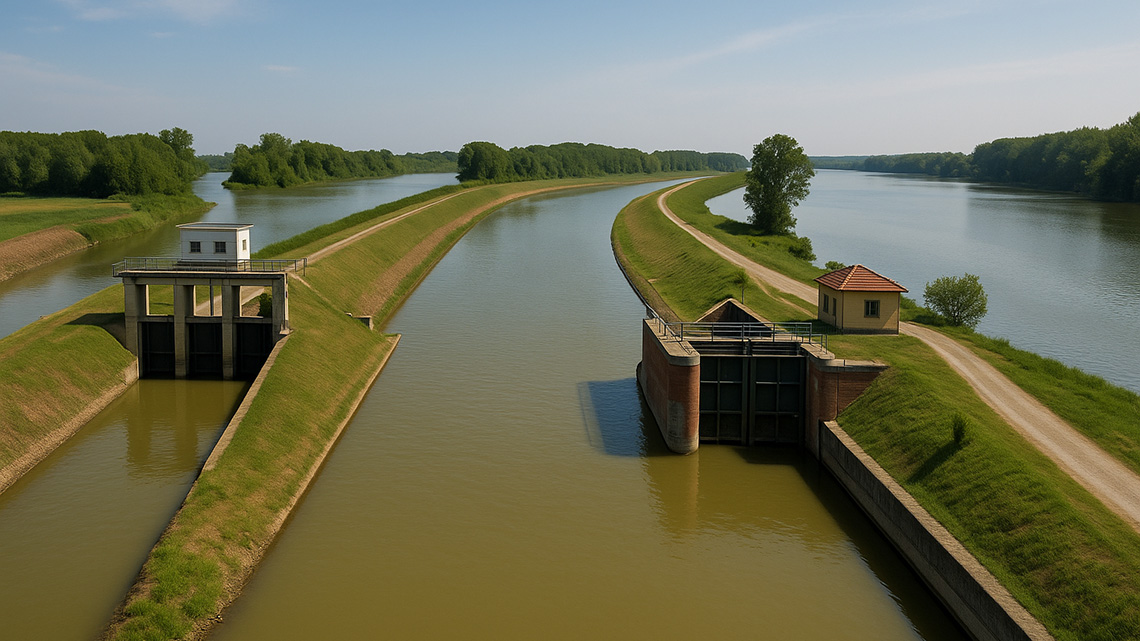
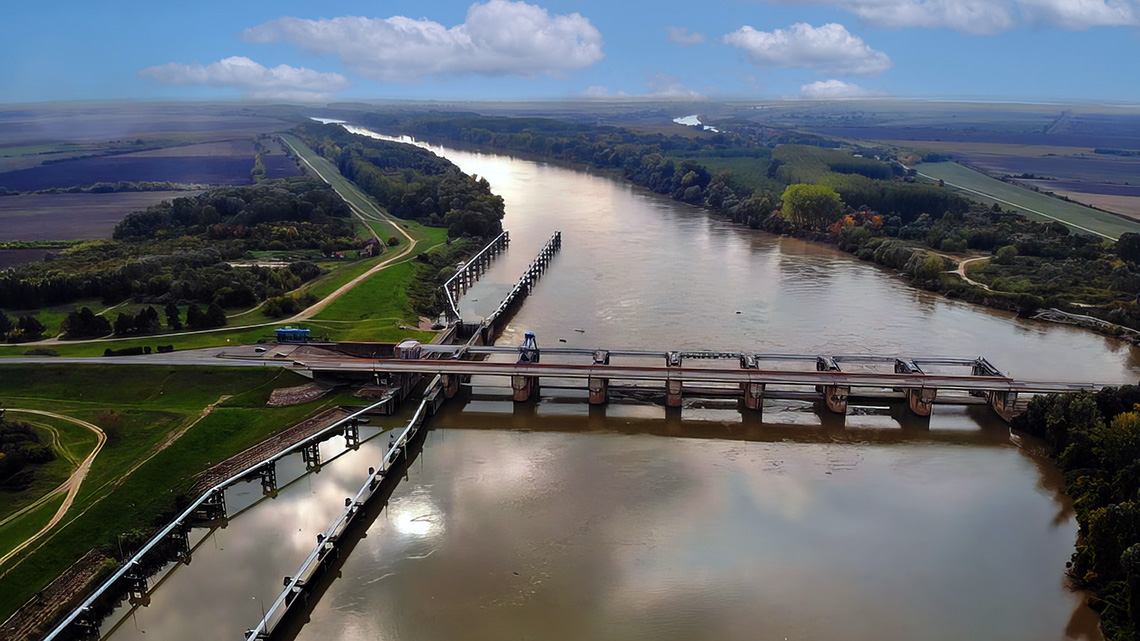
The Ustava Novi Bečej was built as a structure for releasing water into the primary canal network to supply Banat with water, as well as for discharging excess water from the Banat section of the canal system into the Tisa River.
Why Did the People of Vranjevo Oppose the Merger with Novi Bečej in the 1930s?
Between the two world wars, Vranjevo and Novi Bečej were two separate administrative municipalities. With the establishment of banovinas in the Kingdom of Yugoslavia in 1929, the idea arose to merge settlements where it was economically justifiable. The Association of Merchants and Industrialists, led by Giga Jovanović, one of the most prominent citizens of Novi Bečej at the time, initiated the idea of merging Vranjevo and Novi Bečej into a single entity.
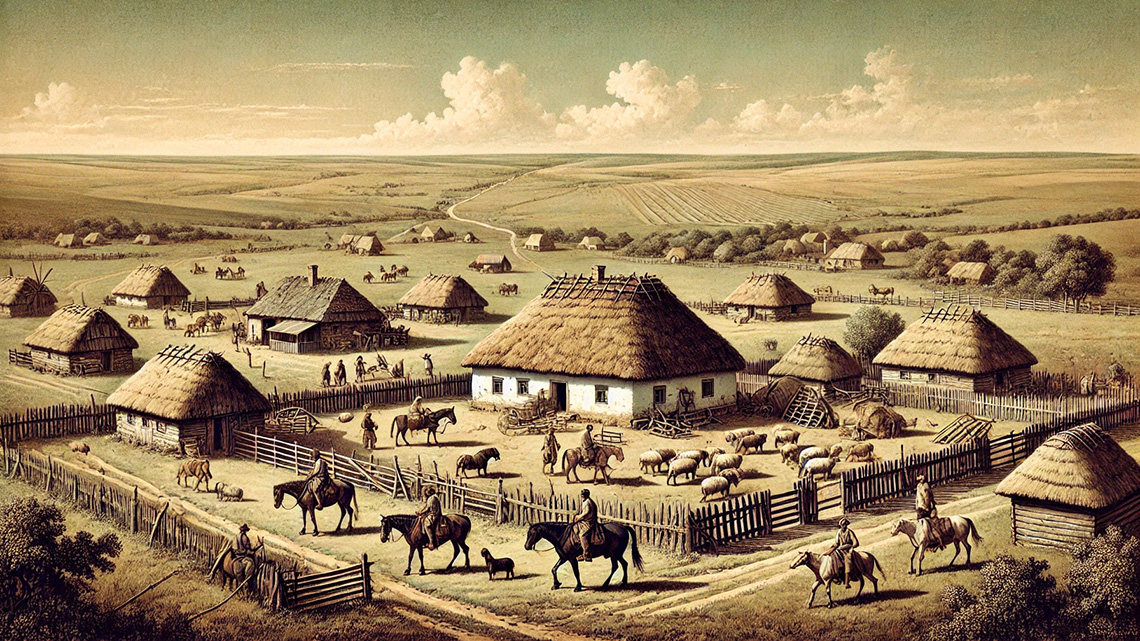
The way of life in Banat and Bačka differed under Ottoman rule and after their expulsion, up until the late 18th century. People initially lived in small settlements, but with colonization and land distribution, successful farming created the necessity for farmsteads (salaši).
After World War I, the parents of Gligorije and Jovanka Popov left Dragutinovo and moved to Rusko Selo in search of a piece of land as part of a “colonization” effort. That small plot of fertile soil, coupled with debt to the Agrarian Bank for building a house and other hardships, made life difficult and impoverished.
The first parliamentary elections for the Constituent Assembly were called only two years after the unification, at a time when the bourgeoisie believed it had achieved a certain level of international and internal consolidation.
The Tisa River Dam near Novi Bečej is the largest facility of the Danube–Tisa–Danube Hydrosystem. Its primary function is to release water by gravity into the main canal network of Banat, enabling the irrigation of vast agricultural areas and supplying water to other users. In this way, the released water can be used for multiple purposes simultaneously.
Our prominent writer, Isidora Sekulić, says about the homeland:
“Where is the homeland for people? It’s where others around them understand, completely and deeply, what they say, from the last external and internal tremor of their language, they understand what delights them and what hurts them.
May 29–30, 1997
In the last days of May 1997, the small town on the left bank of the Tisa River once again came alive with the spirit of the Days of Josif Marinković.
Irrigation
Irrigation is one of the most important functions of the primary canal network, as it enables the distribution of water from the Tisa River into the central parts of Banat. According to project plans, the primary canal network should supply water for the irrigation of approximately 300,000 hectares in Banat. The intake of Tisa water in this region is carried out by gravity.
Until 1955, kindergartens were part of schools. There were four groups in Serbian (2 groups in Vranjevo and 2 groups in Novi Bečej) and two groups in Hungarian (1 in Šušanj and 1 in the center of Novi Bečej). On September 1, 1955, the kindergarten became independent, with its own administration, and began to focus exclusively on the problems of managing and developing its groups.
In the years leading up to World War II, the Jewish community of Novi Bečej lived much like the rest of the town’s population. They did not perceive the rise of fascist movements across Europe as an immediate threat to their survival, believing that, if war broke out, they would manage like everyone else. This belief was perhaps reinforced by the fact that there were very few ethnic Germans in Novi Bečej, and anti-Semitism was not openly felt.