



In the harsh conditions of the economic crisis — especially in a year when it reached its peak — the football enthusiasts of Novi Bečej, or perhaps even better described as fanatics, organized a true football spectacle in 1932. That year, they managed to bring the multiple national champion, the Belgrade Sports Club (BSK), to Novi Bečej.
It should be emphasized that from 1931 to 1934, even larger towns in Banat had neither the means nor the ambition to invite clubs such as BSK or Jugoslavija. Besides the high travel and accommodation expenses, these clubs demanded a substantial fee for their appearance.
The difficult state of football in that period is illustrated by the fact that several clubs in the region dissolved. In Veliki Bečkerek, the clubs Orao and Jedinstvo shut down; in Kikinda, Radnički was dissolved, while Slaven and Srbija merged into Sloga. In Stari Bečej, the club Tesla ceased operations in 1931, followed by Jadran in 1933. Income from matches could not cover even minimal expenses, and all other sources of funding had dried up. Despite the efforts of club managements and players, many teams had no choice but to disband.
Football matches continued to be played in Novi Bečej, although revenue from a single match — even before deducting costs — was not enough to cover travel expenses for visiting teams and the state tax on ticket sales. With an empty treasury, the club had no guarantee it could continue operating for even a few more months. Equipment was expensive — jerseys, boots, and other gear — so kits were used until their “last breath.” Income from one match, without any expenses, was barely enough to buy socks for eleven players or a single pair of boots.
All this speaks to the courage of the management of Jedinstvo when they decided to host the Belgrade Sports Club in Novi Bečej. Nevertheless, the match was arranged, played, and Jedinstvo continued working afterward.
Large posters were printed for the occasion and displayed not only in Novi Bečej but also in nearby towns — Stari Bečej, Kumane, Melenci, and Dragutinovo — to attract as many spectators as possible. At the same time, every effort was made to reduce expenses without affecting the visiting team or the quality of the match. For example, the club asked the Veliki Bečkerek Subassociation not to appoint an official referee but instead send a referee candidate, or allow the club to bring a referee from Stari Bečej who agreed to officiate without compensation.
Official Request (1932)
(translated and adapted for clarity)
No. 11/1932 – August 13, 1932, Novi Bečej
To the Veliki Bečkerek Football Subassociation:
“We hereby inform you that we will play a friendly match with the Belgrade Sports Club (reserve team) on August 21 of this year on our grounds.
As the costs of organizing this match are very high, we kindly request that you exempt us from appointing an official referee and instead assign a referee candidate already registered with you.
If this is not possible, we ask permission to bring a referee from the Subotica Subassociation (from Stari Bečej), who will come only for travel expenses amounting to 20 dinars, as our expenses for this match are significant, and we cannot cover both the referee’s fee and daily allowance.
With hopes for a favorable decision,
Secretary: Rad. Kiselički
President: Milan Matejić”
The Match
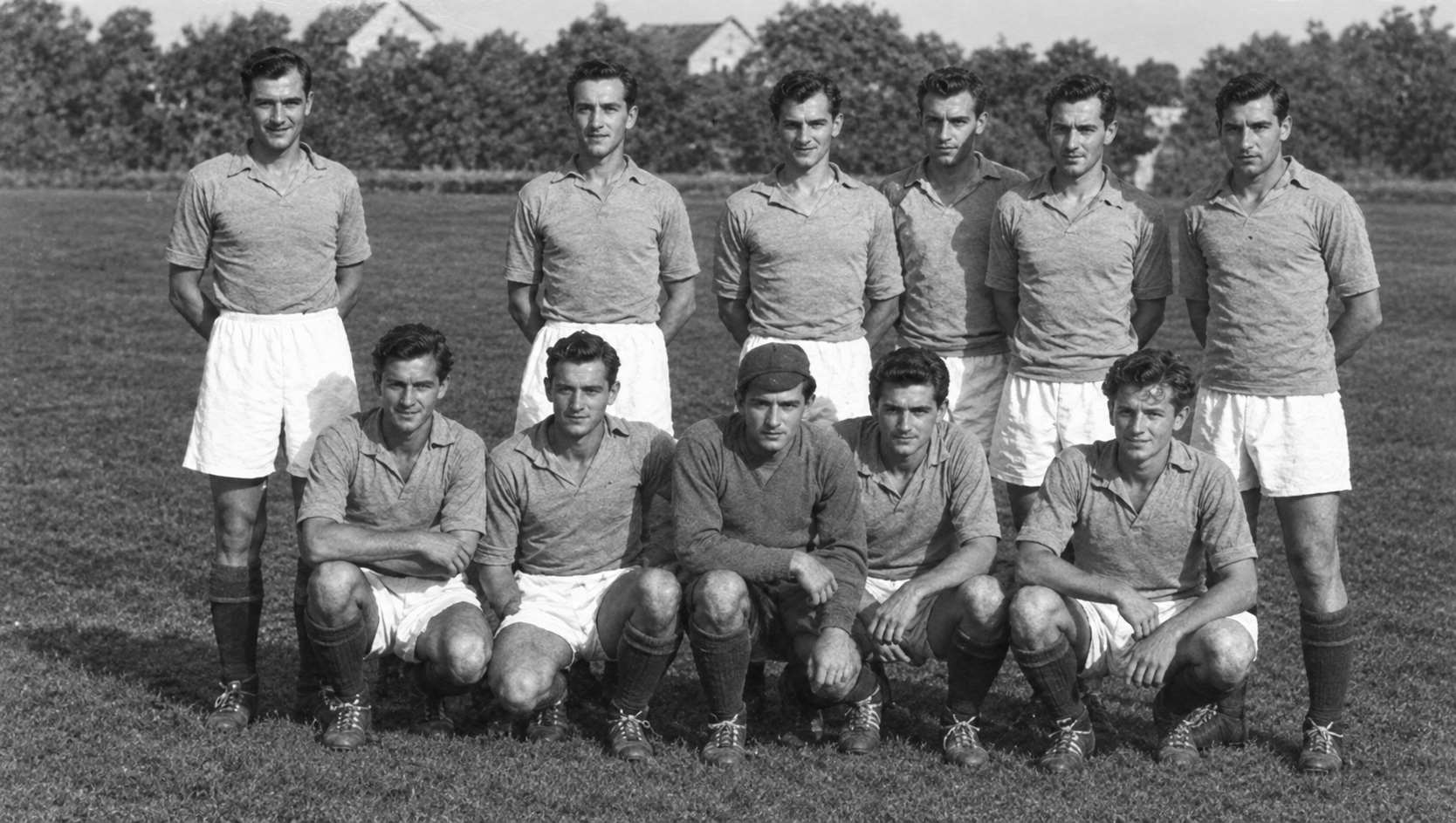
The match was played on August 21, 1932. BSK arrived with its reserve team. Jedinstvo’s lineup was:
Goalkeeper: Veselin Josimović — Sulja
Defenders: Laza Lazić and Bora Kovačev
Half-backs: Stoja Jovanović, Branko Rajić, Šandor Čanji
Forwards: Duško Glavaški, Zlata Milovančev, Toša Pinćin, Boža Trećak, Voja Krstonošić
The final score was 9:1 for BSK.
While Jedinstvo had enough strength, their players fought bravely against a much better opponent. At halftime, the score was only 2:1 for BSK. However, several Jedinstvo players had not played football for one or two years, and others had not trained at all. Their stamina quickly faded, allowing BSK to dominate the second half and secure a convincing victory.
The goal for Jedinstvo was scored by Boža Trećak, while the best player on the team was Zlata Milovančev. Defenders Lazić and Kovačev, still very young at the time, also stood out.
The Strength of BSK’s Reserve Team
From today’s perspective, BSK’s reserve squad may not seem impressive. However, in that era, all first-league teams had a fixed lineup of eleven starters who rarely missed matches. There were few injuries and virtually no incidents, meaning reserve squads consisted of highly capable players.
To understand their quality, one might compare them to today’s Red Star or Partizan: if you pick the best 11 players under contract after the main starters, you get the picture of a top-level reserve team. In fact, that BSK reserve team went on to win the reserve championship of Belgrade that same year.
Attendance and Aftermath
The match was attended by an exceptionally large crowd for the standards of Novi Bečej at the time — between 600 and 700 spectators. Yet, even this turnout did not generate enough income to cover the expenses. As a result, the club faced a minor crisis afterward. The crisis was also influenced by a generational shift, as many older players retired after the match while younger ones were still developing.
The Impact on Local Youth
What no one particularly recognized at the time was the enormous effect the match had on local children, especially students. The boys kept calling each other by the names of BSK players — Dole, Doka, and others — evidence of the deep impression the event left on them.
That same year, 1932, students traveling to the gymnasium in Stari Bečej founded two youth clubs:
- Vranjevo Sports Club Zvezda
- Students’ Sports Club Orao
Zvezda kept its name until 1945 when Slavija was formed, while Orao became SK Banat in 1934, transforming from a student club into a club of apprentices in trade and crafts. A strong rivalry formed between the two youth teams, and their matches attracted great interest among children.
Though seemingly insignificant, this episode contributed more to the popularity of football among the youth than the official matches of Jedinstvo, except for the legendary game against BSK — unmatched by anything before it. These youth clubs later became the foundation of Novi Bečej football after the dissolution of Jedinstvo in 1945.
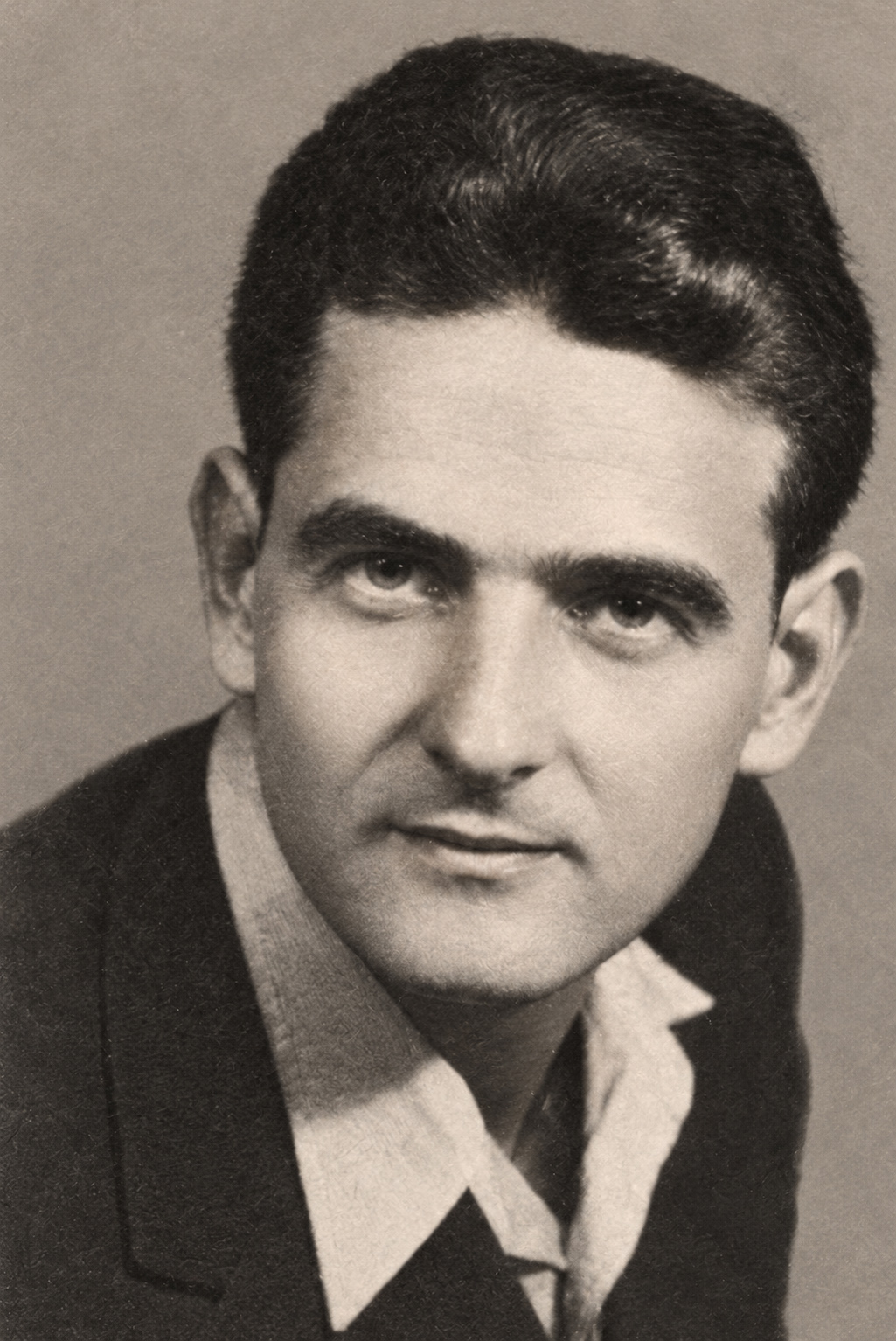
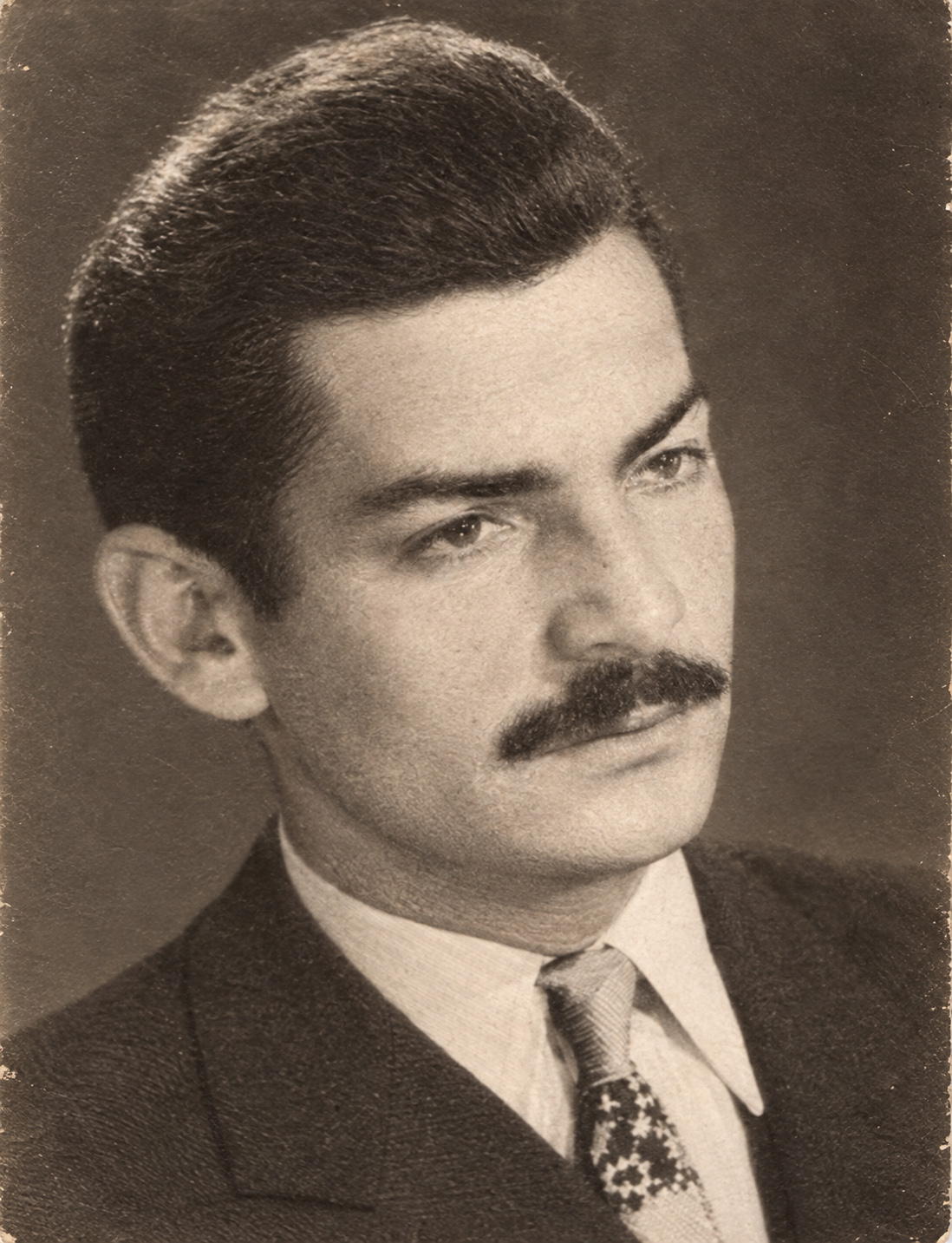
Veselin Josimović — Sulja
As a student of the Trade Academy in Veliki Bečkerek, Sulja became the first-choice goalkeeper of Jedinstvo. Though not physically ideal for the position, he grew into a solid goalkeeper thanks to his strong hands and excellent jumping ability.
He was modest, quiet, even slightly grumpy — the complete opposite of Laza Lazić — yet both were equally adored by children and fans from Novi Bečej and surrounding villages. His charm lay in his extraordinary modesty, shyness, and difficulty in social interactions, which children intuitively recognized and appreciated.
Sulja was also widely respected for his gymnastics talent. Without much training, he was among the best gymnasts in Northern Banat, effortlessly performing even the most complex routines. Students from Veliki Bečkerek viewed him as their most prominent athlete.
During matches, when he had little work as a goalkeeper, spectators often urged him to perform acrobatic flips — two or three somersaults — which he gladly did, earning enthusiastic applause. These moments added significantly to his popularity.
Comments