



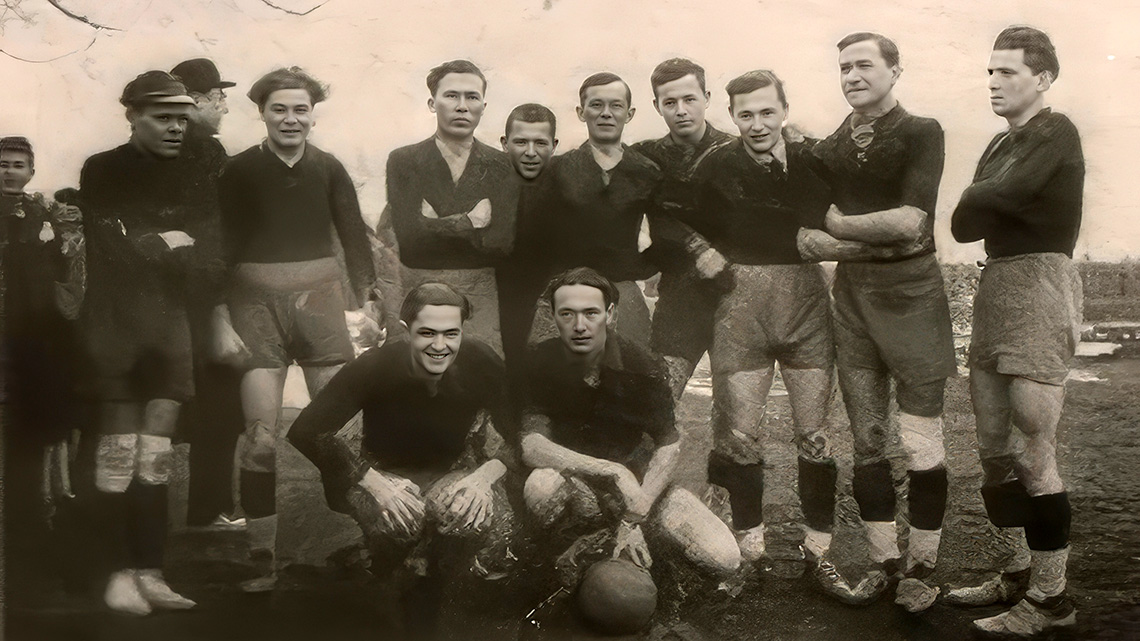
The period of the Great Depression, from 1930 to 1935, marked one of the most difficult times for football in Novi Bečej. The crisis hit the town with full force, as it had originally begun as an agricultural crisis, caused by overproduction in farming. Novi Bečej, a primarily agricultural region with over 700% of its population working in agriculture, suffered more than many other towns of similar size with different economic structures.
Alongside the collapse of agricultural estates, many shops were liquidated or faced closure. Unemployment among day laborers and low wages, which barely covered the most basic household needs, further contributed to the decline in attendance at football matches.
Efforts to maintain even the most modest sports activities were substantial. To ensure the continuity of competitions, it was necessary not only to volunteer personal time but also to make material sacrifices, especially from those involved in the management of the clubs.
The players of Jedinstvo often took their football kits home for their mothers to wash and mend them. Away games were often attended using horse-drawn carts, with food packed from home, and meals were consumed en route, with some even having to eat dinner late at night on their way back.
Ticket prices were low: 3 dinars for a seat and 1 dinar for standing, but even these modest fees were unaffordable for a large portion of Novi Bečej's population.
The economic crisis that devastated agricultural communities in Novi Bečej also led to the loss of income for hundreds of cubic families. Public works projects such as the construction of canals, dikes, and roads were the first to be halted, leaving even day laborers without work. Additionally, wages were so low that they could not cover basic living expenses. For context, a kilogram of bread cost 2 dinars, and a kilogram of pork cost 10 dinars, while a litre of kerosene was 6 dinars.
The economic situation also led to severe hardships for many craftsmen. For example, a young barber's assistant earned only 50 dinars per month, which was insufficient to provide one kilogram of bread for his family daily. Given this dire situation, attending football matches, even with reduced ticket prices, was out of reach for most.
The struggle faced by football clubs is exemplified in a letter sent by Jedinstvo in Novi Bečej to the Veliki Bečkerek Football Subunion, a similar plea was addressed to other clubs, continually seeking relief from financial burdens, such as membership fees, taxes, and other obligations.
A letter from Jedinstvo to the subunion on May 16, 1932, stated:
"Due to our very poor financial condition, where survival is nearly impossible without these funds, and as we haven't played a single match on our home field, we are requesting that you exempt us from paying the required membership fee, taxes, and printed materials."
Additionally, floods that frequently hit Novi Bečej, especially the football ground in Gradište, exacerbated the club’s situation. These floods, which usually occurred at the end of March, remained until mid-May, and sometimes as late as June during rainy years, further hindered football activities.
Despite these challenges, the football community in Novi Bečej remained determined. The club managed to play 5-6 friendly matches annually, often with teams not officially registered with the Yugoslav Football Federation, also known as "wild" matches.
The difficult economic situation also resulted in poor performance by the local teams, leading to a lack of interest from stronger clubs in nearby cities like Veliki Bečkerek, Kikinda, and Stari Bečej, who were reluctant to play with Novi Bečej teams due to the perceived risk of financial loss. Consequently, Jedinstvo played mostly against weaker teams or hosted games in rural areas under the most unfavorable conditions.
Despite all the adversity, the sport in Novi Bečej did not falter entirely, as enthusiastic fans and athletes continued to support and promote football. Friendly matches were organized with clubs from Bačko Gradište, Jadran, and Tesla from Stari Bečej, while local teams from Veliki Bečkerek also provided competition.
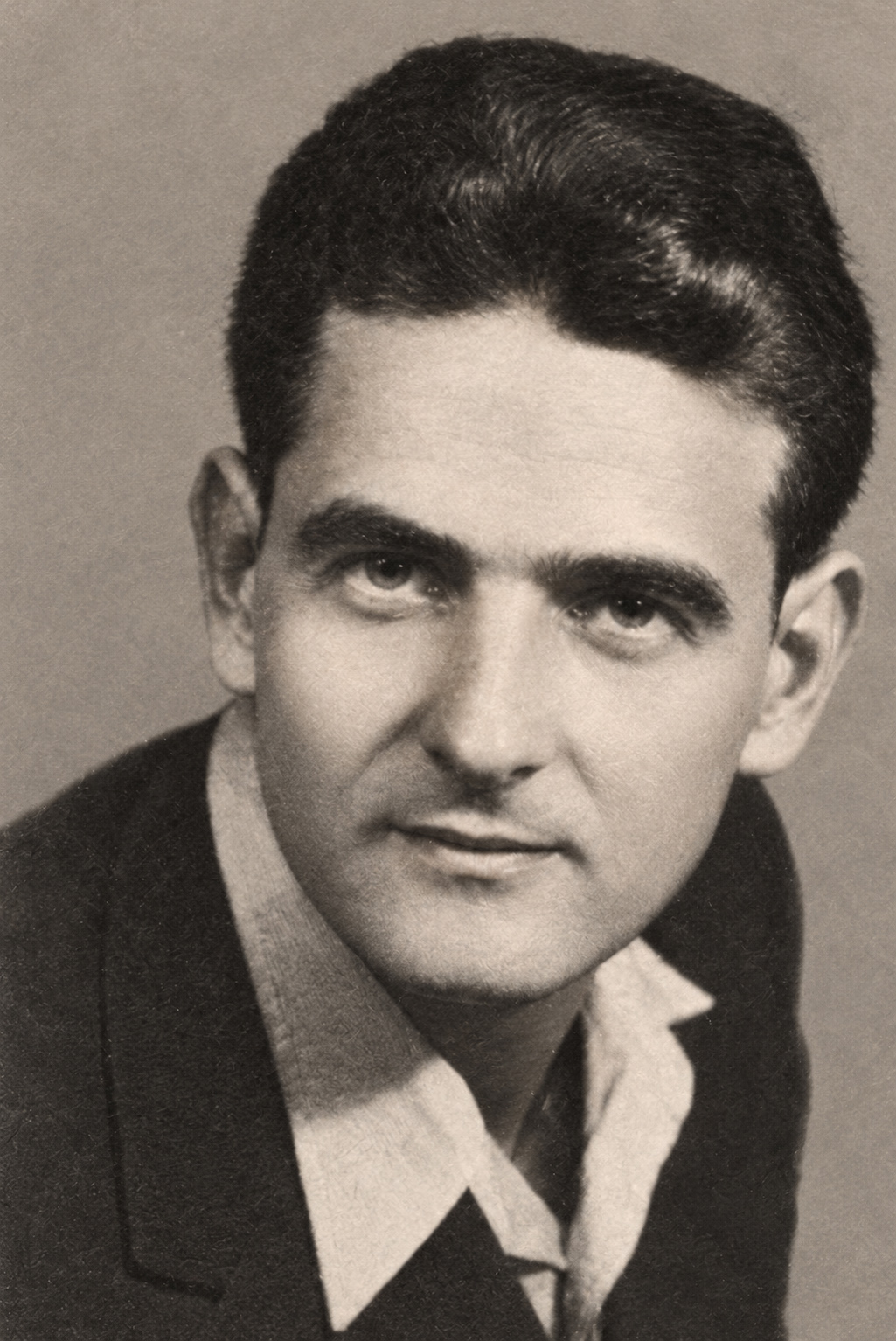
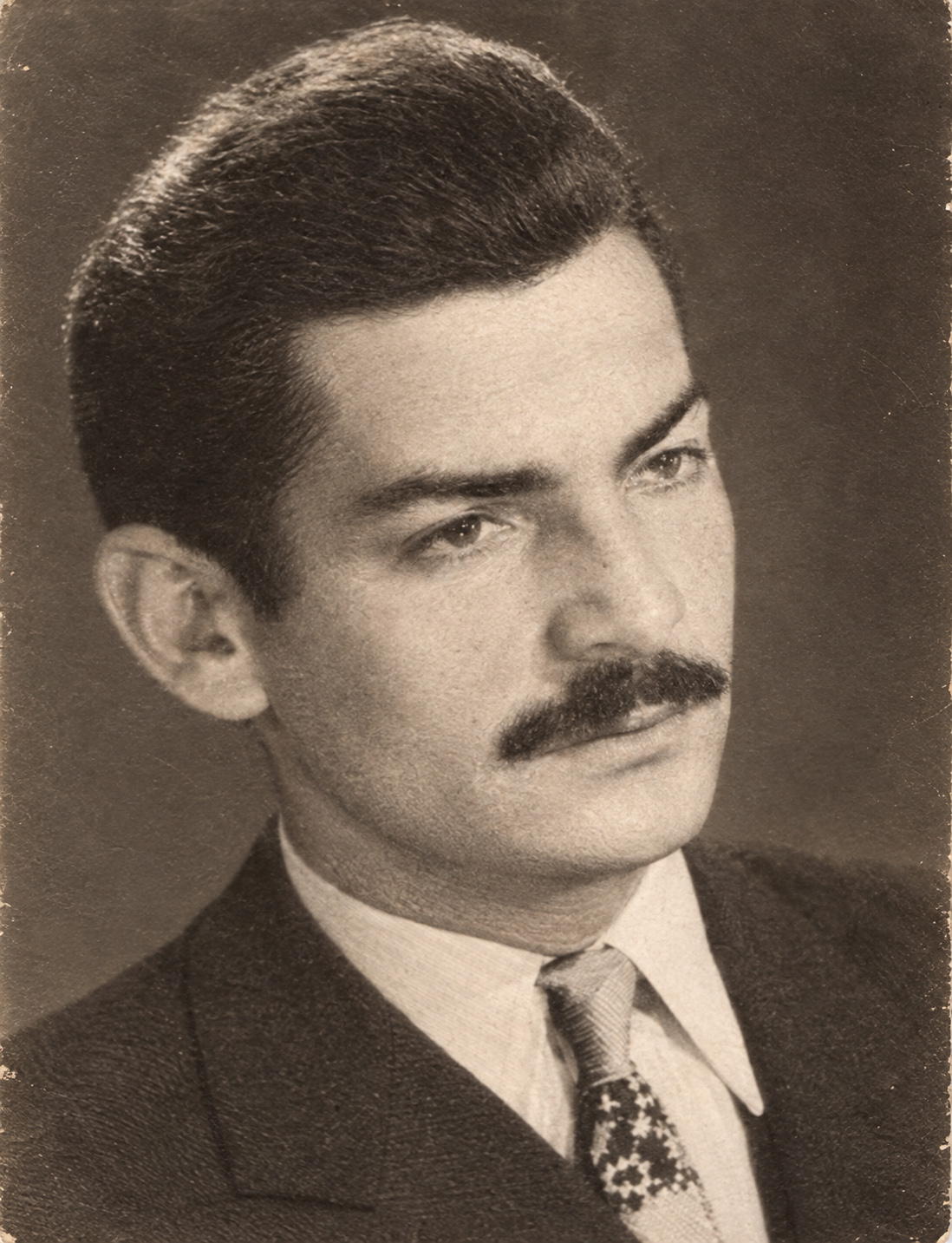
What stands out from this period are the remarkable efforts of two young, talented players: Laza Lazić and Bora Kovačev. Despite playing against weaker opponents, these two players showed exceptional promise, and their performances contributed significantly to keeping football alive in Novi Bečej. Both Laza and Bora became prominent figures in local football during the 1930s, with Laza even playing for Jedinstvo at the age of 16, under assumed names due to age restrictions.
Laza Lazić, born in 1914, became a beloved figure in the community. Despite his football career being relatively short, lasting only five years, his talent and charisma made a lasting impact. His dedication to the game and his charming personality earned him admiration both on and off the field.
Bora Kovačev, on the other hand, had a much longer career, playing for over 25 years. His name became synonymous with football in Novi Bečej, and even today, the older generations still remember him as a legend of the sport.
In summary, the period of the Great Depression left a significant mark on Novi Bečej's football scene. Despite the overwhelming financial hardships and external challenges, the community's passion for the sport endured, and emerging talents like Laza and Bora kept the spirit of football alive during one of the most difficult times in the town's history.
Comments