
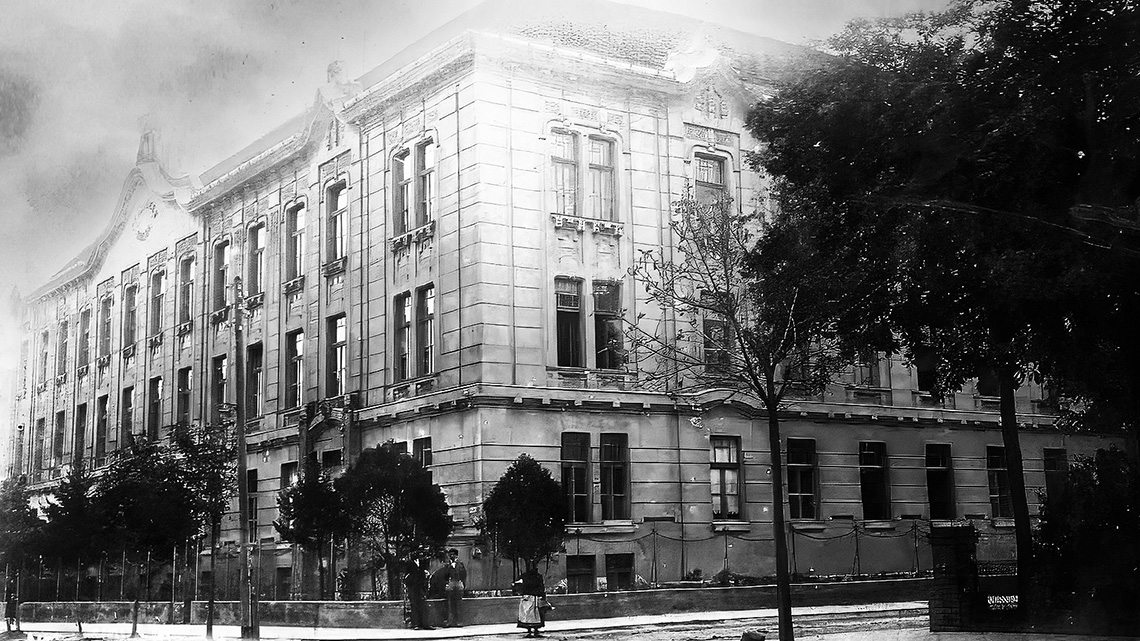
I will not delve into a historical account of the development of education in Novi Bečej and Vranjevo, as I have already provided such a description in my book “Novi Bečej and Vranjevo Through History”. Instead, I would like to highlight a turbulent and almost revolutionary period in the school history of Novi Bečej between the 1920s and 1930s.
Immerse yourself in the fascinating world of the past and culture of Novi Bečej through our virtual library, where the pages of books turn into windows through time. Here we discover the wealth of local heritage through complete works that bring stories of brave people, important events and unique traditions.
Share this page on social media
Ljubiša Jocić was a poet, writer, painter, director, and an experimenter with form and meaning—but above all, a man of play and artistic exploration. His creative journey spanned half a century, leaving behind a rich body of work that includes poems, novels, anti-novels, plays, films, and paintings.
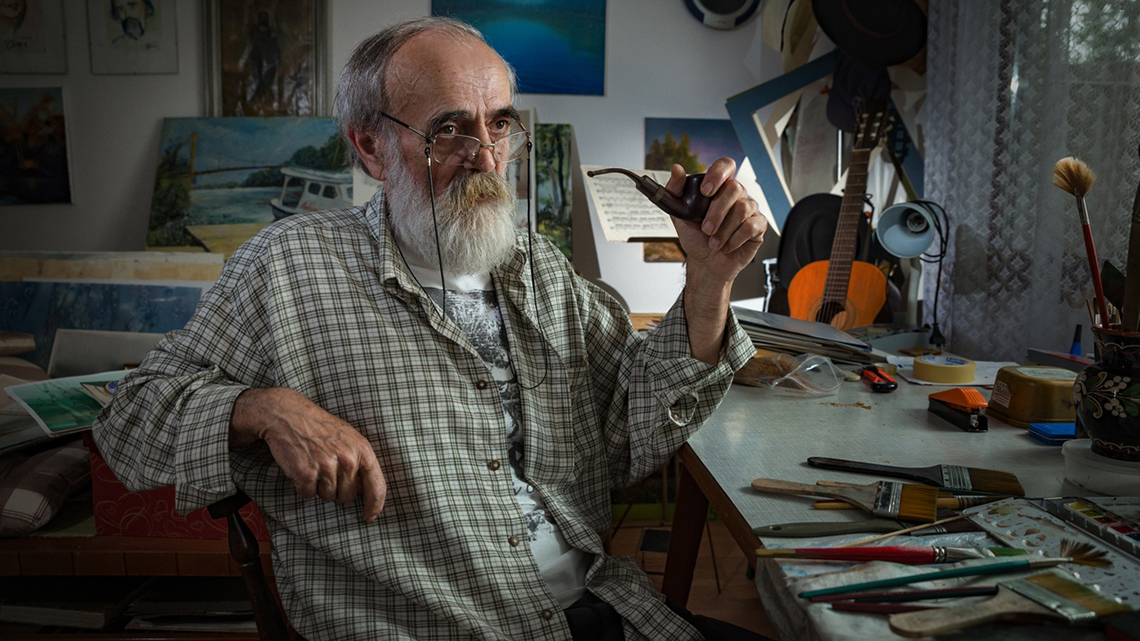
A master of watercolor and a guitar virtuoso, Branislav Stojančev—affectionately known to the people of Novi Bečej as Paša—was born in 1952. A lover of art, nature, and the Tisa River, he began his watercolor journey in 2001, dedicating himself to this delicate yet demanding painting technique. Since then, he has embraced its challenges with great success, finding in watercolor a source of peace, inspiration, and inner balance.
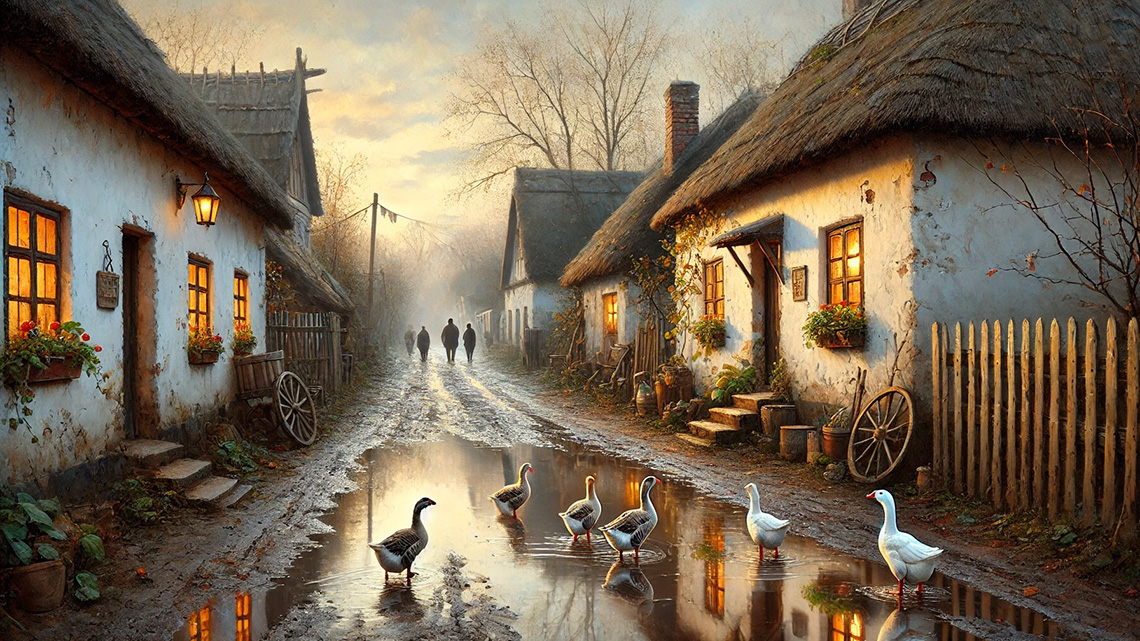
I remember certain streets, their dusty roads in the summer and worn-out, brick-paved sidewalks, or if I think about autumn, then muddy roads and ditches full of water, so in some parts, the entire street was covered with water. I can't imagine such a street without the noise of geese, bathing and chasing each other in the water, breaking the monotony of an otherwise very quiet street.
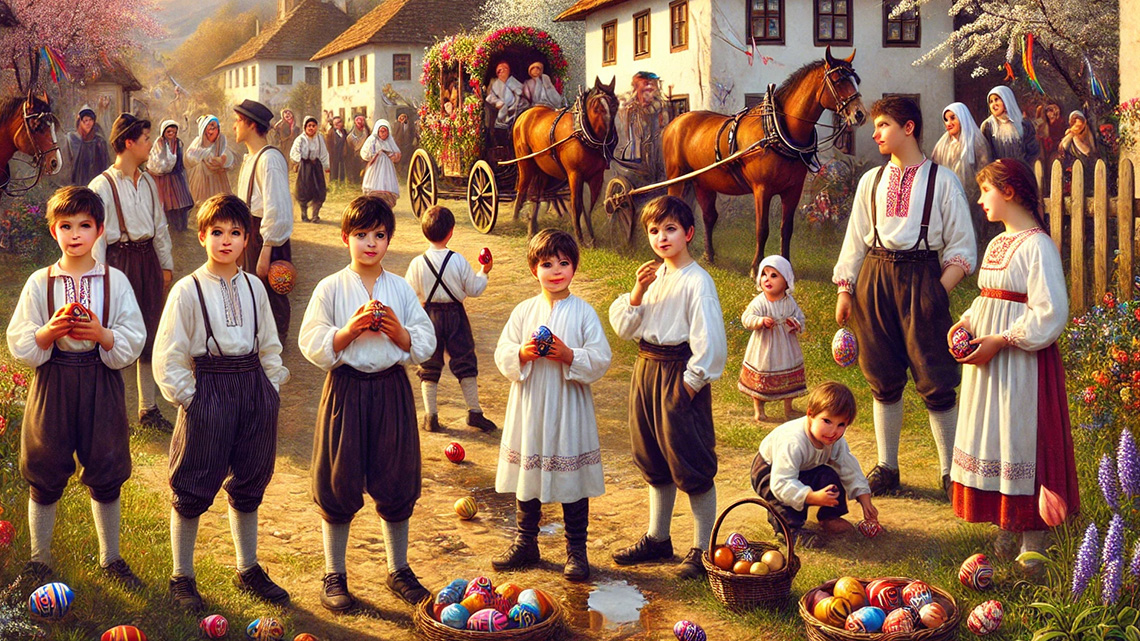
The memories of Easter and Christmas traditions are beautiful—customs that our children, especially our grandchildren, no longer know, yet they remain etched in our memories.
Before saying more about Easter traditions, I must first highlight what was difficult for us as children.
Last night, at half past seven, a member of the Serbian National Theatre, Serbian actor and writer, the most outstanding theatrical character artist in the Slavic South—Laza Telečki—passed away at the age of 33. Tuberculosis, which has become a common ailment among the youth, and in his case, almost a family curse—having already claimed two of his brothers and a sister—has taken his life.
Telečki was an unusual, curious, lively, inquisitive, multifaceted, and, above all, restless personality. At the dawn of our first professional theaters, he quickly emerged in the spotlight and became our first acting star.
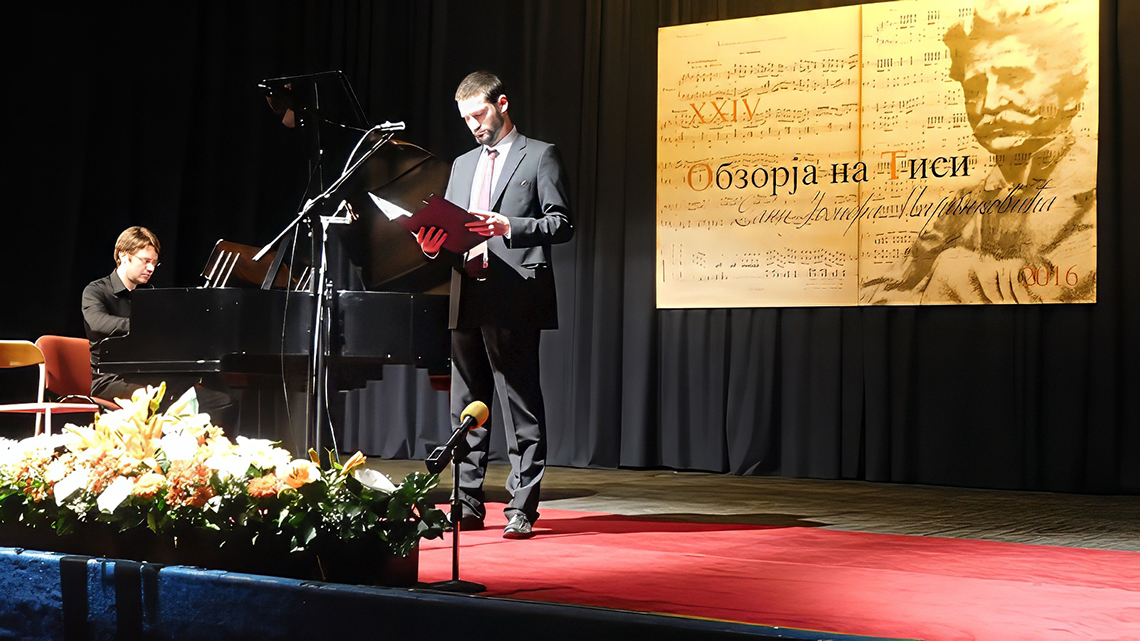
A decade of the festival “Horizons on the Tisa” has placed Novi Bečej among the rare towns that can proudly claim an event of high cultural importance—one that has steadily won the attention of musicians, composers, musicologists, and audiences alike.
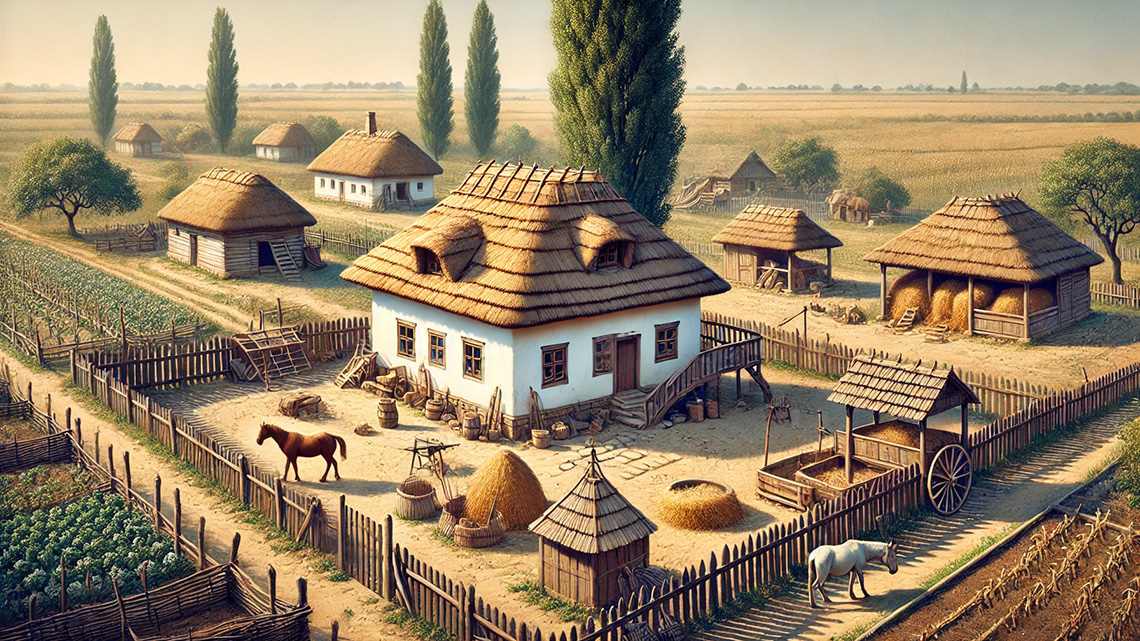
As part of presenting the role of farmsteads in the lives of our fellow citizens from the not-so-distant past, it is useful to describe the general appearance of a farmstead yard, along with the arrangement of buildings and rooms within them. This is even more relevant because village house yards were similar in layout, making this account valuable for documentation purposes as well.
Drinking in front of stores in Serbia is not just a custom – it’s an institution! It dates back to the first store and the first bottle of rakija – essentially, since the dawn of time. Even the old craftsmen in the Ottoman period would take a “merak break,” drinking in front of shops while debating if it would rain.
Pavle Janković - Šole, born on January 19, 1939, in Novi Bečej, was one of the most respected Serbian poets, whose poetry, although primarily intended for children, carried deep messages for adults as well. His name in literature is associated with an authentic and gentle approach to childhood, making him an expert in understanding children's thoughts and dreams.
June 3 and October 4, 1999
After two open solo-vocal competitions (1995 and 1997) and two invitational composition contests (1996 and 1998), the organizers of “Horizons on the Tisa” planned the seventh edition of the event with great ambition.
Unlike today's farmers, who work the land with tractors and usually keep at least some minimal spare parts like spark plugs, a fan belt, and similar items, in the time my memories refer to, farming was done with horse-drawn plows, and all transportation relied on wagons.
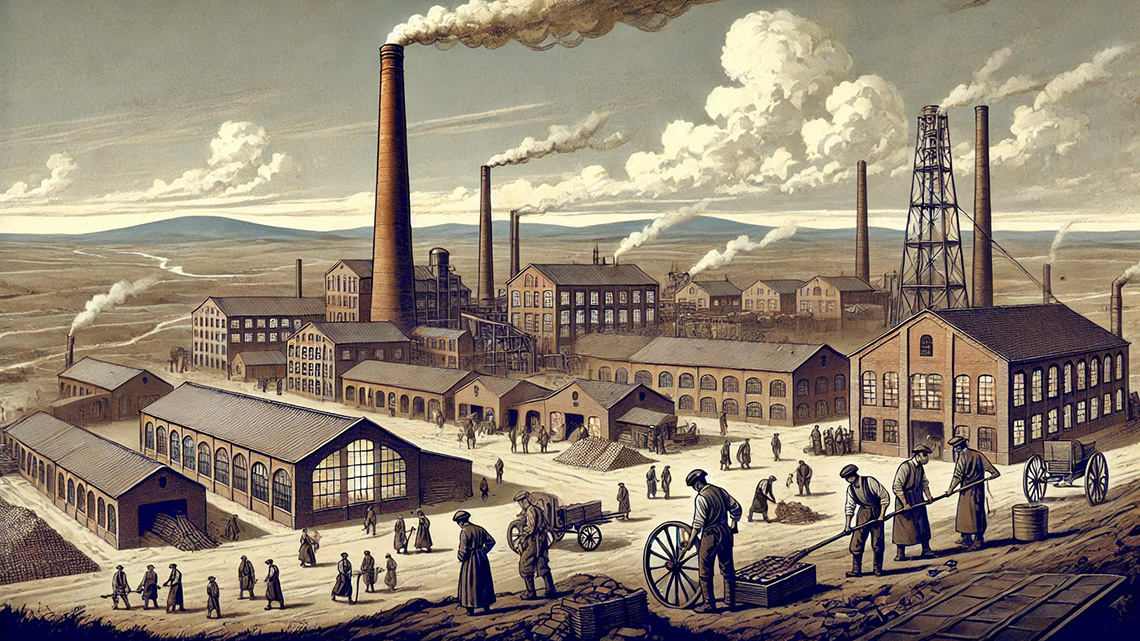
"Polet," a brick and tile factory, was founded in Novi Bečej by the Bon brothers in the early 20th century. They already owned similar factories in Kikinda and Žombol, recognizing the high quality of the clay in Novi Bečej, which proved to be quite profitable for them. They began investing substantial funds into this factory as well.
Folk songs like "Hey homesteads, I will come to you again..." or "Hey homesteads in the north of Bačka," with their exceptional melody and perhaps perfectly chosen words, awaken a longing for homesteads even in those who have never experienced their charms in reality.
Altered economic conditions and the development of productive forces in agriculture are the main reasons for the disappearance of farmhouses. With the reduction of land ownership limits after World War II, first to 20, and then to 10 hectares, farmhouses lose their previous significance in production.
After World War I, the parents of Gligorije and Jovanka Popov left Dragutinovo and moved to Rusko Selo in search of a piece of land as part of a “colonization” effort. That small plot of fertile soil, coupled with debt to the Agrarian Bank for building a house and other hardships, made life difficult and impoverished.
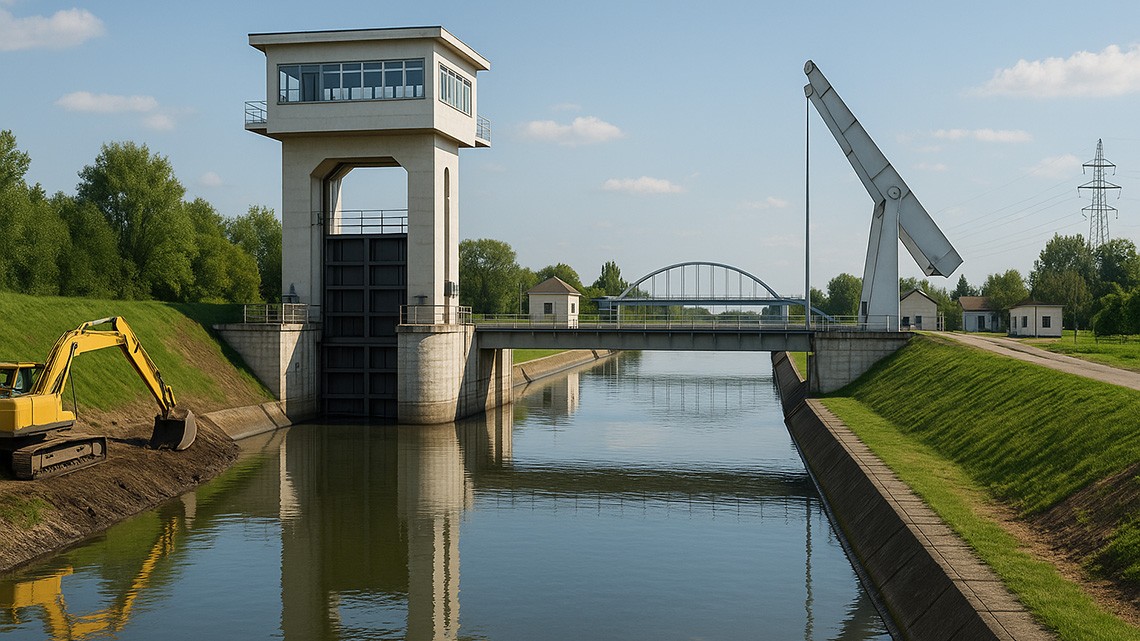
Between 1947 and 1957, research, geodetic surveys, studies, and conceptual designs were carried out.
From 1957 to 1977, main designs were developed and the basic canal network was constructed. The works were carried out under variable conditions, and the difficulties encountered caused delays and slowed down construction.
The Kostović family settled in the mid-19th century in the settlement of Potisje, known as Franjevu (the old name for Vranjevo), most likely due to its exceptional geographical location for grain trade. The family patriarch, Jovan Kostović, and his son Stevan were both skilled merchants, amassing significant wealth and great respect.
Sava Baračkov was born in 1929 in Kumane, Banat, where he completed elementary school. He attended construction and architectural secondary schools in Novi Bečej, Petrovgrad, and Novi Sad. In 1955, he graduated from the Department of Scenography at the Academy of Applied Arts in Belgrade, under the mentorship of Professor Milenko Šerban.
How This Booklet Came to Be
When my article titled “Kumane” appeared in the Yugoslav Daily on August 2, 1931 (issue no. 202), my parishioners received it with great enthusiasm. It was read aloud in gatherings and on street corners before groups of listeners. Soon, many expressed the wish that it be printed as a small booklet and distributed among the people of my parish.
In those frequent walks, I would go, in my thoughts, to the Great Warehouse, pondering its antiquity (built in 1780) and all it had endured over time.
After World War I, and likely even earlier, Novi Bečej and Stari Bečej were connected by a small boat named Stari Bečej, which made multiple trips daily between the two towns. I remember that until the establishment of a private high school in Novi Bečej, students from Stari Bečej used this boat to travel to the upper grades of the high school. At that time, Stari Bečej only had a lower-level high school, covering up to the fourth grade.
A large number of polluters have been registered across Vojvodina. Industrial pollution is the most dominant, followed by pollution from agriculture and livestock production, as well as pollution originating from settlements. Additional pressure comes from many smaller sources — villages without sewage systems, agricultural land, and small livestock farms.
Sara, not only as a teacher but also as a homemaker, was an exceptionally hardworking woman. I had the privilege of hearing this from my sister, who was one of her students in elementary school. Their home was always tidy, and the preserves Sara made were always top-quality. In this regard, she was a role model to many.
No more than three or four days had passed since our excursion to the Ivanović estate, and by Sunday, we were off on another one—this time much longer and more exhausting for walking. From Novi Bečej to the Rohonci estate in the Bečej marshland, or as it is known today, Pearl Island, it is at least eight kilometers one way. If you're counting the total distance for both directions, then maybe this trip isn't for you!
Following the notorious Obznana decree, the work of the Communist Party of Yugoslavia (KPJ) in Kuman was banned, and the Serbian Workers’ Party of Yugoslavia (SPRJ) was dissolved. With the introduction of the State Protection Act, prominent KPJ members faced extremely difficult times. Ljubomir Čolić, the secretary of the local party organization, died at a very young age after imprisonment due to torture and mistreatment.
Northeast of the settlement of Novi Bečej lies Arača, a significant monument of past centuries and one of the oldest examples of medieval architecture in the region.
- 9th “Horizons on the Tisa” – Josif Marinković Days 2001
- 13th Horizons on the Tisa – Josif Marinković Days 2005 | Novi Bečej
- Ferenc Gomba – Left Winger of DMKS Turul and Novi Bečej Football Legend
- The Workers' Movement During the Period of Legal Activity of the Communist Party of Yugoslavia (1918–1921)
- Portrait of Teacher Popović