



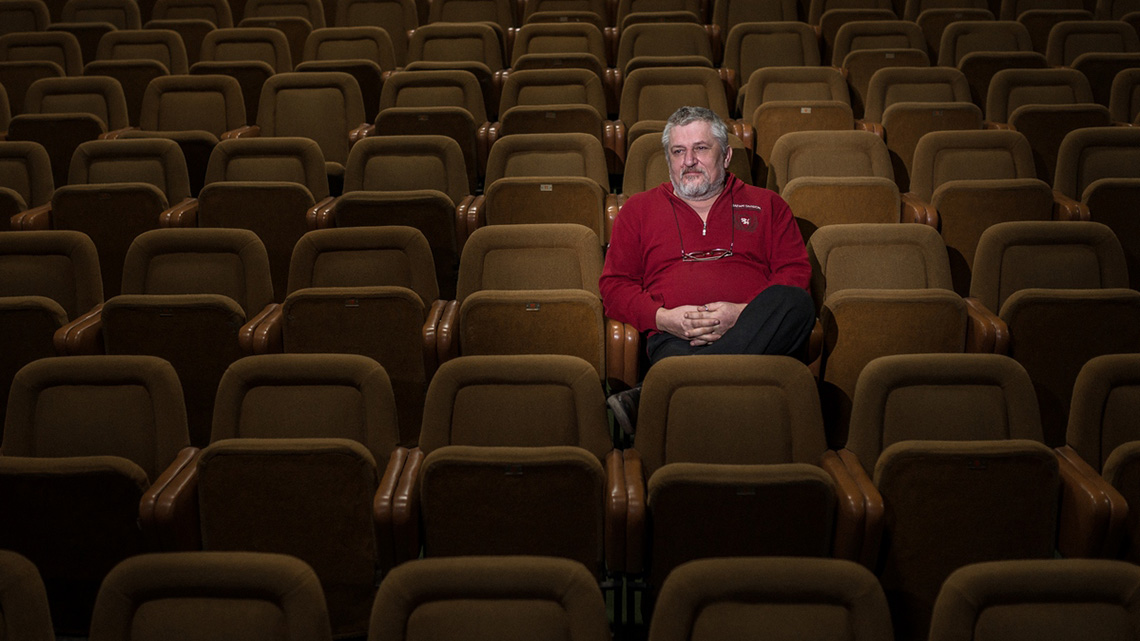
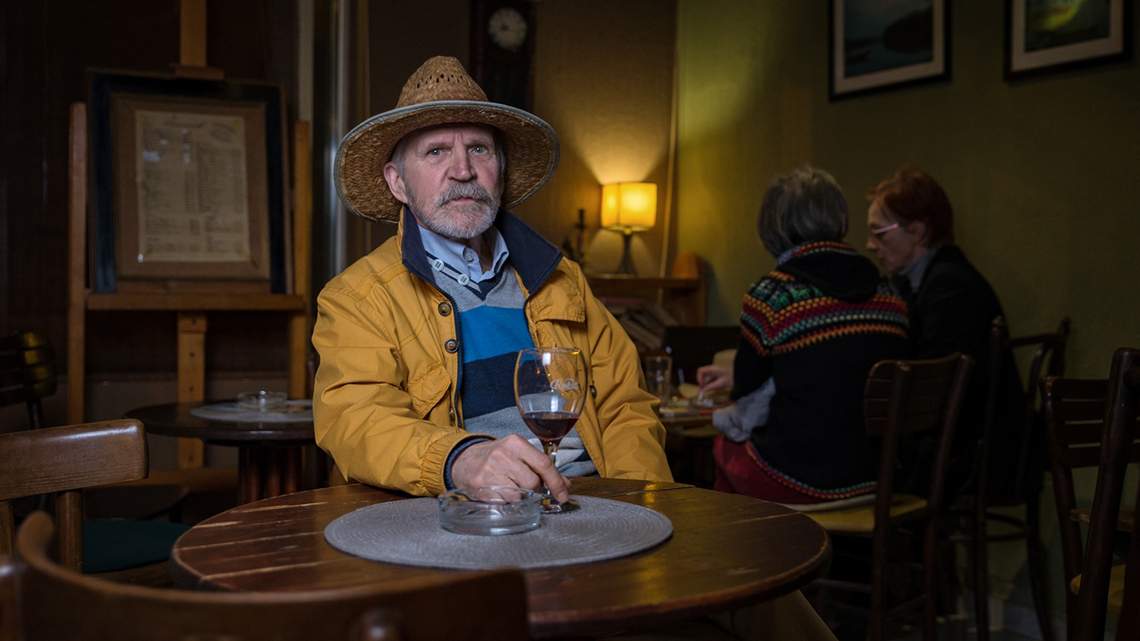
The stage — the “boards that mean the world” — has been a lifelong inspiration for Saša Milenković, an actor, director, and passionate theater devotee who has dedicated his life to the art of performance.
Born in 1963, Saša stepped onto the theatrical scene in 1978 and has remained actively involved ever since, contributing immensely to the cultural and artistic life of Novi Bečej and beyond.
Breathe life into the forgotten stories of Novi Bečej through our rich collection of articles dedicated to people and events from the past. Travel through the ages, exploring the colorful array of historical moments that shaped our city.
Share this page on social media
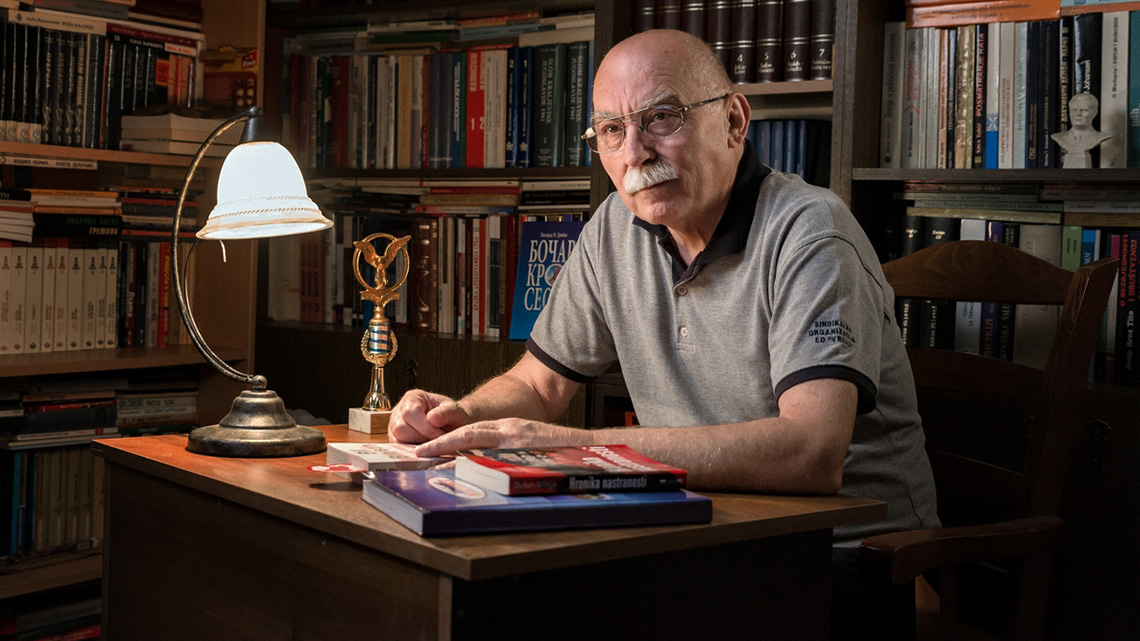
Responsibility, ambition, and dedication marked the life and career of Dr. Milorad Drobac, Doctor of Economic Sciences.
He was born on February 11, 1948, in Bočar, where he completed elementary school as the top student of his class.

Karolj Andre
Personalities and Events: The Past of Novi Bečej
Since the great storm of 1931 toppled the slender tower of the Orthodox Church in Novi Bečej, only a few photographs and postcards remain as documents of that never-forgotten, much-talked-about ornament of our church. When a new tower with a wider structure and a considerably shorter height was erected later that same year, the citizens, especially the faithful, did not look upon it with much affection.

Prof. Dr. Aleksandar Kasaš
Personalities and Events: The Past of Novi Bečej
The medieval settlement of Arača is located on the southern shore of Crna Bara, a watercourse within the alluvial plain of the Tisza River, about 13 kilometers east of its riverbed. The name of this settlement, also referred to in sources as Potiska Arača, is associated with the ruins of a basilica and monastery.
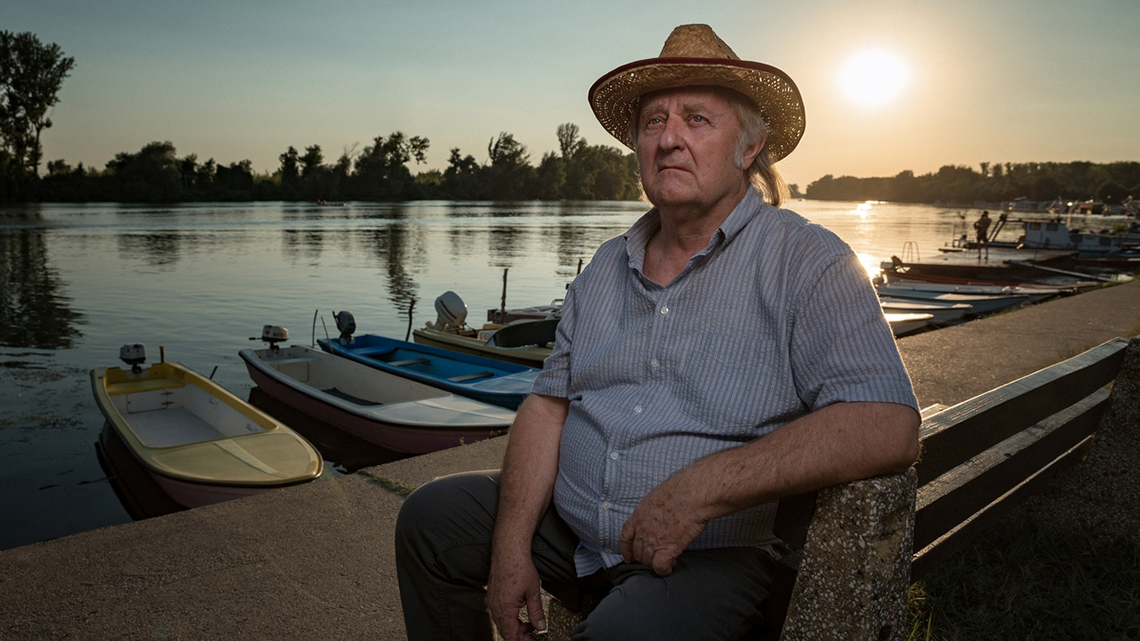
Tivadar Košut, a world-renowned naïve painter, was born in 1947 in Novi Bečej. He inherited his love for painting from his mother, who painted icons. Although his parents wanted him to become a carpenter or a ceramicist, art ultimately became his true calling.

Milivoj S. Popov
Personalities and Events: The Past of Novi Bečej
The name of this worker fighter, a persistent and fiery revolutionary, became widely known among the people of Novi Bečej after he was no longer alive – on the day of his funeral. His life, both as a man and as a revolutionary, was not long: he passed away at the age of twenty-two, in the fifth year of his relentless struggle against injustice, arbitrariness, plunder, and the persecution of the working masses by the Great Serbian bourgeoisie.

Karolj Andre
Personalities and Events: The Past of Novi Bečej
Ivan Jovanović, an only child of Dragomir Jovanović, a merchant, and Zlata Jovanović, née Aranka Stanišić, a teacher, was born in Novi Bečej on February 13, 1928. The Jovanović family house was located in the heart of the town on Žarka Zrenjanina Street, number 1. While his father Dragomir was busy with the family business, Ivan mostly grew up alongside his mother and his aunt Leposava Jovanović, a teacher, who were known not only for their strictness but also for their versatility and fair pedagogical approach toward children.
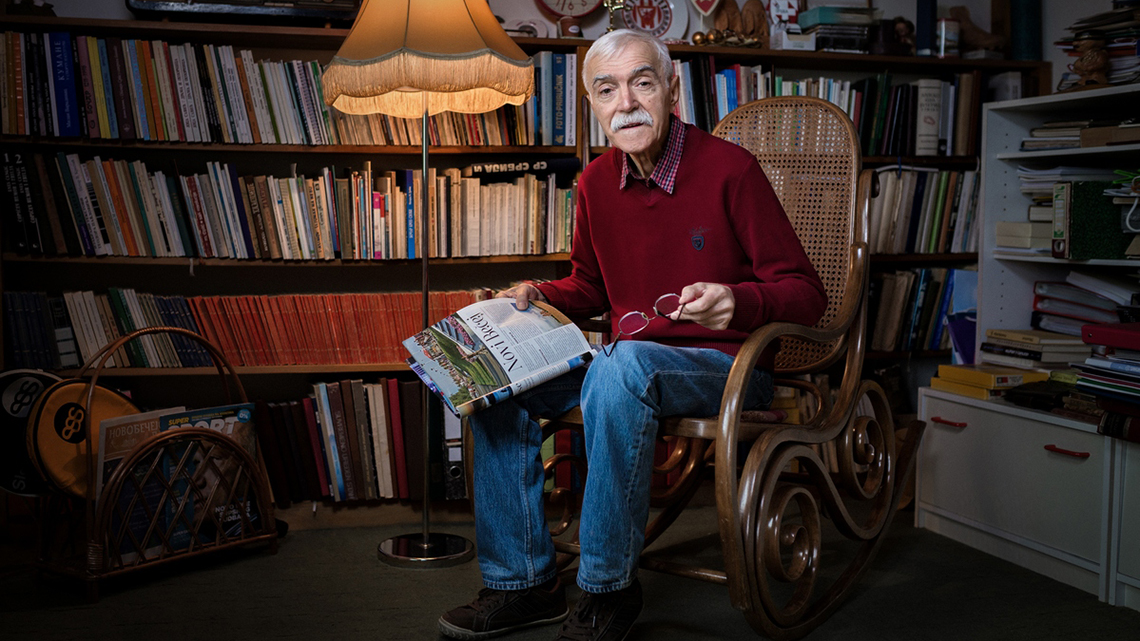
Stevan Davidović was born on October 6, 1949, in Novi Bečej. He completed his primary and secondary education in his hometown, where he also graduated from the local Grammar School. He went on to earn a degree from the Higher Pedagogical School in Zrenjanin, majoring in Serbo-Croatian language and the history of Yugoslav literatures.

Homeland Club
Personalities and Events: The Past of Novi Bečej
In 1995, Novi Bečej thrived despite economic challenges. The town, closely tied to the Tisa River, saw growth in education, culture, tourism, and community initiatives.

Sava Baračkov was born in 1929 in Kumane, Banat, where he completed elementary school. He attended construction and architectural secondary schools in Novi Bečej, Petrovgrad, and Novi Sad. In 1955, he graduated from the Department of Scenography at the Academy of Applied Arts in Belgrade, under the mentorship of Professor Milenko Šerban.
In the former Novi Bečej maternity hospital, located near the Andre family home, Karolj Andre was born on July 21, 1951 — a future collector and philatelist. He was educated in Novi Bečej, Subotica, and Novi Sad, where he later worked as a laboratory technician.

Sava Stepanov
Personalities and Events: The Past of Novi Bečej
Janos Mesaros entered the stage of naïve art in the early 1960s. As a young and talented painter, he became a member of the group of naïve artists “Selo” founded in Novi Bečej by Dragiša Bunjevački. Alongside Bunjevački, one of the most remarkable representatives of naïve art in Serbia, the group also included Milica and Milivoj Mirić, Svetozar Kiselički, Tivadar Košut, and Janos Mesaros.
Članaka
0
Articles