



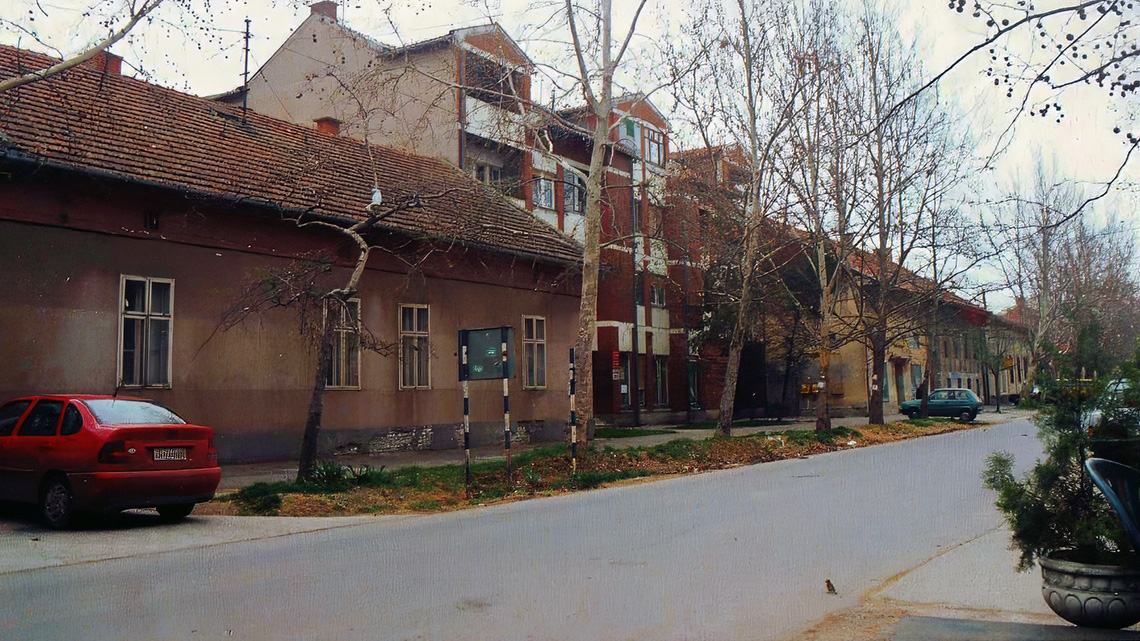
"Photography as such falls into the category of applied arts, and photographers were officially considered artists rather than craftsmen until 1902, so they are not found in the lists of registered craftsmen until then."4 For these reasons, it is much more difficult to determine how many photographers were active before 1902 and who they were, and especially during which period they carried out their artistic mission.
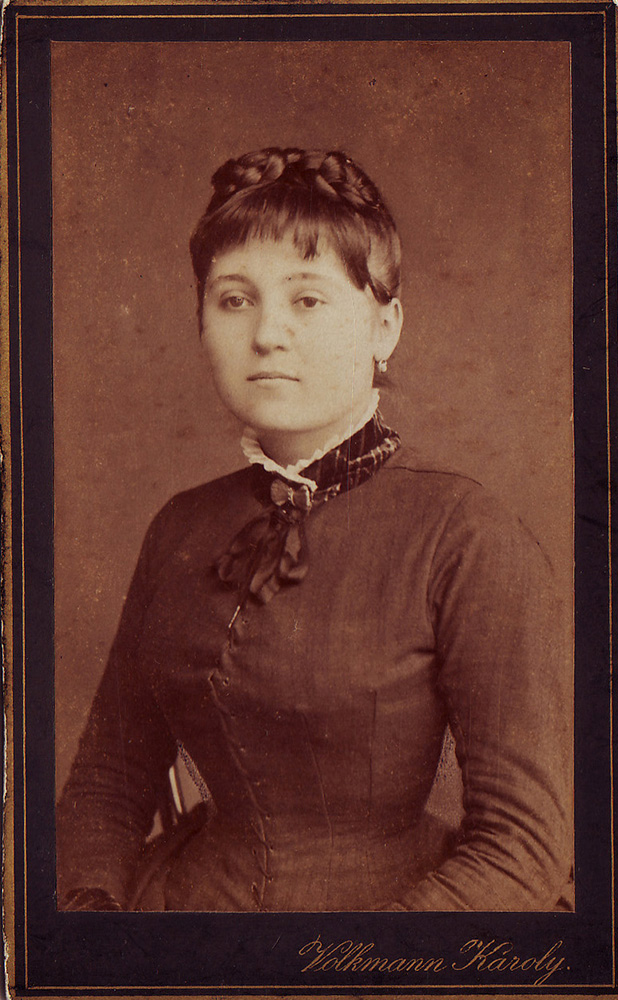 According to current knowledge, Karolj Folkman (Volkmann Károly) can be considered the first photographer in Turski Bečej (the former name for Novi Bečej), and he worked in the second half of the 19th century, having his own permanent studio in our town. Research has revealed that towards the end of the 19th century and in the early years of the 20th century, photographer Karolj Varšanji (Károly Varsányi) was also stationed in Novi Bečej. It later turned out that these two Karolys were actually the same person.
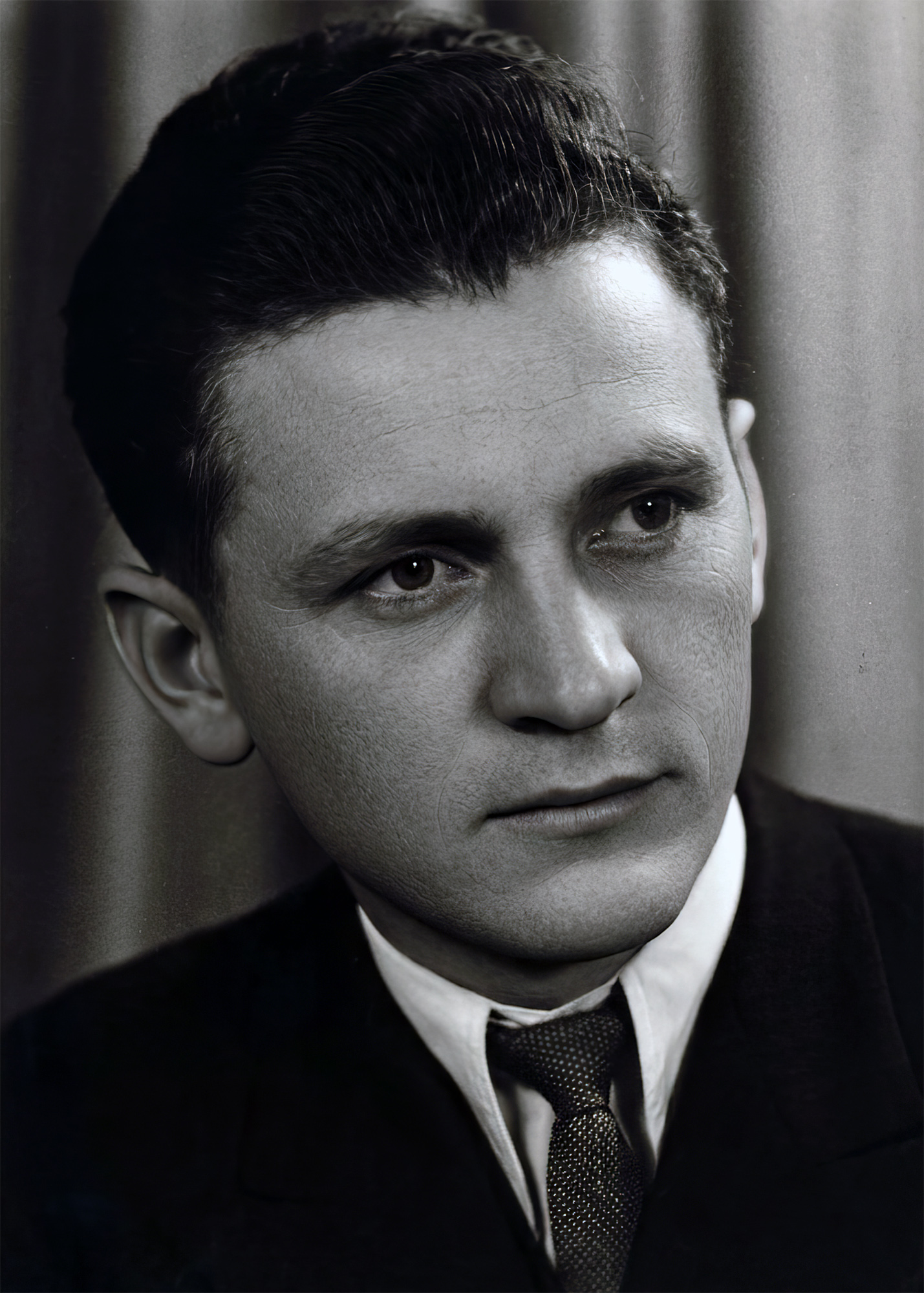
The photographic studio of Konstantin Vukov (1875-1965) operated from 1908 (1910) until the 1960s. The second longest-running studio was that of Geza Sakač (1928-2009), which opened in 1954 and continued until the end of the 20th century. Both studios were located on the main street of Novi Bečej. All changes, as well as all significant events in the town by the Tisa River during the 20th century, were documented thanks to the cameras of Konstantin Vukov and the master photographer PP of E (Professional Photography of Europe) Geza Sakač.
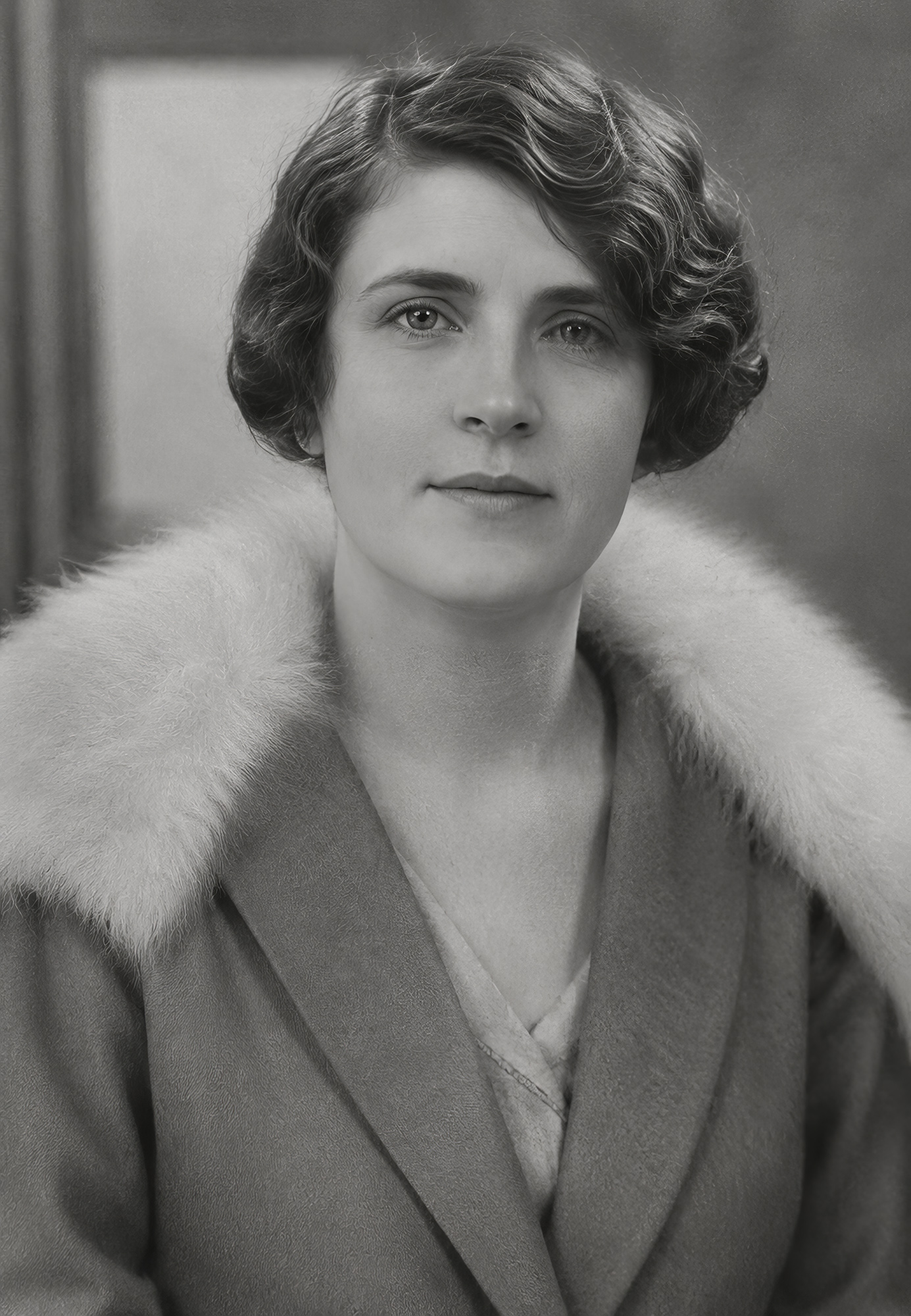
In addition to these, there will be mentions of other photographers who worked during the 20th century, including: Dušan Kiurski, Jožef Kožik, Lajoš Čanji, Foto “Rojal”, Miroslav Tornjanski – Foto “Mira”, Rozalija Tica née Čejtei, Vojislav Reznić – Foto “Šilja”, Mikloš Hever – Foto “Miki”, and Imre Sakač.
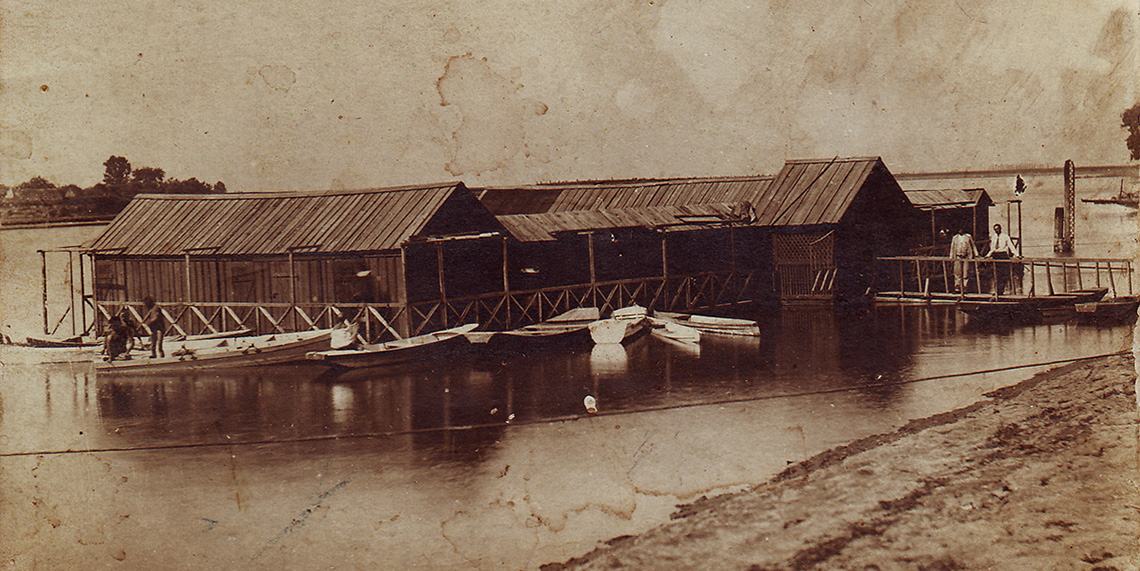 Some of our fellow citizens could afford the luxury of buying a camera and using this technical marvel as early as the beginning of the 20th century, primarily to document various events in their families. Reliable data on camera ownership from that time include the Kostović, Garai, and Nićin families, Dušan Petrović, and later Giga Jovanović, whose photographs we encounter from the early 1920s. Maksa Cigler (Ziegler), a merchant, used a camera from the 1930s.
All those who owned cameras, film negatives for development, and photo prints took them to professional photographers. The number of individuals using cameras increased sharply after World War II, especially with the opening of photography sections at the city level and in schools."
4 "The Beginnings of Photography in Vojvodina," Ferenc Nemet.
Comments