



The end of the occupation and the liberation found the protagonists of this monograph in various places and roles. S. Kiurski and B. Kiselički continued their studies, D. Tolmačev became the head of the Novi Bečej police, and V. Nićin became a socio-political worker.
R. Ivanić, D. Ivanić, A. Marčić, Rackan and others went to the Srem Front to drive the hated enemy from our territory and free the country. Braša served in the Air Force, and after the Srem Front he was transferred to Skopje, where he remained until the autumn of 1948. Duša served in the artillery, fell ill with typhoid fever on the front, and after recovery was temporarily demobilized. Marčić and Rackan became army officers.
At that time, Tito was fighting for power – and he won. The king was forbidden to return to the country, and the Democratic Federative Yugoslavia was established. Croats and Slovenes received everything they demanded, while Serbia was left without Macedonia, Slavonia, and Baranja. To prevent the revival of Serbian nationalism, Tito divided the remaining part into three regions, strictly controlled by his communists. The country was devastated and ruined, and the process of rebuilding began.
The first projects were the construction of railways – naturally, in Bosnia. Then came the steelworks, again in Bosnia and Slovenia, followed by new industries: “Litostroj” in Ljubljana and “TAM” in Maribor. After that came the roads: the “Brotherhood and Unity” highway, which reached only Niš, and the “Adriatic Highway,” which went as far as Montenegro, although both were originally planned to extend to Skopje.
Under such social and political conditions, sport was encouraged mainly as entertainment for the people, as a means of keeping youth under control, and as a propaganda tool of Yugoslavia. In a war-torn and impoverished country, there were no resources for the mass development of sport, which can only thrive in good material conditions. Therefore, only elite sports were promoted for propaganda purposes, while “physical culture” was introduced as a form of mass physical exercise. For that purpose, the Sports and Technical Society “Partizan” (STV “Partizan”) was founded.
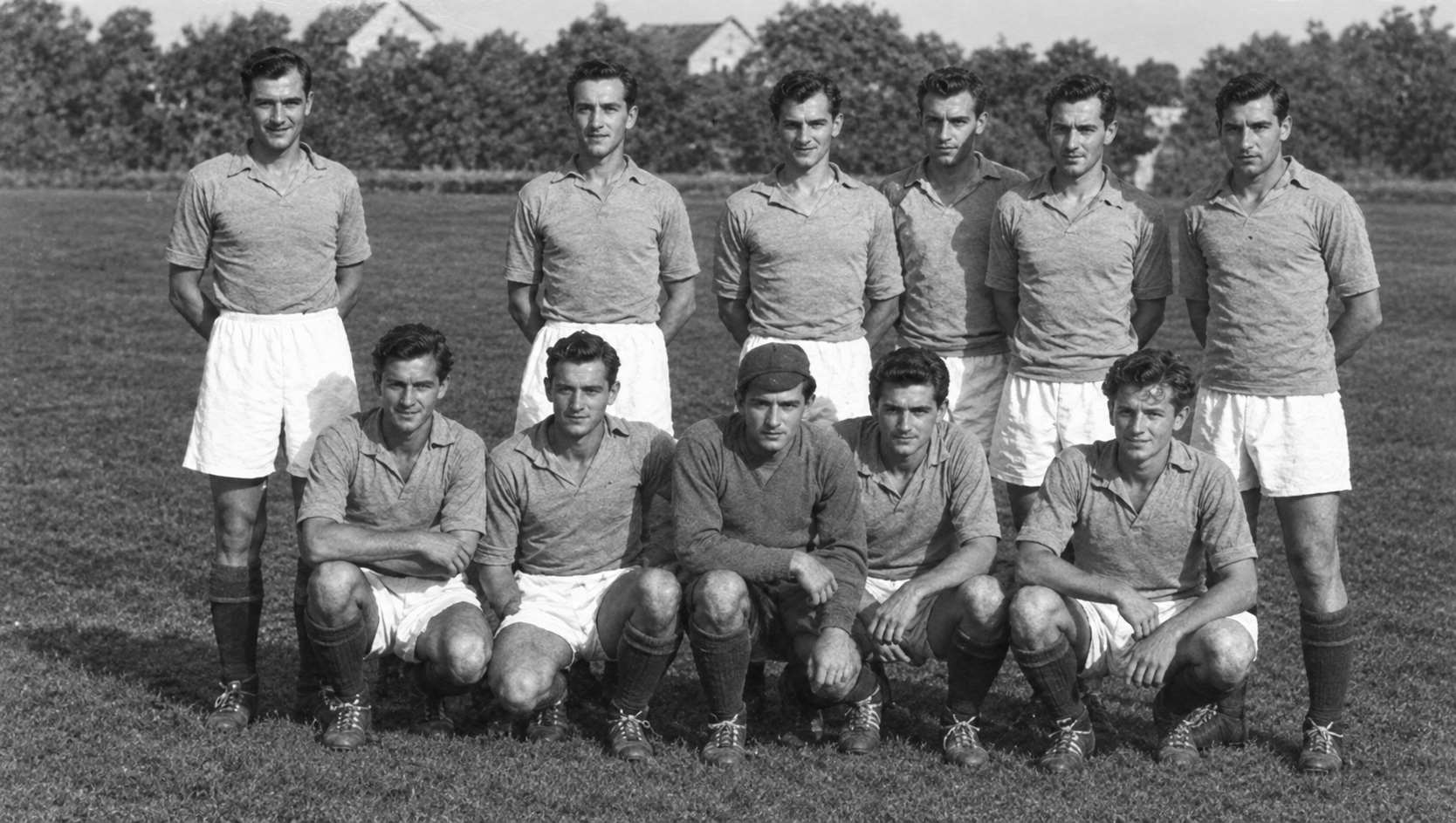
Novi Bečej lived in the same rhythm as the rest of the country. The football club “Jedinstvo” was established, and STV “Partizan” began its activities. For the time being, that was a satisfactory beginning. The football club operated in the Gradište area, while STV “Partizan” was based in the former Sokolski Dom (Sokol Hall).
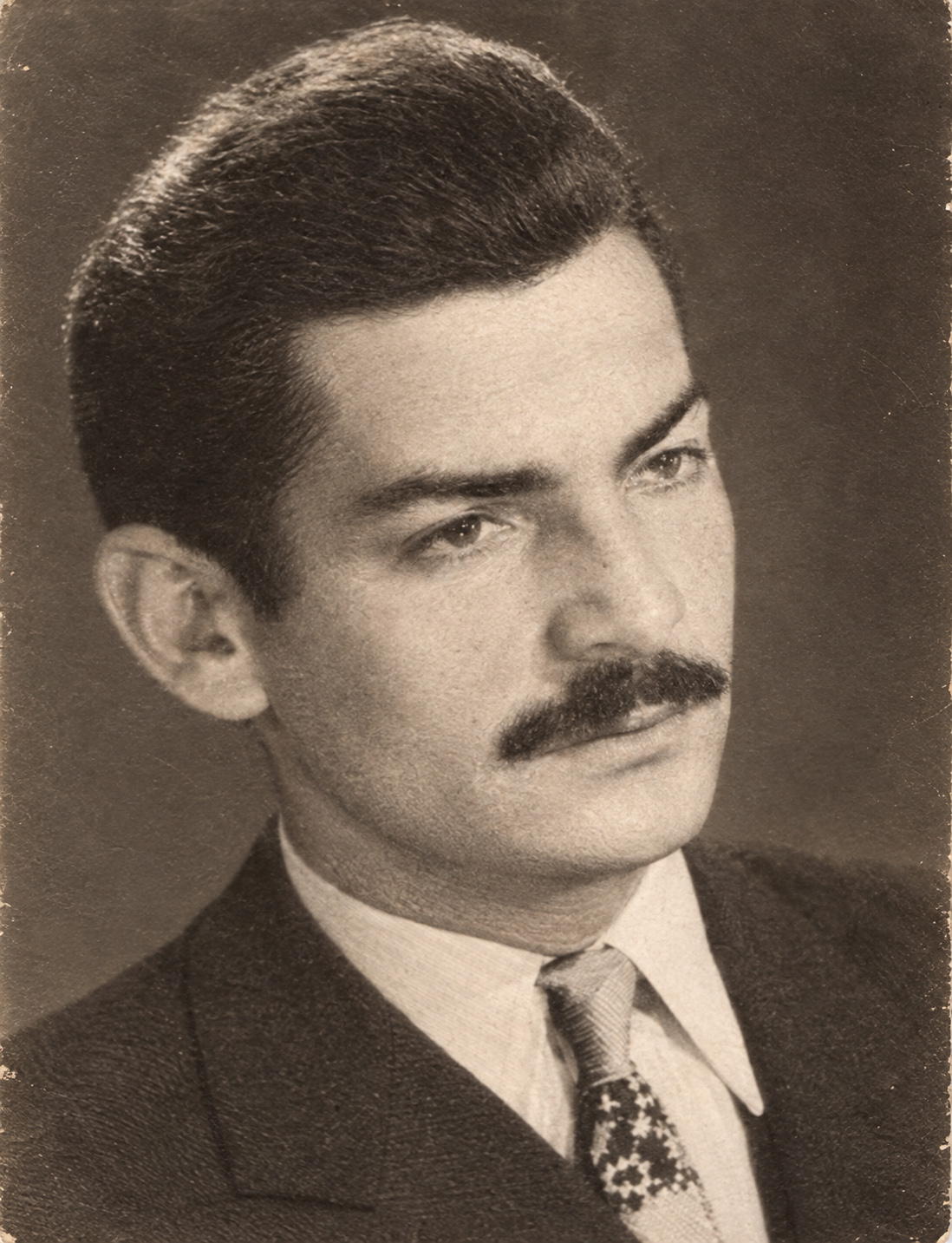
By profession, Duša was a craftsman and merchant. After the war, he chose to continue as a tradesman, but in his free time, he volunteered as a coach and instructor at STV “Partizan.” He led gymnastics, apparatus, and volleyball sections, and organized and took part in rallies and competitions for the ZREN badge. Occasionally, he received help from Mr. Jakšić, an old member of the Sokol movement.
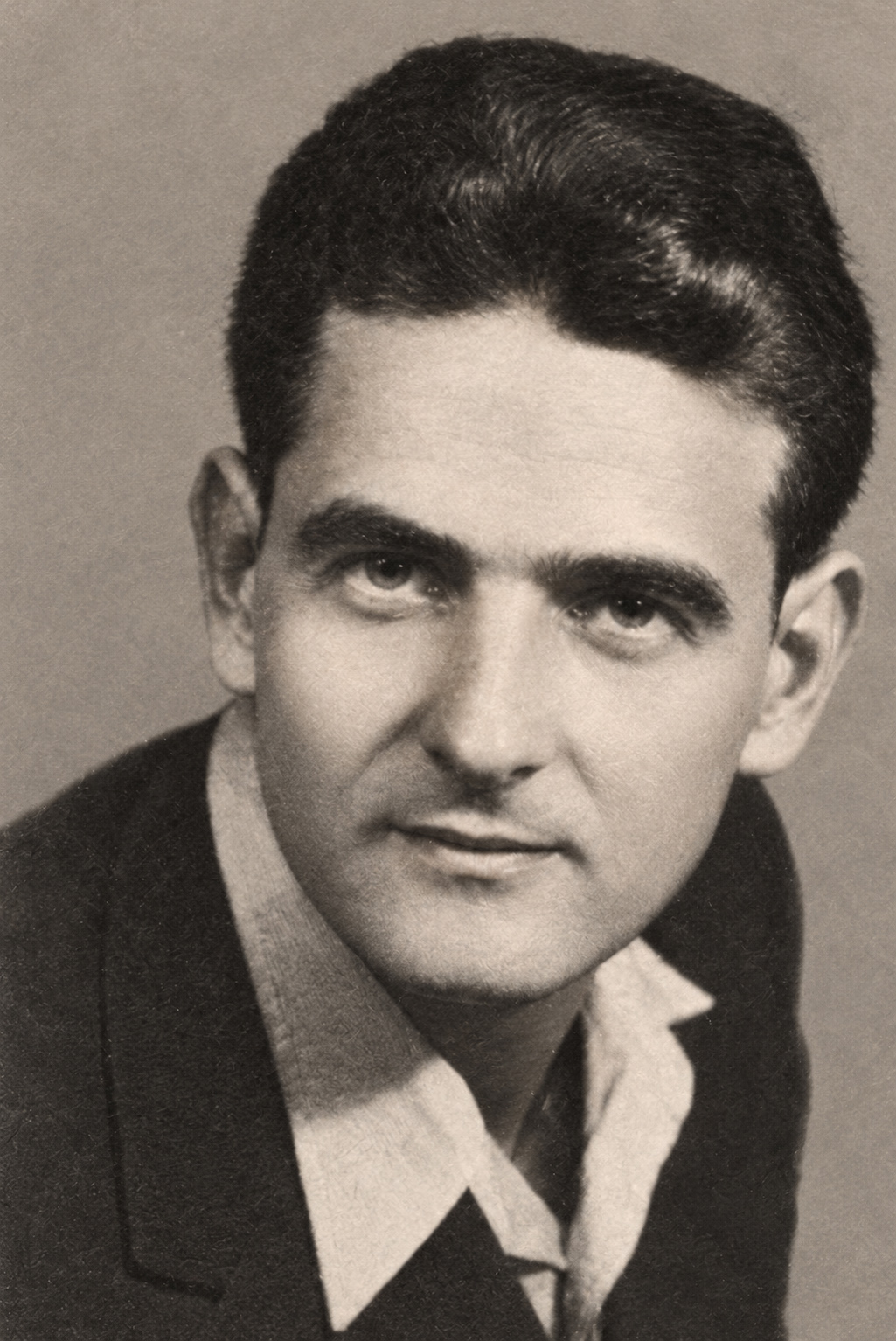
After four years of military service in the Yugoslav Army, Braša returned home in the autumn of 1948. He immediately joined the football club’s training sessions and played successfully for a time. Soon after, he was offered to teach physical education at the elementary school, which he accepted. Not long after that, he went to Belgrade for a one-year training course, where he earned the title of qualified physical education instructor.
By the summer of 1949, Braša had already started teaching swimming to non-swimmers and gathering enthusiasts of swimming and water polo. That same summer, he formed a swimming section within the Sports Club “Jedinstvo” and organized the first postwar swimming competition. It was held in Senta, at the time the only open-air pool in Vojvodina built according to all regulations (33 meters long). In the swimming program, the only victory for “Jedinstvo” was achieved by S. Ivanić in the 100-meter butterfly event. The water polo match ended disastrously for “Jedinstvo,” with Senta winning 9–1. In later conversations, the Novi Bečej players consoled themselves with the fact that their goalkeeper, S. Ivanić, managed to save a penalty.
This event was far more significant for its organization and realization than for the results themselves. The story unfolded as follows: early in the morning, the team boarded the barge “Grgeč,” a towboat that, according to navigation regulations, pulled a large boat behind it. The voyage to Senta lasted until early afternoon, filled with incidents and humorous moments that were retold for years afterward. Upon arrival, the competitors walked to the pool, competed without any warm-up, and immediately after the competition embarked again for the return trip. Shortly after midnight, they arrived safely back in Novi Bečej. The event was sensational and unforgettable — one that participants recalled for decades and remembered for the rest of their lives.
Comments