



During the occupation, children and young people in Novi Bečej spent most of their summer engaged in swimming, as this sport required no special conditions, equipment, or facilities. Water polo was played only as a casual water game, provided there was a ball available — there were no real conditions for anything more serious.
Those who wanted to practice swimming more seriously gathered at the “Kućica,” where the town’s most popular swimmer, Stevan Kiurski, led the training sessions. The swimming “track” stretched from the “Kućica” upstream to the “Grad,” and then downstream back, sometimes all the way to the ferry crossing. The coach adjusted distances and pace according to each swimmer’s ability. The training consisted mainly of steady-pace swimming over long distances; sprint swimming was not included.
After completing their swimming distances, participants practiced passing and shooting the ball using water polo techniques until 1943, when the first goals were built. From that time on, in addition to ball passing, training included goalkeeping and shooting. Games were played using only one goal. Water polo practice was reserved for adults, while children and girls focused on swimming starts and dive techniques. Training sessions were held daily whenever the weather was nice.
Due to the lack of swimming pools, fields, and proper equipment, there were no formal competitions. Nevertheless, the desire to learn and progress was strong, and swimmers found creative ways to train. For instance, to practice starts and turns, a large stone was placed in the water to serve as an improvised starting block. While not ideal for turns, it allowed young swimmers to practice diligently.
As the occupation limited all opportunities for youth to express themselves, they found new ways to do so — especially through diving. Before the war, dives were performed from water carriers, rafts, boats, barges, and ships, but once the occupation began, the Tisa River became a border zone, and all river traffic stopped. Boats and platforms were removed from the riverbanks.
Determined to keep their spirit alive, young men built a diving platform made of packed earth, about a meter and a half high, near the “Kućica.” From it, they performed their daring jumps into the water. The repertoire was not large but was very attractive — including the “swallow” (dive), “fold,” and forward somersault. Backward dives were impossible due to limited space. The best divers were Dušan Ivanić (the unofficial champion of Novi Bečej), Bora Kečkeš, Rackan, and Aleksandar Marčić.
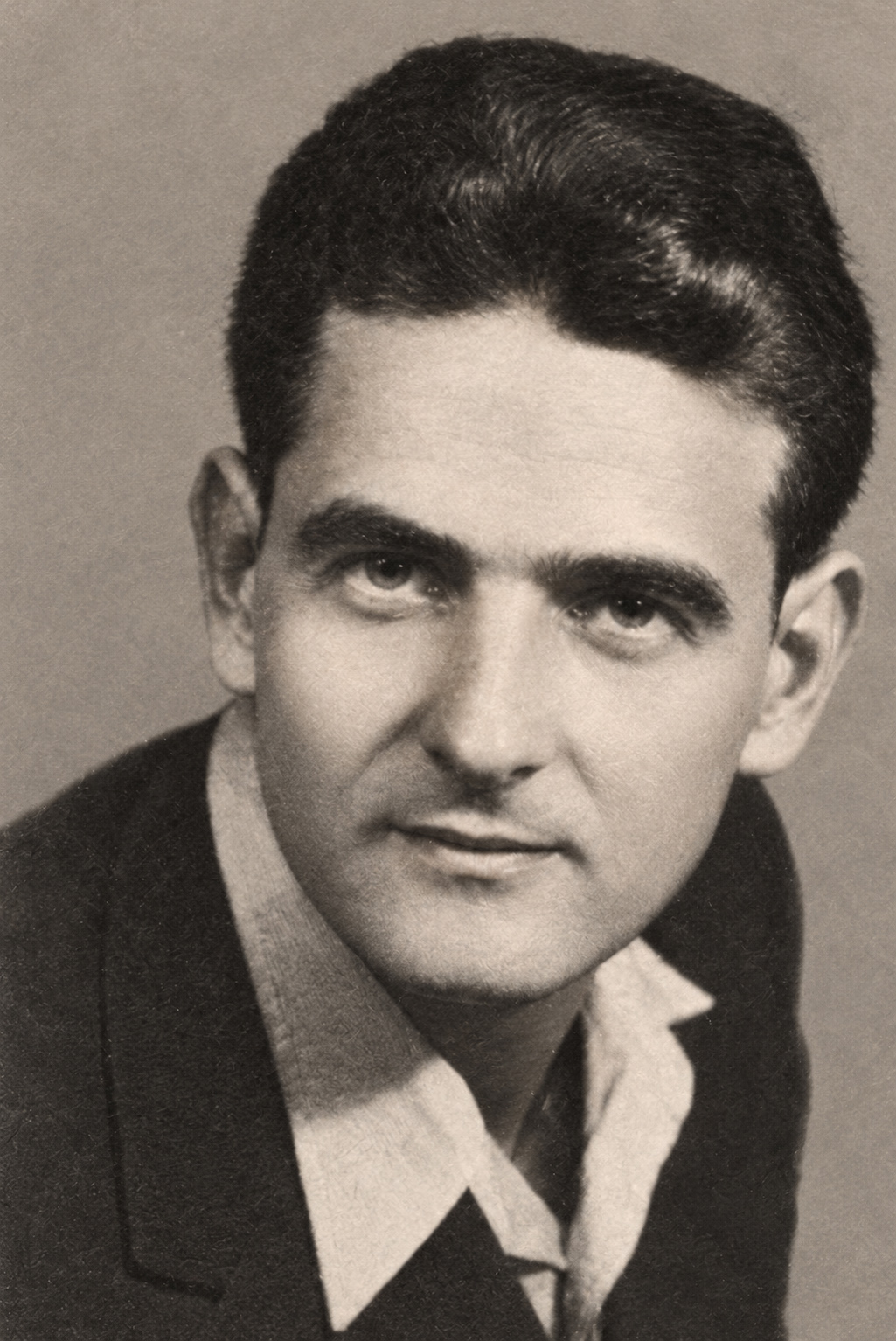
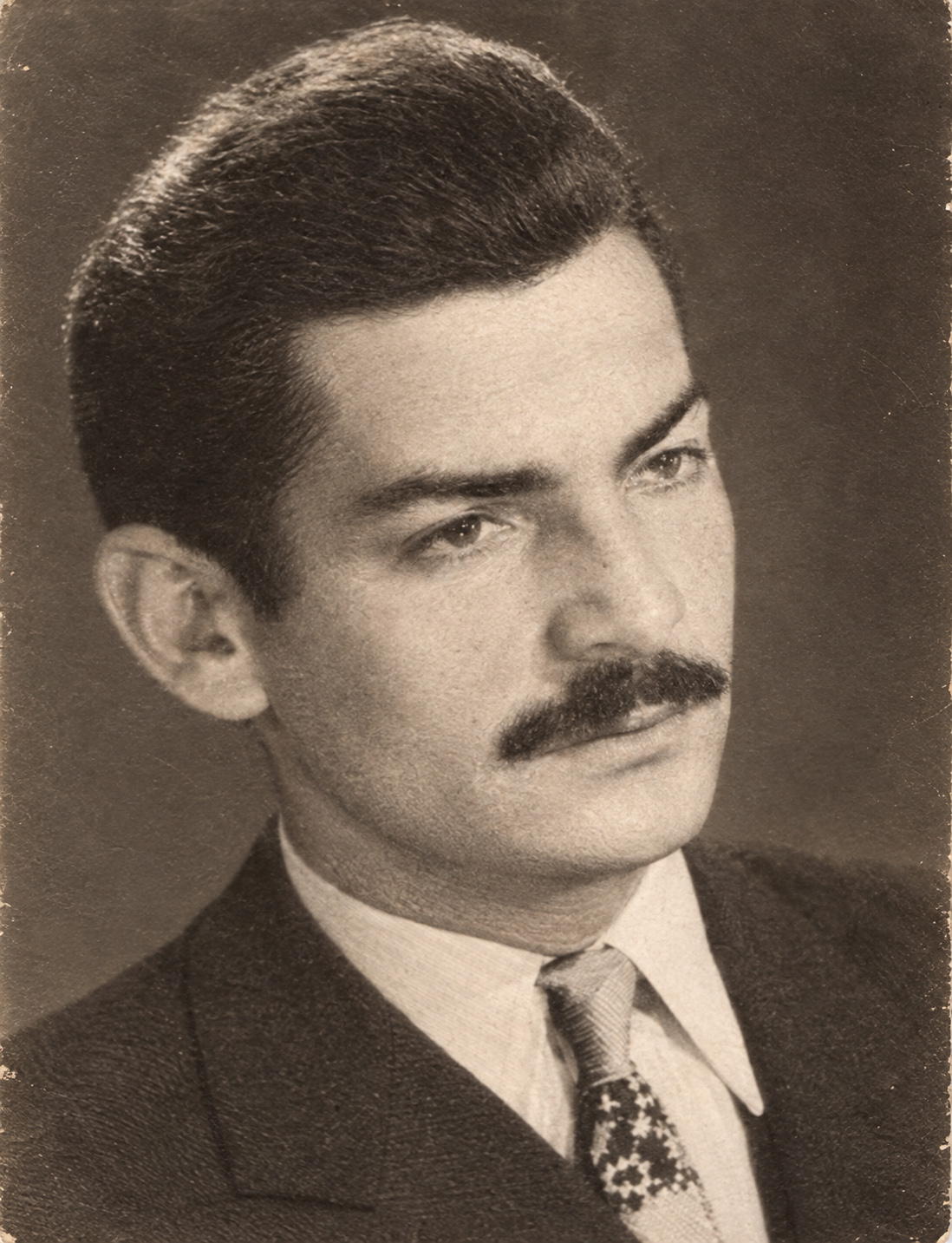
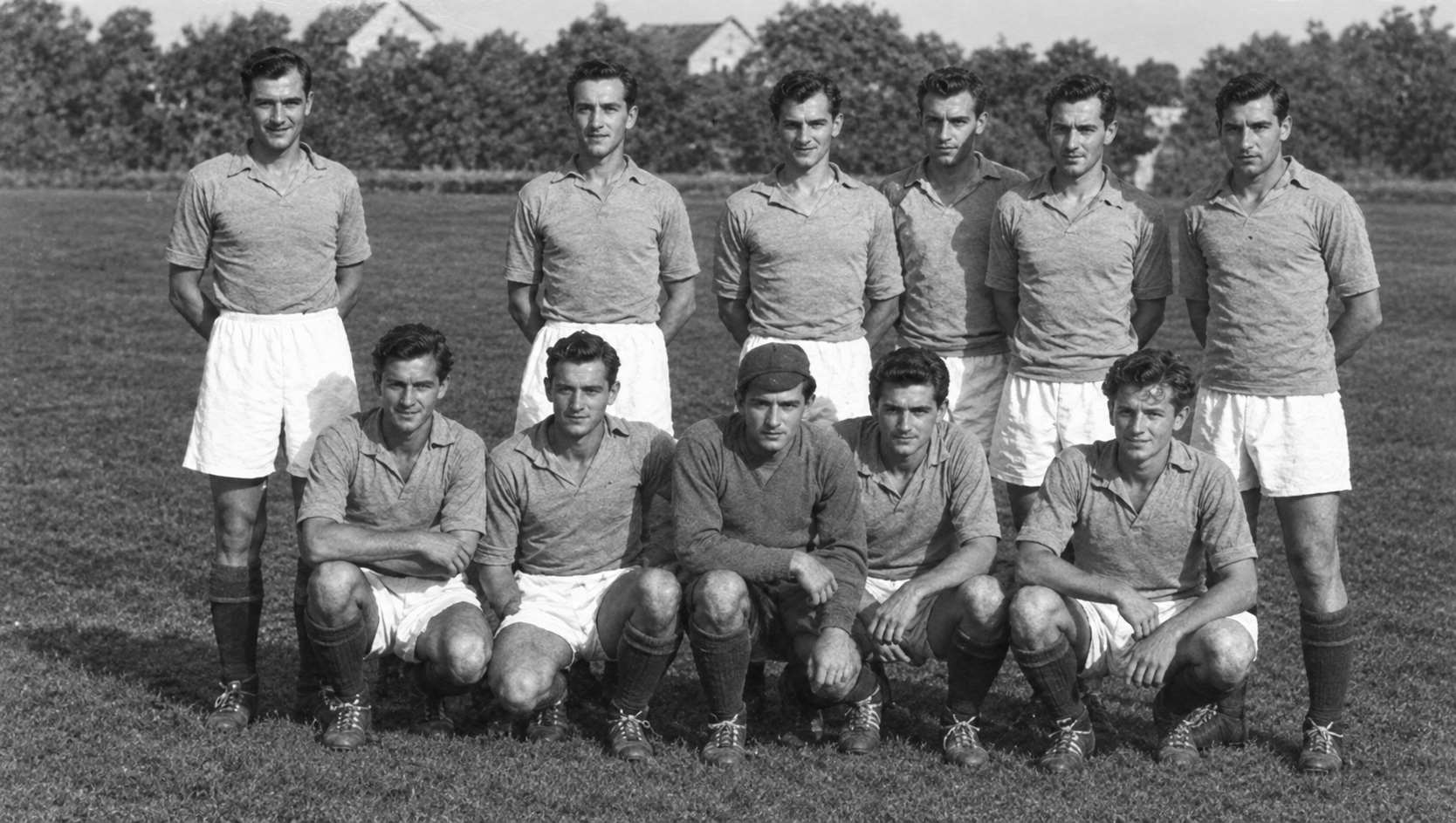
The historical importance of this period and its photographs can be seen in several ways. First, they testify to the popularity and mass participation in these sports — the photos show only about half of those who took part. The most notable figure among them was Bora Kovačević – Trca, the true heart and soul of sports life in Novi Bečej during the occupation. Although passionate about football, he supported all sports activities in the town. When his son was born, he immediately bought him full football gear, yet the boy eventually became a prominent Novi Bečej water polo player.
Another significant figure was Laza Mečkić, who was an underground resistance member during the war and later became an important political figure, serving among other roles as Yugoslavia’s ambassador to Budapest. He was a great admirer and supporter of sports and the author of several key works about Novi Bečej. His son, Ljubiša Mečkić, went on to become a world-renowned water polo coach.
The diving platform near the “Kućica” was built every summer, a seasonal structure that local youth diligently renewed year after year — preserving the spirit of community, perseverance, and love for sport even in the most difficult of times.
Comments