



To conclude Paulina's academic and overall period in Belgrade, it should be mentioned her drawings, although they were often an integral part of her preparatory process for some act. However, as a separate artistic work, Paulina also paid great attention to them.
 She simply loved to draw and was good at it. Her French language school notebooks, for example, were filled with various drawings as well as unknown words. Sometimes they were barely scribbled forms of unclear meaning, and sometimes clear and precise colored ornaments. Nevertheless, several preserved sketchbooks represent true intimate visual diaries. There are also interesting sketches and those filled with a combination of pencil and ink. In them, we recognize characters in a tavern environment, cityscapes, occasional acts, inhabitants of the mentioned cities and settlements she stayed in (Belgrade, Skopje, Čerević). The drawings of her students are particularly interesting, both those in sketchbooks and separate works, where Paulina sketches her students. These are currently the only traces that speak of her pedagogical work after completing the Academy. As we look at them, we imagine a young art education teacher observing her students in class, perhaps unaware that they have become the subject of observation and interest, and then the subject of quick sketches. We might say that she dedicates no more time to drawings with more demanding themes, such as those In the Tavern or Funeral, but it is here that we become aware of Paulina's skill to capture an authentic atmosphere with a limited number of strokes, whether it's an interior or exterior scene.
In the mentioned student drawing (NMZR, inv. no. 532), in the upper right corner, there is a signature indicating that it was created on June 13, 1940, in Skopje. Along with some others from a sketchbook with identical dating, we can assume that at that time, probably briefly, Paulina worked in Skopje as a teacher, indicating that she must have completed the Academy by then.
However, Paulina Sudarski's first job as a teacher was at the Cetinje Gymnasium, where she is listed as a "temporary craft teacher" for the 1940/41 school year. She is not mentioned among the teaching staff in the year before or after.
After the April bombing of Belgrade, in 1941, the impending war was felt in Montenegro as well. Preparations for the uprising, which would occur on July 13, began in May. Classes at the Cetinje Gymnasium were interrupted as early as March 31, 1941, and it is likely that Paulina, upon leaving the teaching profession, participated in this preparatory process. By that time, she was already the wife of the well-known activist Blažo Đuričić, so this fact and the decision to be with her husband probably contributed to her entry into the war. The 1941/42 school year began on November 17, despite the escalating war, but Paulina's name is no longer among the teachers of the Cetinje Gymnasium.
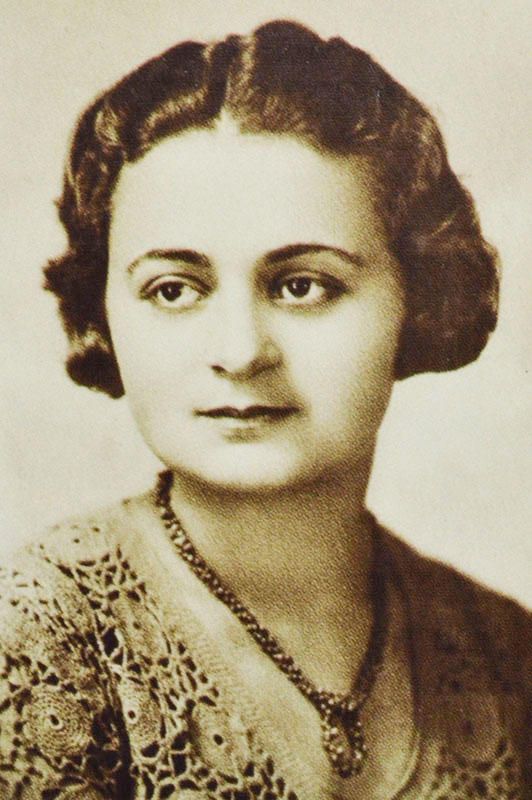
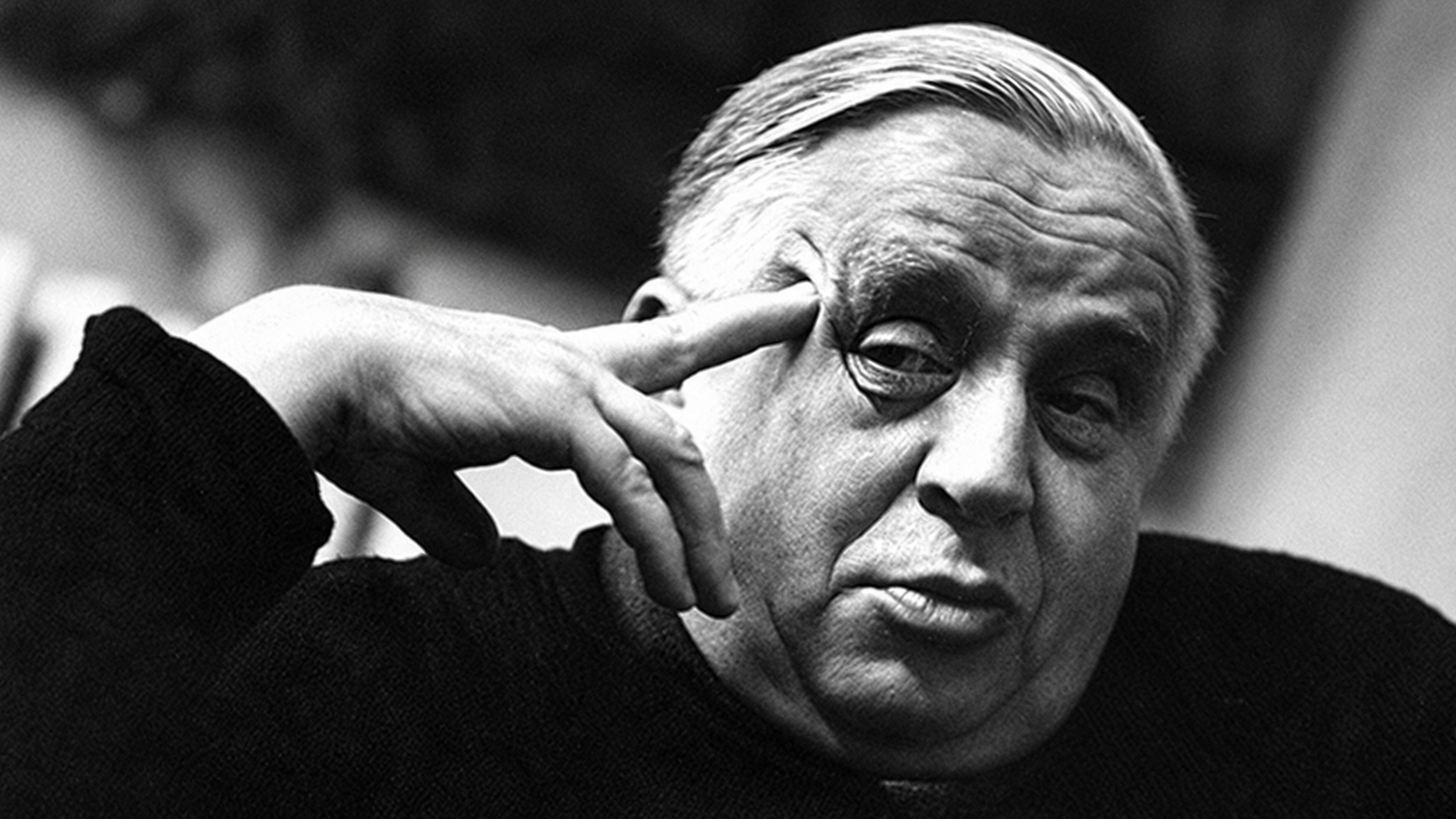
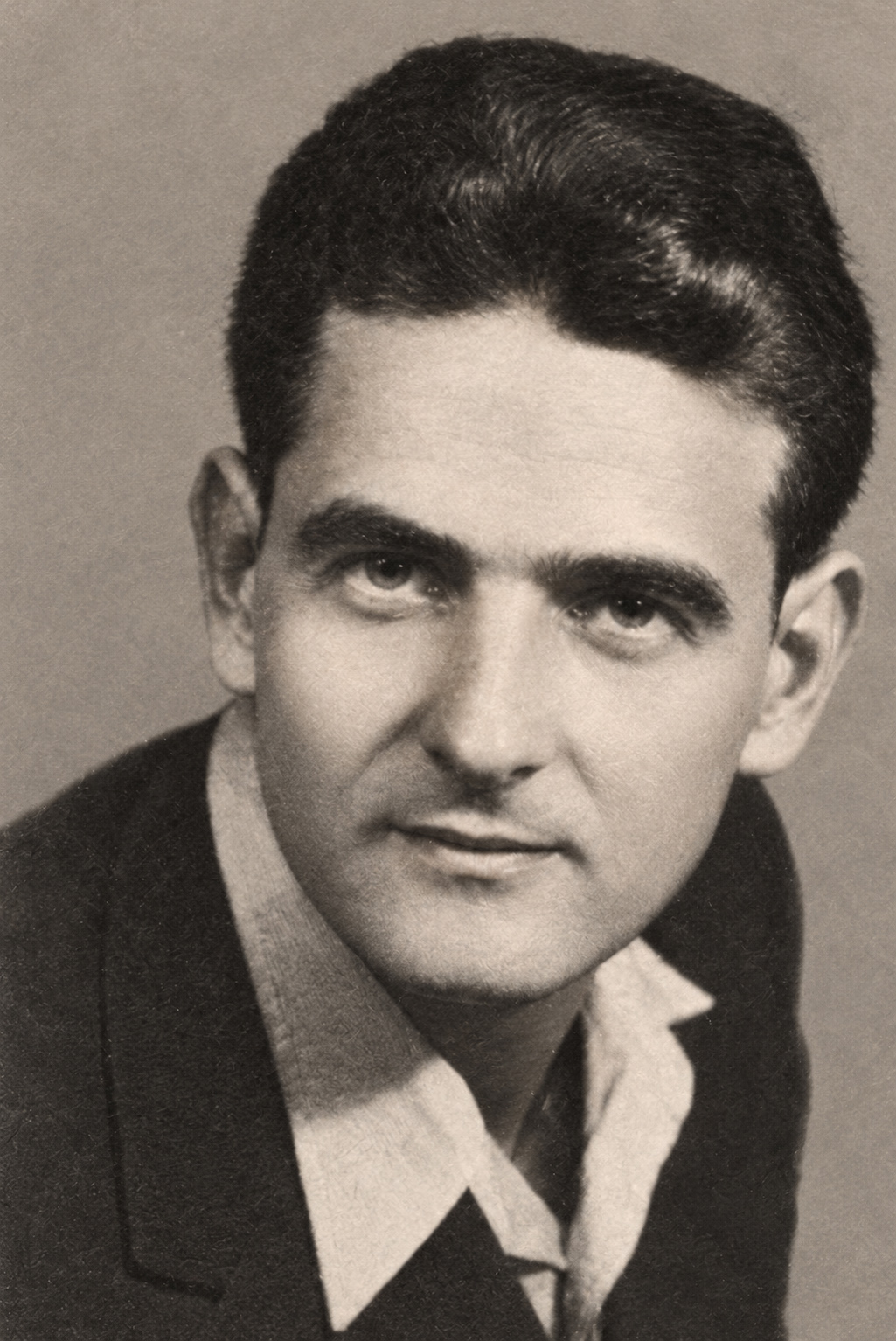
Paulina and Blažo probably met in Belgrade during their student days. They were the same age (1914), with Blažo being a robust Herzegovinian by origin, born in Pueblo, Colorado, USA. Blažo's father, Aleksa, settled there in 1910, and upon returning from America, he entered World War I, where he perished, just like Paulina's father Relja. Blažo completed elementary school and gymnasium in Nikšić, and in 1934, he enrolled in the Faculty of Agriculture in Zemun, which he finished five years later, earning a degree in agronomy engineering. During his studies, he was active in the student movements, associating with young Belgrade communists. Meanwhile, Paulina was collaborating with the progressive magazine "Žena danas," and it is possible that their mutual social engagement brought them together before the impending war, leading them to go to Cetinje together. Paulina accepted a job at the local gymnasium, while Blažo worked as an assistant secretary of the Agricultural Chamber. She left her job in March, and he a month later. Probably both of them then actively participated in the preparations for the uprising, and upon its outbreak, they were among the first to join the partisans in Durmitor. However, there is no data suggesting they were always in the same position or unit during the war. In fact, Paulina's name is nowhere to be found in Blažo's biography, not even that he was married to a young painter. We know he was among the prominent leaders of the People's Liberation Movement in Montenegro and Herzegovina, and upon liberation, his career as an engaged politician continued. He served as a minister in the Government of Bosnia and Herzegovina, then as vice-president of the Executive Council of Bosnia and Herzegovina, as well as a member of the Central Committee of the League of Communists of Yugoslavia. He was awarded the Partisan Memorial 1941, and he was declared a national hero in 1953. As for Paulina, upon arriving in Durmitor, she was assigned to the Administration of the Partisan Hospital, led by Dr. Sima Milošević and his wife Olga, which was part of the Fifth Montenegrin Brigade. Paulina's movements and activities during the first two years of the war are unknown, but it is assumed she worked as a nurse. In such demanding tasks and difficult conditions, this academic painter hardly found opportunities and possibilities to draw on paper or dip a brush into paint. We doubt she had any of that with her. However, in her preserved opus, there are a couple of works that may have been created then, or a few years earlier, but they seem to anticipate the wartime environment in which Paulina would find herself. These are several watercolor landscapes depicting unknown hilly landscapes with tall trees and scattered houses, such as those seen on the slopes of Tjentište. They lack the dreamy clarity, calmness, and melancholy seen in scenes from Čerević, for example. Equally enigmatic are two very similar watercolors titled Peasants (NMZR, inv. no. 457 and inv. no. 482). The cap worn by the boy in these paintings was indeed worn by men in rural areas regardless of their age, but it was also a recognizable "partisan cap," a characteristic of almost every fighter in World War II, so it is possible that Paulina portrayed such a young man. This entire wartime painting is based on these assumptions.
She did not leave behind portraits of comrades, wounded, children in refugee columns, nor scenes of battles, suffering, and heroic actions of her comrades, as artists like Marijan Detoni, Pivo Karamatijević, Đorđe Andrejević Kun, Antun Augustinčić, Božidar Jakac, Moša Pijade, Edo Murtić, Ismet Mujezinović, and others did, who shared the fate of their people during the war. This fate was also shared by Bora Baruh, Bogdan Šuput, Jurica Ribar - young painters who had just stepped into the world of art, only
to meet their end. All three died during 1942 and 1943, just like Paulina Sudarski. "A generation was decimated in the prime of life when the creative spirit they possessed could have developed even stronger based on the experiences gained until then." (49)
44 Several sketchbooks of Paulina Sudarski are preserved in the Zrenjanin National Museum (from inv. no. 634 to inv. no. 643).
45 The Cetinje Gymnasium Memorial Book 1881-1961, Cetinje, 1962, pp. 11-12. The information was obtained from colleague Ana Ivanović, curator at the National Museum of Montenegro.
46 Biographical data on Blažo Aleksa Đuričić were taken from: National Heroes of Yugoslavia, book A-M, Mladost, Belgrade, 1975, pp. 217-218.
47 Blažo Đuričić died in Sarajevo in 1991. After World War II, he remarried and had two sons from that marriage.
48 These watercolors are owned by Milena Pandurović from Novi Bečej.
49 Vera Jovanović, Bogdan Šuput, Memorial Collection of Pavle Beljanski, Novi Sad, 1984, p. 47.
Comments