
As there was no heritage from the Middle Ages preserved in theatrical arts, the same goes for music. The medieval era in Serbian music couldn't serve as inspiration for the creation of Serbian musical art.
Uncover political events, economic development, and cultural heritage of these Banat towns through richly documented stories. Follow the evolution from the earliest days to the present, delving into the intricate threads of political intrigues, economic transformations, and cultural ascensions.
Share this page on social media
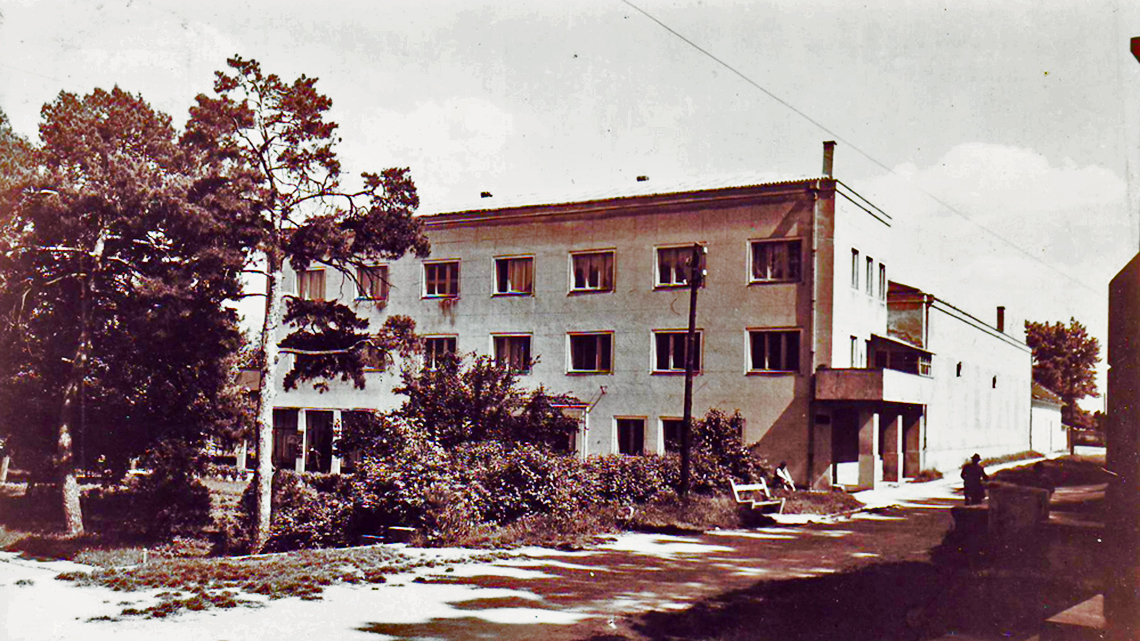
In addition to taverns, theaters, and other performances, entertainment for the residents of Novi Bečej also came in the form of cinema. It seems that in the 1930s, the inhabitants were enthralled by films, as evidenced by the fact that, for example, in 1927, there were even three cinemas in Novi Bečej and Vranjevo.
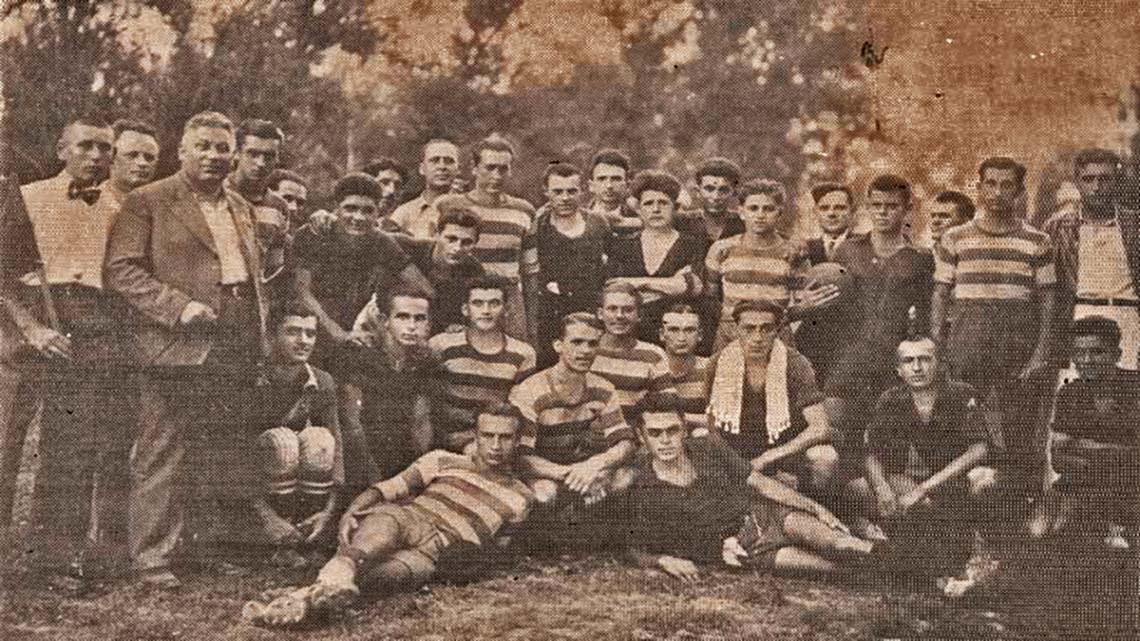
The development of sports in Novi Bečej at the end of the 19th and the beginning of the 20th century
In the second half of the nineteenth century, it was probably a common phenomenon for sports to emerge as a necessity complementing the trends of capitalist economic activity. Riding, hunting, horse racing, and fencing were sports of previous socio-economic formations—feudalism, but they were practiced only by the economically privileged, much like in the era of slavery.
Jovan Knežević-Caca, the founder of the first Serbian theater, was born in Vranjevo on September 26, 1818. His father was Mojsije, a merchant, and his mother was Sofija, a housewife. After completing elementary school in Vranjevo, he went to Kečkemet for further education. There, he completed six grades of the Latin school, which was a decent educational achievement for the time.
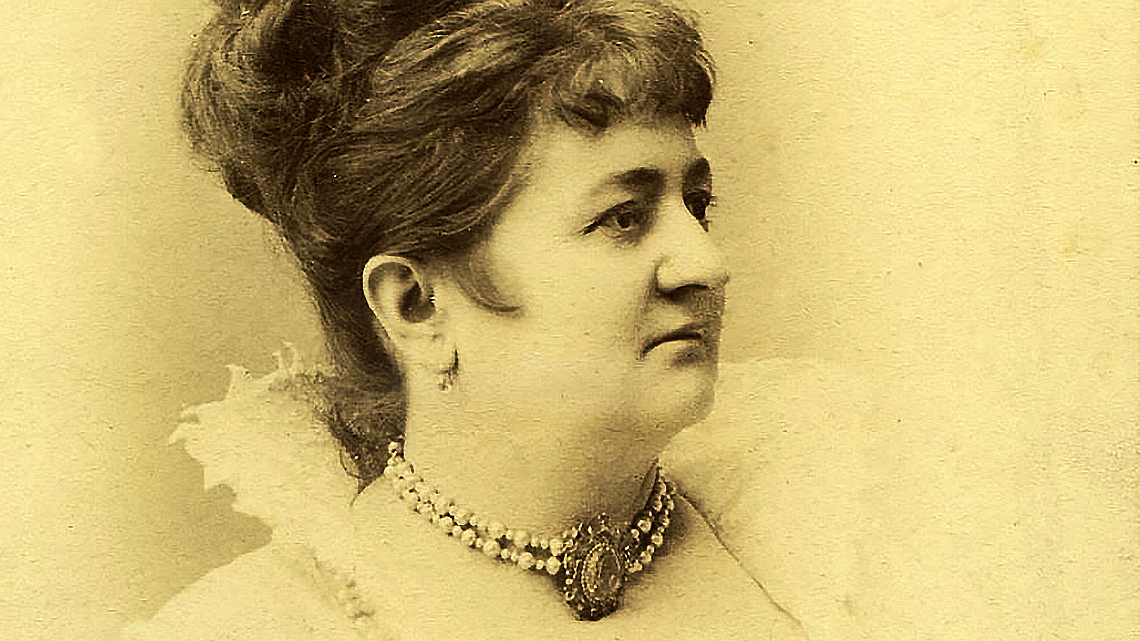
After her father's death, among the first generation of actors of the Serbian National Theatre in Novi Sad, seven children (five daughters and two sons) of the priest Luka Popović from Vranjevo found themselves. Draginja was the first to go in 1860 to Serbian Čanad and joined the local amateur group. Knežević founded the first Serbian theater from this group in October 1860, whose members included actresses such as Draginja and Ljubica Popović, Emilija Rajković, and others. Nevertheless, Draginja is considered the first actress, not only because she stepped onto the stage a few days before these actresses but also because she understood and performed her job professionally from the first day.
Dr. Jene Sentklarai was born on January 21, 1843, in Vranjevo. His father, Naum Nedić, was a grain merchant who, after several business failures, had to abandon trading and spent the rest of his life dealing with estate affairs. His mother, of Hungarian descent, Žofija Salaji, was a housewife from Čantavir. They lived in today's Svetdzara Markovića Street No. 24 in Vranjevo. His baptismal name was Evgenije Nedić.
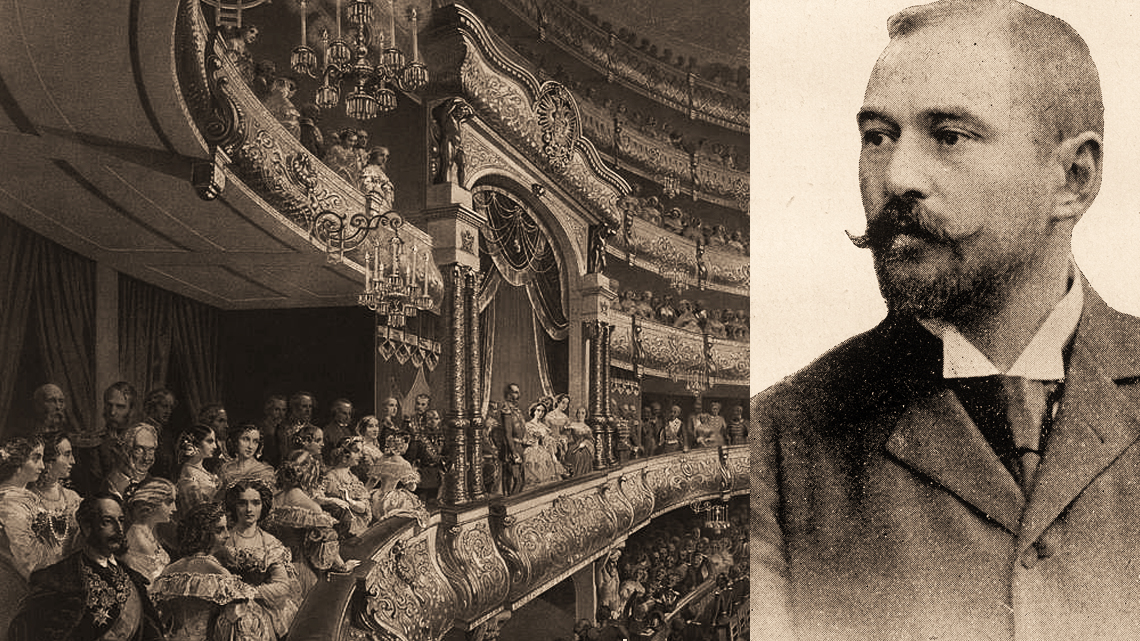
was born in Novi Bečej on May 10, 1847. His father Vasilije was a merchant, and his mother Marija was an Austrian housewife. Their house was located on the corner of Jaša Tomić Street and Revolution Street.
In Novi Bečej, he completed three grades of elementary school, and at just under ten years of age, he moved to Vienna with his parents, where he continued his education. After completing high school (his father wanted Joca to continue his studies and become an architect), Joca, much to his parents' regret, followed in the footsteps of his older brother and became an actor. An opportunity presented itself immediately after finishing high school.
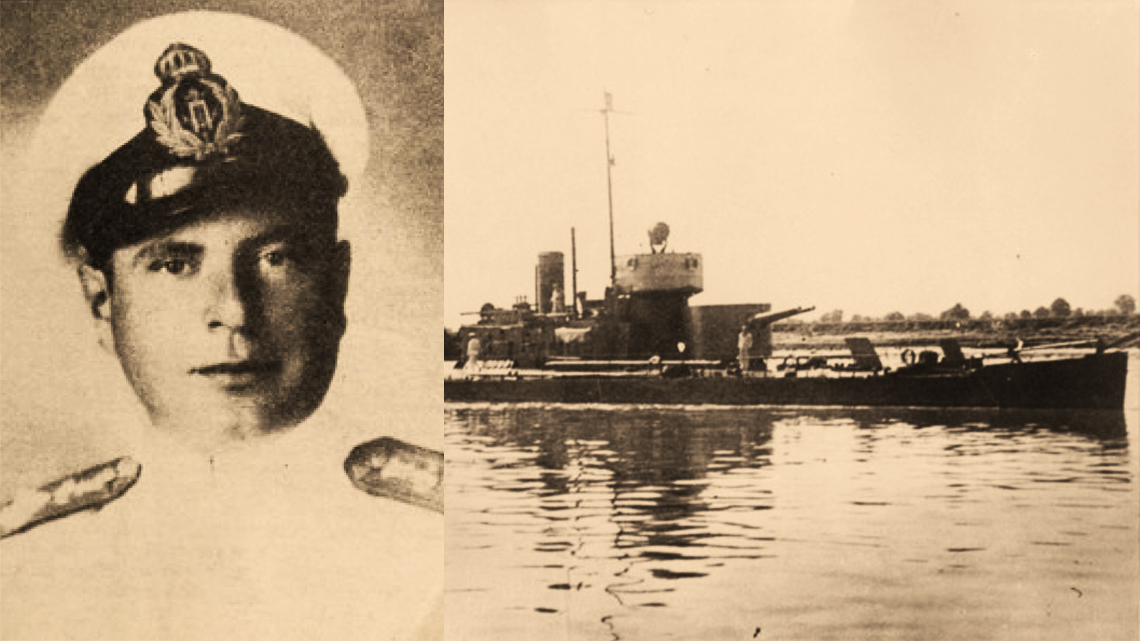
Aleksandar Berić was born on June 13, 1906, in Novi Bečej. His father, Ivan Berić, was an accountant at the Vranjevačka Serbian Savings Bank in Novi Bečej, born in Stari Bečej, while his mother, Draga Dimitrijević, was a housewife from Subotica.
It is interesting to note that at the time of registration in the birth registry (June 13, 1906), the newborn was not given a name, but it was done later on July 1, when the father declared that the child would be named Šandor (Aleksandar).
Aleksandar Berić is among the few commanders in the April War (1941) of old Yugoslavia who did everything in their power to resist the enemy and not surrender anything to them, insisting that everything they conquered must be paid for with great sacrifices in manpower and material.
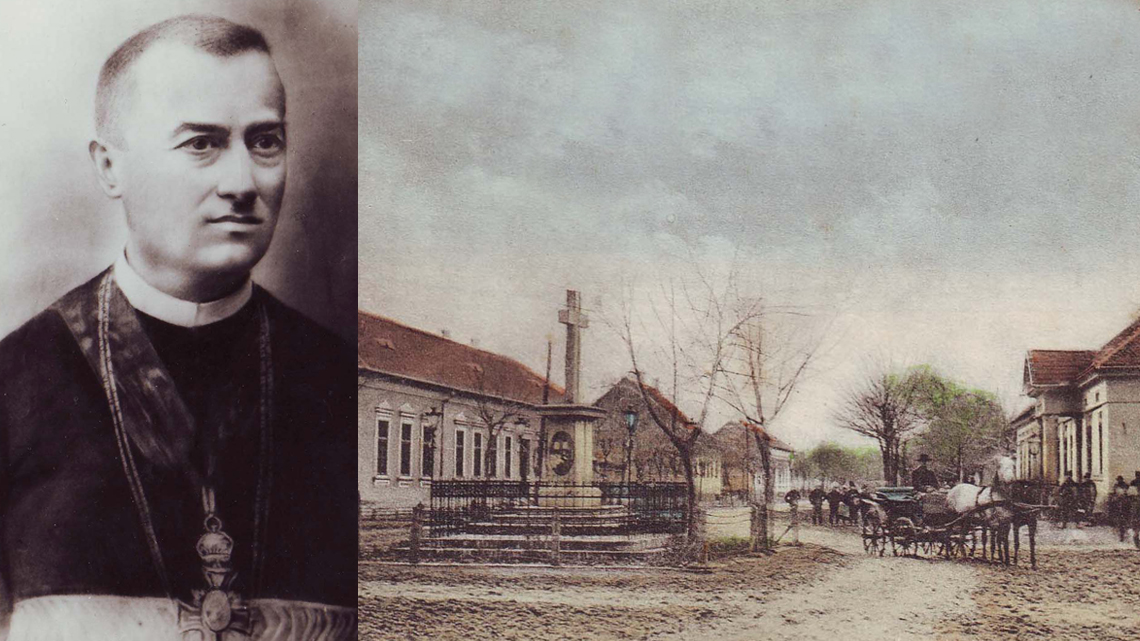
Josif Marinković was born in Vranjevo on September 3, 1851. His father, Jovan, was a farmer, and his mother, Mileva (born Savić), was a housewife.
He completed three grades of primary school in Vranjevo and the fourth grade of a German school in Petrovaradin. His year in Petrovaradin served as preparation for further education, which he continued in Novi Vrbas and Kikinda before completing teacher training (Preparandija) in Sombor.
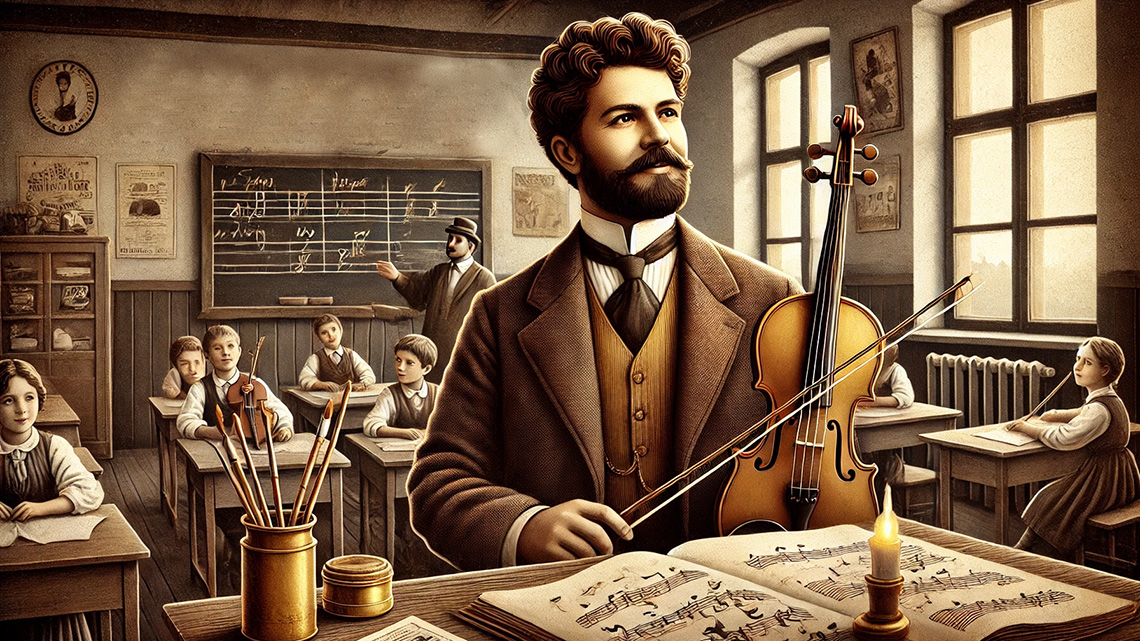
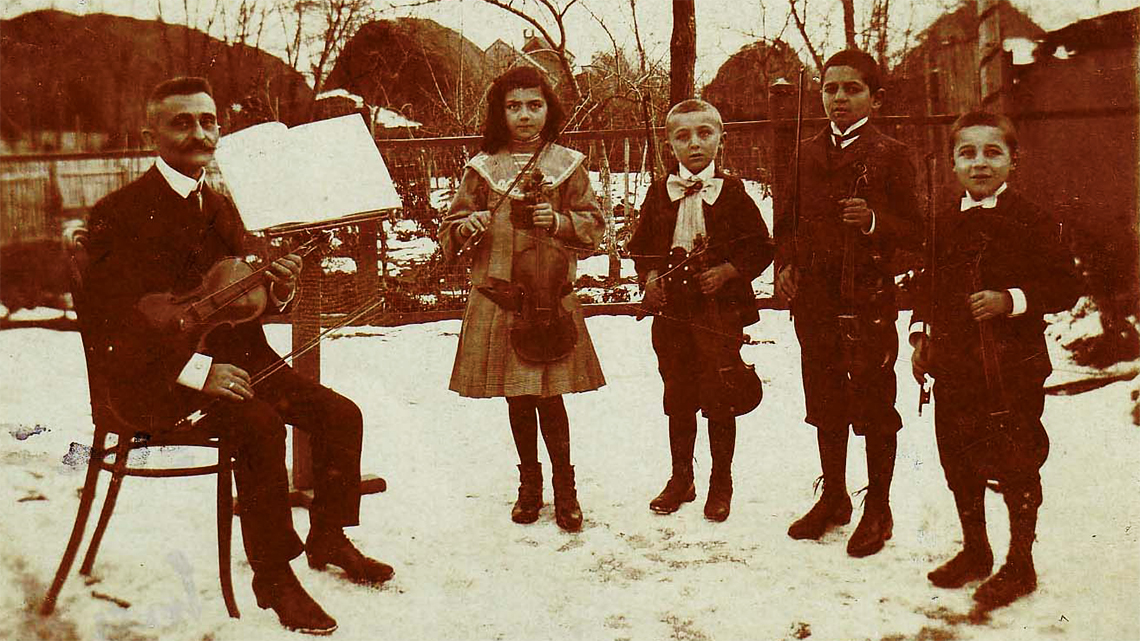
Žarko Čiplić, a teacher, was born on March 27, 1887, in Stari Bečej. His father Jovan was a teacher, and his mother Sofija, born Gavrilović from Srpska Crnja, was a homemaker. He completed primary and secondary school in Stari Bečej, and teacher training school in Sombor. He graduated from teacher training school in 1908 as the top student of his class. Throughout his schooling at the Sombor Preparandija, he stood out with extraordinary musical talent — he had a beautiful voice (lyric baritone) and excelled at playing the violin. He also demonstrated a similar talent in painting, which was noted as early as elementary school.