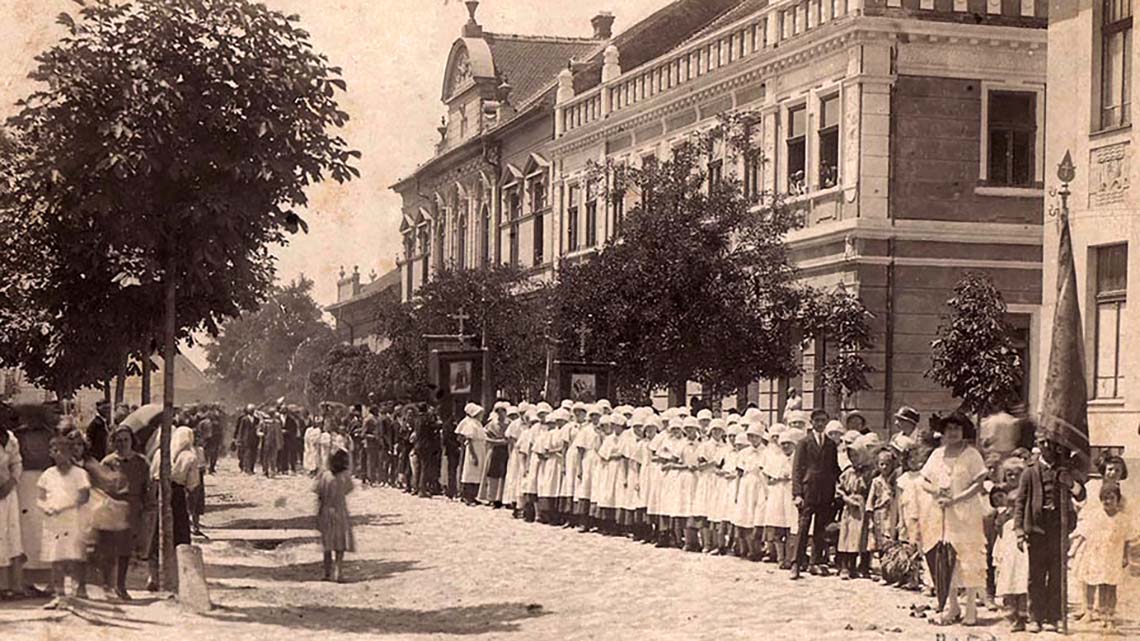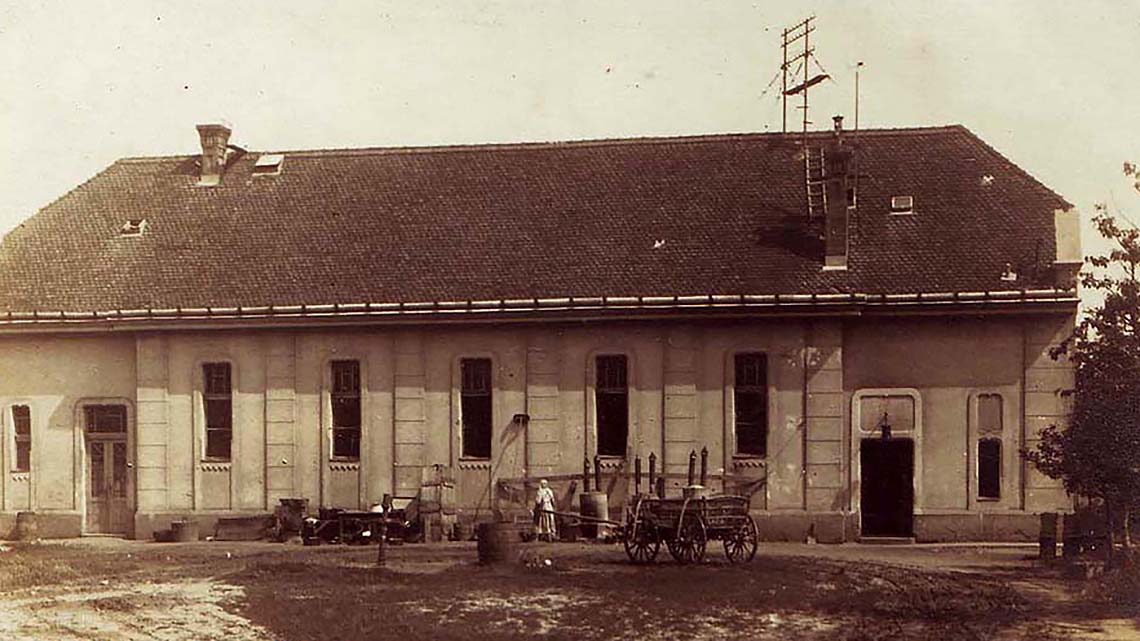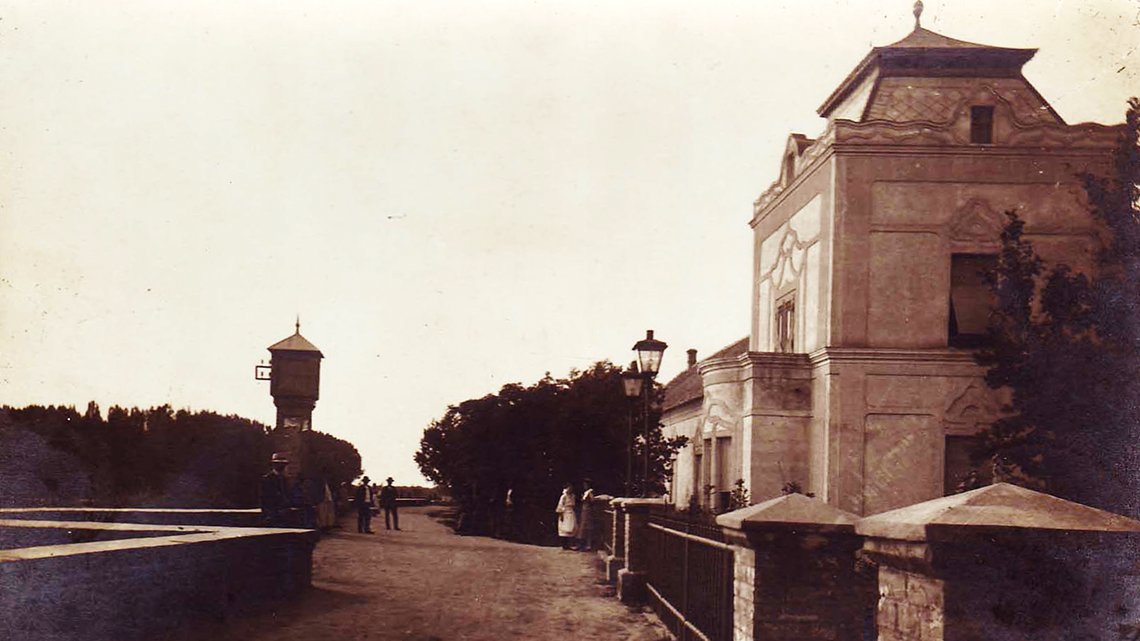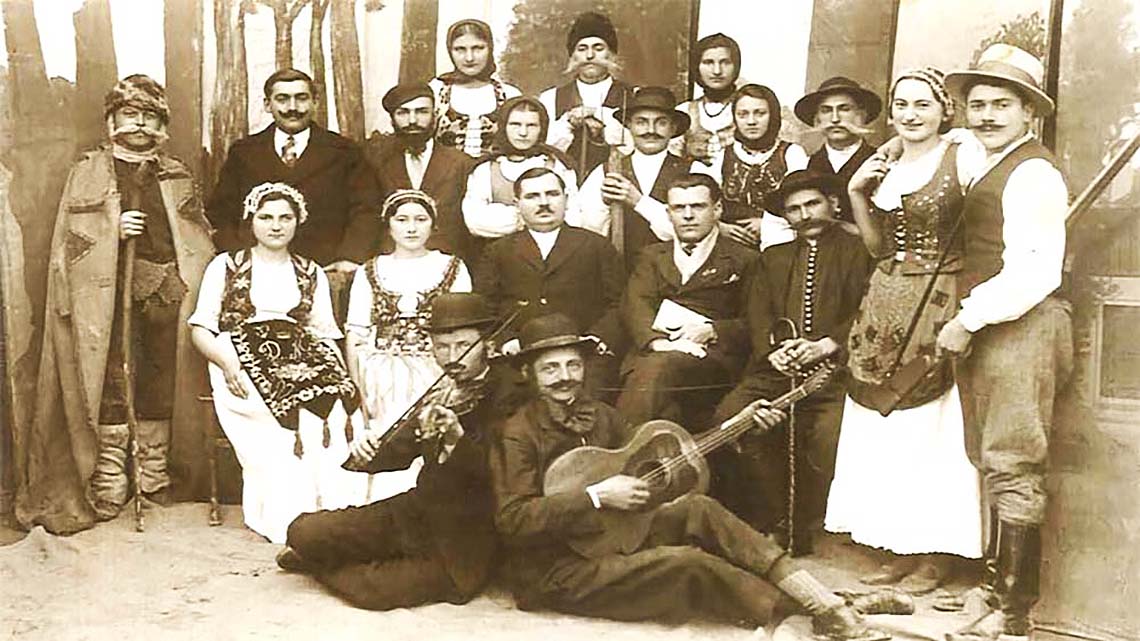

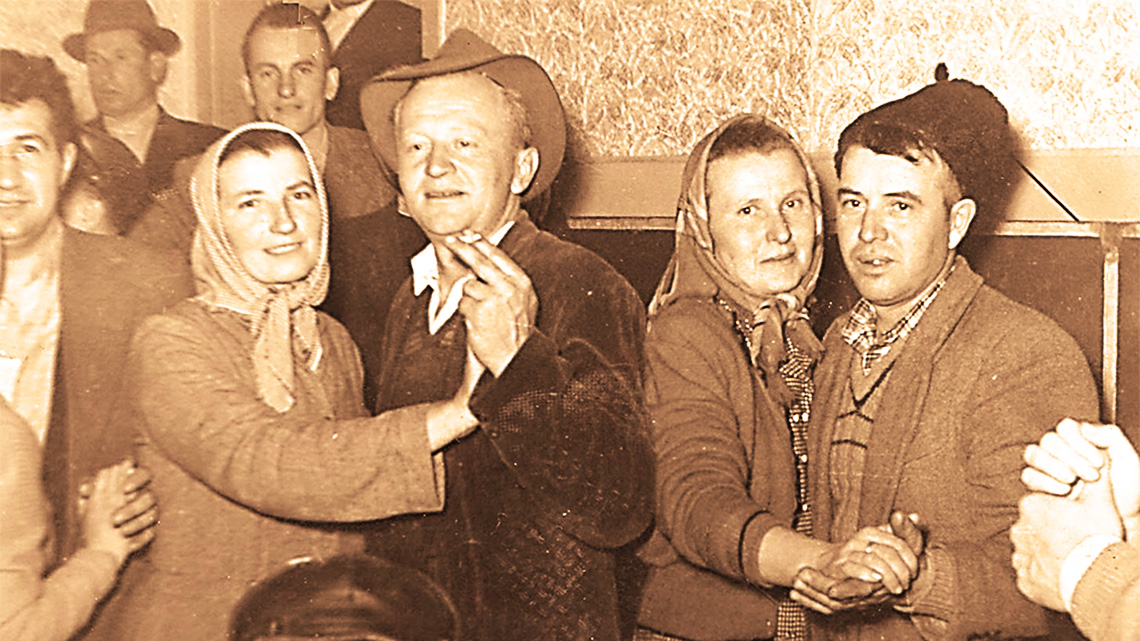
The spiritual life of the people of Novi Bečej and Vranjevo, alongside their economic foundation, has been influenced over the centuries by various political, religious, and other factors. Thanks to their economic power, which is a prerequisite and primary impetus for the development of superstructure where culture holds an important place, Novi Bečej and Vranjevo had exceptional conditions until the mid-nineteenth century.
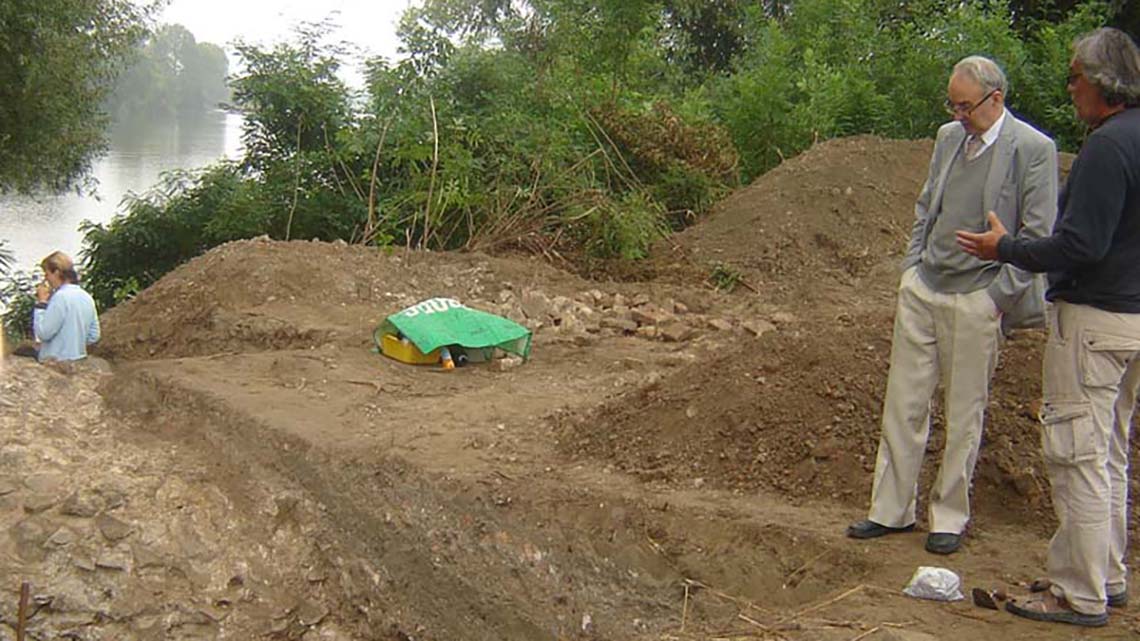
Uncover political events, economic development, and cultural heritage of these Banat towns through richly documented stories. Follow the evolution from the earliest days to the present, delving into the intricate threads of political intrigues, economic transformations, and cultural ascensions.
Share this page on social media
A historian, Rudolf Šmit, provided quite exhaustive data on the Novi Bečej Fortress in his study - "The Town of Bečej" - published in the Journal of the Historical Society in 1939. For this work, Šmit primarily utilized archival materials from the Kriegsarchiv in Vienna, among other historical sources. Within this archive lies a drawing (plan) of the Bečej Fortress along with all relevant information, which was crafted by engineering captain Johan Christian de Kolet just before the demolition of the Bečej Fortress in March 1701.
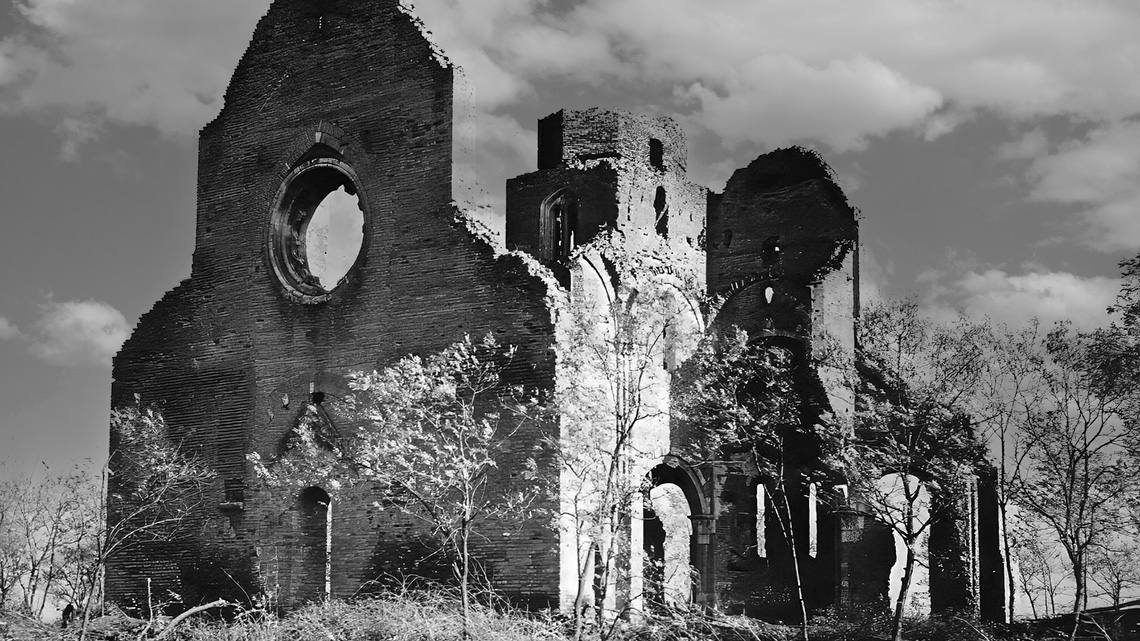
One of the oldest cultural monuments in this area are the ruins of the monumental church of Arača (located about twelve kilometers from Novi Bečej and Vranjevo in the northeast direction). It is believed that the preserved remains date back to the church built in 1228, but it was erected on the site where there was already a church between the ninth and eleventh centuries, as evidenced by fragments of decorative sculpture with motifs of triple braids.
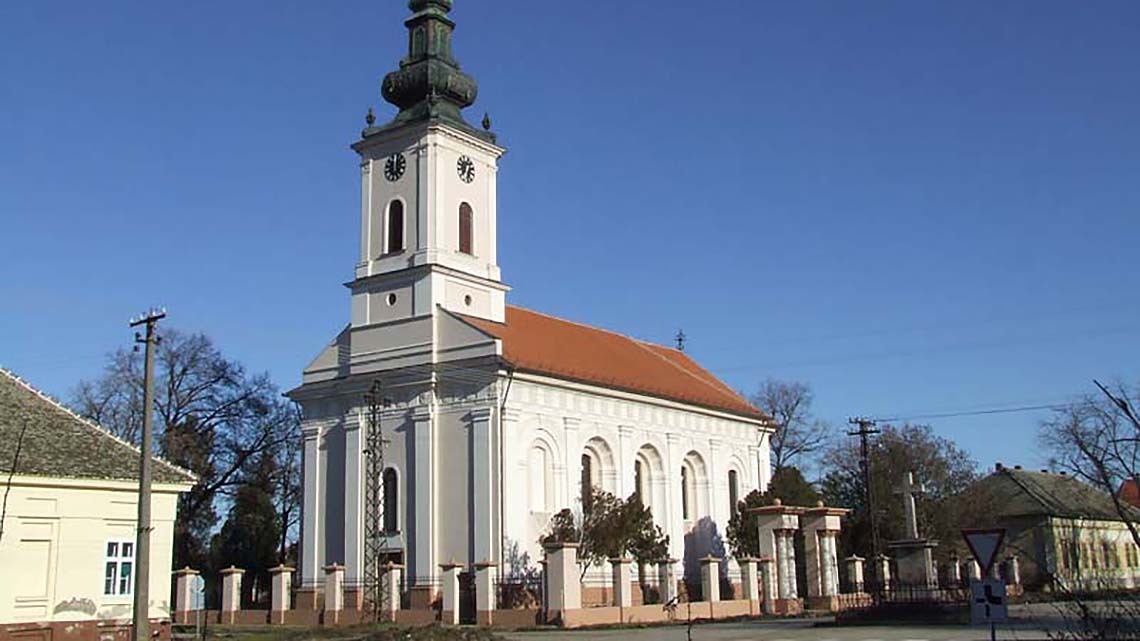
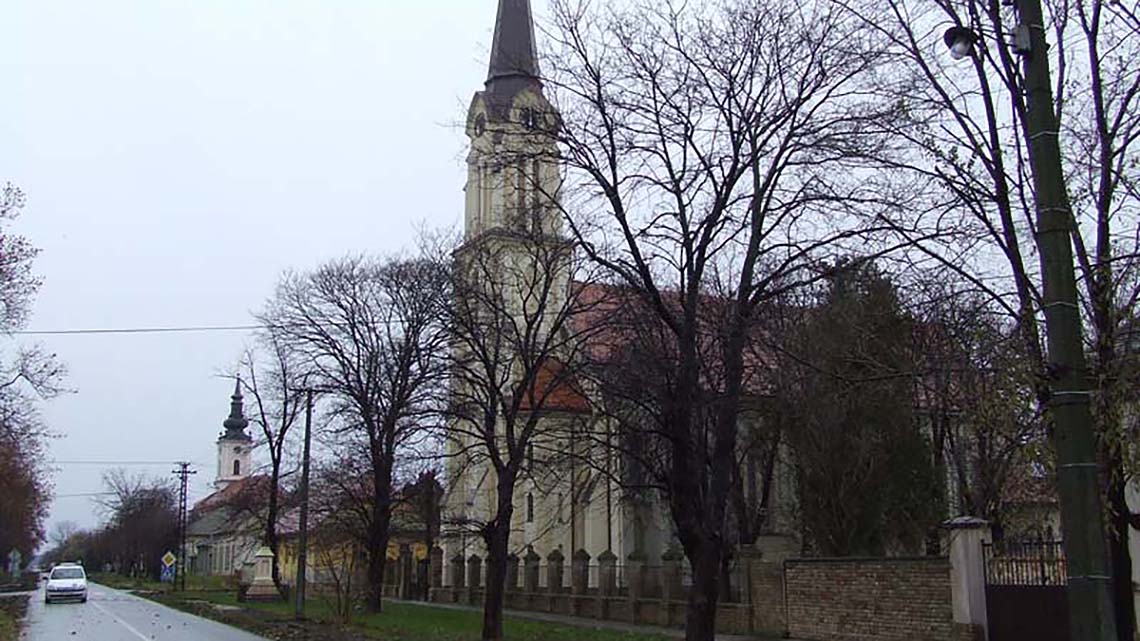
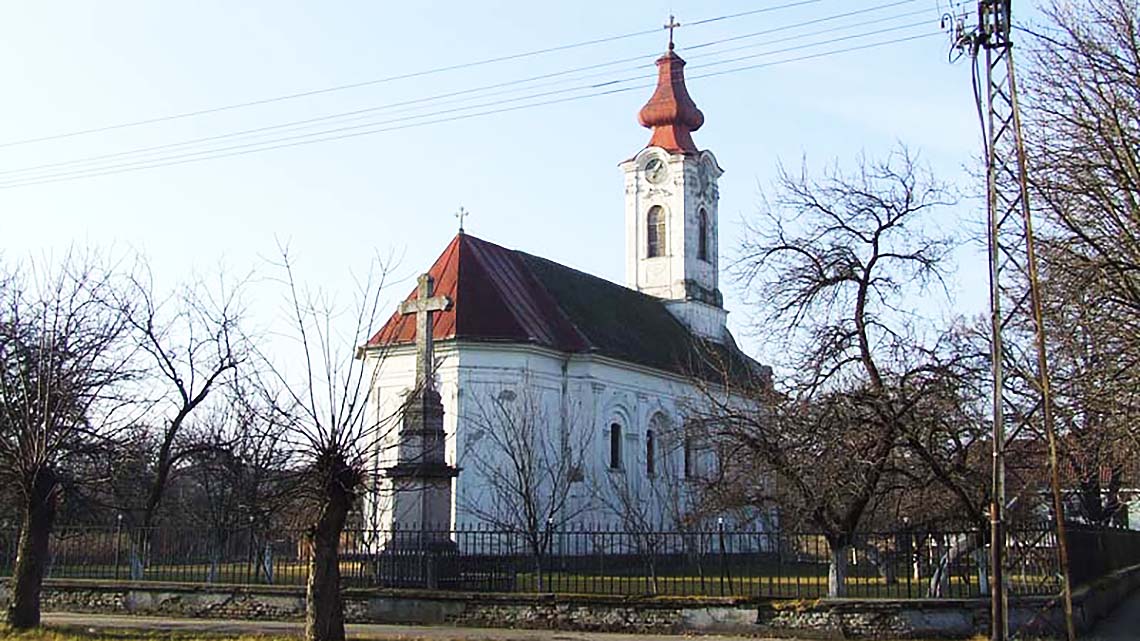
Since 1741, Novi Bečej had a church built from hard materials, which was a rarity in that part of Banat at the time. Proto-Synod Arsenije Radivojević conducted an inspection of sixty-nine places of the Temišvar Eparchy in 1758. In his report, he mentions that in Novi Bečej there is a church built of bricks with five glass windows; two carpenter's doors with German locks; a vault made of different planks, painted in color; the church floor is brick-paved; covered with fir shingles; the courtyard fenced with stakes.
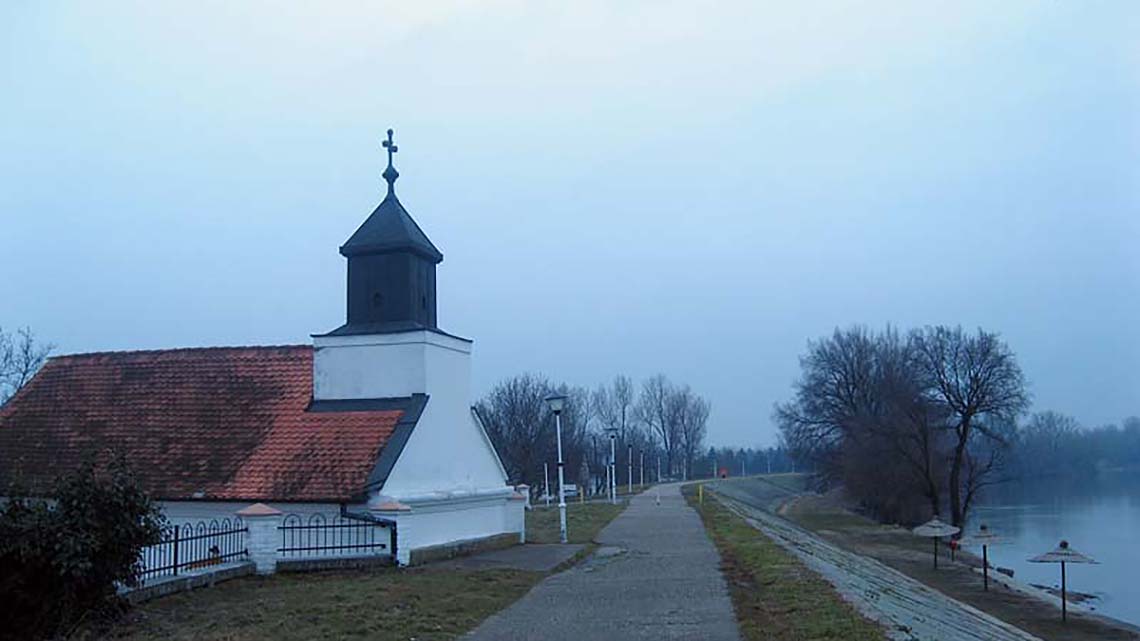
It is not known where the first church in Vranjevo was, but it is assumed that such a church or place of worship existed as early as 1743. In that year, a cloth - antimins was consecrated by Metropolitan Georgije Popović of Tamiš-Lipova, for the service in the temple of St. John the Baptist in the trench of Bečej. It is incorrect to assume that the antimins was for the church in Bečej, as there was already a small church (monastery) in Novi Bečej by then, which had its own antimins and was dedicated to St. Nicholas, besides Bečej was not a trench. That antimins could only refer to the trench Vranjevo and is kept in the treasury of the Temišvar diocese.
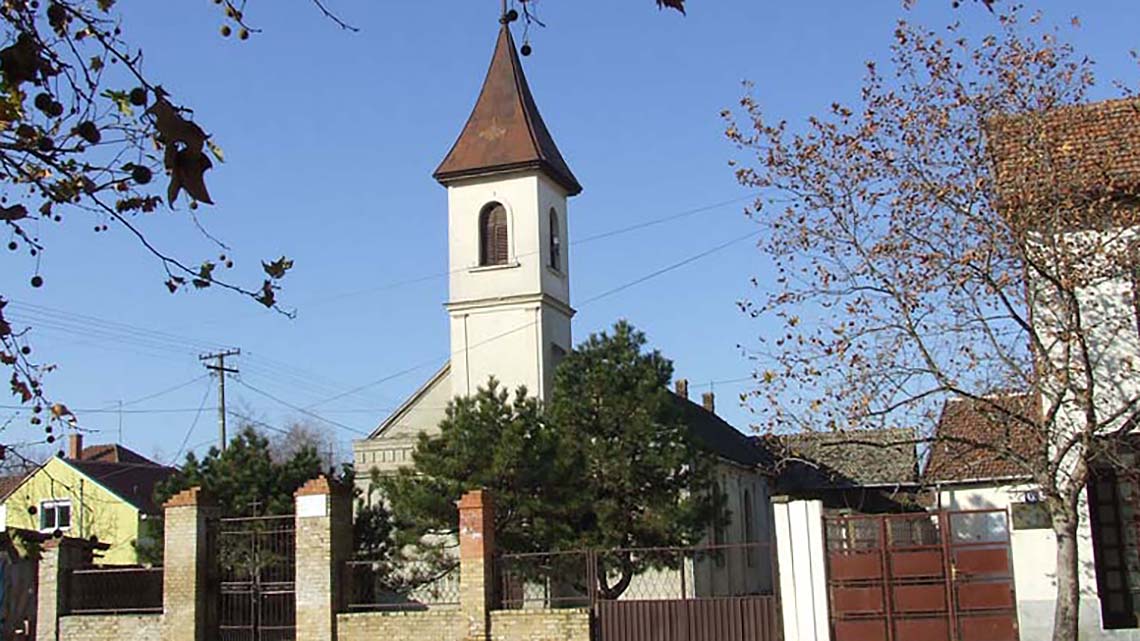
The Lutheran church, of more modest dimensions, was in line with the number of adherents of that faith. Evangelicals are first mentioned in Novi Bečej in 1820. Among other things, it is stated that there were 1,459 adherents in Aradac and 246 believers in the branches of the local church in Elemir, Melenci, Novi Bečej, and Kikinda.
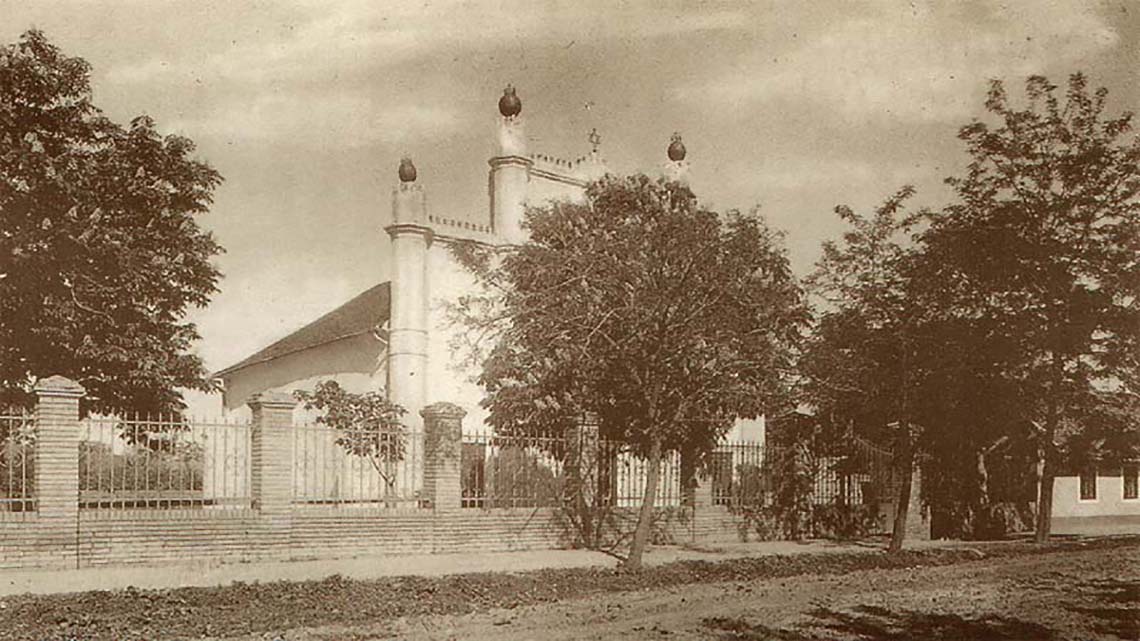
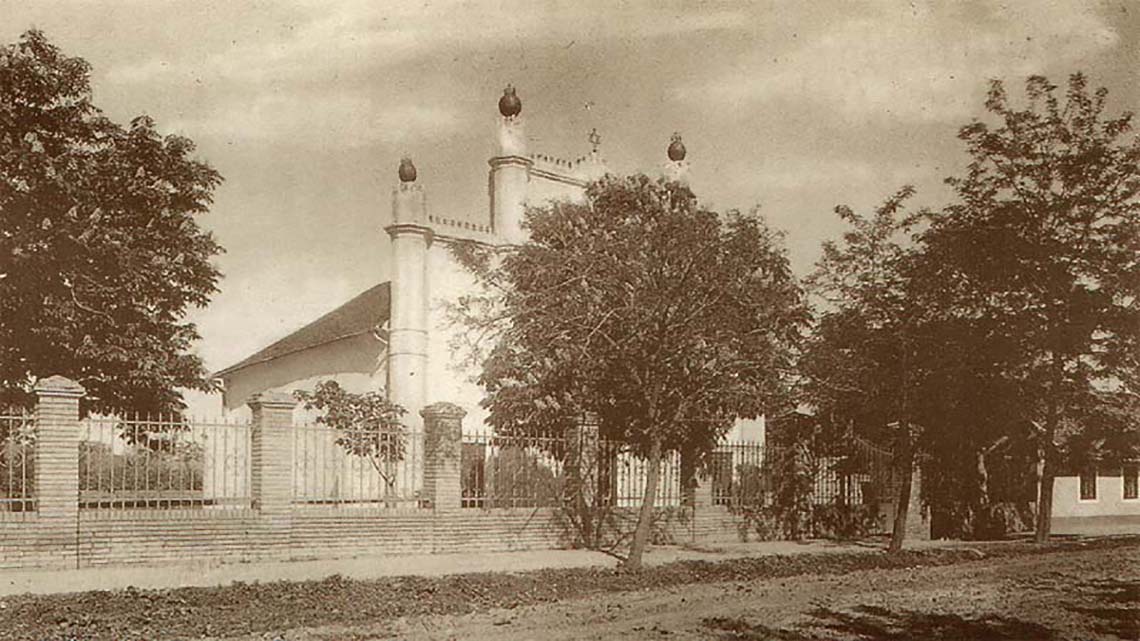
The Jewish church (synagogue) was built in 1865 and was located at 16 Žarko Zrenjanin Street. Next to it was the building where the cantor (assistant to the rabbi) lived. The synagogue was of modest dimensions, suitable for the number of worshippers from Novi Bečej and the surrounding villages that belonged to the Novi Bečej district.
Until 1747, Catholics in Novi Bečej, comprising a total of sixty-eight different nationalities including Hungarians, Germans, and Croats (boatmen), did not have their own place of worship or a priest. They belonged to the parish in Veliki Bečkerek, where they attended services, and the local priest conducted burials and other religious ceremonies.
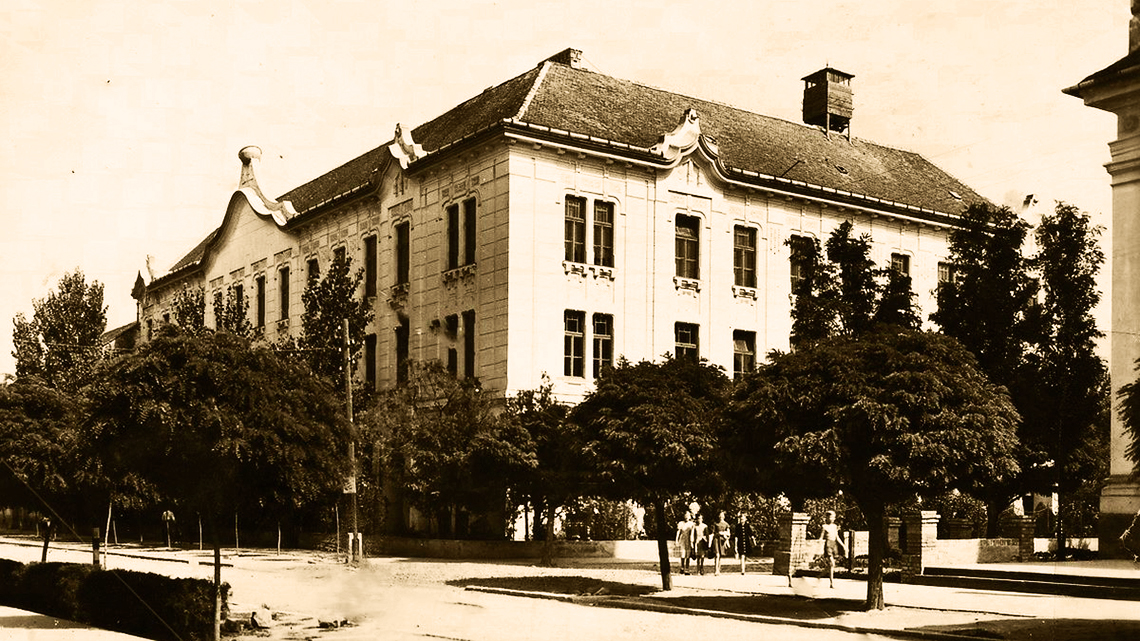
In the 1880s, there was a growing need for extended education, and more and more children were leaving Novi Bečej for schooling elsewhere. It is assumed that the education in the elementary schools of Novi Bečej was not up to the standards required for successfully mastering the curricula of high schools and civil schools. As a result, the Jews, following the example of their compatriots from Veliki Bečkerek, established their own elementary school. A school building was erected near the synagogue at the corner of Hajduk Veljka Street and Žarka Zrenjanina Street.
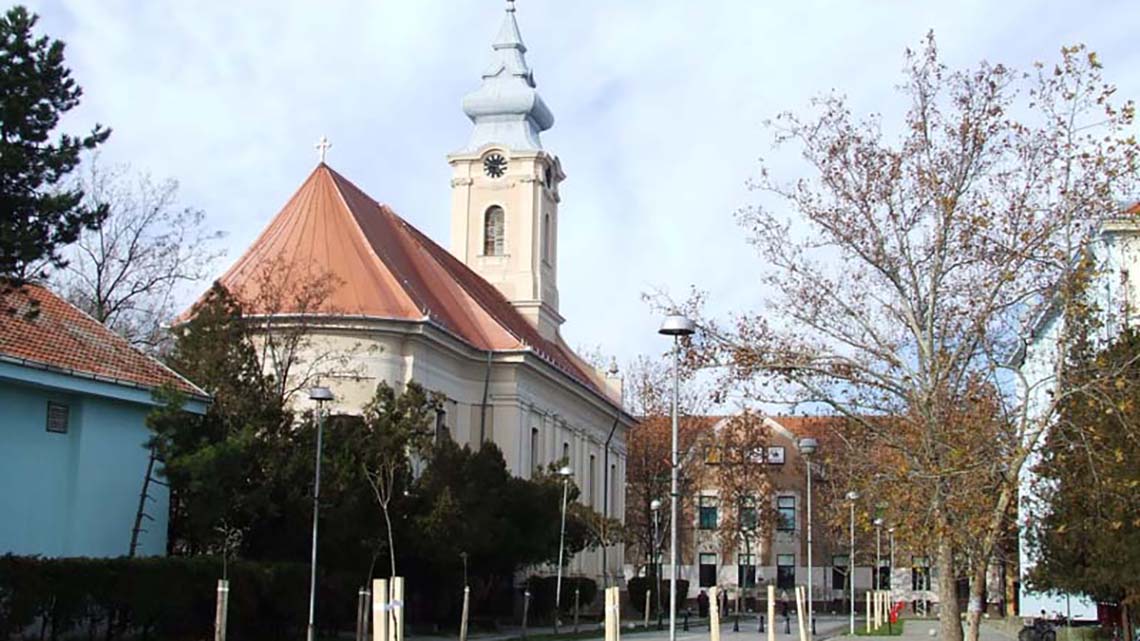
Catholics in Vranjevo did not have their own parish until 1880. They had a filial church that fell under the parish in Novi Bečej. They did not have churches, and they gathered for prayer in a prayer house located in the house of Feješ Janoš until the construction of the present-day Catholic Church in Vranjevo. Only in 1881 was a small church built on the site where the present-day parish of the Catholic Church stands. The building looked the same then as it does today.
The year of construction - 1774 is inscribed on the church, which does not correspond to reality. This date originates from 1871 when the church was repaired, and it was found on September 12, 1931. At that time, Novi Becej and its surroundings were hit by a hurricane, which caused great damage and claimed about twenty human lives. A small boat that sailed between Stari Becej and Novi Becej was submerged, and more than twenty people drowned in the Tisa River. At that time, the top of the Orthodox Church in Novi Becej was also demolished.
It has been a long time since the first major migrations of Serbs to the regions beyond the Sava and Danube rivers until the establishment of the first primary schools. They did have, under both Hungarian and Turkish rule, some form of primary schools associated with monasteries or parish churches.
There is no data regarding the establishment of schools in Novi Bečej in either municipal or church documents, so priests, at the beginning of the twentieth century, attempted to trace back the earliest times based on oral accounts to determine when the schools were founded and began operating. They were somewhat unsuccessful as memories only stretched back to the mid-nineteenth century. Therefore, we are compelled to use general information about schools in Banat, as among these data, there is mention of the existence, but not the year of establishment, of schools in Novi Bečej and Vranjevo.
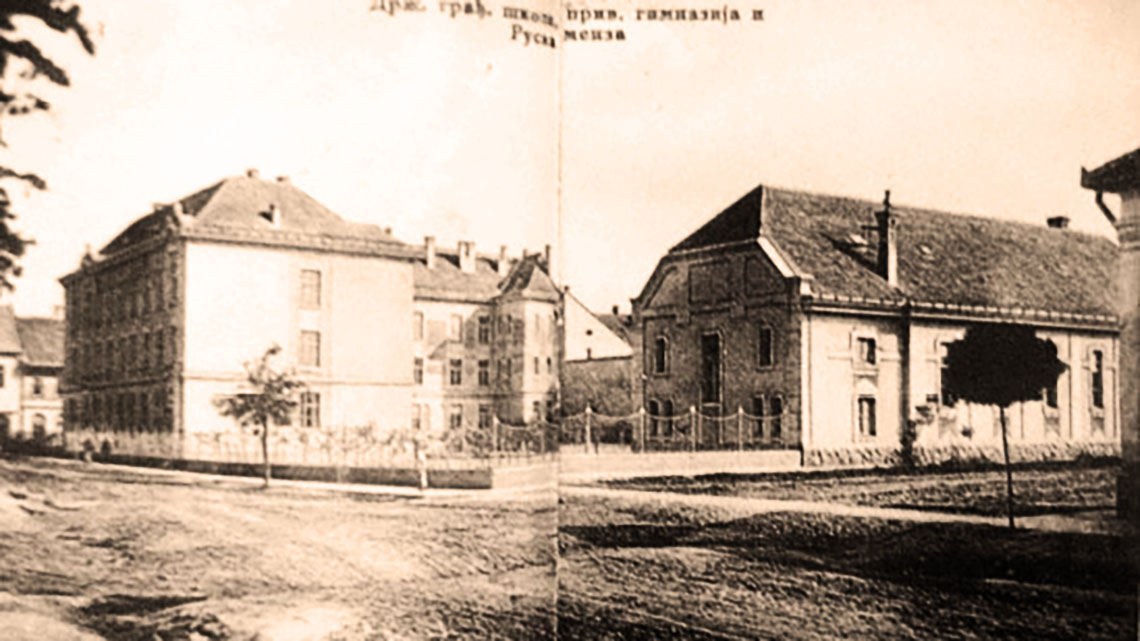
The Civil School in Austro-Hungary aimed to prepare young people for work in the economy. Unlike lower gymnasiums, which provided knowledge that needed further schooling to supplement, the curriculum of civil schools was designed to provide comprehensive training. Young people who completed civil school acquired knowledge that enabled them to navigate more easily when entering crafts and trade.
Information about the primary school in Vranjevo was only recorded in 1768 in the school census. The teacher at that time was Sava Stojković, and in the baptismal records of Vranjevo, a newborn of Sava Stojković, a master, was recorded in 1773. The school was considered one of the better Serbian schools, as it had eighteen students who were taught reading, writing, religion, and arithmetic.
After the October Revolution, in March 1920, the Kharkov Institute - Russian Secondary Women's School with a boarding school was established in Novi Bečej. By the decision of the Minister of Education of the Kingdom of Yugoslavia SN No. 11539, dated August 10, 1922, the Institute was raised to the level of an eight-grade women's gymnasium, with the right to a graduation exam according to the regulations applicable to secondary schools in Yugoslavia.
Besides the Women's Russian Gymnasium – Kharkov Institute, Novi Bečej had an eight-grade or, as it was then called, a complete gymnasium from 1924. Its full name was: "Private Mixed Full Real Gymnasium with Public Rights in Novi Bečej." This gymnasium had the same rights as state gymnasiums, with the difference that its maintenance was covered partly by the municipality and mostly by students' families.
Novi Bečej had a very modest publishing activity, although it had people of high intellectual qualities quite early on. Such a situation may have contributed to them leaving Novi Bečej and creating in other larger cultural centers where they had more support and easier access to original materials.
Due to frequent migrations and armed conflicts, Vojvodina has been, perhaps because of that, an area prone to various epidemics such as plague, diphtheria, typhoid fever, smallpox, typhus, bubonic plague, malaria, and others. Consequently, the organization of the healthcare system was more important than for any other region of the Austro-Hungarian Empire.
In painting, architecture, and literature, a rich heritage from the Middle Ages has been preserved. Hence the fact that Serbian painting in the regions of present-day Vojvodina took deep roots already by the mid-eighteenth century, reaching such proportions by the end of that century that this period is considered a kind of renaissance among Serbs. In painting, the Serbian identity in Vojvodina had artists who had completed the highest schools of that time, while more numerous neighboring nations such as Hungarians, Romanians, and Bulgarians had not yet considered their own painting.