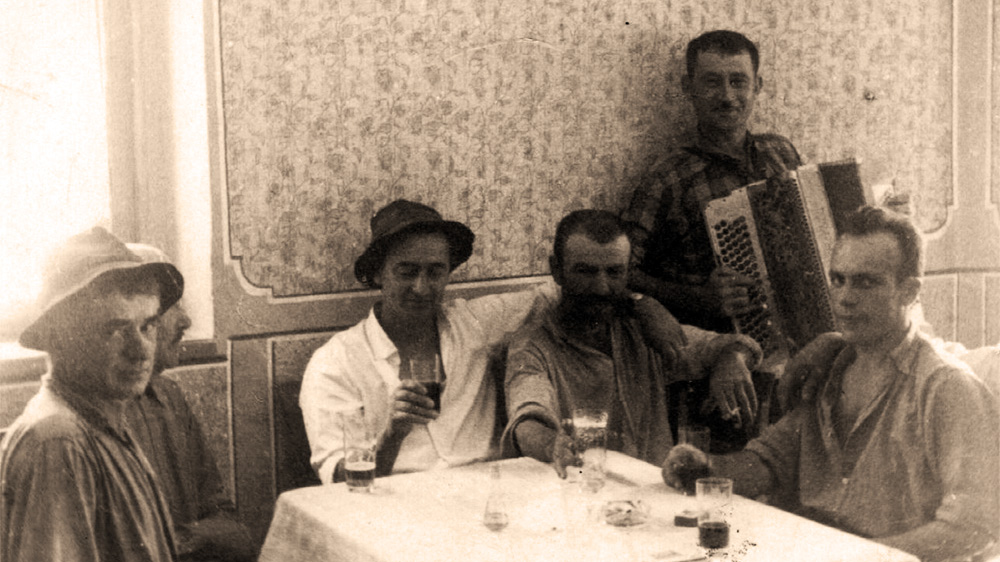

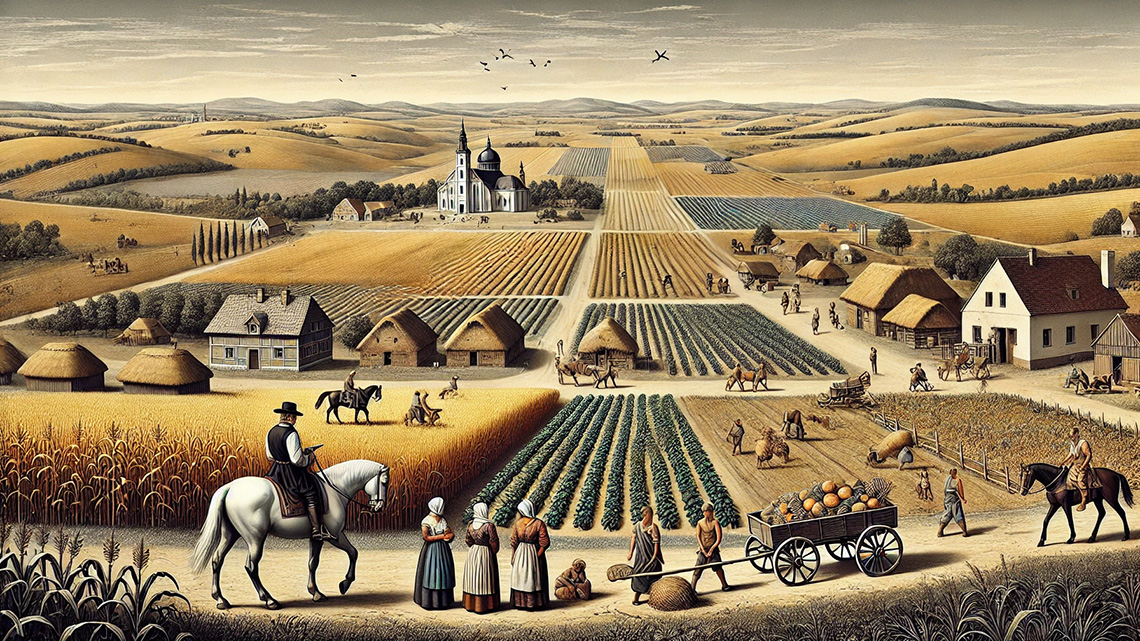
The characteristics of Banat in the eighteenth century include significant migrations, colonizations, and various administrative-economic experiments. Despite ambitious ideas for Banat's development, little was achieved. Banat languished, awaiting more radical changes in economic policy.
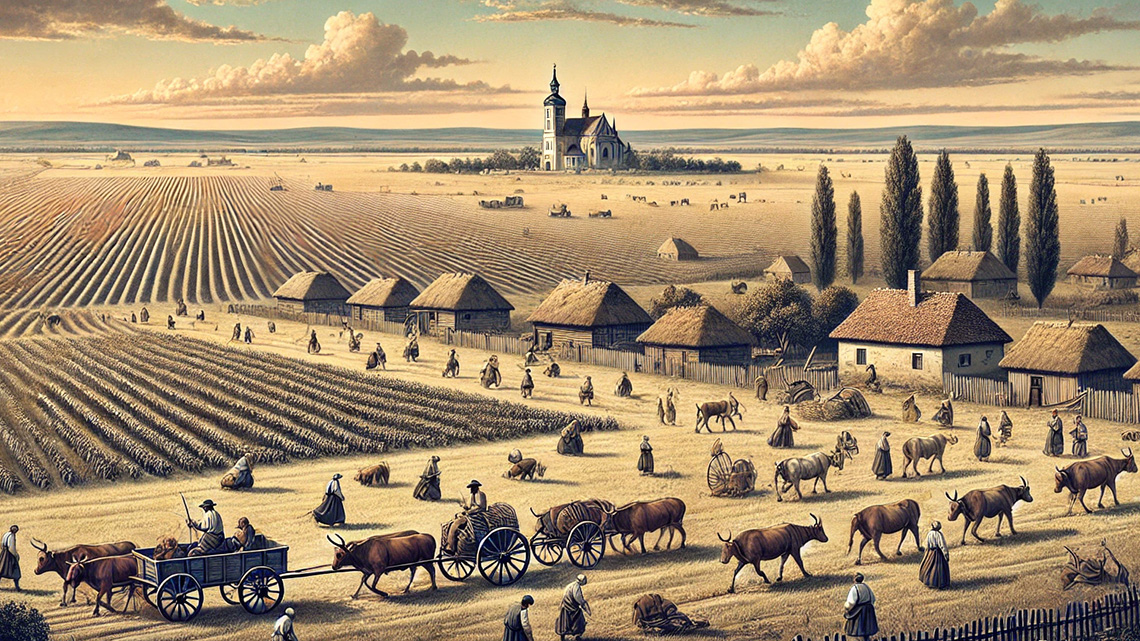
Uncover political events, economic development, and cultural heritage of these Banat towns through richly documented stories. Follow the evolution from the earliest days to the present, delving into the intricate threads of political intrigues, economic transformations, and cultural ascensions.
Share this page on social media
In the county of Torontal in 1785, there were only 108 nobles, but just fifty years later, the number rose to 976, which is nine times more. Despite this rapid increase, the number of nobles was relatively small compared to the entire Monarchy, but they were wealthier than those in other counties.
Flowing predominantly through flat landscapes, the Tisza River has a very slight gradient, barely 28 millimeters per kilometer. This results in significant meandering of the river, with continuous development of bends (meanders). Meanders slowed down the outflow, increasing the water level, particularly during the snowmelt period in the Tisza's source regions, leading to extensive floods. To protect large areas of arable land from floods, the regulation of the river's course involved the construction of embankments, and the shortening of the Tisza's course from 1429 km to 977 km by cutting through numerous meanders.
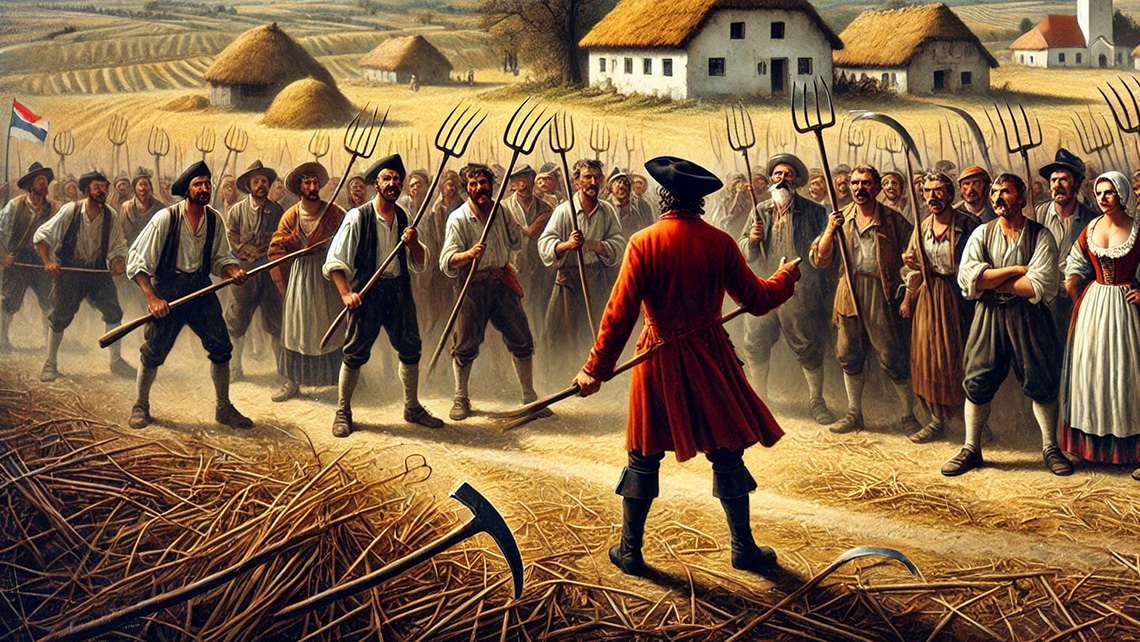
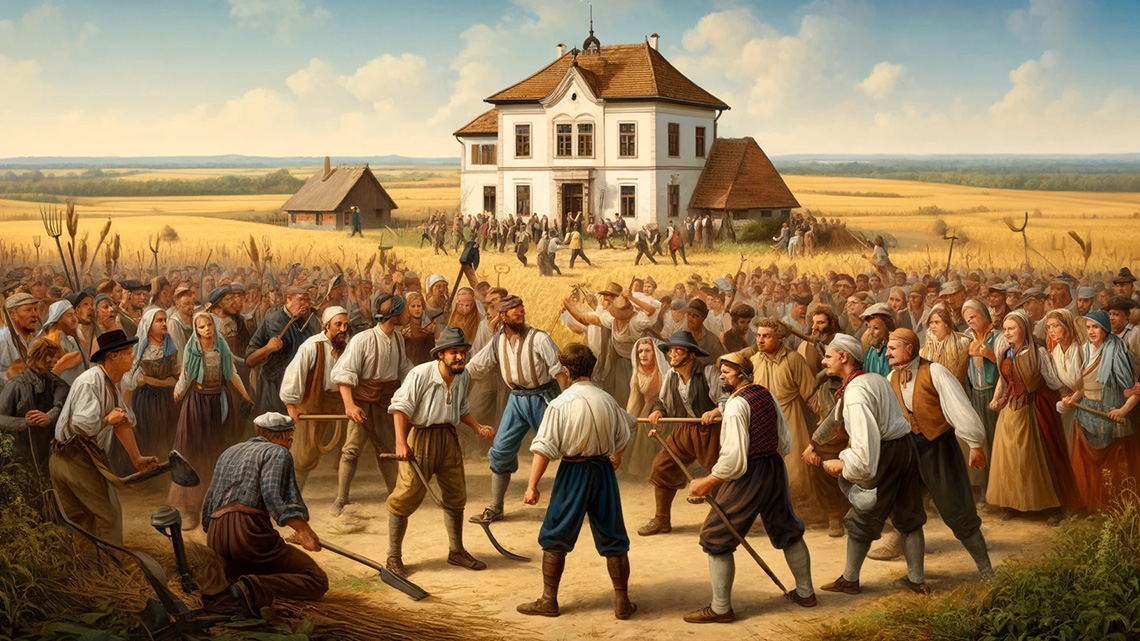
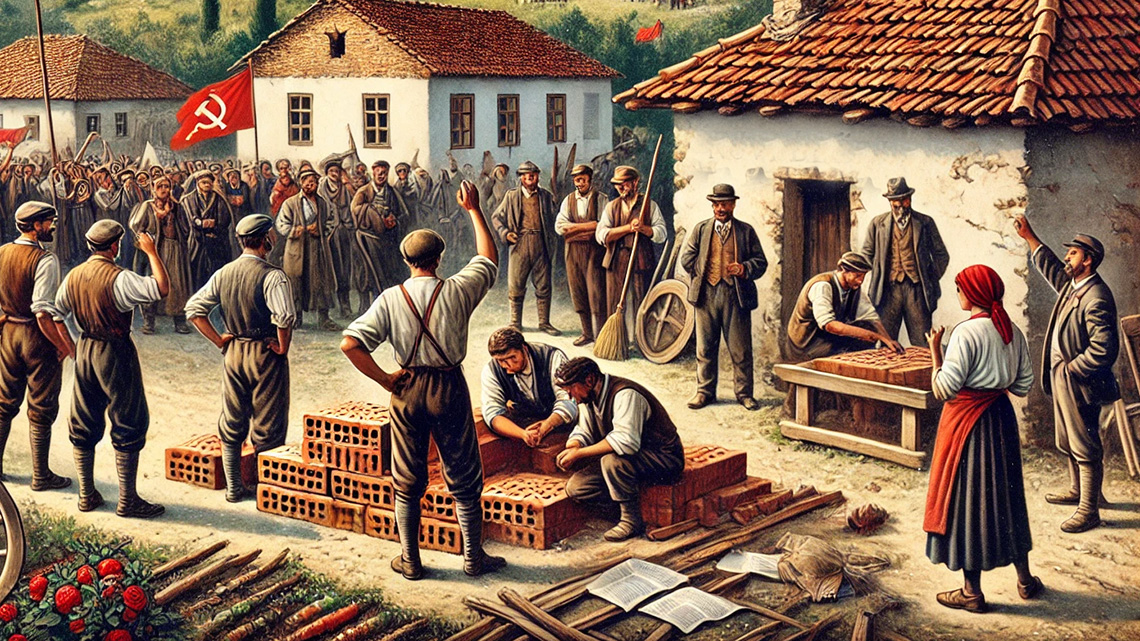
In contrast to the working class, which was led by trade unions or guild organizations during its formative period, peasants lacked leaders. Revolts and resistance against the oppression and ruthless exploitation by the nobility or the state occurred spontaneously, making each of their successes, although rare, all the more significant.
The history of Bečej and Vranjevo, being predominantly agricultural areas, is rich in peasant revolts and uprisings. It seems that the inhabitants of Novi Bečej and Vranjevo found the exploitation harder to endure than peasants in surrounding areas, and they were bold enough to raise their rebellious voices against oppression and exploitation, among the first in their vicinity.
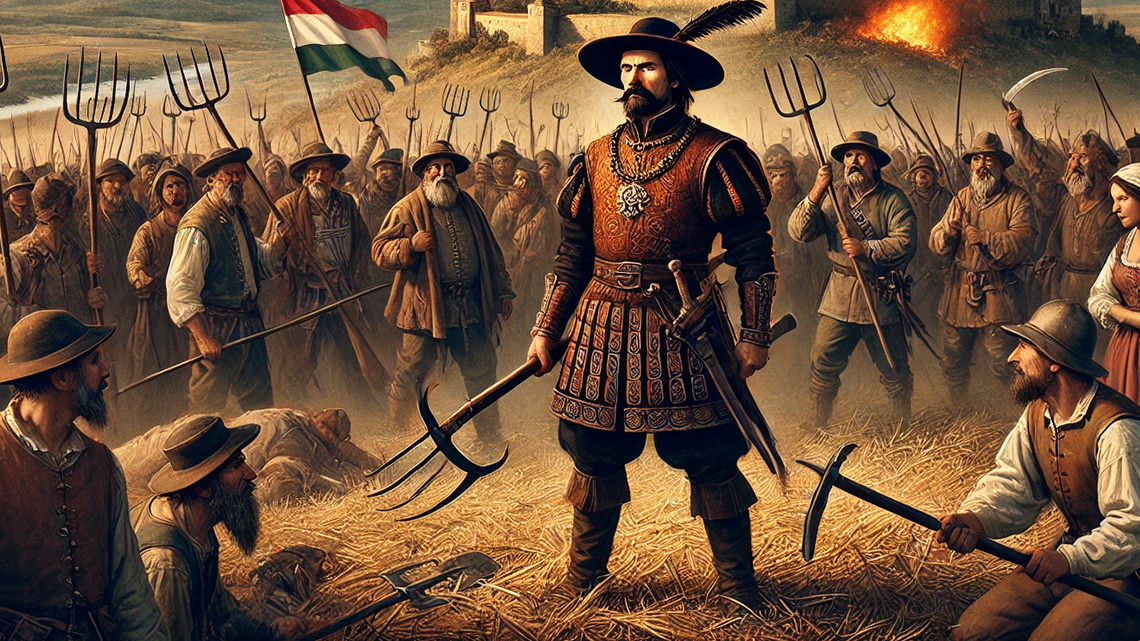
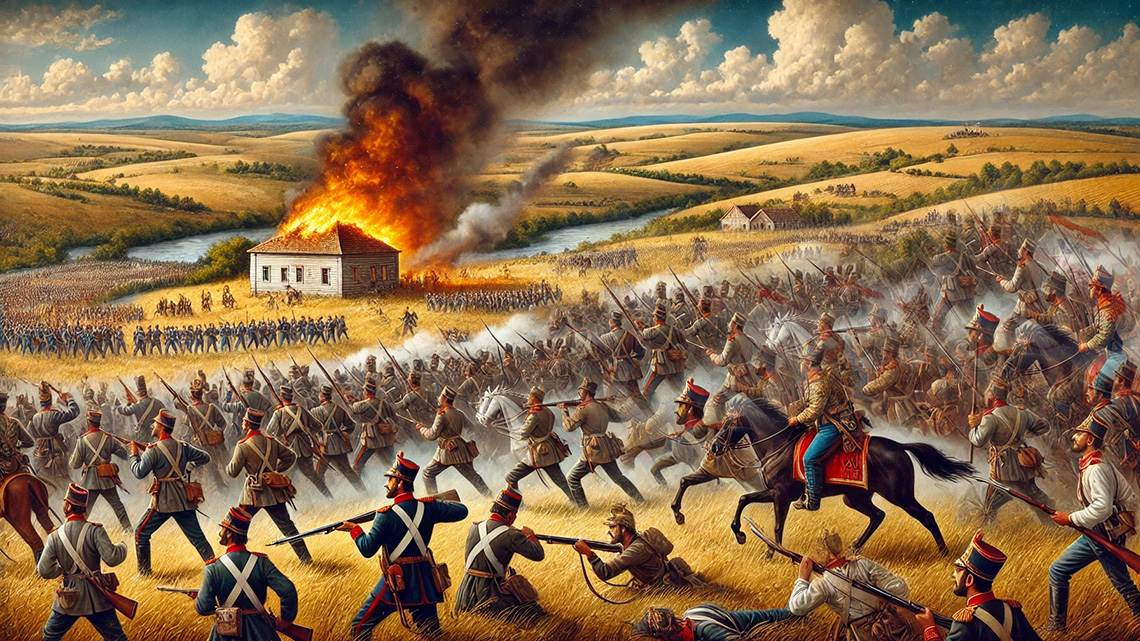
In response to the call of Doža Đerđa, the people of Novi Bečej and Vranjevo were among the first to rise (in liberated Banat from the Turks) against the authorities due to high taxes or the arbitrary rule of the nobility.
The position of peasants (serfs) in Novi Bečej was even more difficult than in Vranjevo, within the District. The cruel behavior and merciless exploitation by the Novi Bečej nobleman Hadžimihajlo-Sisani triggered the peasants to seek a solution to their troubles through rebellion.
Even after the expulsion of the Turks from the regions of southern Hungary, the Balkans remained at the center of Austrian expansion for a long time. In preparation for the war with the Ottoman Empire, Austria conducted extensive agitation among the Christian population in Serbia, counting on their assistance when the war shifted to the Balkans. Due to the arbitrariness of the Janissaries and under the influence of Austrian propaganda, a considerable number of Serbs emigrated to Hungary, where special volunteer units called "freikorps" were formed, serving as precursors to the Austrian army in the upcoming war.
Peasant revolts hold a prominent place in the history of Hungary. Poverty and destitution, caused by constant increases in taxes and worsening living conditions, led Hungarian peasants to rebel against oppression even before 1848. Alongside the difficult situation of the peasants and the obstacles posed by the feudal state to the development of civil society (the bourgeoisie), a political crisis that engulfed almost all European countries from 1846 to 1848 contributed to the eruption of rebellion in Austria-Hungary.
Following the suppression of the uprising, an absolutist regime was established in Austria and Hungary. All semi-constitutional privileges that Hungary had enjoyed until 1848 were abolished. Social organizations were banned, censorship was introduced, and stricter measures were imposed on the movement of Hungarian participants in the rebellion.
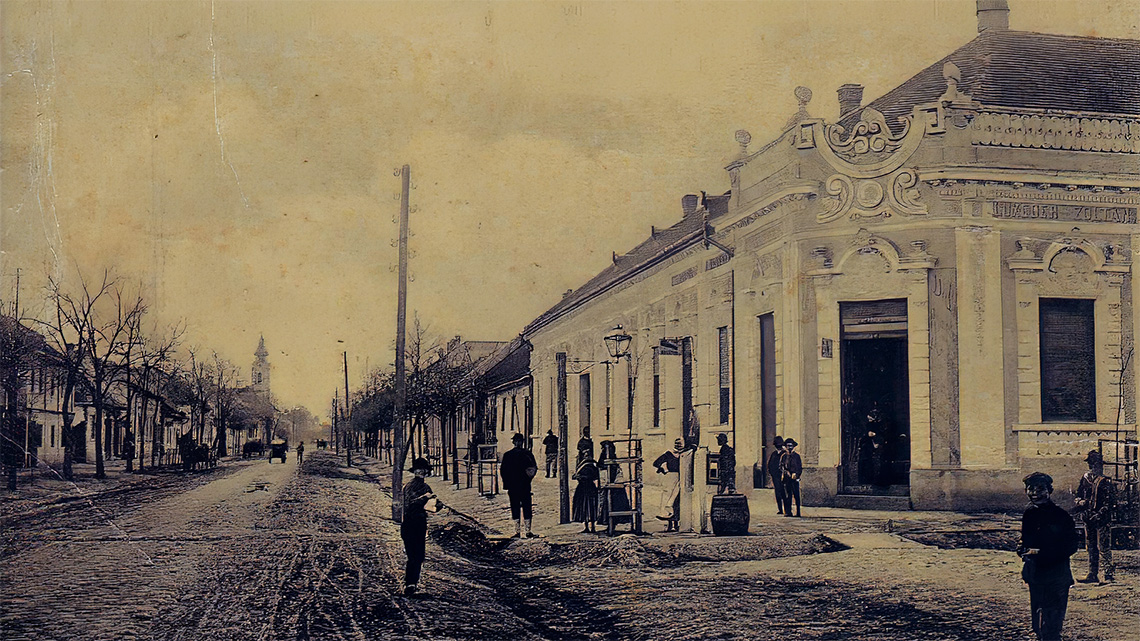
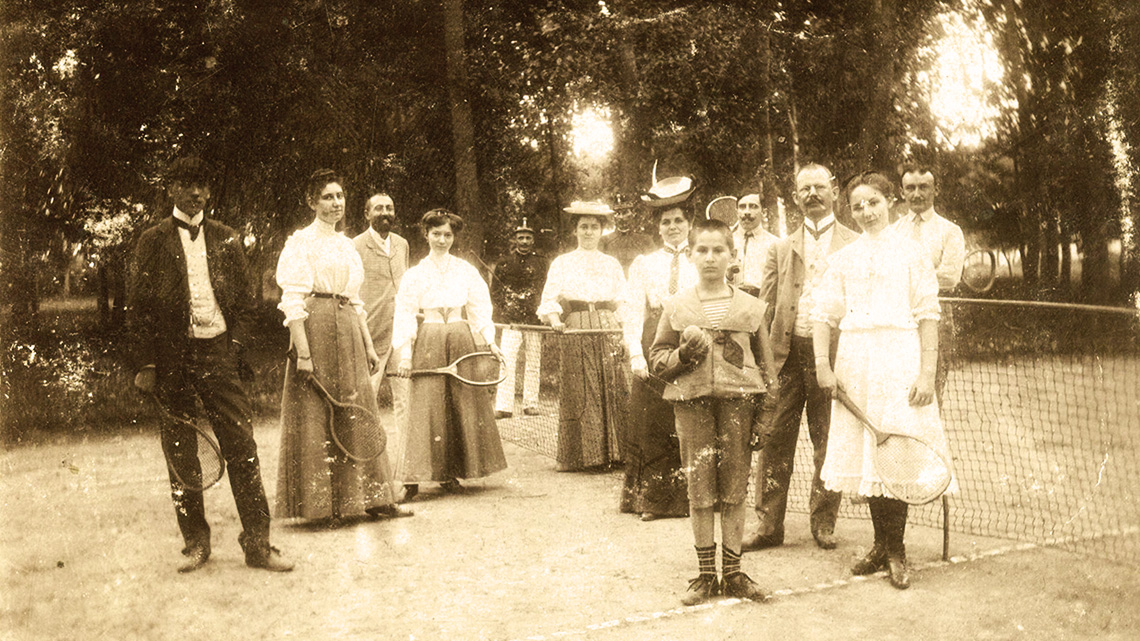
In addition to what Evliya Çelebi documented about the "Beautiful town of Bečej" during the Ottoman rule, it is interesting to read other assessments and impressions given about Novi Bečej in the mid-nineteenth century. From the 1840s, we have a description with data provided by Fenješ Elek and records from the Austrian traveler Kunič, who stayed in Novi Bečej in the second half of the nineteenth century. Ištvanfi Endre provided a description of life in Novi Bečej after the great uprising, almost until the end of the nineteenth century.
The struggle for the reshaping of the world emerged with wars towards the end of the nineteenth century (Spanish–American War in 1898, Russo-Japanese War from 1904 to 1905). While England led the world, by the end of the nineteenth century, especially after the economic crisis of 1873, Germany emerged in economic development, catching up with England and demanding a redistribution of colonies.
There is no reliable data on when the socialist movement in Novi Bečej and Vranjevo originated, but it can be said with almost certainty that it was somewhere in the 1890s. This is indicated by a story in the manuscript of Vladimir Boberić, a priest, later bishop of Boka Kotorska, originally from Vranjevo. In the story "Pop Blagoja" (the manuscript is located in Matica Srpska) - Boberić recounts the struggle of the priest Blagoje (a fictional name, referring to a specific priest from Vranjevo) against the Nazarenes and Communists for every believer - Serb in Vranjevo.
At the time of the end of the First World War and the occupation of the regions beyond the Sava and Danube rivers, at the moment when the Serbian army entered Subotica, the Armistice Agreement between the representatives of the Serbian and Hungarian armies was signed in Belgrade on November 13, 1918.
The estate of Novi Bečej has the shape of an irregular geometric figure. It stretches from north to south for a length of 26.2 km and from east to west for 24.8 km. The longest axis of the estate extends from the southwesternmost point of Pearl Island to the northeasternmost point and measures 30.5 km. It is characteristic that the estate extends on both sides of the Tisa River, covering a small part of the Bačka region. The total area of the estate is 282 km², or 28,311 hectares. The largest part of the estate is on the Banat side, occupying an area of 24,220 hectares. Parts of the estate extend along the right bank of the Tisa River: Pearl Island with 2,678 hectares, Medenjača with 909 hectares, and Karakter with 504 hectares.
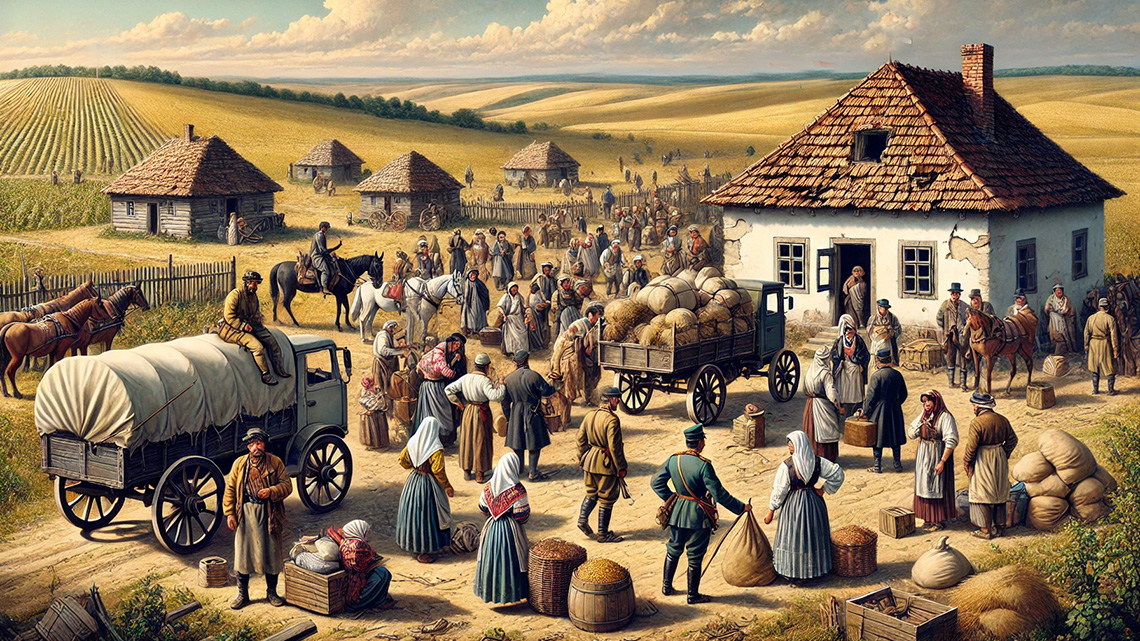
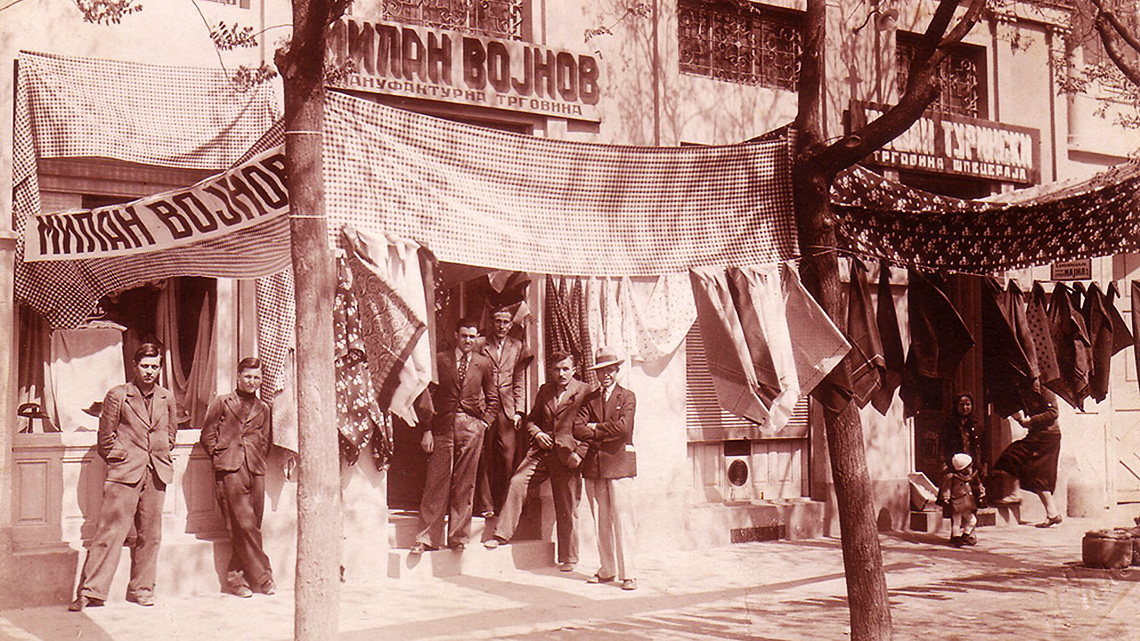
The nobility in Hungary considered it beneath their dignity to engage in trade, and the jobagyi (Hungarian serfs) were unable to do so, which resulted in the underdevelopment of commerce. In such conditions, it was understandable that the Serbs, who had the necessary means, soon took over the majority of trade.
Old travelogues and Turkish defters indicate that Serbs played a significant role as traders in the regions beyond the Sava and Danube even under the Turks, but very little is known about Serbian craftsmen from that period. Information about them only appears in the 18th century, which doesn't mean that craftsmanship among Serbs didn't exist in those regions much earlier.
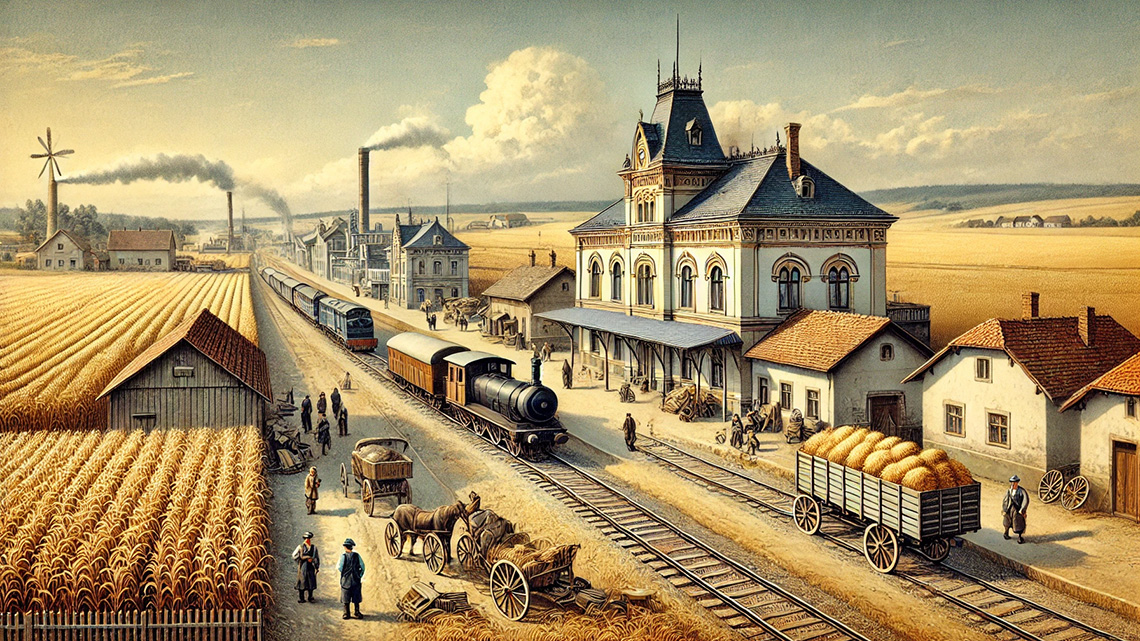
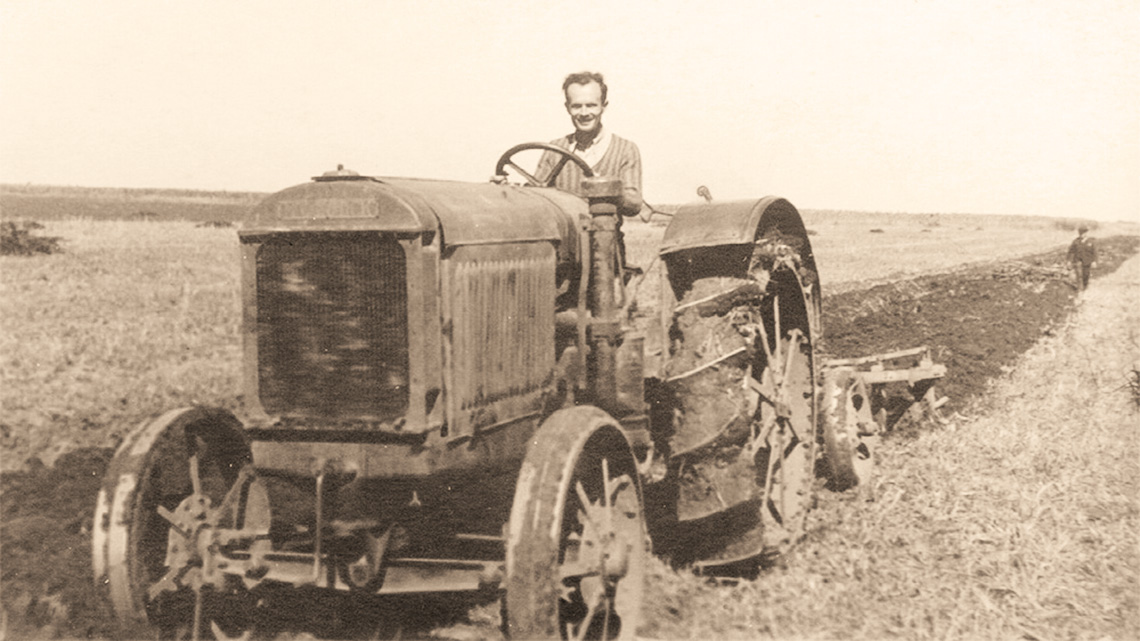
The forerunners of industry were craftsmanship, followed by further division of labor into manufacturing, machine industry, automation, and electronics in further progress. When it comes to Novi Bečej, we should also add mills, dryers, windmills, and oil mills to the aforementioned forerunners, as well as steam sawmills, mills, and brickworks. Unfortunately, that is all the industry with which Novi Bečej and Vranjevo entered the twentieth century.
After the liberation from the Turks, in Banat, there existed only summer roads for a long time, without a stone surface. The passability of these roads was from spring to autumn. With the first autumn rains, they would become difficult to traverse and were passable only for wagons pulled by good horses or four oxen harnessed to carts.
The first hans and taverns in Novi Bečej were recorded in the description of the Beautiful City of Bečej by Evliya Çelebi. After the expulsion of the Turks from these areas in 1738, it was noted that there were no hans in Bečkerek that year, but there was one in Šimuđ, for which the village paid a rent of twenty forints. After the expulsion of the Turks, there were hans in Bečej, Bečkerek, Modoš, and Pardanj, but due to the large number of people who died from the plague or were taken into Turkish slavery, the hans were closed.
The development of the economy and the establishment of better communication - steamboats, railway construction - contributed to the increase in traffic, and consequently, the need for a new function of money emerged, as a credit means. Credit institutions and banks were formed which, at certain moments, with appropriate guarantees, influenced the increase in traffic in certain areas, companies, and individuals - merchants and craftsmen.