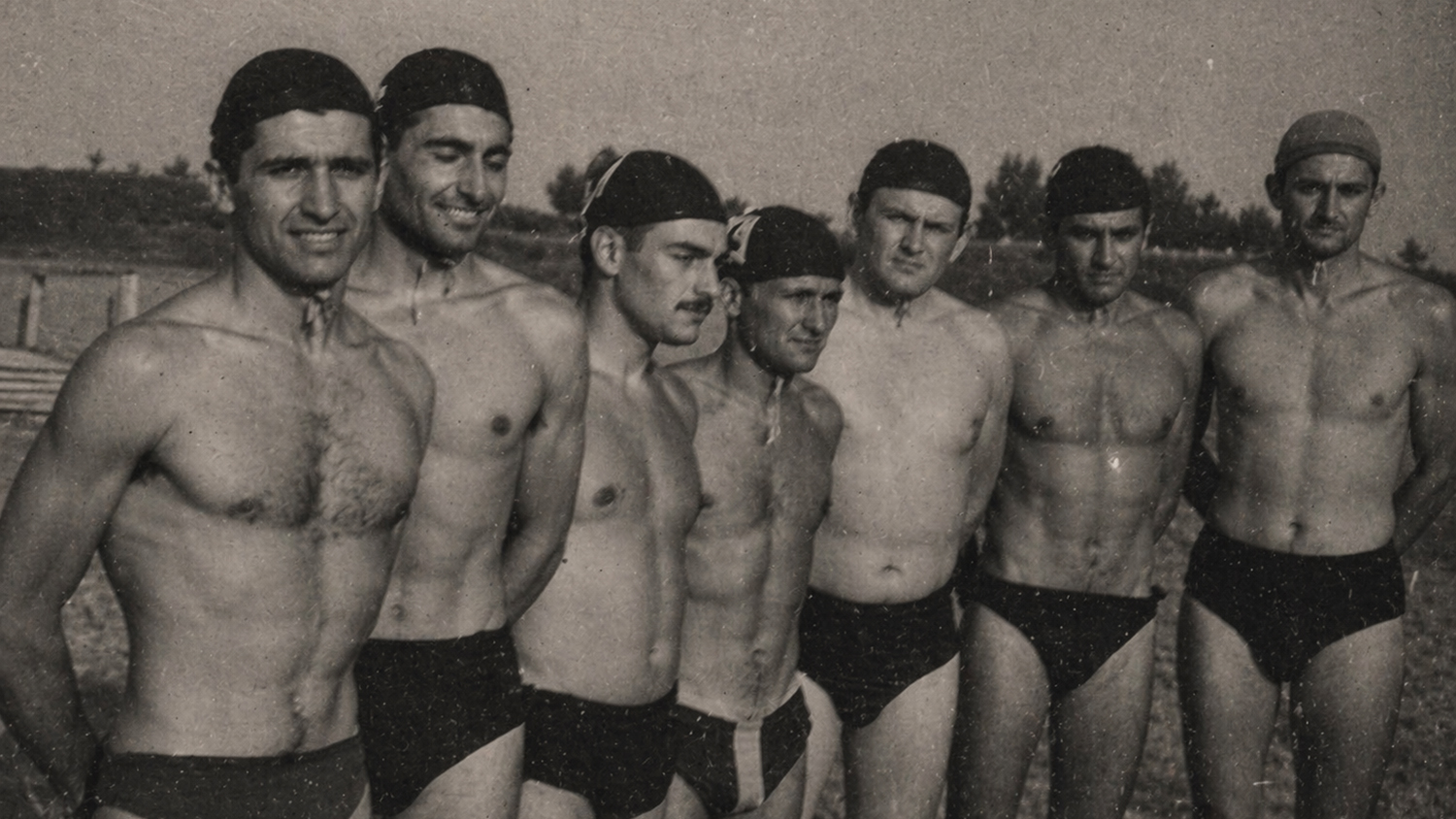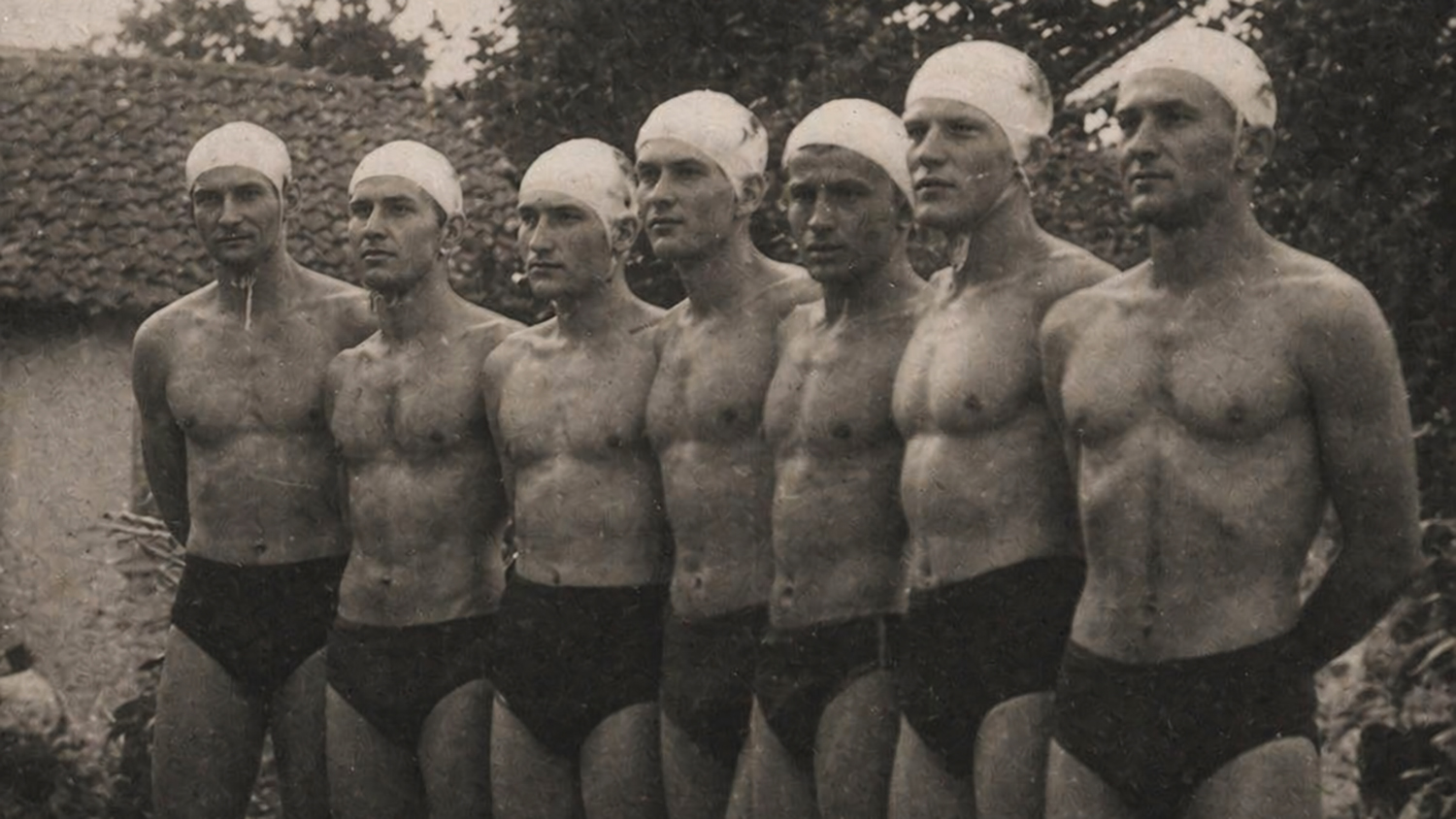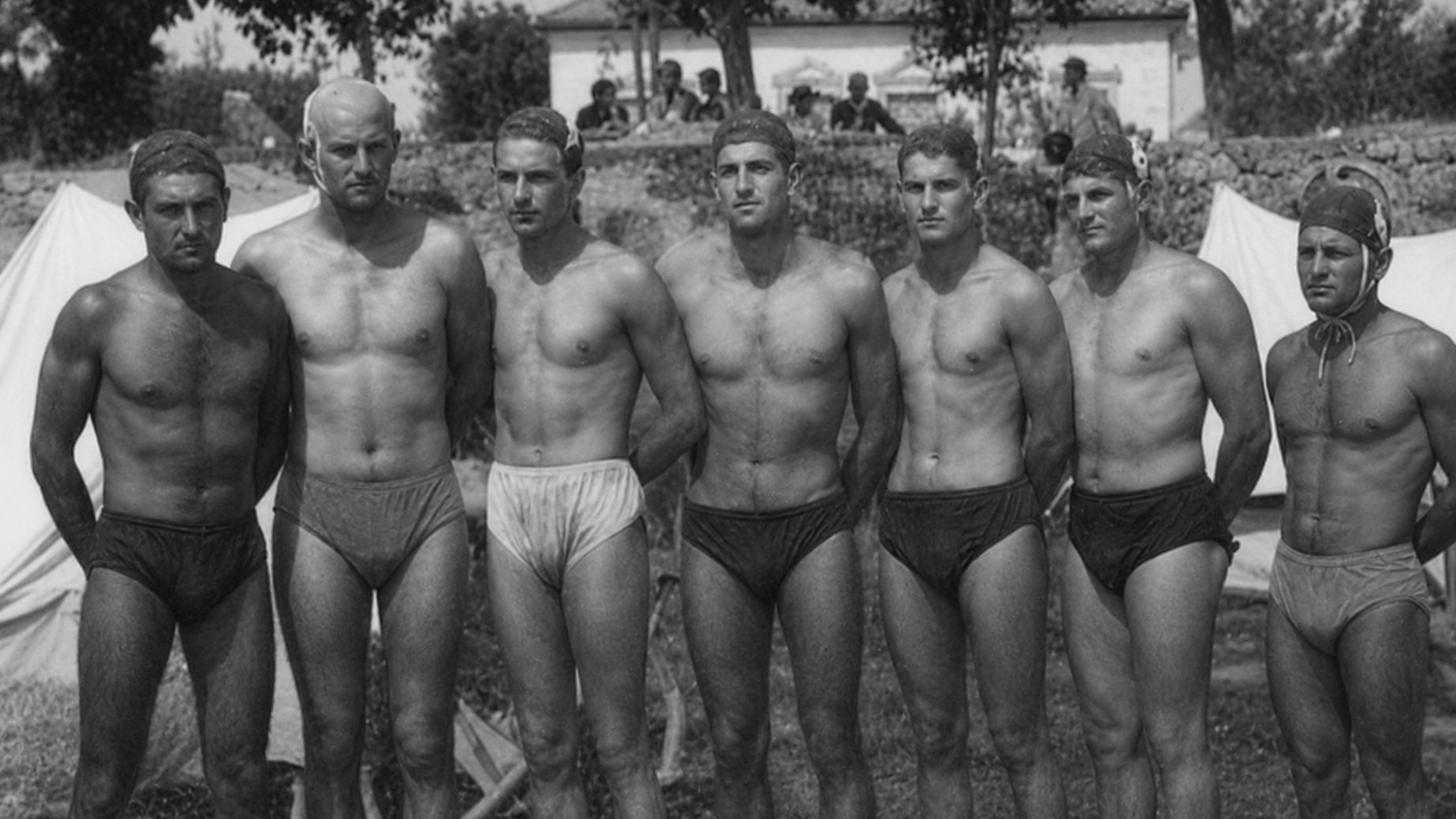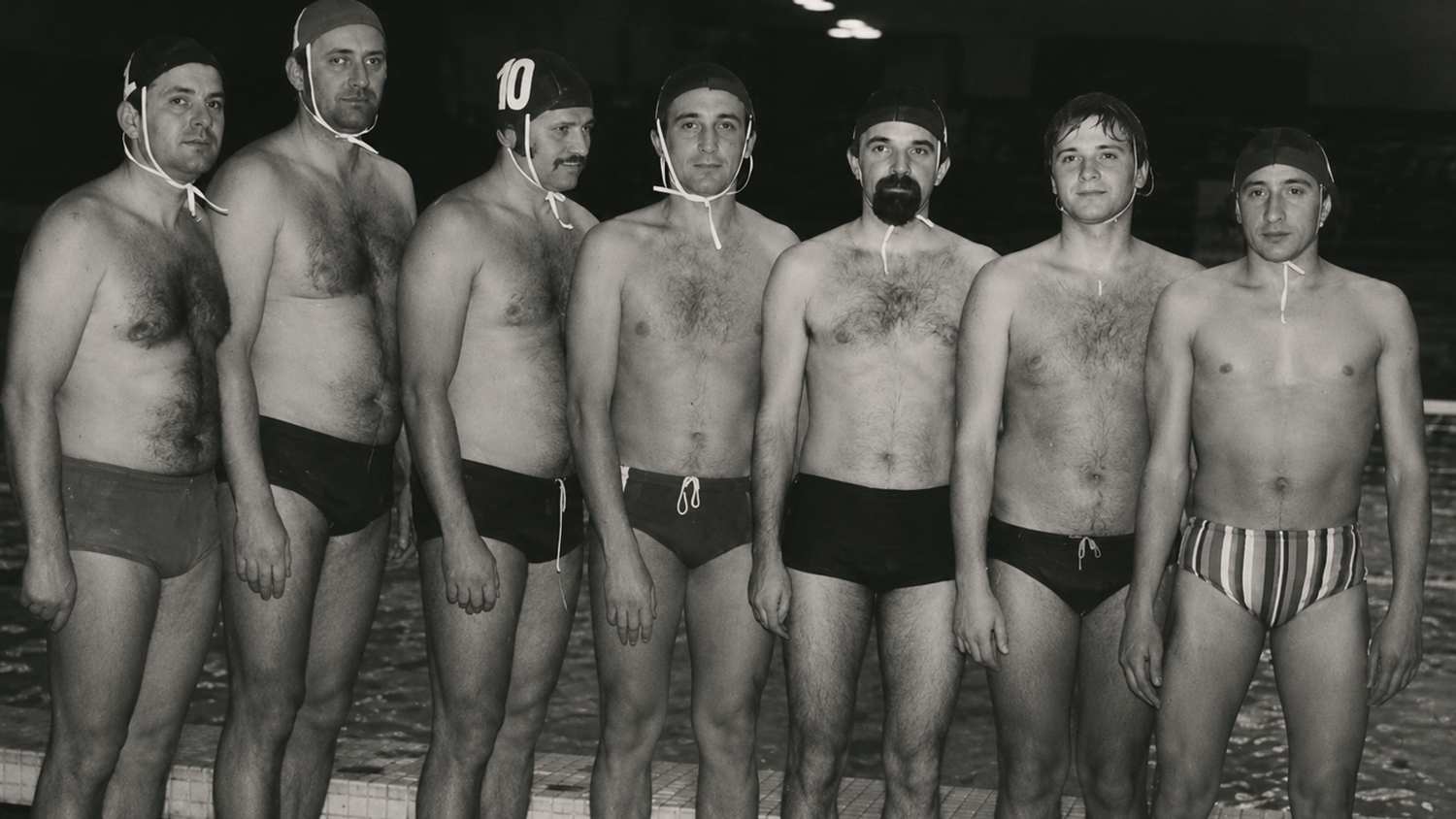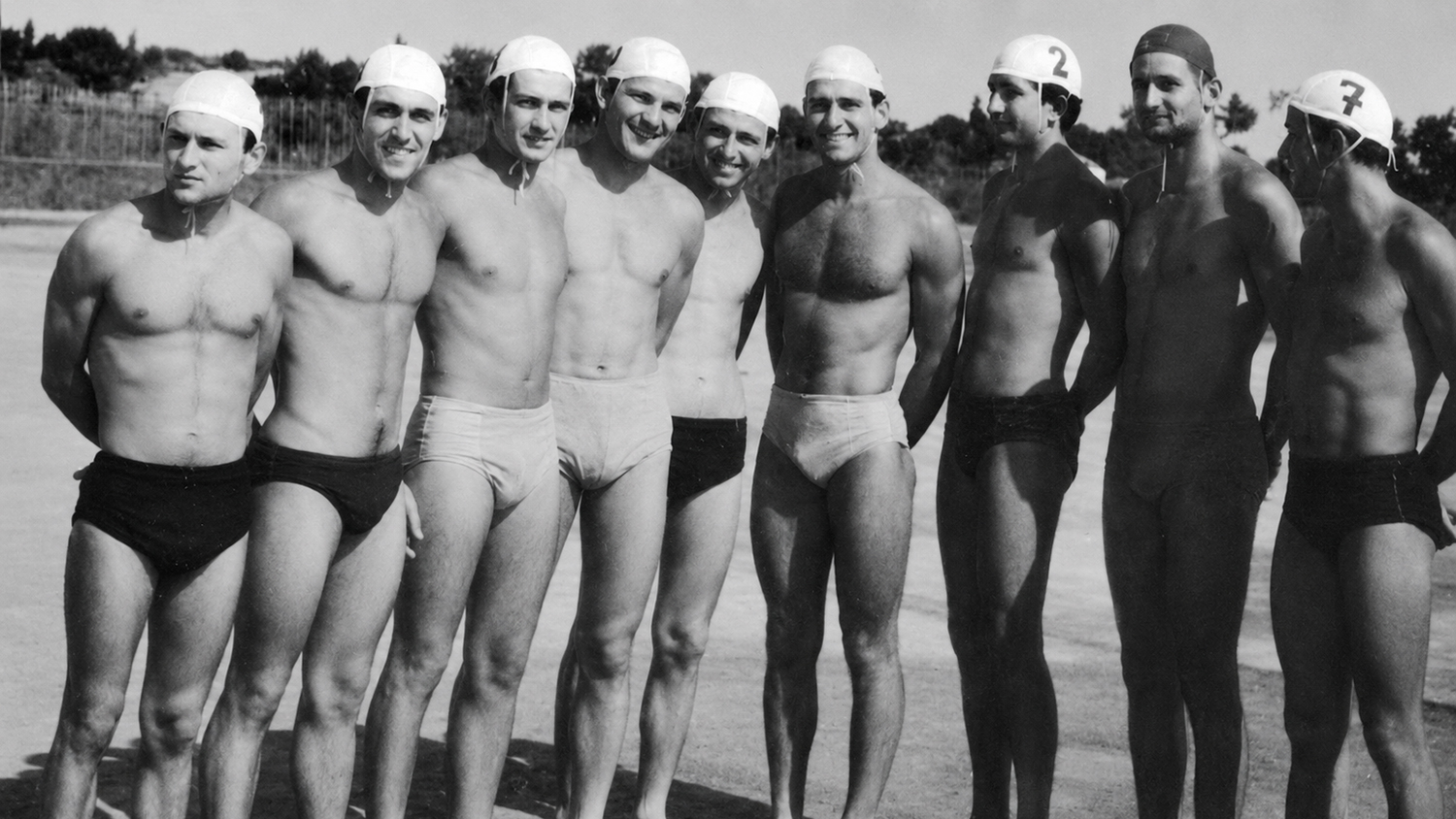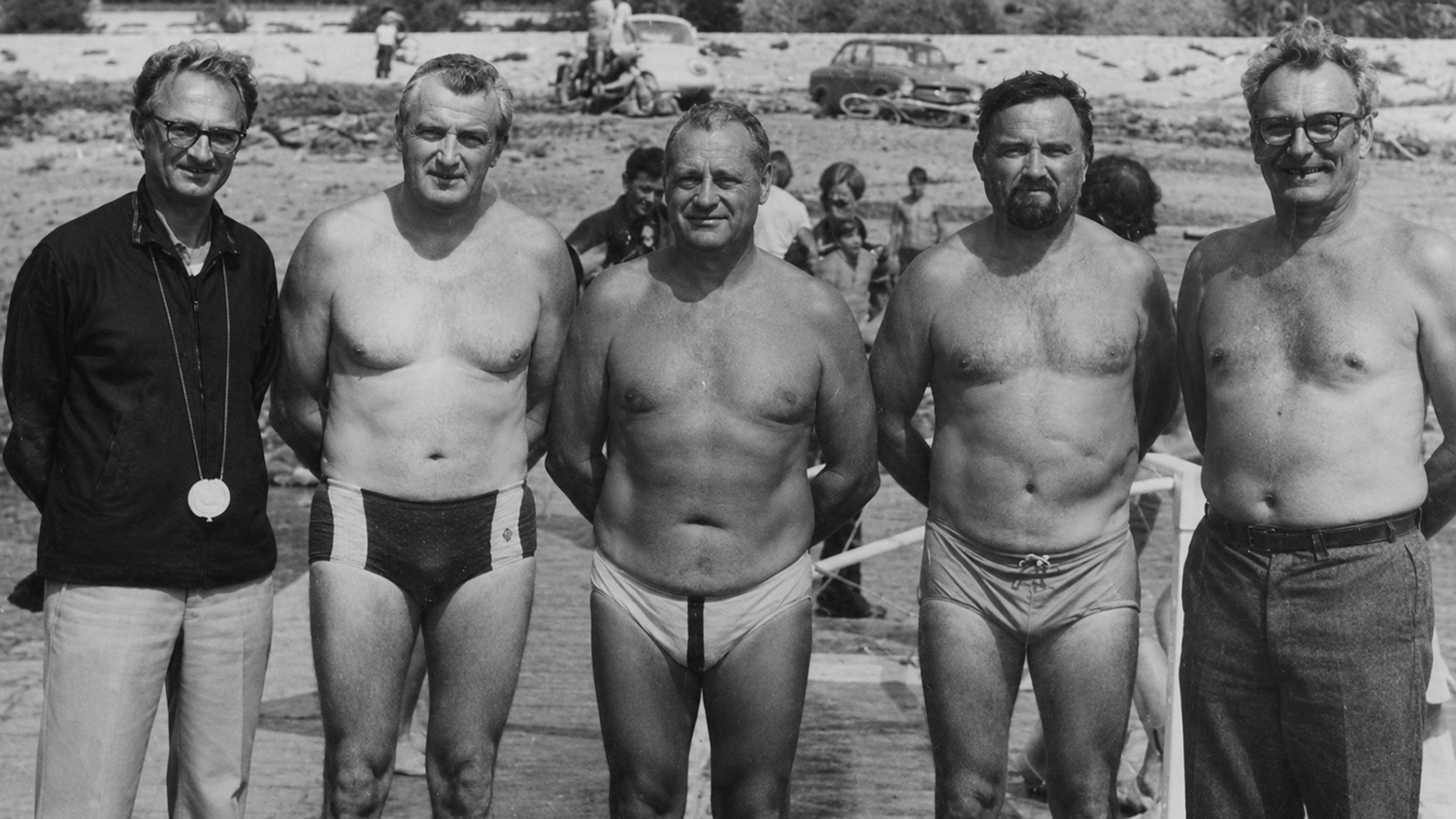

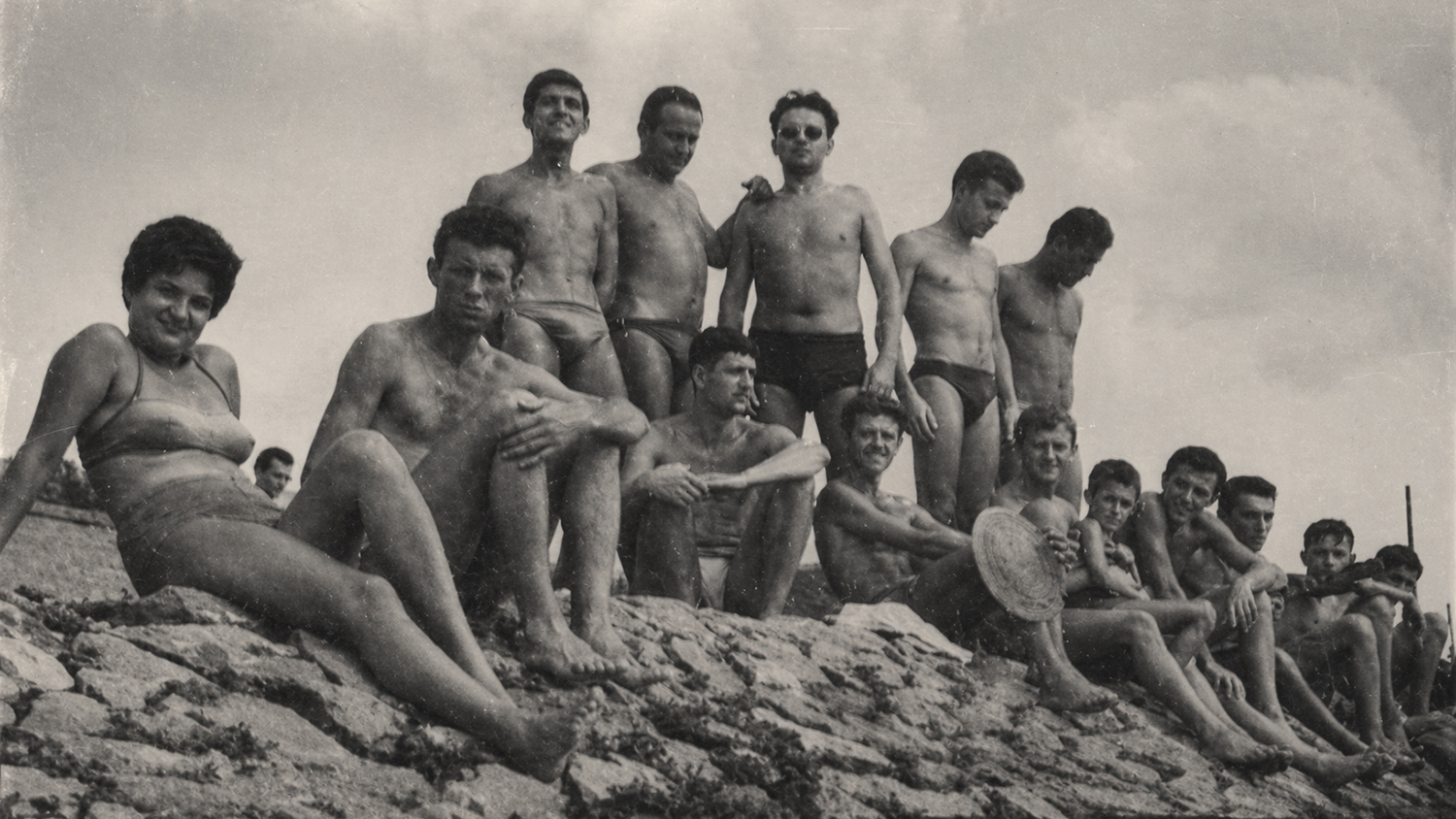
The summer of 1956 clearly showed that, in addition to enthusiasm and a strong desire to compete, the development of quality water polo teams largely depended on available conditions — primarily swimming pools or suitable still waters, which some towns such as Kikinda, Zrenjanin, Bela Crkva, Bečej, Subotica, and Senta already had.
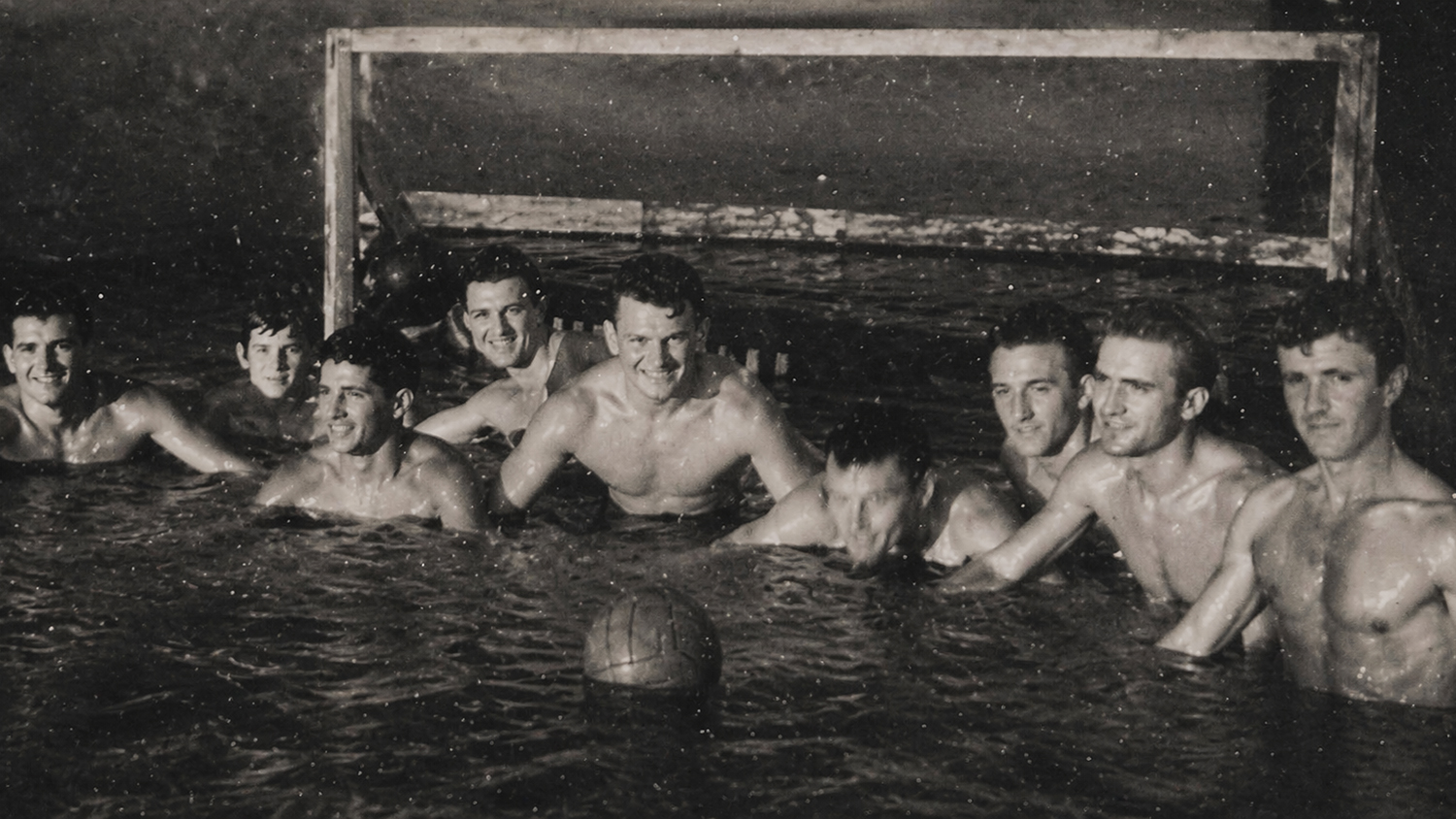
In the 'Chronicle of Swimming and Water Polo in Novi Bečej,' we explore the rich tradition and development of these sports in our town. Discover key moments, significant personalities, and the achievements of local teams, as well as the historical context that has shaped the swimming and water polo communities.
Share this page on social media
In the summer of 1957, a “half-pool” floating platform was once again installed on the Tisa River near Gradište, enabling the continuation of organized training sessions and competitive activities.
Under the influence of leading Vojvodina swimming clubs such as Proleter Zrenjanin, Spartak Subotica, Radnički Kikinda and others, new competition rules were introduced within the Zrenjanin Swimming Subassociation. In addition to swimming and water polo events, compulsory diving was added, performed from a 4-meter platform and a 2–3 meter springboard.
After two relatively successful seasons and the formation of a solid water polo team, the club concluded that the training and match conditions on the Tisa River—flowing, open water—were too poor. It was believed that under such conditions the team would not be able to compete with clubs training in swimming pools or other “still” waters (lakes, canals, sluice areas, or the Danube backwaters). A new solution had to be found.