



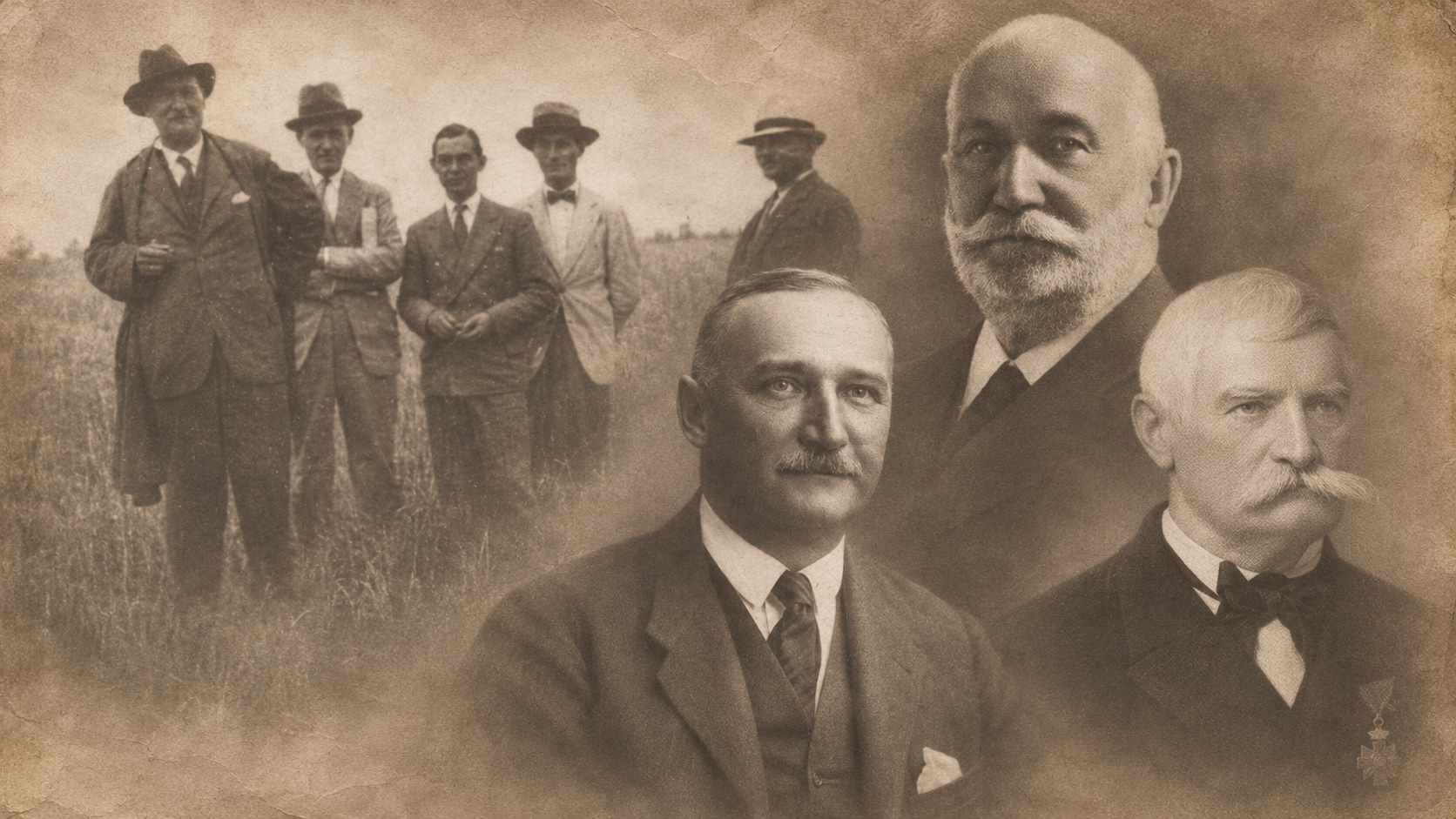
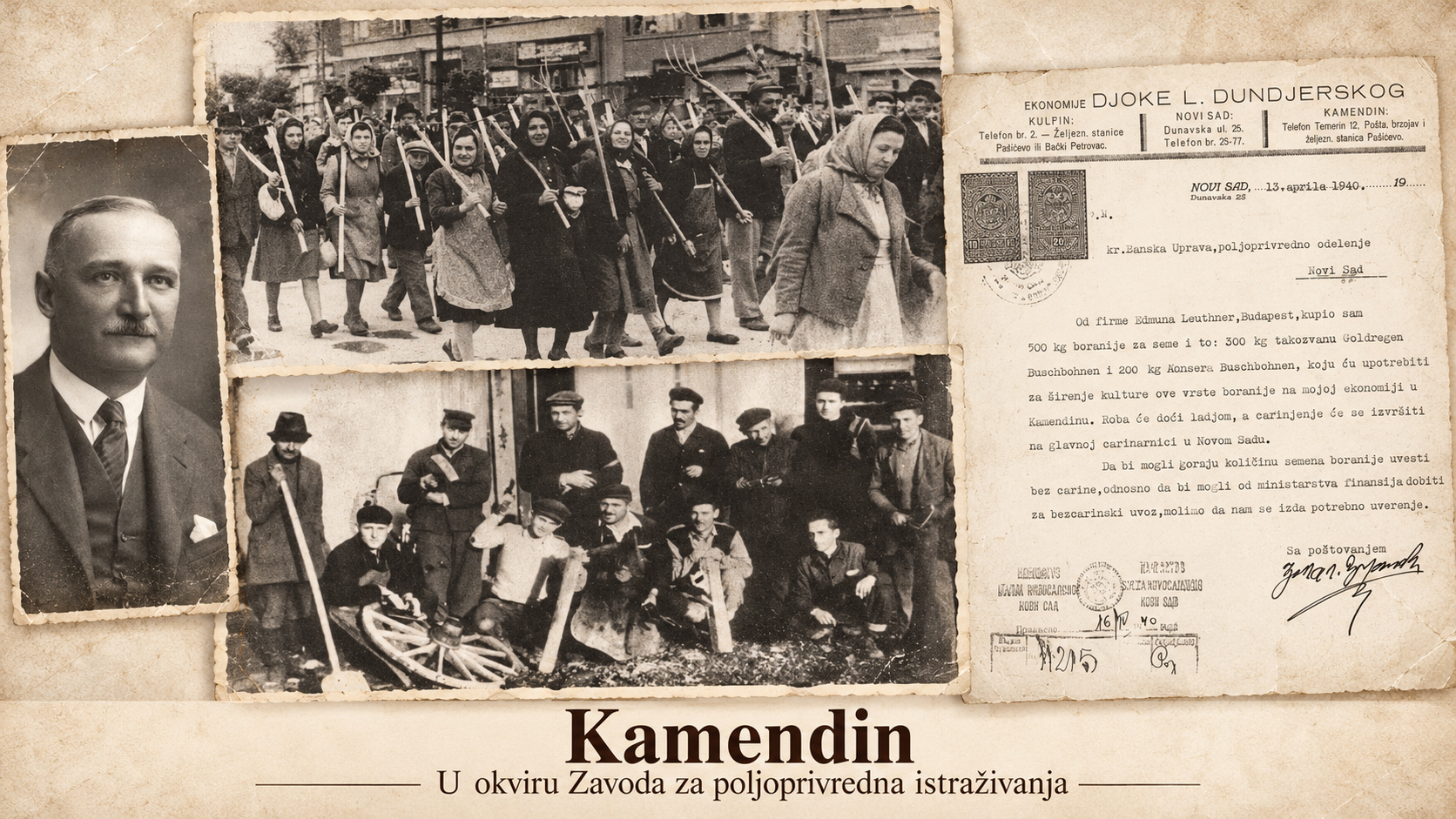
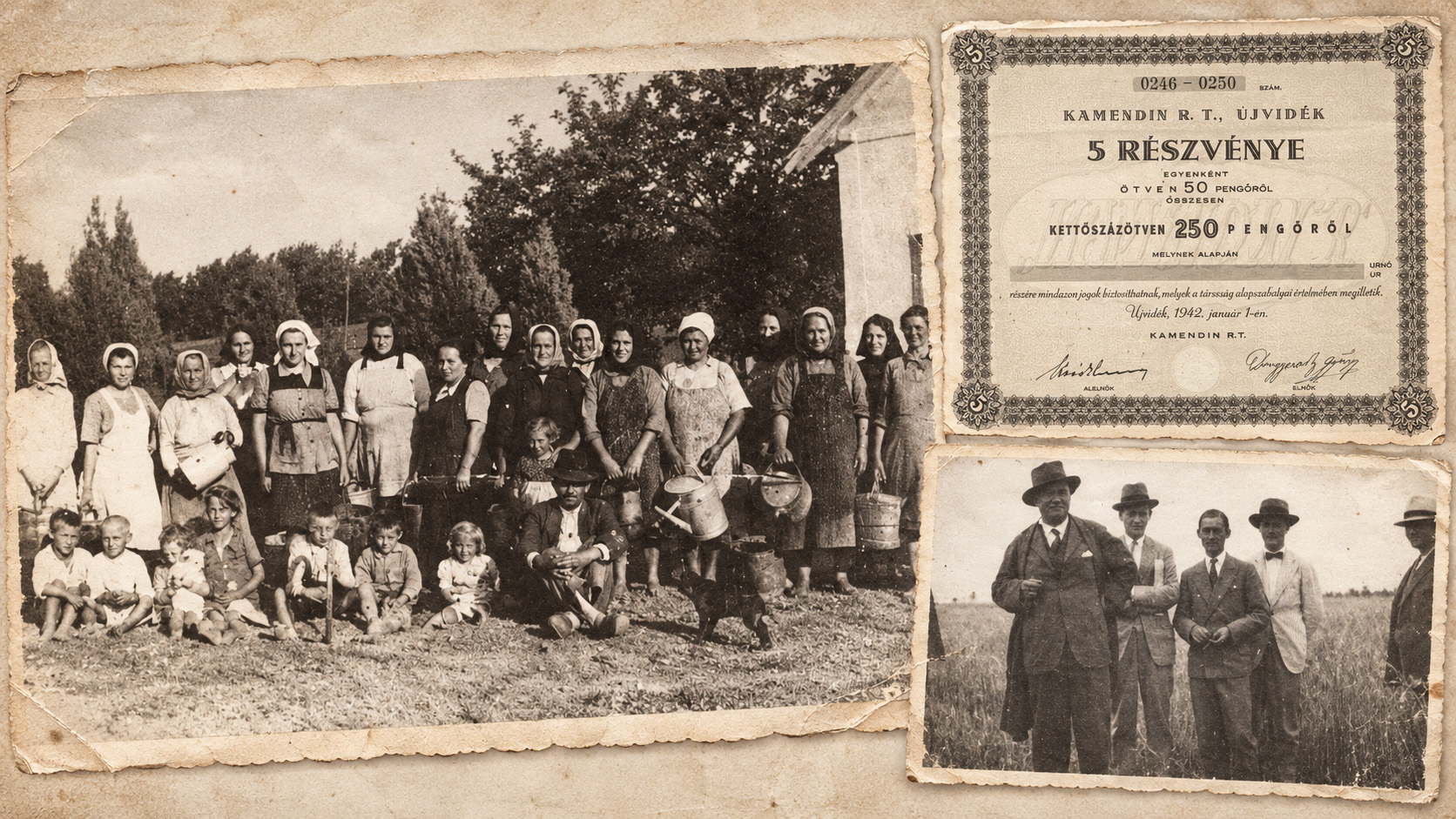
Kamendin, one of the smaller estates owned by the Dunđerski family, stood out for its purpose and management. Đoka Dunđerski inherited the estate from his father Lazar under the terms of his 1917 will. Particularly after the First World War, he developed it into a major horse stud and an experimental farm dedicated to advancing agriculture and animal husbandry.
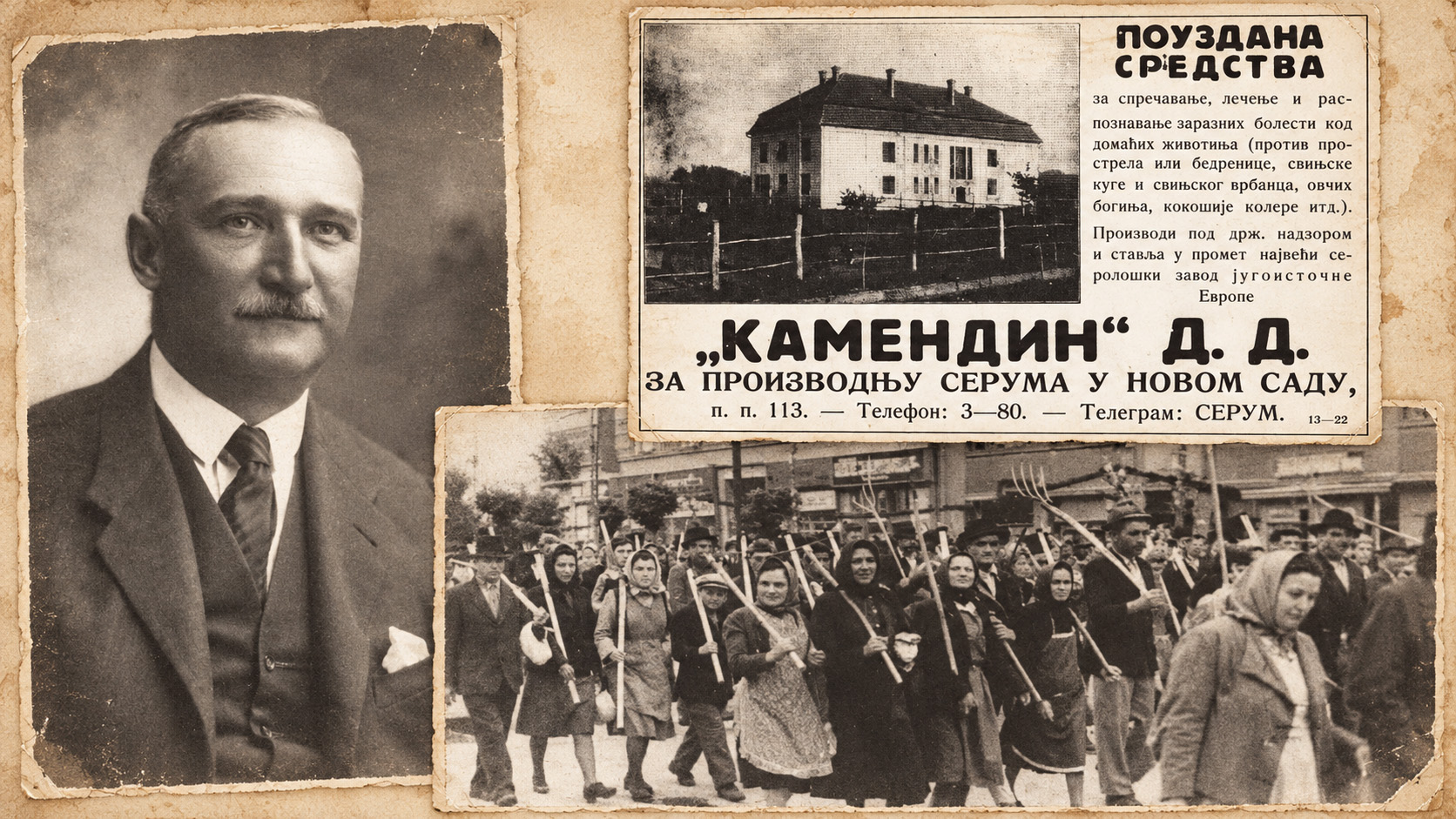
Most of Kamendin’s produce supplied his businesses in Novi Sad — Kulpin and the Vetserum Institute, which was the most modern institution of its kind in the Balkans at the time. In addition to horses, sheep and other livestock, the estate raised pigs for serum production.
Kamendin also served an educational purpose. Đoka Dunđerski organised agricultural demonstrations, exhibitions and lectures on the estate for agriculture students and young people interested in farming. His ambition was to make Kamendin a model estate that would contribute to the development of agriculture in Vojvodina.
After the Second World War, the new authorities confiscated his property, and he was convicted and punished for “economic collaboration with the occupying forces.” Under these new circumstances, Kamendin continued to operate as an agricultural estate of significance to the new state, undergoing the changes brought about by the socialist transformation of agriculture.
Already in his later years, Đoka Dunđerski struggled to accept the loss of his estate and the changed circumstances. He was particularly distressed that he no longer owned the pedigree horses whose breeding he had supported throughout his life. He shared his passion for horses and horse breeding with other members of the Dunđerski family.
He died in his 77th year and was buried in the family chapel in Srbobran.

Comments